The television landscape of 2024 has been punctuated by an unexpected, genre-defying juggernaut: Apple TV+’s Widow’s Bay. Created by Katie Dippold—a veteran of Parks and Recreation and The Heat—the series has managed to strike a delicate, almost impossible balance between the bone-chilling dread of a Stephen King novella and the sharp, character-driven wit of a workplace mockumentary. Following the release of its gripping Season 1 finale, the series has solidified its status as a critical darling, currently boasting a rare 100% "Fresh" rating on Rotten Tomatoes.
However, with the production of Season 2 likely to be a lengthy endeavor, a burgeoning "content void" has left fans searching for the same blend of supernatural mystery and dark humor. This report analyzes the rise of Widow’s Bay, the creative mechanics that made it a success, and provides a comprehensive guide to five essential series that capture its unique atmospheric essence.
Main Facts: The Anatomy of a Sleeper Hit
Widow’s Bay centers on a secluded, fog-drenched island plagued by centuries of malevolent folklore. The narrative engine is driven by its unlikely protagonist, the island’s frantic and often overwhelmed mayor, played by Matthew Rhys. Alongside a cynical assistant and a grizzled local expert on the town’s occult history, the series explores "the mundane within the monstrous."
The show’s success can be attributed to three primary factors:
Genre Hybridization: By blending high-stakes horror with the comedic timing of a sitcom, the show appeals to two disparate audiences simultaneously.
Pedigree of Talent: Katie Dippold’s transition from pure comedy to horror-tinged satire has been hailed as a masterstroke in television writing.
The "Rhys Factor": Matthew Rhys, primarily known for heavy dramatic roles, has reinvented his public persona through a performance that is as physically comedic as it is emotionally grounded.
As the "ferry" leaves the island for the off-season, viewers are turning to streaming catalogs to find substitutes that replicate the show’s specific "cozy-creepy" vibe.
Chronology: The Evolution of Small-Town Supernatural Television
To understand why Widow’s Bay resonates today, one must look at the lineage of small-town supernatural dramas. The "weird town" trope has evolved from the campy anthology series of the 1950s to the high-budget, cinematic miniseries of the streaming era.
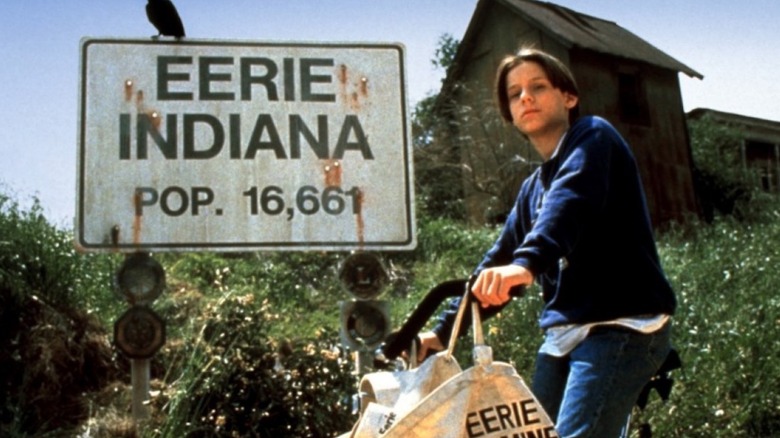
The Early 90s: Shows like Eerie, Indiana introduced the concept of the "paranormal investigator as a protagonist" to a younger audience, blending suburban normalcy with the bizarre.
The 2010s: The rise of prestige horror, led by creators like Mike Flanagan and the Duffer Brothers, shifted the focus toward trauma and atmospheric dread.
The Present:Widow’s Bay represents the culmination of these eras—taking the whimsy of the 90s and the production values of the 2020s to create a new "Prestige Horror-Comedy" subgenre.
Supporting Data: 5 Essential Shows for the Widow’s Bay Enthusiast
For viewers seeking to bridge the gap until Season 2, the following five series offer various facets of the Widow’s Bay experience, ranging from pure horror to high-stakes drama.
1. IT: Welcome to Derry (HBO Max)
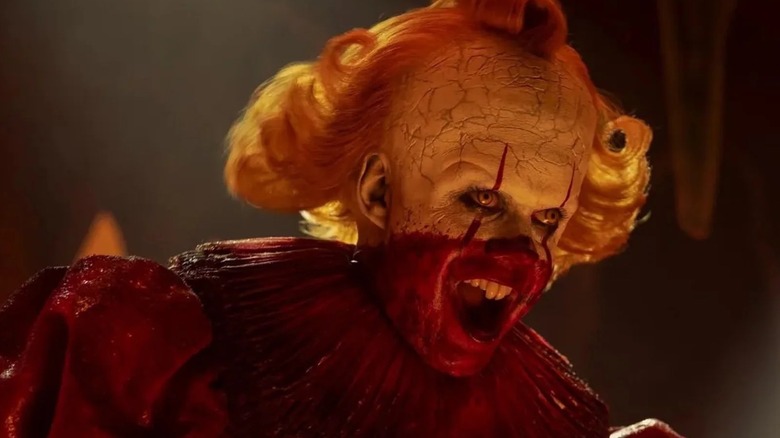
If the appeal of Widow’s Bay lies in its deep-seated town mythology, IT: Welcome to Derry is the natural successor. As a prequel to Andy Muschietti’s IT films, this series explores the cursed history of Derry, Maine, 27 years prior to the events of the first film.
The Connection: Just as Widow’s Bay suggests the island itself is a character, Derry treats its setting as a living, breathing entity of malice.
Key Performance: Bill Skarsgård returns as Pennywise, ensuring the series maintains a visceral, high-horror edge that challenges the bravery of its young protagonists.
2. Eerie, Indiana (NBC / Cult Classic)
For those who enjoy the "kooky" side of the supernatural, Eerie, Indiana is the foundational text. Produced by Joe Dante (Gremlins), the show follows Marshall Teller as he chronicles the bizarre occurrences in a town where dogs plot world domination and Elvis is a local resident.
The Connection: The series shares the "unfazed local" energy found in Widow’s Bay. It reminds viewers that sometimes the strangest things in town are the people living next door.
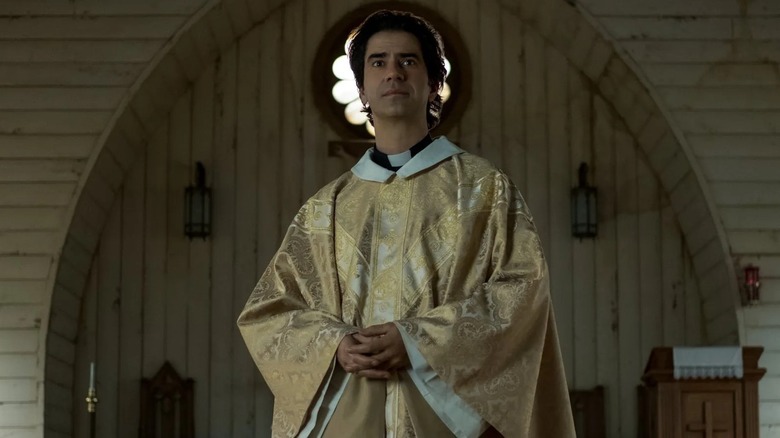
3. Midnight Mass (Netflix)
Where Widow’s Bay uses humor to undercut tension, Mike Flanagan’s Midnight Mass leans into the somber, religious, and existential dread of island life. Set on the decaying Crockett Island, the arrival of a charismatic priest brings "miracles" that carry a terrifying price.
The Connection: The isolated, insular community of Crockett Island serves as a dark mirror to the island in Widow’s Bay. It features Flanagan’s signature ensemble cast, including Kate Siegel and Hamish Linklater, delivering a masterclass in atmospheric storytelling.
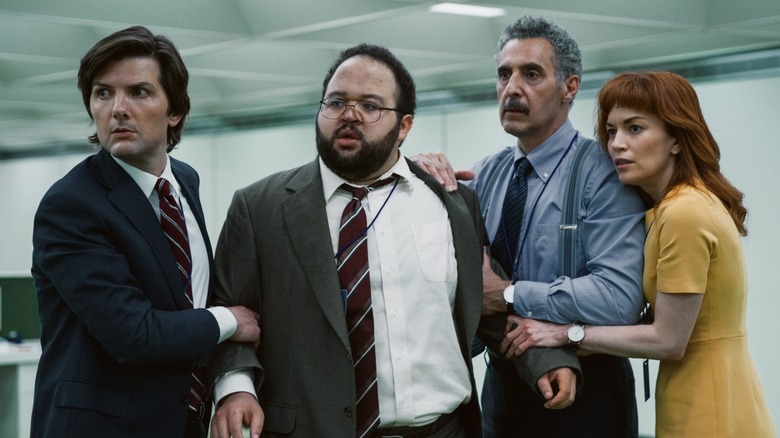
4. Severance (Apple TV+)
For fans of the "unsettling workplace" and Apple TV+’s distinct, high-concept aesthetic, Severance is an essential companion. While it leans more toward science fiction and psychological thriller, the show’s surrealist humor and "Lumon Industries" corporate mystery evoke the same "what is actually going on here?" intrigue.
The Connection: Like Widow’s Bay, Severance creates a world with its own internal, often nonsensical rules that the characters—and the audience—must navigate with increasing desperation.
5. The Americans (FX)
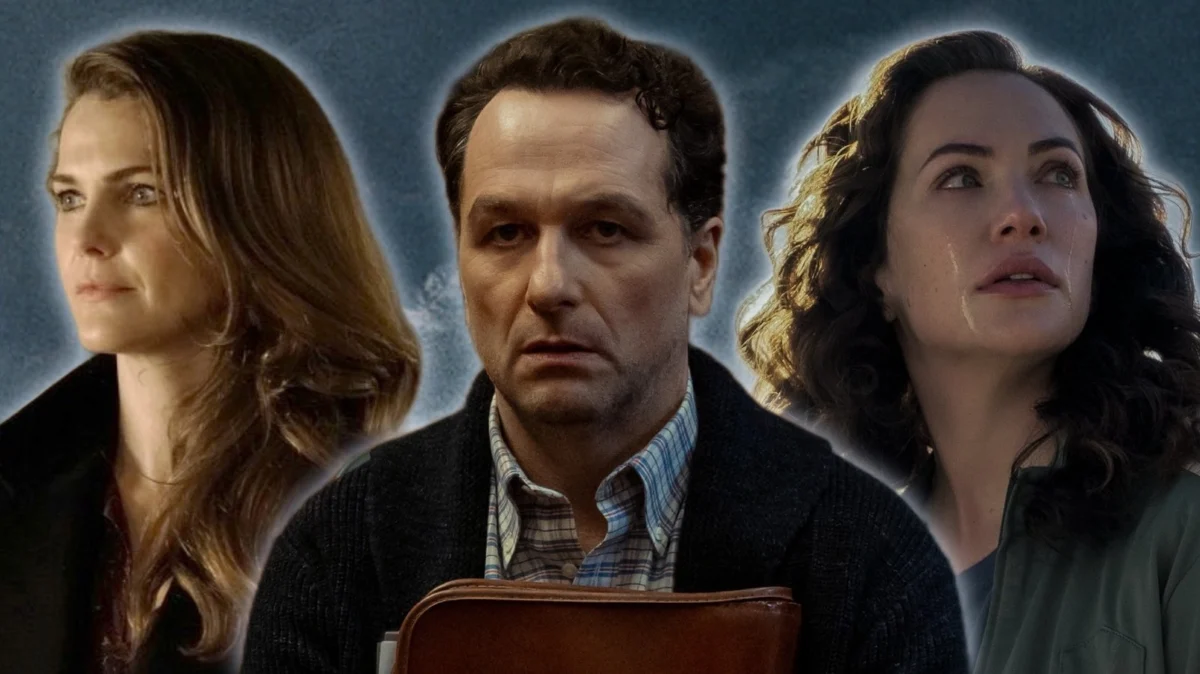
This recommendation serves as a "tonal pivot" for fans of Matthew Rhys. To appreciate the versatility he brings to Widow’s Bay, one must see his work as Philip Jennings, a KGB spy living in suburban Virginia.
The Connection: While not supernatural, the tension in The Americans is relentless. The chemistry between Rhys and his real-life partner Keri Russell provides a foundation of "domestic high-stakes" that fans of the character dynamics in Widow’s Bay will find deeply rewarding.
Official Responses and Critical Reception
The industry’s reaction to the "horror-comedy" boom has been overwhelmingly positive. Critics from The Hollywood Reporter and Variety have noted that Apple TV+ is successfully carving out a niche for "elevated genre" content.
In a recent interview regarding the show’s success, Katie Dippold remarked:
"We wanted to create a place that felt like home, even if that home occasionally tried to eat you. The humor comes from the human instinct to normalize the impossible. If a Sea Hag appears in your backyard every Tuesday, eventually you stop screaming and start wondering if she’s going to ruin the lawn furniture."
Studio executives at Apple have remained tight-lipped about the specific release date for Season 2 but have confirmed that the "creative scope" of the series will expand. This suggests that the world-building seen in Season 1 was merely the tip of the iceberg for the island’s lore.
Implications: The Future of the "Genre-Mashup"
The success of Widow’s Bay and the continued popularity of its spiritual predecessors point toward a significant shift in streaming strategy. Platforms are moving away from "pure" genres in favor of "mashups" that can capture a wider demographic.
The "Dippold Effect"
Katie Dippold’s success suggests that comedy writers are uniquely equipped to handle horror. The timing required for a jump-scare is remarkably similar to the timing required for a punchline. This "Dippold Effect" is likely to lead to more commissions of horror scripts from comedy-heavy writers’ rooms.
The Prestige Horror Market
The inclusion of high-caliber actors like Matthew Rhys and Keri Russell in genre projects signals that "horror" is no longer seen as a "B-movie" career path. It is now a venue for Emmy-level performances and complex character studies.
Conclusion
As the television industry continues to fragment into niche markets, Widow’s Bay stands as a testament to the power of original, high-concept storytelling. Whether through the dread of Midnight Mass or the nostalgic weirdness of Eerie, Indiana, the appetite for small-town secrets and supernatural satire shows no signs of waning. For now, viewers must wait for the next ferry back to the island, armed with a curated list of alternatives to keep the darkness—and the laughter—at bay.
In the rapidly evolving landscape of enterprise technology, a silent population is exploding. For every human employee added to a corporate payroll, thousands of "non-human identities"—softw
In the modern era, the home router has evolved from a niche piece of hardware used by tech enthusiasts into the literal "digital hearth" of the household. It is the invisible conduit through
In the modern household, the refrigerator door has long served as a curated gallery of personal history. From faded Polaroids and school portraits to souvenir magnets and handwritten notes, these surf