A Legendary Creator’s Bold, Baffling Pitch: Is a Duckman Revival the Right Move, or a Digital Disaster?
The animation world is abuzz with a proposition that has sent shockwaves of both intrigue and apprehension through the community. Gábor Csupó, a titan of the industry and co-founder of the renowned Klasky Csupo studio, has unveiled a pitch for a revival of the cult-favorite adult animated series, Duckman. While the prospect of revisiting the cynical, private-eye world of the titular waterfowl is undoubtedly exciting for long-time fans, the proposed new opening sequence and accompanying description have sparked a fierce debate about artistic integrity, the perils of modern animation trends, and the very definition of a successful reboot.
Csupó, whose prolific career has blessed television screens with iconic shows like The Simpsons, Rugrats, Aaahh!!! Real Monsters, and The Wild Thornberrys, also played a pivotal role in bringing Everett Peck’s Duckman to life in the 1990s. The original series, known for its distinctive, often deliberately unappealing visual style and its razor-sharp, existential humor, carved out a unique niche in adult animation. Now, a newly uploaded video, presented as a "new proposed opening title" with updated visuals and music, has emerged, prompting a stark question: Is this the future Duckman deserves?
The Unveiling of a Controversial Vision
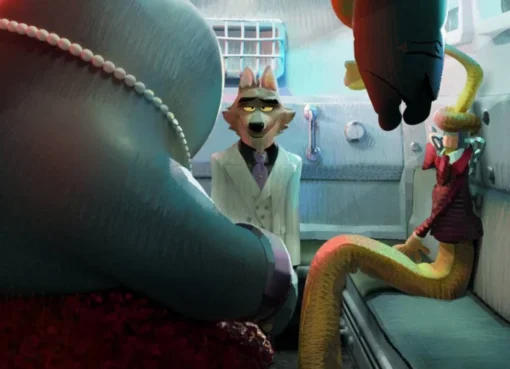
The initial reaction to Csupó’s proposed Duckman revival has been anything but uniform. The centerpiece of the proposal is a video showcasing a reimagined opening sequence. This iteration features a visual aesthetic that, to many critics and long-time fans, leans heavily into a contemporary digital sheen, often associated with AI-generated content. Gone is the deliberately gritty, noir-inspired look that defined the original. In its place are characters that appear "digitally Botoxed," as described by Cartoon Brew’s Jamie Lang, losing their original, characterful imperfections for a smoother, more generic gloss.
The accompanying theme music has also drawn considerable ire, with many describing it as "truly painful." The original Duckman theme, with its melancholic jazz undertones and distinctive vocalizations, perfectly encapsulated the show’s bleakly humorous outlook. The proposed new version, however, has been widely criticized for its jarring, anachronistic sound. Furthermore, the inclusion of what appear to be "inexplicable Simpsons cameos" in the new opening has only added to the bewilderment, raising questions about the creative direction and conceptual coherence of the pitch.
This stark departure from the original’s aesthetic has led to a spectrum of interpretations. Some view the pitch as a serious attempt to modernize Duckman for a contemporary audience, while others see it as a potentially misguided or even satirical commentary on the current state of the animation industry. The latter interpretation suggests that Csupó might be using the revival proposal as a vehicle to critique the industry’s penchant for reboots, the pervasive influence of AI in creative fields, and the potential for soulless digital homogenization to tarnish beloved artistic properties.
A History of Duckman: From Cult Classic to Potential Comeback
To understand the significance of this revival pitch, it’s crucial to revisit the legacy of the original Duckman. Premiering in 1994 on USA Network, Duckman: Private Dick/Family Man was a product of its time, a bold experiment in adult animation that pushed boundaries. The series followed the misadventures of Jack "Duckman" Duck, a coarse, misogynistic, and perpetually down-on-his-luck private investigator who was also a devoted, albeit deeply flawed, family man. Voiced brilliantly by Jason Alexander, Duckman was a character who embodied the anxieties and absurdities of modern life with a darkly comedic flair.
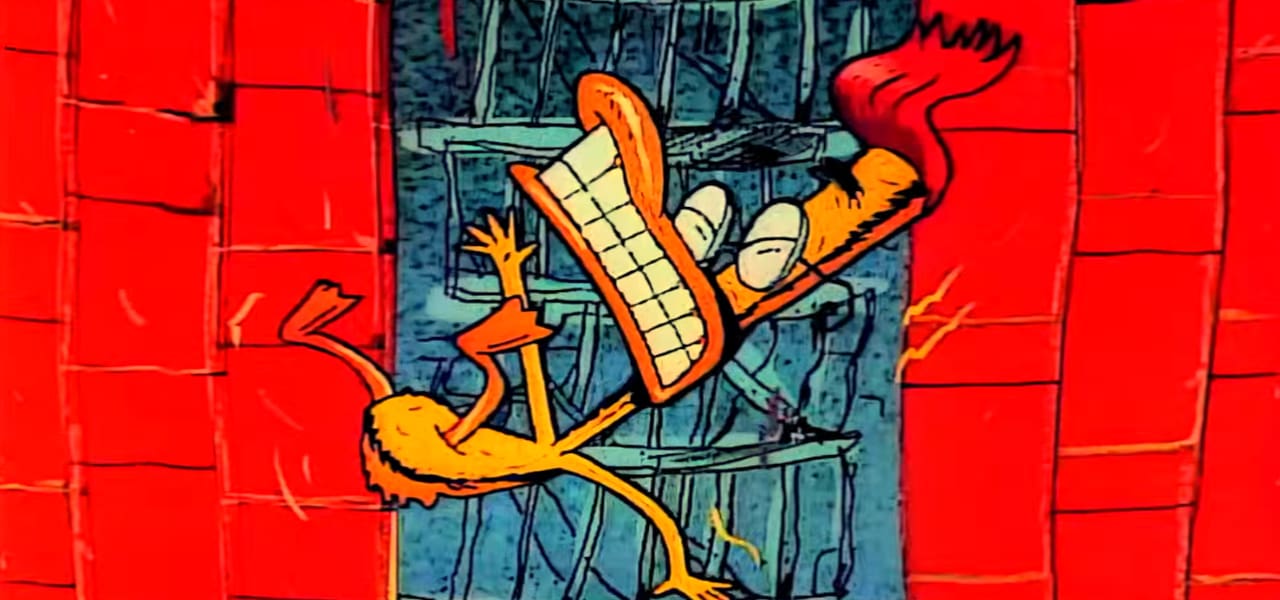
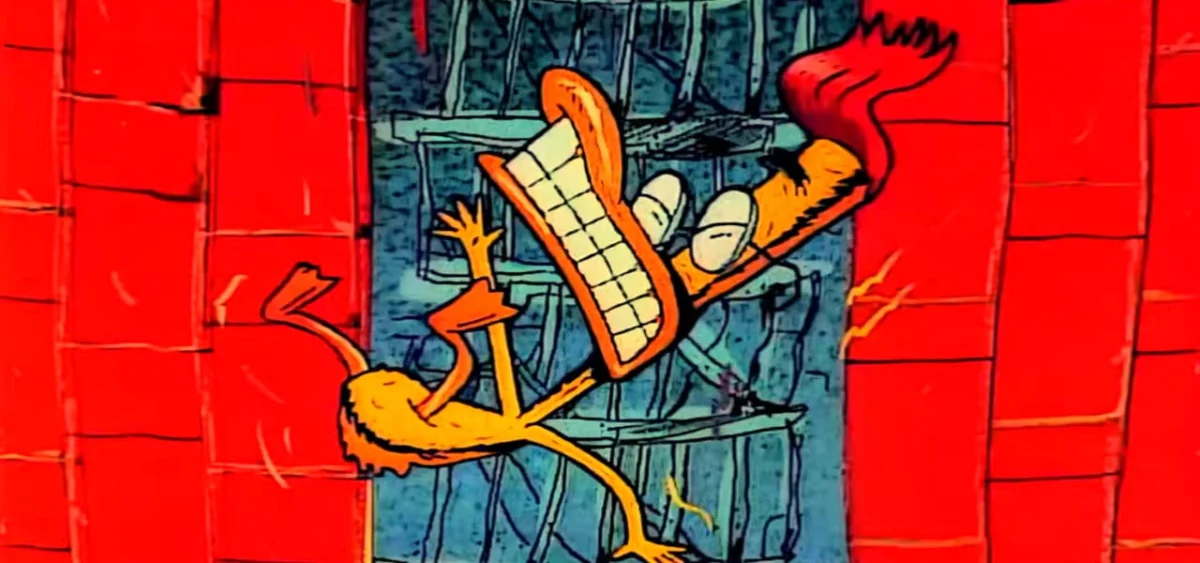
The show’s writing, spearheaded by the likes of Ken Levine and Bruce Timm, was lauded for its sharp wit, satirical edge, and willingness to tackle mature themes with a surreal and often existential bent. The animation, while not conventionally beautiful, was integral to the show’s identity. Everett Peck’s distinctive art style, characterized by its exaggerated proportions, skewed perspectives, and a general air of dishevelment, perfectly complemented the characters’ internal struggles and the chaotic world they inhabited. This deliberate ugliness was not a flaw; it was a feature, a visual manifestation of the characters’ and the show’s underlying cynicism and emotional turmoil.
Duckman ran for four seasons, amassing a dedicated cult following that continues to this day. Its influence can be seen in subsequent adult animated series that have embraced darker humor and more complex characterization. The show’s cancellation in 1997 left a void, and for decades, fans have clamored for its return.
The Business of Reboots: Rights, Platforms, and Ambitions
The proposed Duckman revival is not merely an artistic whim; it is backed by significant industry players. According to the video description, Klasky Csupo and Grand Allure Entertainment currently hold the future television, streaming, and film rights to Duckman in conjunction with CBS. This means that should Csupó’s vision gain traction, a major network or streaming platform could indeed be looking to bring the character back to screens.
Csupó himself has expressed his hope that CBS will order new episodes, and he has also indicated that a major streaming platform might be interested. This suggests a strategic approach to the revival, aiming to secure a platform that can accommodate the show’s adult sensibilities and potentially reach a global audience. The involvement of established entities like CBS lends an air of seriousness to the proposal, even as the creative execution raises eyebrows.
The history of reboots in Hollywood is a complex tapestry, woven with both triumphant returns and spectacular failures. While some revivals have managed to recapture the magic of their predecessors and even surpass them (think Battlestar Galactica or Cobra Kai), many have fallen short, criticized for either deviating too far from the source material or for being mere cash grabs that fail to capture the original’s spirit. The Duckman revival proposal immediately places itself in this ongoing debate, forcing audiences to consider what constitutes a faithful and successful reimagining.
Implications: The Future of Classic Animation in a Digital Age
The Duckman revival pitch raises profound questions about the future of classic animated properties in an increasingly digital and AI-driven world. The core of the controversy lies in the apparent clash between the original show’s deliberate aesthetic and the proposed revival’s modern, glossy, and potentially AI-influenced presentation.
.png)
Artistic Integrity vs. Marketability: Is the new visual style a necessary evolution to appeal to contemporary audiences, or does it fundamentally betray the essence of what made Duckman special? The original series thrived on its imperfections and its unique visual language. Diluting that for a more "polished" look risks stripping away the very qualities that made it resonate.
The AI Conundrum: The "AI feel" attributed to the new opening is a significant point of contention. While AI tools can offer efficiencies in production, their indiscriminate application in creative endeavors can lead to a homogenization of artistic output. If Csupó’s pitch is indeed leaning on AI, it sparks a broader conversation about the ethical and artistic implications of using such technology to reimagine existing works, particularly those with a strong visual identity.
The Nature of Nostalgia: Fans often yearn for revivals of their favorite shows, driven by a potent sense of nostalgia. However, this nostalgia can be a double-edged sword. While it fuels demand, it also sets a high bar for any new iteration. A revival that deviates too significantly from the cherished memories of the original risks alienating the very audience it seeks to recapture.
A Provocation or a Serious Attempt? The ambiguity surrounding the pitch’s intent is perhaps its most intriguing aspect. If it is a genuine attempt at a revival, it faces an uphill battle in convincing audiences that this new direction is the right one. If, however, it is a deliberate provocation, a meta-commentary on the state of the industry, then it is a bold and perhaps even necessary statement.
Ultimately, the fate of the Duckman revival rests on the decisions of CBS and any potential streaming partners. Should they greenlight the project based on this pitch, it will be a significant test for how beloved, idiosyncratic properties are handled in the modern entertainment landscape. For many, the hope remains that if Duckman is to return, it will do so with a vision that respects its legacy, embraces its unique spirit, and avoids succumbing to the generic trends that can, unfortunately, drain the life out of even the most promising creative endeavors. The original’s gritty charm, dark humor, and distinctive visual style are precisely what made it a cult classic, and any attempt to replicate that success must acknowledge and honor these foundational elements. The world may indeed be ready for more Duckman, but it deserves a revival that is as sharp and as uncompromised as the original.