
Unleash Your Inner Artist: A Curated Collection of Jigsaw Puzzles for Creative Minds
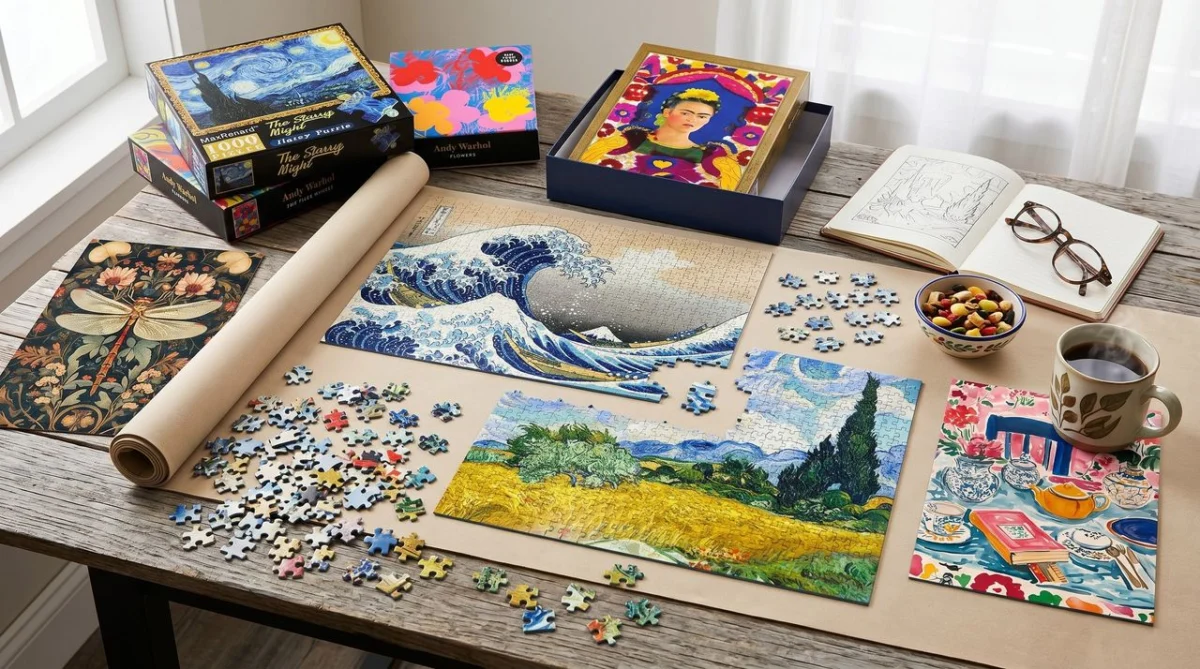
In an era dominated by the glow of screens and the constant hum of digital notifications, the simple act of assembling a jigsaw puzzle offers a refreshing and deeply satisfying escape. Beyond mere entertainment, this time-honored pastime has evolved into a mindful practice, a tactile journey that allows individuals to disconnect from the virtual world and reconnect with their creative spirit. For those with an artistic inclination, the allure of an art-themed jigsaw puzzle is amplified, transforming a relaxing hobby into an immersive artistic experience.
This curated selection delves into the world of art-inspired jigsaw puzzles, offering a diverse range of challenges and aesthetic delights. From the intricate details of renowned masterpieces to the gentle beauty of watercolor landscapes, these puzzles cater to varying skill levels, with piece counts ranging from an accessible 500 to a more demanding 1,000. Prepare to be captivated by artistic visions that span iconic figures like Frida Kahlo, whose famously challenging puzzle I can personally attest to, to serene, wholesome scenes rendered in delicate watercolors.
As we navigate the spectrum of creative engagement, consider these artistic puzzles as more than just a pastime. They are invitations to engage with art on a deeper level, to understand composition, color, and form through a hands-on approach. Whether you are a seasoned puzzler or a curious newcomer, this collection promises hours of engaging, screen-free enjoyment, fostering mindfulness and igniting your inner artist.
The Enduring Appeal of Jigsaw Puzzles: A Therapeutic Escape
The resurgence of jigsaw puzzles in recent years is not merely a nostalgic trend; it reflects a growing societal need for tangible, calming activities that counteract the pervasive stress and anxiety of modern life. The act of sorting pieces, identifying patterns, and gradually revealing a complete image taps into our innate desire for order and completion. This process is inherently mindful, requiring focused attention that naturally quiets the incessant chatter of the mind.
Mindfulness in Miniature: Jigsaw puzzles provide a unique pathway to mindfulness. As you concentrate on fitting one piece into another, your attention is drawn to the present moment. The worries of the past and the anxieties of the future recede, replaced by the immediate task at hand. This focused engagement can lower cortisol levels, reduce stress, and promote a sense of calm and well-being. Studies have shown that activities like jigsaw puzzling can improve mood, decrease feelings of depression, and even enhance cognitive function.
A Screen-Free Sanctuary: In a world where digital devices are ubiquitous, the jigsaw puzzle stands as a beacon of screen-free activity. It encourages genuine human interaction if tackled collaboratively or provides a welcome respite from the glowing rectangles that often dominate our days. This deliberate disconnection is crucial for mental rejuvenation, allowing our brains to rest and reset.
The Artistic Connection: For individuals with a creative bent, the appeal of jigsaw puzzles is heightened when the imagery resonates with their artistic sensibilities. Engaging with art in this tactile, participatory way offers a different dimension of appreciation. It allows for an intimate study of brushstrokes, color palettes, and compositional choices that might be overlooked in a gallery setting. Assembling a puzzle becomes an act of interpretation and a celebration of artistic expression.
A Spectrum of Artistic Delights: Curated Puzzles for Every Creative Soul
This selection aims to capture the diverse landscape of art that can be translated into the engaging format of a jigsaw puzzle. Each puzzle has been chosen for its aesthetic merit, the quality of its reproduction, and the engaging challenge it presents.
Masters of Color and Form: Iconic Artistry Reimagined
The allure of engaging with the works of celebrated artists is undeniable. These puzzles allow you to not only admire but also actively participate in the creation of a visual masterpiece.
-
Frida Kahlo: A Personal Challenge: As mentioned, the Frida Kahlo puzzle is a personal favorite, and I can attest to its challenging nature. The vibrant colors, intricate symbolism, and iconic self-portraits of Kahlo present a rewarding, albeit demanding, assembly experience. The sheer detail in her work ensures that even experienced puzzlers will find themselves deeply engrossed. This puzzle is more than just assembling an image; it’s an exploration of Kahlo’s complex inner world and her profound artistic legacy. The piece count, likely in the 1,000 range, demands patience and a keen eye for subtle color variations and recurring motifs.
-
Post-Impressionist Splendor: Imagine immersing yourself in the swirling skies of Van Gogh’s "Starry Night" or the vibrant dance of colors in Monet’s water lilies. Puzzles featuring these Post-Impressionist giants offer a chance to dissect the very essence of their revolutionary techniques. The thick impasto of Van Gogh or the dappled light in Monet’s landscapes translate into intricate patterns of color and texture that are both challenging and deeply satisfying to piece together. These puzzles often come in 1,000-piece formats, providing an extended and immersive experience.
-
Renaissance Revelations: For those who appreciate the grandeur and meticulous detail of the Renaissance, puzzles depicting works by Leonardo da Vinci, Michelangelo, or Raphael offer a journey into artistic history. Assembling the Mona Lisa or the Sistine Chapel ceiling, even in miniature, provides a unique perspective on the mastery of anatomy, perspective, and narrative that defined this era. The subtle chiaroscuro and delicate rendering of fabrics in these masterpieces present a compelling puzzle challenge.
Whimsical Watercolors and Contemporary Creations: A Softer, Modern Palette
Beyond the classical and the iconic, the world of art offers a wealth of softer, more contemporary imagery perfect for a relaxing yet engaging puzzle experience.
-
Serene Watercolor Landscapes: The gentle washes and delicate hues of watercolor art translate beautifully into jigsaw puzzles. Imagine assembling a tranquil scene of rolling hills, a sun-dappled forest, or a quiet coastal village. These puzzles often feature a softer color palette and more organic shapes, making them a calming and accessible choice for those seeking a less intense challenge. Puzzles in the 500-750 piece range are common for this style, offering a delightful afternoon’s diversion.
-
Botanical Beauties: The intricate details of flowers, leaves, and natural forms are a perennial source of artistic inspiration. Puzzles featuring botanical illustrations, whether vintage scientific studies or modern artistic interpretations, offer a chance to appreciate the delicate structures and vibrant colors of the natural world. The repetition of similar shapes and the subtle variations in color make these puzzles a delightful test of observation.
-
Abstract Explorations: For those who appreciate the power of color and form without strict representation, abstract art puzzles offer a unique challenge. Assembling a canvas of bold geometric shapes, dynamic color fields, or expressive gestural marks requires a different kind of visual acuity. These puzzles often rely on subtle shifts in hue and texture, pushing the puzzler to engage with the very language of abstract art.
Beyond the Canvas: Artistic Interpretations in Diverse Forms
The concept of "art" extends beyond traditional painting, and jigsaw puzzles reflect this diversity.
-
Art Nouveau Elegance: The flowing lines, organic motifs, and rich ornamentation of Art Nouveau art make for stunning jigsaw puzzles. Think of the iconic posters of Alphonse Mucha or the decorative patterns inspired by nature. These puzzles are characterized by their intricate details and often feature a limited but sophisticated color palette, demanding careful attention to recurring elements.
-
Surrealist Dreams: For those who enjoy a touch of the unexpected, surrealist art puzzles offer a journey into the subconscious. Assembling the dreamlike landscapes and bizarre juxtapositions of artists like Salvador Dalí or René Magritte can be a mind-bending yet exhilarating experience. These puzzles often play with perspective and scale, challenging your perception of reality.
The Jigsaw Puzzle as a Tool for Cognitive Enhancement and Well-being
The benefits of jigsaw puzzling extend far beyond simple enjoyment. Engaging with these intricate challenges can have a profound positive impact on cognitive function and overall mental well-being.
Chronology of Cognitive Benefits: From Childhood to Adulthood
The foundational cognitive skills developed through jigsaw puzzling begin in early childhood. As toddlers learn to manipulate shapes and recognize patterns, they are unknowingly laying the groundwork for more complex cognitive abilities.
-
Early Development (Ages 2-5): Simple puzzles with large, distinct pieces help young children develop fine motor skills, hand-eye coordination, and spatial reasoning. They learn to recognize shapes, colors, and the concept of a whole being made up of smaller parts.
-
Preschool and Early School Years (Ages 5-10): As children progress to more complex puzzles with more pieces, they enhance their problem-solving skills, critical thinking, and patience. They learn to strategize, analyze visual information, and persevere through challenges.
-
Adolescence and Young Adulthood (Ages 10+): For teenagers and adults, jigsaw puzzles continue to offer significant cognitive benefits. The challenge of more intricate puzzles sharpens analytical skills, improves visual-perceptual abilities, and enhances memory recall. The sustained focus required can also improve concentration and attention span.
Supporting Data: The Science Behind the Satisfaction
Numerous studies have highlighted the positive impact of jigsaw puzzles on cognitive health:
-
Improved Memory and Cognitive Function: Research published in journals such as Nature Neuroscience has indicated that engaging in mentally stimulating activities, like jigsaw puzzles, can help build cognitive reserve, which may delay the onset of cognitive decline associated with aging and neurodegenerative diseases like Alzheimer’s. A study by the National Institute on Aging found that individuals who engaged in mentally challenging activities were less likely to develop dementia.
-
Enhanced Problem-Solving Skills: The process of analyzing a complex image, sorting pieces by color and shape, and deducing their correct placement directly trains problem-solving abilities. This translates to improved critical thinking and analytical skills applicable to various aspects of life.
-
Stress Reduction and Mood Enhancement: As previously discussed, the focused nature of puzzling can induce a meditative state, reducing stress hormones like cortisol. The sense of accomplishment upon completing a puzzle also releases endorphins, leading to feelings of happiness and satisfaction. A survey by the UK-based mental health charity, The Mental Health Foundation, identified jigsaw puzzles as a valuable tool for managing stress and anxiety.
-
Improved Visual-Spatial Skills: Jigsaw puzzles inherently require individuals to mentally rotate and manipulate shapes in three-dimensional space, significantly enhancing visual-spatial intelligence. This skill is crucial for tasks ranging from driving and navigation to understanding complex diagrams and performing surgery.
Official Responses and Expert Opinions: The Growing Recognition of Puzzle Power
The recognition of jigsaw puzzles as more than just a pastime is growing within various professional fields.
-
Occupational Therapists: Occupational therapists frequently recommend jigsaw puzzles as therapeutic tools for individuals recovering from strokes, brain injuries, or those experiencing cognitive impairments. The puzzles aid in regaining motor skills, improving cognitive function, and boosting morale.
-
Educators: Educators are increasingly incorporating puzzles into classroom activities to foster critical thinking, collaboration, and problem-solving skills among students. The visual and tactile nature of puzzles can also be beneficial for kinesthetic learners.
-
Mental Health Professionals: Therapists and counselors often suggest jigsaw puzzles as a healthy coping mechanism for stress, anxiety, and depression. The focused engagement provides a distraction from negative thought patterns and promotes a sense of calm and control.
Implications for Modern Living: Embracing the Art of Slow Engagement
In a society that often prioritizes speed and efficiency, the enduring appeal of jigsaw puzzles carries significant implications for how we approach modern living.
-
The Power of Deliberate Disconnection: The rise of jigsaw puzzles underscores a yearning for deliberate disconnection from the constant demands of the digital world. It highlights the importance of creating intentional spaces for focused, analog activities that nourish the mind and spirit.
-
Reclaiming Mindfulness: As mindfulness practices become more mainstream, jigsaw puzzles offer a tangible and accessible entry point for many. The simple act of putting pieces together can cultivate a deeper appreciation for the present moment and a greater sense of inner peace.
-
The Value of Tangible Creation: In an increasingly virtual existence, the act of creating something tangible, however small, holds immense value. Assembling a jigsaw puzzle provides a sense of accomplishment and a physical representation of focused effort, a welcome contrast to the ephemeral nature of digital interactions.
-
A Bridge Across Generations: Jigsaw puzzles are a timeless activity that can be enjoyed by people of all ages. This makes them an excellent tool for intergenerational bonding, fostering shared experiences and creating lasting memories.
As you embark on your next artistic puzzle adventure, remember that you are not just assembling cardboard pieces. You are engaging in a practice that nourishes your mind, calms your spirit, and connects you with a rich tradition of artistic appreciation. So, find your perfect puzzle, clear a space, and let the satisfying click of pieces falling into place guide you on a journey of creative discovery.


Leave a Comment