The Animation Landscape of 2026: From Handmade Epics to Geopolitical Debates
The animation industry in August 2026 stands at a fascinating crossroads where decade-long labor-intensive masterpieces meet the rapid evolution of streaming franchises and the complex ethics of international film festivals. This week’s developments, highlighted by major announcements at the Locarno and Fantasia festivals and structural shifts within the Annie Awards, reveal a medium that is simultaneously looking back at traditional craftsmanship and forward toward a more globally integrated future.
Main Facts: A Week of Artistic and Industrial Milestones
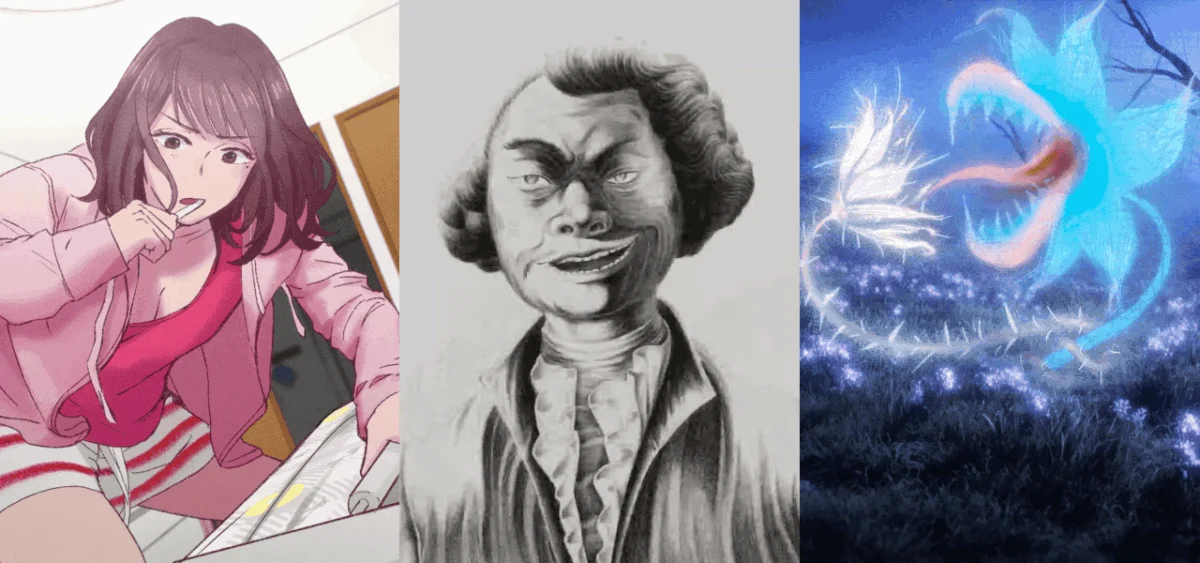
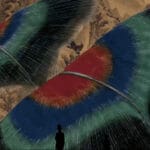
The current animation cycle is dominated by the world premiere of Sun Xun’s Magic Atlas at the Locarno Film Festival. A project of staggering proportions, Magic Atlas represents a ten-year journey involving a collective of 500 artists. The film is being hailed as a landmark in "handmade" cinema, utilizing traditional Chinese techniques that defy the modern push for algorithmic and AI-driven production.
Simultaneously, the festival circuit is grappling with the socio-political responsibilities of art. At the Fantasia International Film Festival, Masanao Kawajiri’s Cherry and Virgin has emerged as a critical darling, utilizing a unique blend of rotoscoping and manga-inspired aesthetics to tackle mature themes of intimacy. Meanwhile, the Ottawa International Animation Festival (OIAF) has sparked a global conversation regarding the boycotting of films from nations involved in active conflicts, such as the wars in Ukraine and Gaza.
In the corporate and awards sector, the Annie Awards have officially opened submissions for their 2026 ceremony, introducing a dedicated "International Anime" category—a move that signals the Academy’s acknowledgment of anime’s total market dominance. On the production front, Amazon’s expansion of the Warhammer 40,000 universe and a new partnership between Australia’s Flying Bark and Olan Rogers’ Lightfold indicate a robust appetite for high-concept, adult-oriented serialized content.
Chronology of Developments (August 1–August 7, 2026)
-
August 1: The Annie Awards Call for Entries
The International Animated Film Society, ASIFA-Hollywood, officially began accepting submissions for the 54th Annie Awards. The most significant update was the formalization of the "Best International Anime Feature" category, designed to provide a specific platform for Japanese productions that have historically competed in the broader "Independent Feature" category. -
August 2: Amazon’s Deathwatch Announcement
Amazon Studios confirmed the development of a Warhammer 40,000 animated series focusing on the "Deathwatch," an elite xenos-hunting unit. This follows the multi-year deal between Amazon and Games Workshop, marking the first major animated foray into the grimdark universe under this partnership..png)
-
August 3: The Flying Bark/Lightfold Partnership
Flying Bark Productions, the studio behind the visual triumphs of X-Men ’97 and segments of Spider-Man: Across the Spider-Verse, announced a collaborative venture with Olan Rogers (creator of Final Space). The project, currently under wraps, is slated to be an original IP aimed at the young adult demographic. -
August 4: Locarno Opening and Sun Xun’s Premiere
The Locarno Film Festival opened its doors, with the spotlight firmly on Sun Xun’s Magic Atlas. The premiere followed a decade of production, marking the transition of Sun Xun from a world-renowned gallery artist to a feature film director. -
August 5: The "70 Deadly Sins" and the USC Closure
Publicity surrounding Zehao “Tara” Hou’s experimental short, The 70 Deadly Sins, shed light on the abrupt closure of USC’s Expanded Animation program. The film, born from the ashes of a shuttered academic department, began its festival run, symbolizing student resilience in a changing educational landscape.
Supporting Data: The Scale of Modern Production
The Decade-Long Labor of Magic Atlas
Sun Xun’s Magic Atlas is an outlier in modern production metrics. While the average animated feature takes 3.5 to 5 years to complete, Xun’s project spanned a full decade. The data behind the production includes:
- Artist Count: 500 specialized artisans.
- Techniques: A hybrid of woodblock printing, ink wash painting, and traditional charcoal drawing.
- Narrative Scope: An epic fantasy that serves as a metaphorical critique of how history is recorded and distorted.
The Rise of Adult Animation
The Amazon Warhammer 40,000 announcement is backed by significant market trends. Since 2022, the demand for "Adult Animation" has grown by an estimated 22% annually. By focusing on the "Deathwatch" lore, Amazon is targeting a pre-existing global fanbase of over 5 million tabletop players, ensuring a built-in audience for their high-budget streaming venture.
Academic Shifts
The closure of the USC Expanded Animation program, as discussed by Zehao Hou, reflects a broader trend in North American arts education. Since 2024, four major "experimental" animation tracks in the United States have been consolidated or closed in favor of "industry-ready" technical training, leading to a surge in independent, self-produced experimental shorts like The 70 Deadly Sins.
Official Responses and Industry Perspectives
On Artistic Integrity: Sun Xun
In an interview regarding the premiere of Magic Atlas, Sun Xun emphasized the importance of the "human touch" in an era of digital perfection. "History is not a smooth surface; it is full of cracks and textures," Xun stated. "By using 500 artists and handmade techniques, we allowed those cracks to appear in the film itself. It is a record of human labor as much as it is a story."
On the Ethics of Boycotting: Chris Robinson
The debate over whether film festivals should serve as political battlegrounds reached a fever pitch this week. Chris Robinson, artistic director of the Ottawa International Animation Festival, addressed the complexities of banning films based on their country of origin. Robinson noted that while there is immense pressure to boycott films from Russia or Israel during times of conflict, the festival’s role is often to provide a platform for dissenting voices within those very nations. "If we silence the artists, we often silence the only people in those countries who are actively criticizing their own governments," Robinson argued.
On Visual Innovation: Masanao Kawajiri
Director Masanao Kawajiri, speaking on the success of Cherry and Virgin at Fantasia, defended his use of rotoscoping—a technique often criticized as "cheating" in animation. "Rotoscoping allows us to capture the micro-expressions of human intimacy that are often lost in traditional character design," Kawajiri explained. "By clashing these realistic movements with manga-style backgrounds, we create a ‘visual dissonance’ that mirrors the awkwardness of real-world desire."

Implications: Where the Industry Goes from Here
The events of this week suggest several long-term shifts in the animation ecosystem.
1. The "Prestige" Animation Tier
The success of Magic Atlas at a prestigious general-interest festival like Locarno suggests that animation is increasingly being viewed through the lens of "Fine Art" rather than just "Family Entertainment." This may lead to more government grants and private commissions for multi-disciplinary artists to enter the feature film space.
2. The Anime Category Precedent
The Annie Awards’ decision to create a separate International Anime category is a double-edged sword. While it guarantees recognition for Japanese creators, some industry analysts worry it may "silo" anime, preventing it from winning the top "Best Feature" prize. However, it undeniably acknowledges that the volume and quality of anime have reached a point where they can no longer be ignored by Western institutions.

3. The Death of the "Generalist" Education
The closure of USC’s Expanded Animation program and the subsequent success of students like Zehao Hou suggests a decoupling of "artistic success" from "traditional degrees." As universities pivot toward vocational training for major studios (Disney, Pixar, Sony), the experimental scene is moving into decentralized, independent collectives.
4. Geopolitical Neutrality vs. Activism
The ongoing debate at OIAF regarding boycotts suggests that the "neutral" stance of film festivals is becoming unsustainable. In the coming years, we can expect festivals to develop more formal ethical frameworks regarding state-funded content, potentially leading to a fragmented festival circuit where political alignment becomes as important as artistic merit.
As August 2026 progresses, the animation community remains vibrant but cautious. Whether through the 10-year dedication of Sun Xun or the subversive rotoscoping of Masanao Kawajiri, the medium continues to prove its capacity for depth, complexity, and profound social commentary.