Navigating the Frontier: The Arrival of Discovery: Rogue Planet on Quest 3 and PC VR
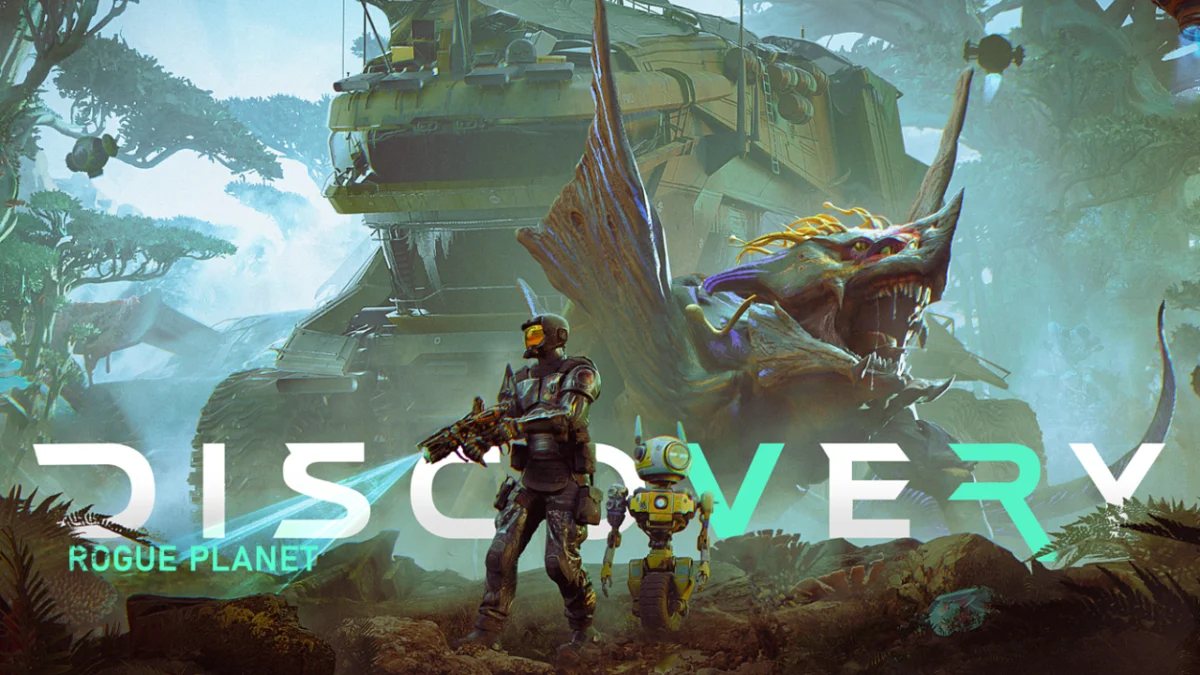
The virtual reality (VR) landscape is currently undergoing a significant transition. As hardware capabilities evolve—transitioning from the tethered reliance of early PC VR to the high-performance standalone capabilities of the Meta Quest 3—the demand for deep, narrative-driven experiences has never been higher. Into this environment steps Discovery: Rogue Planet, a new sci-fi narrative first-person shooter (FPS) developed by Immersmind.
Scheduled for release on August 6, the title promises to bridge the gap between arcade-style action and atmospheric storytelling. However, its path to launch has been marked by technical questions regarding platform availability and a curious discrepancy between official press releases and digital storefront listings.
Main Facts: A New Frontier in Narrative VR
Discovery: Rogue Planet is positioned as a significant entry in the 2024 VR software lineup. Developed by Immersmind, the game places players on the planet Rogax, a harsh, "frontier" world characterized by its hostility and mystery. Unlike many contemporary VR shooters that rely on "wave-based" combat or localized arena skirmishes, Immersmind has emphasized that this is a story-first experience.
Key Game Features:
- Release Date: August 6, 2024.
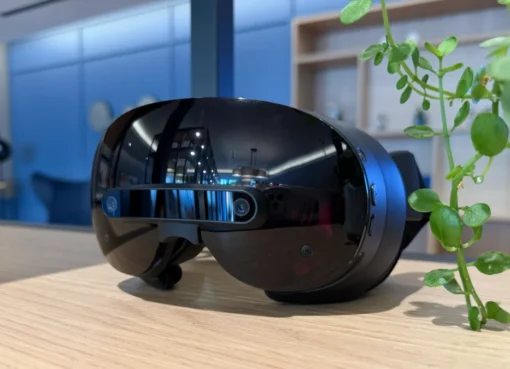
- Target Platforms: Meta Quest 3 and PC VR (SteamVR).
- Setting: The planet Rogax, featuring diverse biomes including abandoned settlements, subterranean mines, toxic swamps, and high-tech urban centers.
- Genre: Narrative-driven First-Person Shooter.
- Developer: Immersmind.
The game aims to utilize the advanced processing power of the Quest 3 to deliver high-fidelity environments that were previously the sole domain of high-end PC VR setups. Players will take on the role of a mercenary or explorer (narrative specifics remain under wraps) tasked with navigating the volatile ecosystems of Rogax while uncovering a central conspiracy or ancient secret.
Chronology: From Placeholder Dates to Imminent Launch
The journey of Discovery: Rogue Planet into the public consciousness has been relatively swift but not without confusion.
Early July: The Storefront Leak
In early July 2024, eagle-eyed VR enthusiasts noticed a new listing on the Meta Horizon Store. At that time, the listing contained several contradictions. Most notably, it cited an "August 2026" release window. In the industry, such distant dates are often used as "placeholders"—temporary data points used when a specific date hasn’t been finalized in the system.
Mid-July: The Official Trailer and Clarification
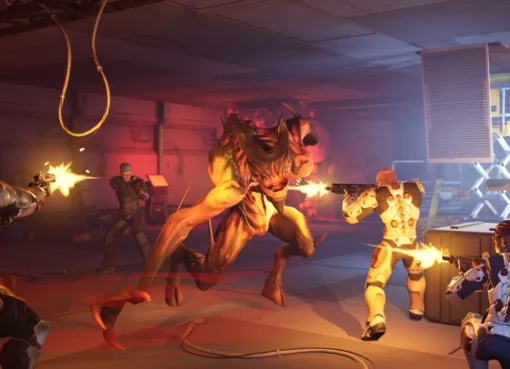
The confusion regarding the 2026 date was resolved when Immersmind released the official gameplay trailer. The footage showcased a variety of combat scenarios, environmental interactions, and a look at the planet Rogax’s distinct aesthetic. Along with the trailer, the developer confirmed the actual release date: August 6, 2024. This move shifted the game from a distant prospect to an imminent blockbuster for the summer season.
Late July: The SteamVR Discrepancy
Following the trailer, a new point of contention arose. While the developer’s official press materials explicitly listed SteamVR as a launch platform alongside the Meta Quest 3, a corresponding Steam store page was notably absent. As of late July, while the game can be wishlisted on the Meta Horizon store, PC-based VR users remain in a state of limbo regarding where and how they will purchase the title.
Supporting Data: The World of Rogax and Gameplay Mechanics
To understand the hype surrounding Discovery: Rogue Planet, one must look at the technical and creative ambitions outlined by Immersmind. The developer is steering away from the "Arena Shooter" trope that has dominated VR for years, opting instead for a "Narrative FPS" structure.
Environmental Diversity
Rogax is designed to be more than just a backdrop for gunfights. The developers have teased a multi-layered world:
- Abandoned Settlements: These areas likely serve as the primary storytelling hubs, where environmental storytelling (notes, recordings, and visual cues) explains what happened to the planet’s previous inhabitants.
- Forgotten Mines: These subterranean levels suggest a focus on verticality and perhaps survival-horror elements, utilizing VR’s strengths in creating claustrophobic atmospheres.
- Swamplands: Showcasing the Quest 3’s ability to handle complex particle effects and organic textures.
- Guarded Cities: These high-density areas will likely host the game’s more intense combat sequences against organized alien or robotic forces.
The "Arena" Paradox
In a curious marketing twist, while the press release emphasizes that the game is not a wave-based shooter, a recent video on the Immersmind YouTube channel showcased a dedicated "Arena Mode."
Data suggests that this is likely a secondary gameplay loop intended to provide longevity after the main campaign is completed. In VR, "Arena" modes allow players to master weapon mechanics without the constraints of narrative pacing. By including both, Immersmind appears to be targeting two distinct demographics: the story-driven player and the high-score-chasing combat enthusiast.
Official Responses and Platform Uncertainty
The discrepancy between the press release and the available storefronts has led to a flurry of inquiries from the VR gaming press.
The SteamVR Question
Journalists have reached out to Immersmind to clarify the status of the SteamVR version. As of this writing, there is no public Steam listing. This has led to several theories within the community:
- Timed Exclusivity: It is possible that Meta has secured a short-term exclusivity window for the Quest 3, though this contradicts the developer’s own press release.
- Technical Delays: Porting a game optimized for the Quest 3’s mobile chipset to the broader hardware configurations of PC VR can sometimes lead to last-minute delays for the latter version.
- Administrative Oversight: Occasionally, Steam’s rigorous vetting process for new store pages can cause delays in visibility, even if the game is ready for launch.
Developer Communication
Immersmind has remained focused on the Quest 3 launch, highlighting the game’s optimization for the Snapdragon XR2 Gen 2 chip. While they have not yet issued a formal statement regarding the Steam listing’s absence, the "August 6" date remains the official target for the Meta ecosystem.
Implications: The Evolution of the VR FPS
The release of Discovery: Rogue Planet carries broader implications for the VR industry as a whole. It represents a growing trend where indie developers are moving away from "tech demos" and toward "full-fat" gaming experiences.
1. The "Quest 3 First" Strategy
The fact that the game is appearing on the Meta Horizon store before Steam highlights the shifting power balance in VR. The Quest 3’s massive install base makes it the primary target for developers. For PC VR enthusiasts, this serves as a reminder that their platform, while technically superior in power, is increasingly becoming a secondary market for independent studios.
2. The Death of the Wave Shooter?
For years, the VR market was saturated with "stationary" shooters where enemies ran toward a fixed player. Discovery: Rogue Planet joins titles like Half-Life: Alyx, Vertigo 2, and Into the Radius in a movement toward "traversal-based" shooters. This requires more complex level design and more sophisticated AI, signaling a maturation of the medium.
3. Narrative as a Hook
By focusing on a "frontier planet" with secrets to unravel, Immersmind is betting that VR players want to be immersed in a world, not just a mechanic. If Rogue Planet succeeds, it could encourage more developers to invest in writers and world-builders, rather than just programmers and asset designers.
4. Technical Benchmarking
As one of the few titles specifically mentioning Quest 3 in its primary marketing (rather than just "Quest"), Discovery: Rogue Planet will likely serve as a technical benchmark. Players will be looking to see how the game handles the dynamic lighting and high-resolution textures promised in the trailer without the aid of a PC.
Conclusion
Discovery: Rogue Planet stands at a crossroads. On one hand, it represents the exciting future of mobile VR—a narrative-heavy, visually impressive journey into a strange new world. On the other hand, the mystery surrounding its SteamVR launch and the initial storefront errors reflect the often-chaotic nature of indie VR development.
When August 6 arrives, the VR community will finally see if Rogax is a world worth discovering. Whether players are navigating its swamps on a Quest 3 or waiting for news on a PC VR port, the game’s launch will undoubtedly be a pivotal moment in this summer’s gaming calendar. For now, the "Quest 3" listing remains the only concrete way to prepare for the descent onto the rogue planet.