
Crossplay Integrity First: Friendly Fire Studios Postpones ‘A Long Survive’ PS VR2 and SteamVR Ports Indefinitely
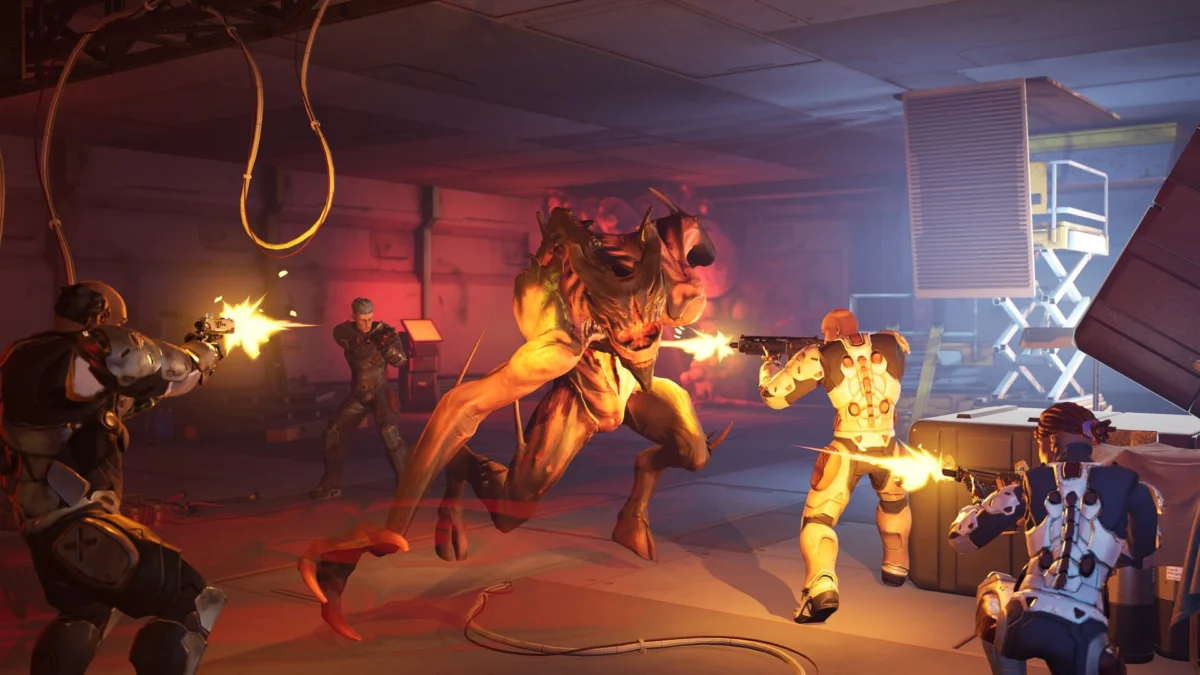
The burgeoning landscape of virtual reality gaming is often defined by its technical hurdles and the ambitious attempts of indie developers to bridge the gap between disparate hardware ecosystems. In a move that underscores the prioritization of player experience over strict release schedules, Friendly Fire Studios has announced a second, indefinite delay for the highly anticipated PlayStation VR2 and SteamVR ports of its cooperative horde shooter, A Long Survive.
This decision, coming less than a month after the initial postponement, highlights a critical challenge in modern VR development: the seamless integration of cross-platform play. While the game remains available on the Meta Quest platform, the expansion into the high-fidelity realms of PCVR and Sony’s flagship headset has hit a significant roadblock regarding the very feature that defines the title’s identity.
I. Main Facts: A Commitment to Functional Connectivity
Friendly Fire Studios confirmed this week that the planned launch of A Long Survive on PS VR2 and SteamVR has been moved from its revised May 14 date to an unspecified future window. The core reason cited for this delay is a critical failure in the crossplay connection protocols discovered during the final stages of quality assurance testing.
The studio has taken an unusually firm stance for an indie developer: they are refusing to release the ports until the cross-platform functionality is flawless. In an era where "launch now, patch later" has become a frustrating industry standard, Friendly Fire Studios is choosing to withhold the product to ensure that the foundational pillar of the game—cooperative play—is intact from day one.
Key takeaways from the announcement include:
- The Issue: Internal testing revealed a "problem affecting the Crossplay connection between platforms."
- The Stance: The developer stated they are "not willing to launch the game without Crossplay working properly."
- The Schedule: There is currently no new release date. The studio intends to fix the issue first and then announce a date with a "short turnaround time" to the actual launch.
- Current Status: The game is currently live and playable on the Meta Quest Store, but the ecosystem remains isolated from the pending PC and console versions.
II. Chronology of a Developing Delay
The journey to bring A Long Survive to a wider VR audience has been fraught with the typical complexities of multi-platform porting, exacerbated by the specific requirements of VR networking.
The Original Launch Window
Initially, Friendly Fire Studios aimed for a late-spring rollout. The PS VR2 and SteamVR versions were scheduled to debut on April 30. At this stage, the community was optimistic, as the Quest version had already established a baseline for the gameplay loop, and the move to more powerful hardware promised enhanced visuals and haptic feedback.
The First Postponement
As the April 30 deadline approached, the studio realized that the transition was not as smooth as anticipated. In mid-April, they announced a two-week delay, pushing the release to May 14. This was initially characterized as a "polishing" phase, a common occurrence in game development meant to iron out minor bugs and optimize performance for the unique requirements of the PS VR2’s Sense controllers and SteamVR’s varied hardware configurations.
The Indefinite Halt
The most recent announcement serves as a pivot from a minor delay to a strategic pause. Following the May 14 target, the team discovered that the crossplay architecture—the system allowing a Quest player to fight alongside a PS VR2 player—was failing to maintain stable connections. Recognizing that a co-op shooter without reliable co-op is a non-starter, the studio opted to remove the release date from the calendar entirely to alleviate the pressure of "crunch" and ensure a permanent fix.
III. Supporting Data: The Technical and Market Context
To understand why this delay is significant, one must look at the technical demands of A Long Survive and the current state of the VR market.
The Mechanics of ‘A Long Survive’
A Long Survive is built on the foundation of the "Horde Shooter" genre, popularized by titles like Left 4 Dead or Killing Floor. In VR, this genre requires high-precision synchronization. Unlike a standard flat-screen shooter, VR networking must account for the spatial positioning of head-tracking and two hand-trackers per player. When crossplay is introduced, the server must reconcile the differing refresh rates and tracking technologies of the Meta Quest (mobile-based) and the PS VR2/SteamVR (tethered/high-performance).
The Importance of the PS VR2 and SteamVR Ecosystems
The Meta Quest currently dominates the VR market share, but the "prosumer" and hardcore gaming audiences are concentrated on SteamVR and PS VR2.
- PS VR2: Offers foveated rendering and advanced haptics that could significantly elevate the immersion of a horror-themed horde shooter.
- SteamVR: Provides access to a diverse range of hardware, from the Valve Index to the Bigscreen Beyond, representing the most dedicated segment of the VR community.
- The Quest Gap: Launching on Quest first is a common strategy for indie devs to secure immediate revenue, but the "definitive" version is often seen as the PC or console port.
The Crossplay Necessity
In the niche world of VR, player counts are a constant concern. If a game’s community is fragmented between platforms, matchmaking times increase, leading to a "dead game" perception. Crossplay is not just a luxury; it is the lifeblood of multiplayer VR. By ensuring Quest, PC, and PS5 players can all inhabit the same lobbies, Friendly Fire Studios is attempting to guarantee the game’s long-term viability.
IV. Official Responses: Integrity Over Expediency
The statement released by Friendly Fire Studios is remarkably transparent, eschewing corporate jargon for a direct explanation of their philosophy. The studio’s leadership emphasized that the core design of the game is inseparable from its social features.
"During our final testing process, we found a problem affecting the Crossplay connection between platforms," the studio stated. "After discussing it internally, we made one thing very clear: we are not willing to launch the game without Crossplay working properly."
This quote highlights a growing trend among indie developers who have seen the reputational damage suffered by larger AAA studios that release broken products. By identifying crossplay as a "main part of the experience" rather than a "secondary feature," Friendly Fire is positioning themselves as a developer that respects the consumer’s investment.
The studio further elaborated on their vision of a "borderless" VR experience:
"A Long Survive was designed around cooperative gameplay, and releasing the game with that experience broken would simply not be right. From the beginning, our goal was always to break the barriers between platforms and let everyone play with their friends, no matter where they are playing."
This commitment to "breaking barriers" suggests that the technical hurdle is likely rooted in the handshake protocols between Sony’s PlayStation Network and the various PC/Meta APIs, a notoriously difficult bridge to build for smaller teams.
V. Implications for the Developer and the VR Industry
The indefinite delay of A Long Survive carries several implications for the studio, the players, and the broader industry.
For Friendly Fire Studios
Financially, a delay is always a risk. For an indie studio, missing release windows can disrupt cash flow and marketing momentum. However, the "short turnaround" strategy they have proposed—announcing the new date only after the fix is verified—is a savvy way to rebuild trust. It prevents the "boy who cried wolf" scenario where multiple firm dates are missed, which can lead to a loss of community interest and "wishlist" deletions.
For the VR Community
The reaction from the community has been largely supportive. VR enthusiasts are generally more tech-savvy and aware of the difficulties inherent in the medium. The consensus among players on forums and social media suggests a preference for a delayed, polished experience over a buggy launch that could lead to negative reviews and a permanent stain on the game’s Steam rating or PlayStation Store visibility.
For the VR Industry at Large
This situation serves as a microcosm of the challenges facing the "VR Metaverse" concept. If a dedicated co-op shooter struggles to link three major platforms, it illustrates how far the industry is from a truly unified digital space.
Furthermore, it puts a spotlight on Sony’s PlayStation VR2 ecosystem. Sony has been criticized for having a "walled garden" approach. While they have become more open to crossplay in recent years, the certification process for PS VR2 titles remains rigorous. Friendly Fire’s struggle might be indicative of the high bar Sony sets for network stability, which, while frustrating for developers, ultimately protects the end-user experience.
Looking Ahead
As the team at Friendly Fire Studios works behind the scenes to resolve the crossplay synchronization issues, A Long Survive remains a title to watch. Its success—or failure—to eventually bridge these platforms will be a litmus test for other indie developers aiming for multi-platform VR releases.
For now, eager survivors on PC and PlayStation will have to wait. The game remains available for wishlisting on the PlayStation Store and Steam, and the Quest version continues to serve as the sole environment for the title. The industry now waits for the "all-clear" signal, which will hopefully herald a new era of seamless, cross-platform monster hunting.




Leave a Comment