Navigating Crisis: The Restructuring of Tactical Assault VR Following Lead Developer’s Departure
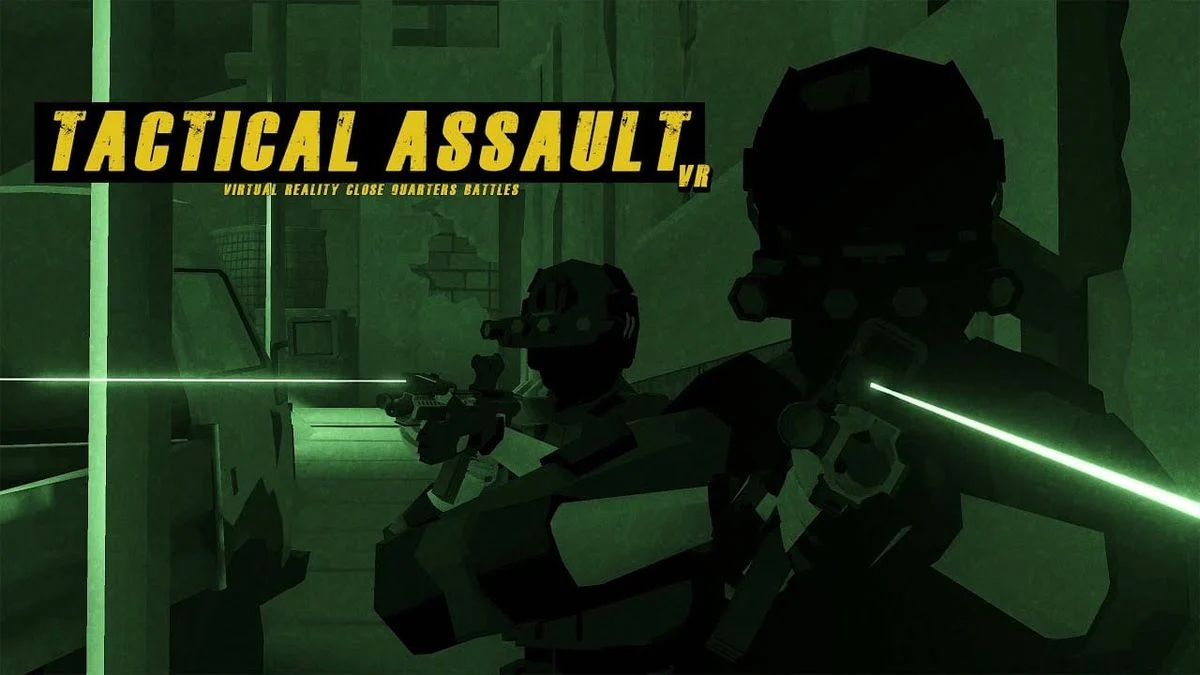
Executive Summary: A Watershed Moment for HammerFire Interactive
The virtual reality gaming community is currently witnessing a significant structural upheaval within HammerFire Interactive, the studio behind the popular military simulation title Tactical Assault VR. Following the public disclosure of lead developer Xerxes "Jarvis" Sangco’s 2020 criminal conviction, the project has entered a state of emergency management. In a series of rapid developments, Sangco has officially stepped down from his leadership role, passing the mantle to existing team members in an attempt to salvage the game’s reputation and future viability. This transition comes on the heels of major industry partners severing ties with the project, leaving the future of the tactical shooter in a precarious position.
1. Main Facts: The Dissolution of Leadership
The core of the current crisis involves the total removal of Xerxes "Jarvis" Sangco from the operational and decision-making facets of Tactical Assault VR. This move was announced via a comprehensive statement on the game’s official Discord server and subsequent updates to its listings on the Steam and Meta Horizon storefronts.
According to the developer known as "Puddle," who has now assumed a leadership role alongside another developer, "Black Canto," the transition is intended to be absolute regarding the game’s creative direction. The primary changes include:
- Resignation of Jarvis: Sangco has officially stepped down from all development, leadership, and decision-making processes.
- Transfer of Community Assets: Ownership of the official Discord server, the primary hub for the game’s community and feedback, has been transferred to Puddle.
- Shift to Self-Publishing: Following the termination of their agreement with 2080 Games, HammerFire Interactive will proceed as an independent entity without a third-party publisher.
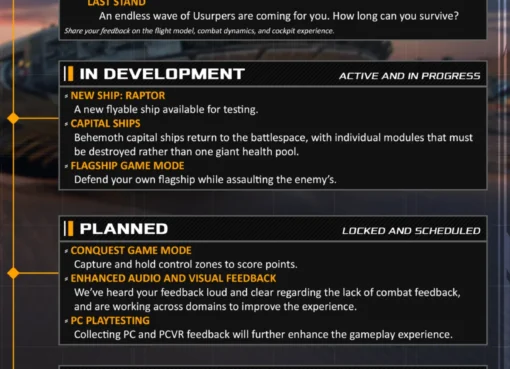
- Operational Delay: A temporary freeze on updates and new DLC has been implemented to facilitate the handover of project assets and technical infrastructure.
While these steps aim to distance the product from Sangco’s personal history, the transition remains complicated by the lack of clarity regarding the legal ownership of the Intellectual Property (IP) and the continued flow of revenue.
2. Chronology: From Disclosure to Restructuring
The timeline of events leading to this restructuring highlights the speed at which community-driven accountability can impact the indie gaming sector.
The 2020 Incident and Subsequent Discovery:
The catalyst for the current situation was the resurfacing of legal documents pertaining to a 2020 arrest and criminal conviction involving Xerxes Sangco. While the specific nature of the conviction was not detailed in the most recent updates to avoid the dissemination of potentially sensitive or triggering content, the severity of the charges was sufficient to trigger immediate repercussions within the industry.
The Domino Effect of Partnerships (Early-to-Mid July 2024):
As news of the conviction spread through VR enthusiast circles and investigative reports, the professional infrastructure surrounding Tactical Assault VR began to collapse.
- 2080 Games: The game’s publisher was the first to take decisive action, terminating their publishing agreement and distancing their brand from HammerFire Interactive.
- Combat Waffle Studios: The developers of the high-profile VR title Ghosts of Tabor also announced the cessation of their working relationship with Sangco. This was a significant blow, as Tactical Assault VR had benefited from the cross-pollination of the "milsim" (military simulation) VR community.
The Community Outrage (Mid-July 2024):
The disclosure led to a polarized but largely negative reaction. Player reviews on Steam and the Meta Quest store shifted downward, with many users citing moral objections to supporting a project led by Sangco. Within the Discord community, the atmosphere became volatile, reportedly involving heated debates and, according to the developers, unacceptable death threats directed at Sangco and his family.
The Restructuring Announcement (Current):
Recognizing that the project was at a "fatal" impasse, the remaining development team members negotiated Sangco’s exit. The official announcement was made to ensure the community that the project would continue under new ethics and leadership.
3. Supporting Data: Market Sentiment and Community Impact
The impact of this controversy is quantifiable through community engagement metrics and platform feedback.
Steam and Meta Storefronts:
Prior to the controversy, Tactical Assault VR enjoyed a "Very Positive" rating on Steam, praised for its low-poly aesthetic combined with high-fidelity tactical mechanics. In the wake of the news, a wave of "Review Bombing"—or in this case, "Accountability Reviewing"—occurred. New reviews frequently mention the developer’s history as the sole reason for the negative rating, regardless of the game’s technical merits.
Discord Demographics:
The official Discord server, which serves as the nerve center for the game’s "Mod" community and tactical squads, has seen a divide. While a segment of the player base remains focused purely on the gameplay, a significant portion of the "hardcore" community has expressed that they cannot in good conscience continue to promote the game if Sangco remains the primary beneficiary.
Developmental Roadblocks:
The restructuring has had a tangible effect on the game’s roadmap:
- Mod Support: Originally a highly anticipated feature, mod support has been officially delayed.
- DLC Strategy: Planned future DLCs are currently on hold. The new leadership intends to focus on expanding existing content rather than releasing new paid modules, likely as a strategy to rebuild goodwill without appearing to "cash in" during a crisis.
4. Official Responses: The Developers’ Stance
The response from the remaining team at HammerFire Interactive has been one of damage control mixed with a plea for the game’s survival.
Puddle’s Statement:
In a candid post, Puddle acknowledged the gravity of the situation: "This project has taken a fatal hit in reputation and confidence. The outrage of the community was fierce and justified." By validating the community’s anger, Puddle attempted to bridge the gap between the developers and the disillusioned players.
The statement emphasized that while Sangco’s actions were "indefensible," the game itself—and the work put in by other contributors—should not be discarded. Puddle’s leadership is being framed as a "creative and directional freedom" move, suggesting that the team may have felt constrained under Sangco’s previous tenure.
Sangco’s Departure Message:
Xerxes Sangco provided a brief "thank you" message to the community, though it notably lacked a detailed apology or explanation regarding the conviction, focusing instead on his exit from the public eye and the cessation of his role in the game’s future.

The Role of Black Canto:
The inclusion of Black Canto in the leadership duo suggests a move toward a more collaborative, "checks-and-balances" style of management, a stark contrast to the solo-developer-centric model that HammerFire Interactive previously operated under.
5. Implications: The Unresolved Question of Ownership
Despite the clear efforts to distance the game from Sangco, a massive legal and ethical question remains: Who owns the money?
The Legal Labyrinth of IP:
In the world of independent game development, "stepping down" from a leadership role does not inherently mean a transfer of equity or ownership. If HammerFire Interactive is a legal entity (such as an LLC) owned solely or primarily by Sangco, he remains the legal recipient of the game’s profits.
Unless the intellectual property rights and the company’s bank accounts are legally transferred to Puddle and Black Canto—a process that involves complex contracts and potentially significant buyouts—every copy of Tactical Assault VR sold still benefits Sangco financially. The Discord announcement confirmed the transfer of "ownership" of the server, but it remained silent on the transfer of the legal title of the game itself.
Ethical Consumerism in VR:
This situation places the VR community in a difficult position. Tactical Assault VR is a unique title in a niche market. For many, it is a favorite hobby. However, the "indefensible" nature of the lead developer’s past has turned the act of playing the game into a political and ethical statement.
The Future of HammerFire Interactive:
The studio now faces an "uphill battle," as described by Puddle. Without a publisher like 2080 Games, the team lacks the marketing budget and the professional "seal of approval" that helps indie games thrive on the Meta Quest store’s competitive landscape. The success of this transition depends entirely on whether the community believes the "new" HammerFire is truly independent of its founder.
Conclusion:
The restructuring of Tactical Assault VR is a landmark case in the VR industry regarding how indie teams handle catastrophic personal scandals. While the removal of Sangco from the daily operations satisfies the immediate demand for his exit, the long-term viability of the game will depend on financial transparency and the ability of Puddle and Black Canto to deliver on their promises of a "new direction." For now, the game remains playable, but it carries a heavy legacy that the new leadership must work tirelessly to overcome.