The Wordle Phenomenon: Analyzing the Evolution, Data, and Future of the World’s Favorite Word Game

By Digital Trends & Games Desk
Updated: August 2, 2026
In the landscape of digital entertainment, few success stories are as improbable—or as enduring—as Wordle. What began as a private gift between a software engineer and his partner has evolved into a global cultural touchstone, reshaping how the world interacts with language, logic, and social media. As of mid-2026, the game remains a cornerstone of the New York Times Games portfolio, continuing to command the attention of millions of players each morning.
This report explores the core mechanics of the game, the data behind the remaining word bank, the editorial shifts following its corporate acquisition, and the broader implications of the "Wordle Effect" on the digital publishing industry.
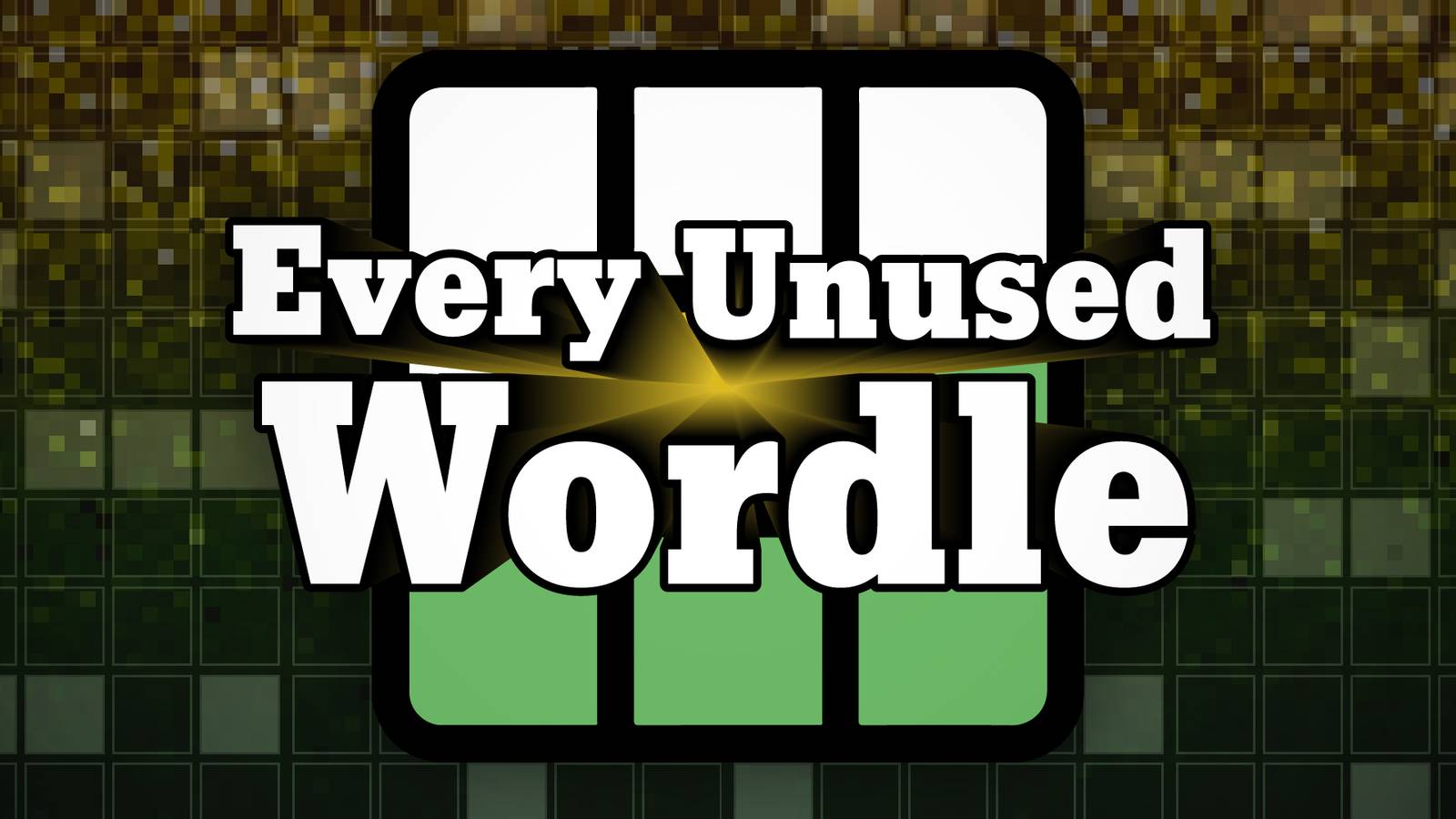
1. Main Facts: The Anatomy of a Global Habit
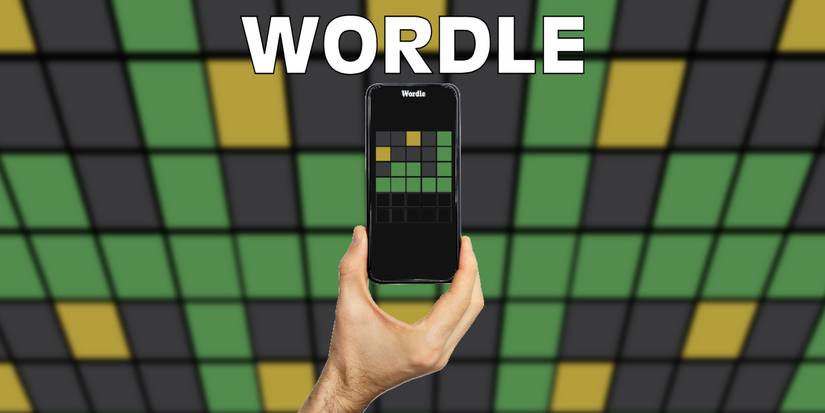
Wordle is a deceptively simple web-based puzzle that tasks players with guessing a five-letter word in six attempts. Its genius lies in its constraints: one word per day, identical for every player worldwide, and a shareable, spoiler-free emoji grid that turned a solitary activity into a competitive social event.
The Initial Repository
When the game was first released to the public in June 2021, its creator, Josh Wardle, curated a list of approximately 2,315 words as potential solutions. This list was culled from the roughly 12,000 five-letter words in the English language, filtered to ensure that the answers were generally recognizable to a broad audience.
The NYT Acquisition
In early 2022, The New York Times (NYT) purchased the game for a sum "in the low seven figures." Since the acquisition, the NYT has integrated Wordle into its proprietary Games app, though it famously maintains a free-to-play version on its website. The acquisition also brought about the first major "editorial cleaning" of the word list, where several words were removed to align with the publication’s standards and to avoid controversy.
2. Chronology: From Brooklyn Apartment to Global Icon
The timeline of Wordle is a study in viral growth and corporate strategy.
- June 2021: Josh Wardle, a Brooklyn-based software engineer previously known for Reddit’s "The Button" and "Place," launches Wordle on a simple website.
- October 2021: The game has roughly 90 daily players.
- December 2021: Wardle adds the "share" function, allowing players to post their results as a grid of yellow and green squares. The game explodes on Twitter (now X).
- January 2022: Player counts reach the millions. The New York Times announces its acquisition of the game.
- February 2022: The NYT begins curating the list, removing words like slave, lynch, and wench to ensure the game remains a "safe space" for all users.
- Late 2022 – 2024: The NYT introduces "WordleBot," an AI-driven tool that analyzes player guesses and provides an efficiency rating, further gamifying the experience.
- 2025 – 2026: Wordle becomes the flagship of a broader "New York Times Games" ecosystem, driving record-breaking subscription numbers for the publication’s non-news products.
3. Supporting Data: The Science of the Word Bank
The technical architecture of Wordle is unique because the entire game logic—including the list of past and future answers—was originally contained within a single JavaScript file downloaded by the user’s browser. This allowed data miners to "look into the future" and identify the remaining solutions.
Remaining Solutions and the 2027 Horizon
At the start of 2023, there were approximately 1,739 unused words in the original script. Given that the game operates on a one-word-per-day cadence, the original repository was projected to run out by October 2027. However, the NYT has since modified the script and editorialized the selection process, meaning they can theoretically extend the game indefinitely by adding new words or cycling through the list.
Letter Distribution and Strategy
Linguistic analysis of the remaining word bank reveals a heavy bias toward certain letters, which has dictated the "meta-game" of starting words.
- Vowels: ‘E’ remains the most frequent vowel in the solution set, followed by ‘A’.
- Consonants: ‘R’, ‘T’, ‘S’, and ‘L’ are the most common consonants.
- The "S" Problem: One of Josh Wardle’s original rules was the exclusion of most plural words ending in "S" (e.g., BOATS or TREES) as solutions, though they are allowed as guesses. This was intended to keep the solutions more "distinctive."
Removed Words
To date, the NYT has removed several words from the original source code. These include:
- Obscure Terms: Agora, Pupal.
- Culturally Sensitive/Offensive Terms: Lynch, Slave, Wench.
- Regional Variations: Fibre (changed to the American spelling Fiber in some iterations).
4. Official Responses: The Editorial Philosophy
The New York Times has been transparent about its role as the "steward" of the game. Everdeen Mason, the Editorial Director for NYT Games, has frequently addressed the challenges of maintaining a game that is both challenging and inclusive.
In an official statement regarding the removal of certain words, the NYT stated:
"We want Wordle to be a place where people can come to relax and challenge their minds. We are constantly reviewing the word list to ensure it remains accessible and avoids terms that are insensitive, offensive, or overly obscure."
Josh Wardle, in interviews following the sale, expressed relief at the transition:
"It has been incredible to watch a game I made for my partner bring so much joy to the world, but I am a person of one. The Times is better equipped to handle the scale and the editorial nuances that come with a global audience."
Linguistic experts have noted that the NYT’s involvement saved the game from "entropy." Without editorial oversight, the game would eventually have hit a string of highly obscure words that might have alienated the casual player base.
5. Implications: The "Wordle Effect" on Media and Education
The success of Wordle has had profound implications for the digital economy and cognitive science.

The Subscription Engine
For the New York Times, Wordle is not just a game; it is a "gateway drug" for subscriptions. By offering the game for free but housing it within an ecosystem that includes The Crossword, Spelling Bee, and Connections, the NYT has successfully converted millions of "gamers" into news subscribers. This "bundle" strategy is now being emulated by other major media outlets like The Guardian and The Washington Post.
Cognitive Health and Education
Educators have praised the game for its ability to build vocabulary and logical reasoning skills. In classrooms, Wordle clones (like Wordle Together) are used to teach deductive reasoning. Furthermore, some studies in geriatric health have suggested that daily word puzzles like Wordle can contribute to maintaining cognitive plasticity in aging populations, though these claims remain a subject of ongoing clinical research.
The "Wordle-Like" Genre
The game spawned an entire genre of "daily puzzles." From Nerdle (math-based) to Worldle (geography-based) and Heardle (music-based), the "one-per-day" mechanic has become a standard in mobile game design. This shift represents a move away from "infinite scroll" mechanics toward a "slow gaming" movement that emphasizes mindfulness and shared experience over time-sink addiction.
6. The Alphabetical Outlook: Analyzing Remaining Possibilities
While the exact order of future words is now shielded by the NYT’s updated servers, the pool of potential five-letter words continues to follow certain linguistic patterns.
The Letter A
Under the "A" category, many remaining words focus on nature and abstract concepts. Words like ABIDE, ADOBE, and AFTRA represent the mix of common and slightly technical terms the NYT favors.
The Letter B
The "B" list is rich with evocative imagery. Solutions like BRINE, BLUFF, and BASHFUL are quintessential Wordle words—common enough to be known, but difficult enough to require strategic narrowing.
The Letter C
This remains one of the most populous categories. The frequency of ‘CH’ and ‘CL’ blends (e.g., CHART, CLACK) makes ‘C’ a high-value target for second or third guesses.
The Letters D through I
These sections of the word bank contain a high concentration of words with repeating letters (e.g., DADDY, EERIE, GOOSE). Data from WordleBot suggests that words with repeating letters are the leading cause of "broken streaks," as players often assume each letter in the five-letter string must be unique.
Conclusion: A Permanent Fixture
As we look toward the 2027 "script expiration" date, it is clear that Wordle is no longer a fleeting trend. It has become a permanent fixture of the digital morning routine, akin to a cup of coffee. By balancing the cold data of a 2,315-word script with the human touch of editorial curation, The New York Times has ensured that the game remains as relevant in 2026 as it was during its viral peak. Whether the game eventually repeats its word list or expands into new linguistic territories, the "green squares" have etched their place in the history of the internet.