The Art and Craft of Series Writing: An Author’s Perspective on Building Worlds and Engaging Readers
By Linda Wilson
Embarking on a writing journey is often a solitary endeavor, a deeply personal exploration of imagination and narrative. Yet, for many authors, the true magic lies in the potential for their creations to transcend a single story, blossoming into expansive worlds that captivate readers across multiple installments. This sentiment is at the heart of Linda Wilson’s ongoing exploration into the craft of writing book series, a topic she has been dissecting in her blog over the past three months. Her current focus, the Abi Wunder Ghost/Mystery trilogy, serves as a practical case study for the principles and challenges inherent in developing a connected narrative arc.
Wilson’s insights, drawn from her own experiences in writing and publishing, offer a valuable resource for aspiring and established authors alike who are contemplating the leap from standalone novels to multi-book sagas. The article delves into the fundamental question of "why" an author might choose to expand a story beyond its initial scope, examining the motivations and benefits that drive such creative decisions. From the enduring appeal of generational sagas like Laura Ingalls Wilder’s "Little House" series to the character-driven growth seen in Nancy Drew mysteries, the power of a well-executed series lies in its ability to offer readers sustained engagement and a continuous sense of discovery.
The Genesis of a Series: Expanding Horizons Beyond the Single Story
The decision to transform a standalone narrative into a series is rarely a casual one. It often stems from a profound connection to the characters, the world they inhabit, or the underlying themes that resonate deeply with the author. Wilson highlights that a story might naturally lend itself to expansion if it possesses elements that invite further exploration. This could manifest in several ways:
- Unfolding Character Arcs: When a protagonist’s journey is rich with potential for growth, change, and the overcoming of new challenges, a series can provide the necessary canvas to fully realize their development. Readers become invested in these characters, eagerly anticipating their next triumphs and tribulations.
- Intriguing World-Building: A meticulously crafted fictional world, whether fantastical or grounded in reality, can be a powerful draw for readers. A series allows authors to progressively reveal the intricacies of this world, introducing new locales, cultures, and societal structures that expand the narrative possibilities.
- Lingering Mysteries and Unanswered Questions: Some stories naturally conclude with threads left intentionally untied, or with plot points that hint at a larger, overarching narrative. A series can then serve to unravel these mysteries, providing satisfying resolutions while simultaneously introducing new enigmas.
- Thematic Resonance: Certain themes, such as the exploration of family dynamics, societal issues, or the human condition, can be explored with greater depth and nuance across multiple narratives. Each book in a series can tackle a different facet of these themes, offering a comprehensive and thought-provoking experience for the reader.
Wilson points to the advice of author Thomas Helm, quoted in Karen S. Wiesner’s "Writing the Fiction Series: The Complete Guide for Novels and Novellas," which suggests that the very dread of an ending is a testament to a good novel’s power, and that expanding into a series is a logical extension of this success. This perspective underscores the symbiotic relationship between author and reader, where a shared desire for continued engagement fuels the creation of serialized narratives.

The Abi Wunder Trilogy: A Case Study in Series Development
Wilson’s own "Abi Wunder Ghost/Mystery trilogy" for young readers aged 7-10 provides a tangible example of these principles in action. The trilogy comprises three books: "Secret in the Stars," "Secret in the Mist," and the work-in-progress, "Secrets of the Heart." This project has allowed Wilson to experiment with the intricacies of interlinked storytelling, focusing on the "connecting threads" that bind the individual narratives into a cohesive whole.
- "Secret in the Stars" and "Secret in the Mist": These two books, already available on Amazon, have laid the groundwork for the trilogy. They have introduced readers to the world of Abi Wunder and established the initial mysteries and character relationships that will be further developed. The success of these initial installments lies in their ability to hook young readers with engaging plots and relatable characters, while subtly weaving in elements that promise future revelations.
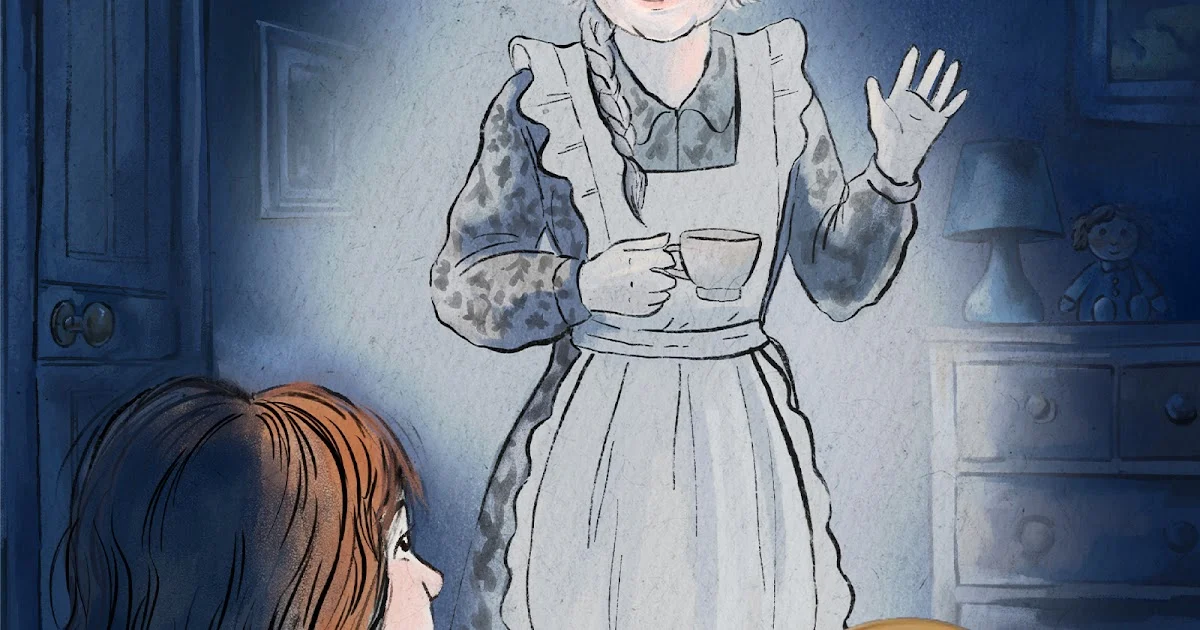
- "Secrets of the Heart": As the concluding book, this installment presents Wilson with the crucial challenge of providing a satisfying resolution to the overarching narrative. This involves not only tying up loose ends from the previous books but also imbuing the series finale with a sense of closure and meaning that resonates with the reader’s journey. The illustration for this book has been completed by Danika Corrall, indicating progress in the production phase.
The deliberate inclusion of "connecting threads" is a hallmark of effective series writing. These threads can take various forms, from recurring characters and locations to thematic motifs or plot devices that reappear across multiple books. Their purpose is to create a sense of continuity and anticipation, encouraging readers to delve into subsequent installments to uncover their full significance. Wilson’s current focus on "giving meaning to these threads" highlights the critical stage of ensuring that these narrative links are not merely superficial but contribute meaningfully to the overall arc and thematic depth of the trilogy.
The Strategic Considerations: Tips for Writing a Successful Series
Beyond the initial inspiration, crafting a compelling book series requires careful planning and a strategic approach to storytelling. Wilson’s blog posts have been dedicated to offering practical advice, and the underlying principles for successful series writing often revolve around maintaining consistency while introducing novelty.
Maintaining Cohesion Across the Series
- Consistent World-Building: If a series is set in a specific world, its rules, geography, and societal structures must remain consistent across all installments. Inconsistencies can break reader immersion and undermine the credibility of the narrative.
- Character Development Arc: While individual books may focus on specific challenges for characters, their overall growth and development should follow a logical and compelling trajectory across the entire series. Readers expect characters to evolve and change as they encounter new experiences.
- Thematic Consistency: Underlying themes that are introduced in the first book should be explored and developed throughout the series. This provides a unifying element that gives the series a deeper meaning and purpose.
- Pacing and Flow: Each book in a series should offer a satisfying reading experience on its own, while also contributing to the larger narrative. The pacing should be engaging, with a clear beginning, middle, and end for each individual story, while also building towards the overarching climax of the series.
Injecting Freshness and Anticipation
- Introducing New Challenges: To keep readers engaged, each new installment should present novel conflicts, mysteries, or adventures that challenge the characters in new ways.
- Expanding the World: While maintaining consistency, authors can also gradually expand the fictional world, introducing new locations, characters, or aspects of the society that offer fresh perspectives and possibilities.
- Raising the Stakes: As a series progresses, the stakes for the characters and the world they inhabit should generally increase. This creates a sense of urgency and importance, compelling readers to continue their journey.
- Teasing Future Developments: Strategic foreshadowing and cliffhangers can be powerful tools for enticing readers to pick up the next book. These elements create anticipation and a desire to uncover what happens next.
Wilson’s approach to her Abi Wunder trilogy exemplifies these considerations. By focusing on "connecting threads," she is actively working to ensure that her series has a cohesive structure. The fact that "Secrets of the Heart" is in its final stages of development suggests a structured approach to concluding the narrative arc, aiming for a satisfying resolution that honors the reader’s investment in the characters and their journey.
The Broader Impact: Why Series Writing Resonates with Readers and Authors
The enduring popularity of book series is a testament to their ability to foster deep reader engagement and provide authors with sustained creative fulfillment. From a reader’s perspective, a series offers:

- Familiarity and Comfort: Readers can return to beloved characters and worlds, finding a sense of comfort and familiarity in each new installment. This allows for a deeper emotional connection to the narrative.
- Extended Immersion: Series provide an opportunity for readers to become fully immersed in a fictional world, exploring its nuances and complexities over an extended period.
- Anticipation and Excitement: The prospect of a new book in a beloved series generates excitement and anticipation, creating a dedicated readership.
- Sense of Accomplishment: Completing a series can provide readers with a sense of accomplishment, having journeyed alongside the characters through their entire saga.
For authors, the benefits of writing series can be equally significant:
- Sustained Creative Output: A series can provide a framework for ongoing creative work, allowing authors to continue exploring characters and worlds they are passionate about.
- Building a Loyal Readership: Successful series tend to cultivate a loyal and dedicated readership, providing a consistent audience for future works.
- Deeper Exploration of Themes and Characters: The multi-book format allows for a more in-depth exploration of complex themes and character development than might be possible in a single novel.
- Potential for Longevity: Many iconic literary series have achieved lasting cultural significance, with characters and stories that continue to be discovered and cherished by new generations of readers.
Wilson’s own published works, including the Spanish translations of "Tall Boots" and "Cradle in the Wild," alongside her upcoming bilingual picture book "The Pur-r-rfect Costume" and middle-grade novel "A Home Run Friendship," demonstrate a prolific output and a commitment to engaging with diverse audiences. The inclusion of award-winning titles and translations further highlights her dedication to the craft of storytelling and its reach.
The Future of Series Writing: Evolution and Adaptation
The landscape of book series is constantly evolving. The rise of digital publishing, the growing popularity of serialized fiction platforms, and the increasing demand for diverse storytelling have all contributed to new avenues for series creation and consumption. Authors like Linda Wilson are navigating this dynamic environment, leveraging their experiences to inform and inspire others.
As Wilson prepares to discuss "Tips on How to Start a Series" in the next installment of her blog series, the anticipation builds for further insights into the foundational elements of successful serialized narratives. The journey of creating a book series is a marathon, not a sprint, requiring patience, dedication, and a profound understanding of what makes stories endure and captivate. Through her work and her willingness to share her expertise, Linda Wilson is contributing valuable knowledge to the ongoing conversation about the art and craft of building worlds that readers will continue to explore, one chapter at a time.