The Tactile Renaissance: How Anaïs Odoux Transformed Collage from a Personal Escape into a Commercial Signature
In an era increasingly dominated by algorithmic precision and artificial intelligence, the design world is witnessing a quiet but powerful counter-revolution: the return to the physical. Leading this charge is French designer and illustrator Anaïs Odoux, whose transition from traditional graphic design to high-concept paper collage offers a profound case study in how personal experimentation can redefine a professional career. What began as a self-initiated project—a "breath of fresh air" away from the constraints of client briefs—has evolved into a defining aesthetic that bridges the gap between fine art and commercial utility.
Main Facts: The Intersection of Analogue Craft and Modern Branding
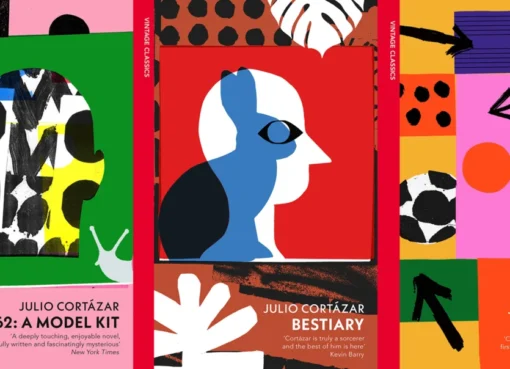
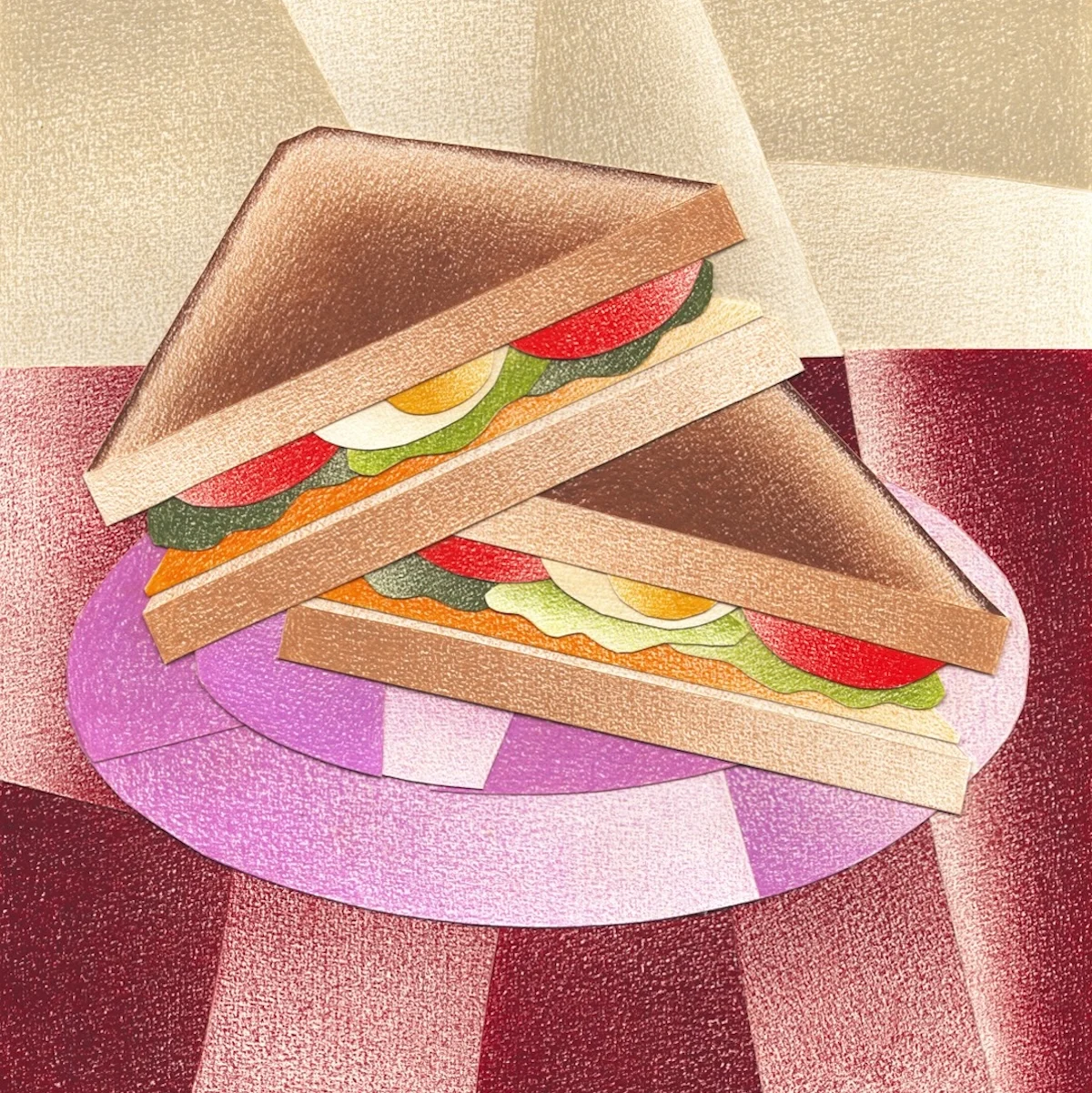
Anaïs Odoux, a French-born creative, has garnered significant attention in the international design community for her distinctive approach to illustration. Her work is characterized by hand-cut paper forms, the deliberate texture of colored pencils, and bold, minimalist compositions that prioritize "feeling" over digital perfection.
The core of Odoux’s current practice is rooted in a fundamental shift: moving from the screen to the studio table. While her background in graphic design provided a foundation in layout and visual hierarchy, her collage work introduces a tactile depth that digital tools often struggle to replicate. This "analogue" movement is not merely a stylistic choice; it is a strategic positioning that responds to a growing market demand for authenticity and human-centric design.
Today, Odoux’s collages are no longer just "side projects." They are sought after by commercial clients who wish to imbue their brands with a sense of craftsmanship and organic warmth. By integrating her personal experiments into her professional portfolio, Odoux has demonstrated that the boundaries between an artist’s private exploration and their commercial output are more fluid—and more profitable—than ever before.
Chronology: From Digital Constraints to Creative Liberation
The evolution of Odoux’s career can be mapped through three distinct phases: the digital foundation, the "analogue" pivot, and the current synthesis of the two.
The Foundation in Graphic Design
Like many contemporary illustrators, Odoux began her career in the structured world of graphic design. This period was marked by the mastery of industry-standard software and the navigation of traditional client relationships. While successful, this phase often involved working within the rigid parameters of corporate identities and pre-defined visual languages. The "periphery" of her professional life was where her first experiments in collage began—a necessary outlet for ideas that didn’t fit into a standard PDF brief.
The Collage Breakthrough
The turning point occurred when Odoux began to treat her paper-cutting and pencil-texturing not as a hobby, but as a rigorous discipline. She started sharing these personal works, which featured vibrant color palettes and a playful sense of geometry. The response was immediate. The design community, perhaps suffering from "digital fatigue," gravitated toward the visible imperfections of her work—the slight unevenness of a hand-cut edge and the grain of the pencil on paper.
The Commercial Integration
As her personal portfolio grew, clients began to approach her specifically for the "Odoux look." This transitioned her practice into its current state: a hybrid model where her self-initiated projects serve as a laboratory for the techniques she later applies to major commercial commissions. As she told Creative Review (CR), these projects are essential for maintaining her creative health, stating, "I always try to feel as free as I can and have fun with it. It’s a breath of fresh air."
Supporting Data: The Rise of "Slow Design" and the Value of Imperfection
The success of Odoux’s work is supported by broader industry trends that favor "Slow Design" and tactile media. According to recent design industry reports, there has been a 15% increase in the use of hand-drawn or analogue elements in premium branding over the last three years. This shift is driven by a psychological need for "haptic" engagement in an increasingly virtual world.
The Psychology of Texture
Research into consumer behavior suggests that visual textures—like the ones found in Odoux’s colored pencil work—trigger a sensory response that digital gradients do not. When a viewer sees the grain of the paper or the layering of cutouts, the brain perceives a "human hand" behind the work. This perception builds trust and emotional resonance, making it a powerful tool for brands looking to differentiate themselves from the sterile perfection of AI-generated imagery.

The Economic Value of a Signature Style
In a saturated freelance market, the ability to offer a unique, non-replicable technique is a significant competitive advantage. Data from creative recruitment platforms indicate that illustrators with a "signature analogue style" can command higher fees for editorial and advertising work because their output is seen as a bespoke art piece rather than a commodity service. Odoux’s career trajectory validates this, showing that personal work acts as the ultimate R&D (Research and Development) for a creative business.
Official Responses and Creative Philosophy: The Artist’s Perspective
In various reflections on her process, Odoux emphasizes that the beauty of her work lies in the process as much as the product. Her approach is a rejection of the "undo" button culture that dominates digital design.
Embracing the Analogue Workflow
For Odoux, the choice of materials is the first step in the creative narrative. She selects papers for their weight and color-holding properties, and her use of colored pencils allows for a layering of hue that creates a vibrating, energetic surface.
"Rather than treating personal work as separate from commercial work, Odoux sees it as an essential part of her creative process," the reports note. This philosophy suggests that the "pressure of a brief" can often stifle the very innovation that clients are looking for. By maintaining a space where she can experiment without the fear of failure, she arrives at solutions that are more daring and original than those born from a standard brainstorming session.
The Role of Play
A recurring theme in Odoux’s commentary is the concept of "fun." In a professional landscape often defined by burnout and tight deadlines, her insistence on "feeling free" is a radical act. This sense of play is visible in her compositions—figures and shapes interact in ways that feel spontaneous rather than calculated. This spontaneity is what makes her work feel "fresh," providing a visual relief to audiences accustomed to the hyper-optimized layouts of modern web and print design.
Implications: The Future of the "Multi-Hyphenate" Creative
The story of Anaïs Odoux has broader implications for the future of the creative industries. Her success signals a move away from hyper-specialization and toward a "multi-hyphenate" model where the artist, the designer, and the craftsperson coexist.
1. The Blurring of Fine Art and Commercial Design
Odoux’s work suggests that the wall between "high art" (galleries, personal expression) and "commercial art" (advertising, branding) is crumbling. Clients are no longer just looking for someone to execute an idea; they are looking for an artist to bring a specific vision to their project. This empowers creators to lead with their personal aesthetic rather than bending to fit a generic mold.
2. A Buffer Against AI Displacement
As generative AI becomes more capable of producing polished digital illustrations, the value of physical, analogue work is likely to skyrocket. The "un-copyable" nature of a hand-cut collage—where the physical depth and the specific interaction of light on paper are part of the piece—provides a level of authenticity that AI cannot currently replicate. Odoux’s career path offers a blueprint for how creatives can "future-proof" their careers by leaning into their humanity.
3. The Importance of Self-Initiated Work
Finally, Odoux’s evolution underscores the necessity of the "side project." In an industry that often prioritizes billable hours, her story is a reminder that the time spent "playing" with paper and scissors is not wasted. It is the soil from which professional growth springs. For the next generation of designers, the lesson is clear: your most important client might just be yourself.
Conclusion
Anaïs Odoux has successfully navigated the transition from a traditional designer to a trailblazing illustrator by embracing the very things the digital world often leaves behind: texture, imperfection, and the joy of the physical. Her colorful paper collages are more than just beautiful images; they are a testament to the enduring power of analogue techniques in a digital age. By turning her "breath of fresh air" into a professional gale, she has carved out a unique space in the design landscape, proving that the most successful career paths are often those cut by hand.