Redefining the Narrative: The Launch of the Inaugural Jewish Culture Month and its Modern Visual Identity
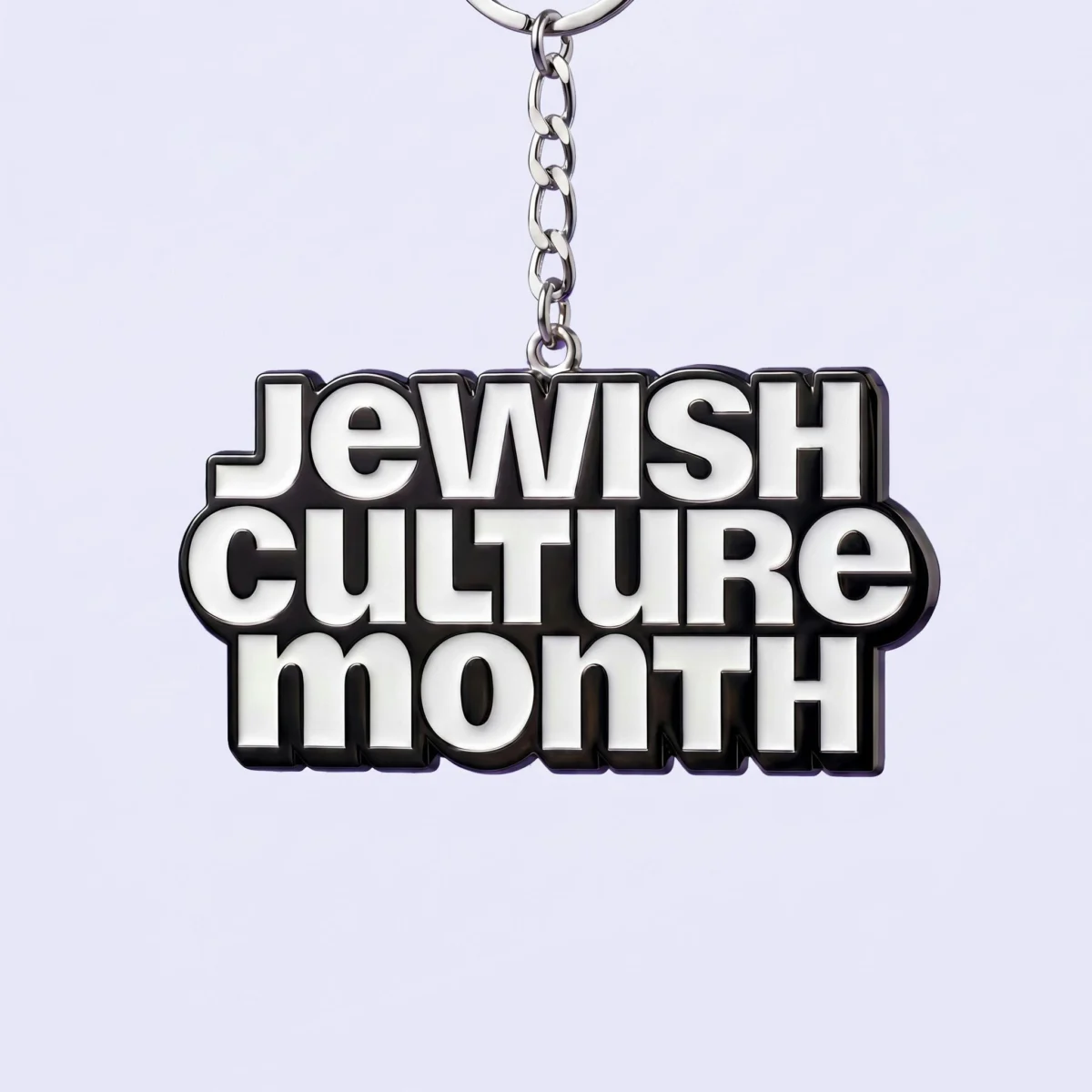
In a landmark moment for British cultural heritage, the United Kingdom has witnessed the launch of its first-ever Jewish Culture Month. Running throughout June and July, the festival represents a monumental shift in how the Jewish experience is presented and celebrated in the public sphere. Billed by organizers as a “cultural coming together on a scale and depth not seen before,” the initiative seeks to transcend traditional boundaries, inviting both the Jewish community and the wider British public to engage with a heritage that is as diverse as it is influential.
Under the spirited and provocative tagline “Less Oy, More Joy,” the festival aims to pivot away from narratives defined solely by historical trauma or religious insularity. Instead, it places a vibrant spotlight on the contemporary, the creative, and the often-overlooked contributions of Jewish individuals to the fabric of modern Britain. Central to this mission is a sophisticated new visual identity crafted by the London-based creative studio Village Green, which has successfully translated the festival’s ethos of "nuanced, thoughtful, and decidedly modern" expression into a cohesive brand.
The Genesis of a Cultural Landmark: A Chronology of Collaboration
The establishment of Jewish Culture Month did not occur in a vacuum. It follows in the successful footsteps of other heritage-focused initiatives, such as Black History Month and South Asian Heritage Month, which have become staples of the UK’s cultural calendar. The project was spearheaded by the Board of Deputies of British Jews, the representative body of the British Jewish community, which recognized a need for a dedicated platform to showcase the richness of Jewish life.
From Concept to Execution
The timeline for the festival’s realization was ambitious. Recognizing that a project of this scale required significant institutional backing, the Board of Deputies secured partnerships with some of the UK’s most prestigious cultural entities, including the Tate, the Victoria and Albert Museum (V&A), and the BBC. These collaborations ensured that the festival would have the reach and the gravity necessary to make a lasting impact.
Once the organizational framework was in place, the focus shifted to the festival’s "face." In early 2024, the Board reached out to Village Green with a specific and challenging brief: create an identity that felt fresh, avoided clichés, and resonated with a contemporary audience. The festival was officially launched this month, marking the beginning of a two-month-long celebration across the nation.

The Visual Identity: Breaking the Mold of Tradition
When Village Green was commissioned to design the identity for Jewish Culture Month, the studio was tasked with navigating a complex set of expectations. Jewish identity in the media is often portrayed through a narrow lens—frequently involving somber historical contexts or religious tropes that do not always reflect the lived reality of the modern community.
Avoiding the "Visual Trope"
Seb Marling, Project Director at Village Green, emphasized that the design team intentionally steered clear of familiar symbols. There are no heavy-handed religious icons or sepia-toned historical references. Instead, the identity focuses on "openness, levity, and contemporary cultural awareness."
The design strategy was built on three pillars:
- Confidence: Using bold, modern typography to signal a community that is proud and visible.
- Nuance: Utilizing a color palette and layout that suggests a multi-layered identity.
- Joy: Aligning the visuals with the "More Joy" aspect of the festival’s tagline.
Typography as an Anchor
At the heart of the identity is a bespoke wordmark. The letterforms are an extruded sans serif, a choice that gives the logo a three-dimensional quality, literally "lifting" the identity off the page or screen. This architectural approach to typography suggests stability and presence. By using a custom typeface, Village Green ensured that the festival has a unique "voice" that cannot be easily replicated or confused with other cultural events.
A Palette of Vibrancy
The color scheme is a radical departure from the blues and whites traditionally associated with Jewish institutional branding. Village Green introduced a soft shade of yellow as the primary background, contrasted with "pops" of bright orange and green. This palette was chosen to feel "decidedly modern" and to inject a sense of energy into the festival’s Out-of-Home (OOH) advertising, social media presence, and digital platforms.

Supporting Data: A Festival of Scale and Diversity
The sheer volume of programming for Jewish Culture Month underscores the depth of the community’s contribution to the UK. With over 100 events scheduled across the country, the festival covers a vast spectrum of human endeavor.
The Programmatic Pillars
The festival’s offerings are categorized into several key areas, ensuring there is an entry point for every interest:
- Film and Media: Showcasing Jewish directors, actors, and stories that move beyond the Holocaust to explore contemporary life, comedy, and drama.
- The Arts: Collaborations with the Tate and V&A to highlight Jewish painters, sculptors, and designers who have shaped British aesthetics.
- Food: Exploring the culinary heritage of the Jewish diaspora, from Ashkenazi comfort foods to Sephardic and Mizrahi flavors.
- Music and Fashion: Celebrating the Jewish entrepreneurs and creatives who built the British high street and the musicians who have influenced the global stage.
- Faith and Philosophy: Providing a space for thoughtful discourse on Jewish ethics and spirituality in the 21st century.
Geographic Reach
Unlike many cultural festivals that remain centered in London, Jewish Culture Month has made a concerted effort to include regional hubs. Events have been organized in Manchester, Leeds, Glasgow, and Birmingham, reflecting the true geographic diversity of the British Jewish population.
Official Responses: Insights from the Creators
The success of the festival’s launch has been attributed to the synergistic relationship between the commissioners and the creative team.
Liat Rosenthal, the Festival Commissioner, spoke highly of the partnership with Village Green, noting that the studio’s "instinctive understanding of the brief" was crucial, particularly given the short timeline for development. "They brought a clear point of view to the identity, creating something contemporary, idiosyncratic, and full of character," Rosenthal stated. "The design keeps the focus on cultural heritage, but does so with warmth, openness, and joy rather than anything heavy-handed."

For Village Green, the project was an opportunity to demonstrate how design can be a tool for social change. By changing the "look" of a community in the public eye, they help change the conversation around that community. Seb Marling noted that the goal was to "place the spotlight on individual stories, lived experience, and creative expression," effectively humanizing the data and the history.
Implications: Cultural Resilience in a Tense Climate
The timing of Jewish Culture Month is significant. It arrives during a period of heightened political and social discourse that has profoundly affected the Jewish community both in the UK and internationally. In this context, the festival serves a dual purpose: it is a celebration for the community and an educational bridge for society at large.
A Statement of Belonging
By modeling the festival after Black History Month, the Board of Deputies is making a clear statement about the Jewish community’s place in the British multicultural mosaic. It asserts that Jewishness is not just a religion or a history of persecution, but a living, breathing culture that is integral to British identity.
The Power of "Joy" as Resistance
The choice of the tagline "Less Oy, More Joy" is a masterstroke of cultural positioning. "Oy" (from Oy Vey) carries the weight of lamentation and struggle. By intentionally prioritizing "Joy," the festival organizers are practicing a form of cultural resilience. They are refusing to let the community be defined solely by its challenges or by the prejudices of others.
Long-Term Impact
As the festival concludes its first year in late July, the implications for the future are clear. The success of the branding and the high level of engagement suggest that Jewish Culture Month will become a permanent fixture of the UK’s annual cultural cycle. It sets a new standard for how minority communities can utilize high-end design and strategic partnerships to reclaim their narratives.
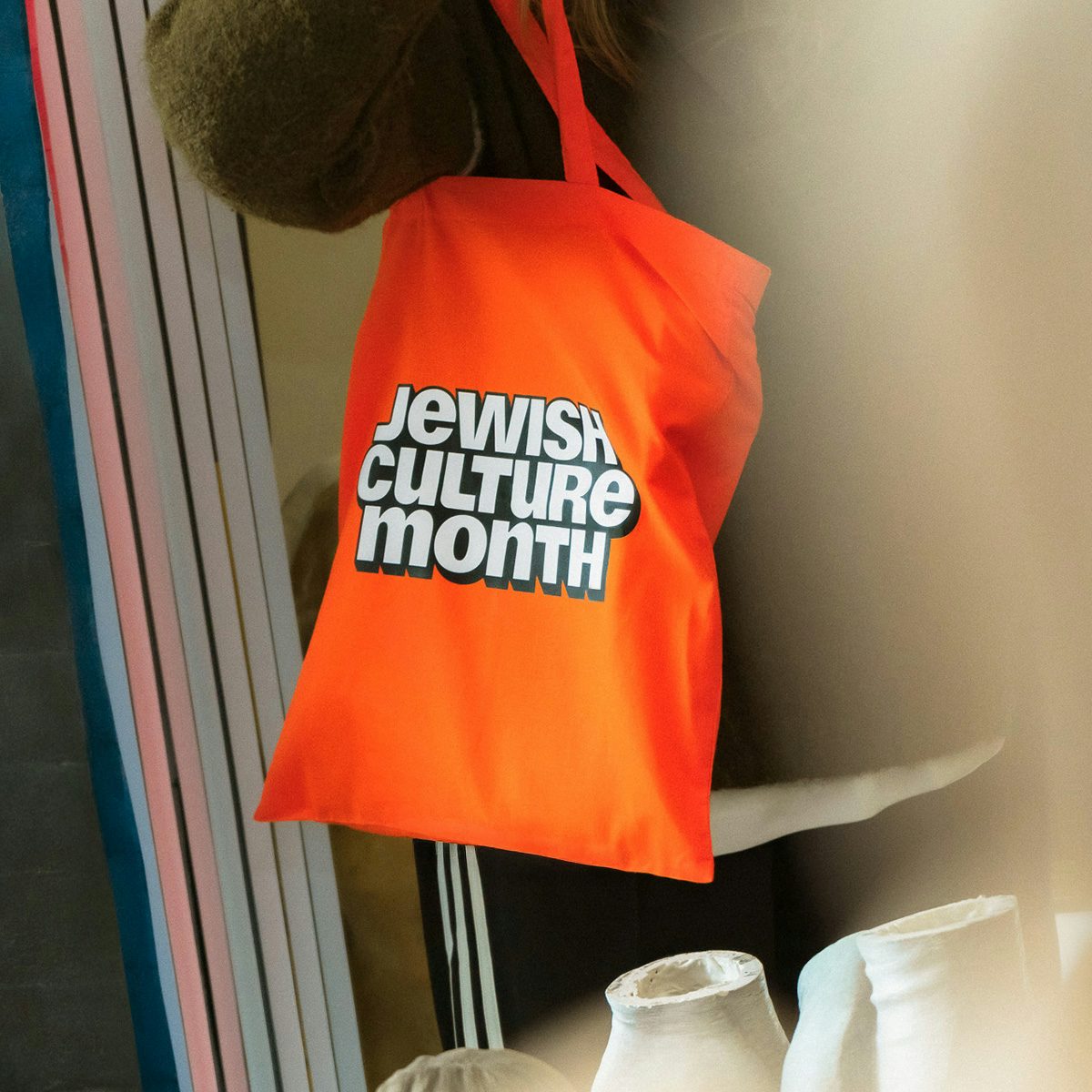
The work of Village Green has provided a visual framework that is flexible enough to grow in the coming years. By creating an identity that is "nuanced, thoughtful, and decidedly modern," they have ensured that Jewish Culture Month is not just a look back at the past, but a confident step into the future of British multiculturalism.