Trickcal: Chibi Go – A Whimsical Mobile Odyssey Unveiled
Main Facts
In the bustling and often overwhelming landscape of mobile gaming, discerning genuine gems from ephemeral distractions can be a significant challenge. However, a distinctive title has recently captivated a global audience, emerging from the digital ether with a peculiar charm and an unexpectedly profound narrative. Trickcal: Chibi Go, developed by Epid Games and published by Bili Bili for Android and iOS platforms, has rapidly garnered attention, particularly following the viral proliferation of its unofficial mascot, a quirky creature affectionately known as "Speaki."
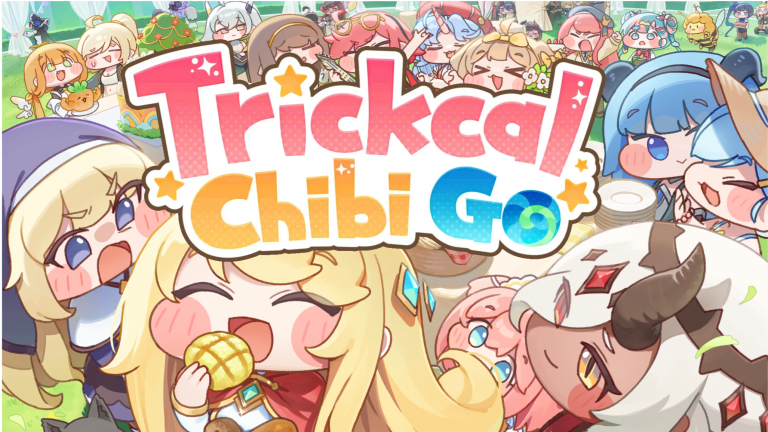
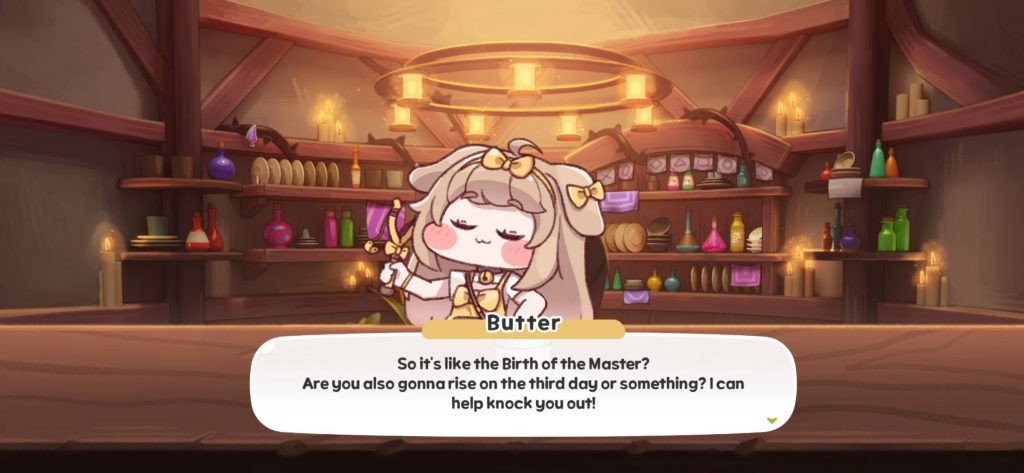
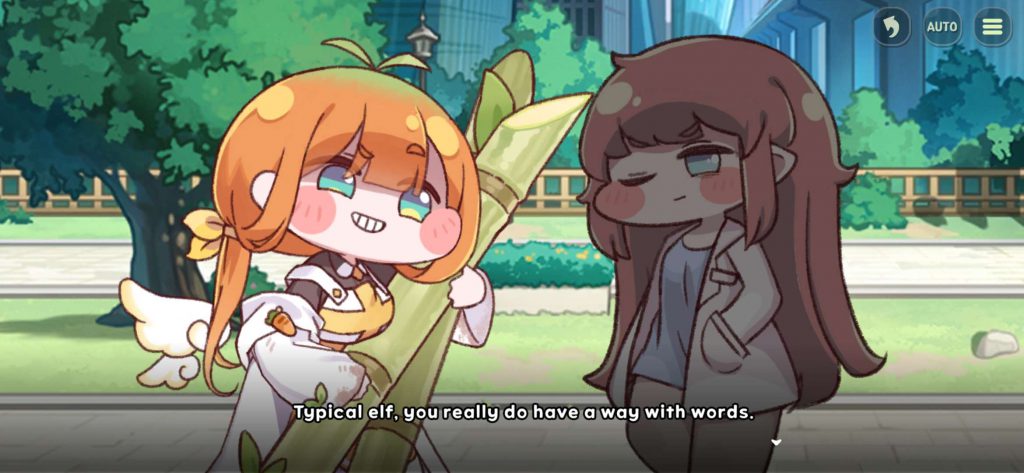
This auto-battler and gacha-mechanic hybrid transcends typical mobile game tropes, offering players a vibrant, often hilarious, yet surprisingly thoughtful journey. At its core, Trickcal: Chibi Go invites players to assume the role of "The Master" (known as Gyoshu in Korean), a seemingly ordinary human from Earth who finds themselves inexplicably transported to the fantastical world of Elias. Unlike many protagonists in fantasy settings, Gyoshu possesses no inherent magical powers or superhuman abilities; their arsenal consists primarily of human ingenuity, an unusual physical stature relative to Elias’s inhabitants, and a firearm – a stark contrast that immediately sets a whimsical, yet intriguing, tone. The game distinguishes itself with its endearing chibi character designs, interactive mechanics such as the ability to "pinch" characters’ cheeks even during cutscenes, and a sophisticated auto-battler system that empowers strategic player input while streamlining routine engagements. Yet, its most compelling feature, and arguably the bedrock of its growing appeal, lies in its meticulously crafted world-building and character development, which provide a depth rarely found in the mobile gaming sphere.
Chronology: From Webnovel to Mobile Phenomenon

The journey of Trickcal: Chibi Go to its current iteration is a testament to persistent creative vision, tracing its origins back through various forms. The overarching universe first took shape as a webnovel titled "The Trickcal," laying the groundwork for its distinctive lore and character archetypes. This was followed by an earlier game adaptation, also simply named "Trickcal," which unfortunately saw an early cessation of service. Trickcal: Chibi Go thus represents the third and most successful endeavor to bring this imaginative concept to life, a history of iterative development that is palpable in the game’s rich narrative tapestry and fully realized cast.
Players are immediately plunged into the eccentricities of Elias, a world populated by diverse races including Sprites, Witches, Werebeasts, Phantoms, Dragons, Elementals, and Elves. The initial narrative unfolds amidst a burgeoning rebellion by the Sprite kingdom against the comically gluttonous and somewhat dim-witted Queen Erpin, whose reign is guided by her long-suffering advisor, Ner, the leader of the Church of Yggdrasil. The game’s prologue quickly establishes its unique brand of humor, veering into discussions about multi-level marketing schemes and the existential fate of squashed insects—debating whether they ascend to the "Weekend Ranch" or the "Weekend Farm." This early narrative quirk, which amusingly implies Elias’s lack of a conventional concept of death, often elicits immediate engagement, drawing players into its peculiar charm.
As the story progresses, the whimsical façade begins to reveal layers of underlying mystery and peril. The venerable Yggdrasil, central to Elias’s existence, is depicted as ailing, potentially dying, or even already deceased. Numerous threats loom over the relative peace of Elias, and Gyoshu, the displaced Earthling, finds themselves inextricably drawn into the heart of these unfolding events. The narrative structure is designed to offer not merely horizontal expansion through endless updates, but crucial vertical depth, where characters evolve, their actions bear lasting consequences on the story, and their existence is not summarily forgotten with the introduction of new faces. This approach fosters a sense of an evolving, living world that actively responds to the player’s presence, rather than a static backdrop for a power fantasy.
A compelling aspect of Trickcal: Chibi Go‘s narrative design is its strategic use of foreshadowing and the integration of minor details that become significant as the plot thickens. This encourages players to remain attentive, enhancing the immersion in Elias as an actual, dynamic world. A prime example is the enigmatic "Eldynes," a group of seven sisters whose separation by an unknown event forms a poignant subplot. Their gradual reunions throughout the story are fraught with flavor and strife, underscoring that familial bonds do not guarantee immediate reconciliation or even recognition. These interactions often deliver compelling, at times heart-wrenching, drama that belies the game’s ostensibly silly surface, demonstrating a sophisticated narrative balance.
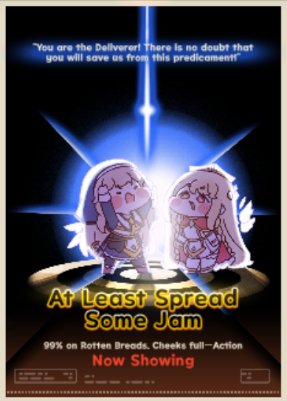
Furthermore, the game’s global release strategy, with the international version trailing behind its Korean counterpart, inadvertently provides a unique chronological advantage. Players in the global audience often receive tantalizing glimpses into future content, character developments, and story arcs. This foresight, rather than spoiling the experience, frequently generates palpable excitement within the community, with reports from Korean players consistently suggesting that "the best is yet to come." This stands in contrast to other games with similar release gaps, where future content is often met with trepidation or criticism, highlighting Trickcal: Chibi Go‘s consistent quality and engaging narrative progression.
Supporting Data: Mechanics, Lore, and Whimsical Details

Trickcal: Chibi Go is a rich tapestry of interwoven mechanics, intricate lore, and delightful aesthetic choices that collectively contribute to its distinct identity.
Gameplay Mechanics: Strategic Auto-Battling
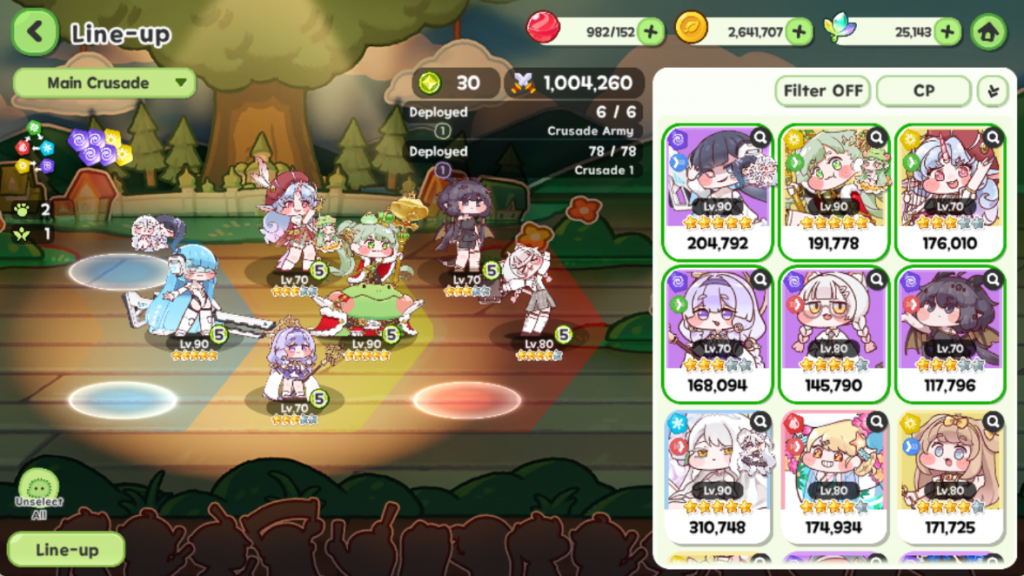
At its operational core, Trickcal: Chibi Go functions as an auto-battler, a genre often mischaracterized as simplistic. While characters autonomously engage in combat, players retain significant strategic agency. Pre-battle, players meticulously assemble their teams, considering character synergies and elemental affinities. During combat, the "Master" intervenes by activating crucial skills and abilities, and making tactical decisions regarding mid-battle upgrades and developments. This hybrid approach ensures that while the game is accessible for casual engagement, it also rewards thoughtful planning and real-time tactical adjustments, distinguishing it from purely passive auto-play experiences.
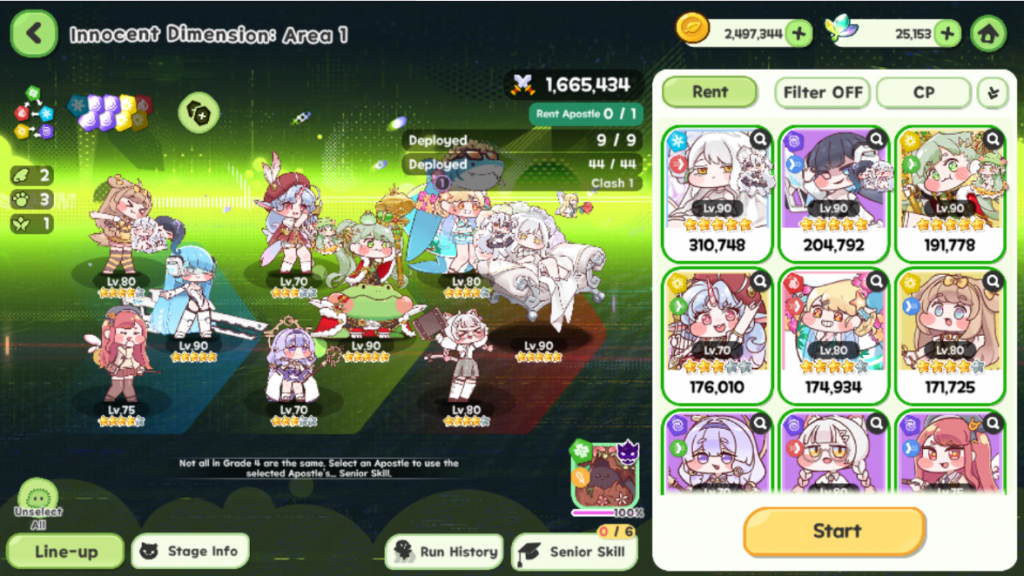
Team composition is a cornerstone of strategic depth. Players typically deploy teams of six characters, though certain challenging modes, such as end-game boss raids, expand this to nine. A central mechanic revolves around "Emotions," color-coded affinities that include Purple (Depressed), Yellow (Vivacious), Innocent (Green), Composed (Blue), and Madness (Red). These classifications add a layer of thematic flavor, often humorously incongruous with individual character personalities. Significant combat bonuses are conferred by assembling characters of the same Emotion in pairs: two characters grant a 6% increase, four yield 28%, and a full team of six provides a substantial 66% boost to both HP and Damage. While mixed teams are viable, especially in complex raid scenarios, focusing on a single Emotion often provides the most potent buffs for progression. For new players, a "Depressed" Emotion team, particularly if anchored by the powerful character Yomi, is frequently recommended for its efficacy in overcoming early challenges.
Gacha System: Player-Friendly Monetization
As a gacha game, Trickcal: Chibi Go incorporates randomized acquisition of characters (Apostles) and equipment (cards/runes) through banners. However, its implementation of this monetization model is notably generous, setting it apart from many contemporaries. The game features a robust "pity" system: after 200 pulls on an Apostle banner (150 for cards), players are guaranteed to obtain the featured Apostle. A slightly higher threshold of 300 pulls applies to the more powerful "Eldyne" characters. Crucially, this pity counter carries over between banners, mitigating the pressure for immediate, heavy spending and allowing players to save resources for desired characters. While the raw banner rates can be challenging, the forgiving pity system significantly balances the investment required.
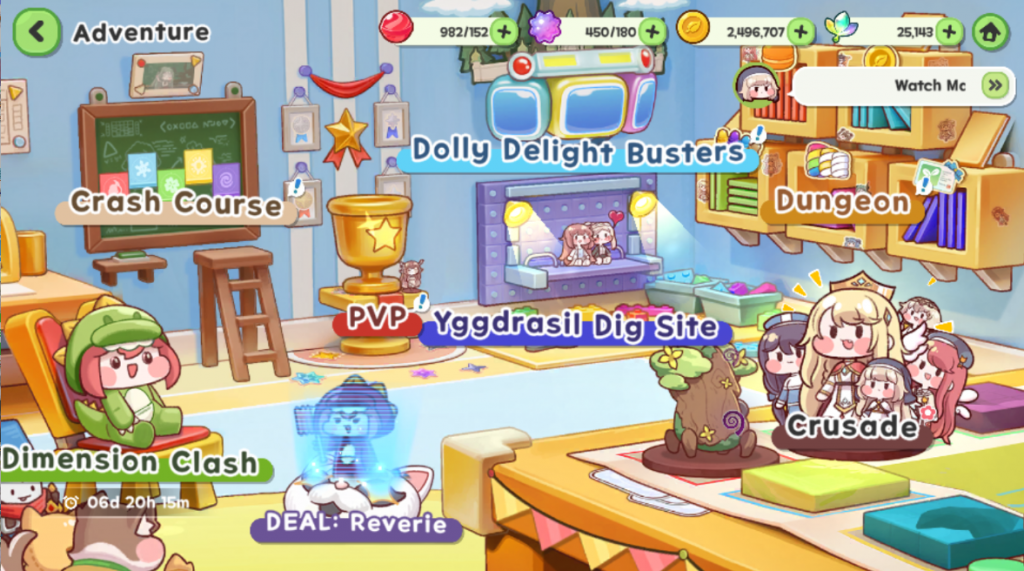
Furthermore, Trickcal: Chibi Go is widely recognized as one of the most Free-to-Play (F2P) friendly titles in its genre. Developers liberally distribute free 3-star character items, and many characters can be acquired through dedicated in-game dungeons, reducing reliance on gacha pulls. The game largely avoids the common pitfall of requiring numerous duplicate character copies for optimal performance, meaning that casual players are not significantly disadvantaged against "whales" who invest heavily. Epid Games’ CEO has openly expressed a desire for players to primarily enjoy the world of Trickcal, a philosophy evident in the game’s design, where even finding compelling reasons to spend money beyond optional cosmetic skins can be challenging.
World-Building and Narrative Depth
The world of Elias is meticulously detailed, populated by a diverse array of races, each with unique characteristics and often humorous backstories. The Elves, for instance, are depicted as having a collective trauma related to Earth and even Santa Claus, adding an unexpected layer of comedic lore. Gyoshu, the player character, despite lacking overt powers, impacts Elias through their unique perspective as an Earthling, wielding human reasoning and a modern firearm in a fantastical setting.
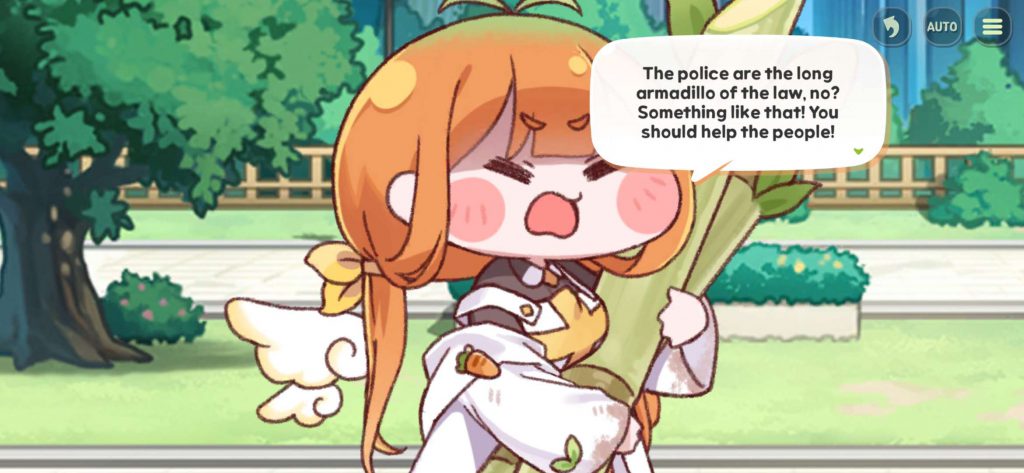
The narrative excels at balancing comedic absurdity with genuine emotional stakes. Moments of laugh-out-loud dialogue—such as the aforementioned insect afterlife debate or the presence of Pyrrha, a dragon who doubles as a loan shark making "fake gold" because she’s the "Pyrite Dragon"—are interwoven with compelling character arcs and overarching mysteries. The concept of Yggdrasil’s failing health and the various threats to Elias provide a consistent backdrop of tension, ensuring that the whimsical often has a serious undercurrent.
The game also features a robust content structure beyond the main story, including individual Apostle stories, rotating event stories, and a convenient "theater" system that allows players to revisit past events. This ensures that new players can catch up on missed narratives, reinforcing the game’s commitment to lore accessibility. Notable characters include xXionx, a self-aware "cringelord failwoman" with a good heart; ED, who perceives Elias as a grand lucid dream; Shoupan, a delivery person with a strong disdain for authority figures; and Kyarot, a seemingly naive farmer whose love for her plants can lead to surprisingly violent acts. This cast, vibrant and richly characterized, ensures that even antagonists possess unexpected depth, making for a consistently engaging narrative experience.
Art and Whimsy
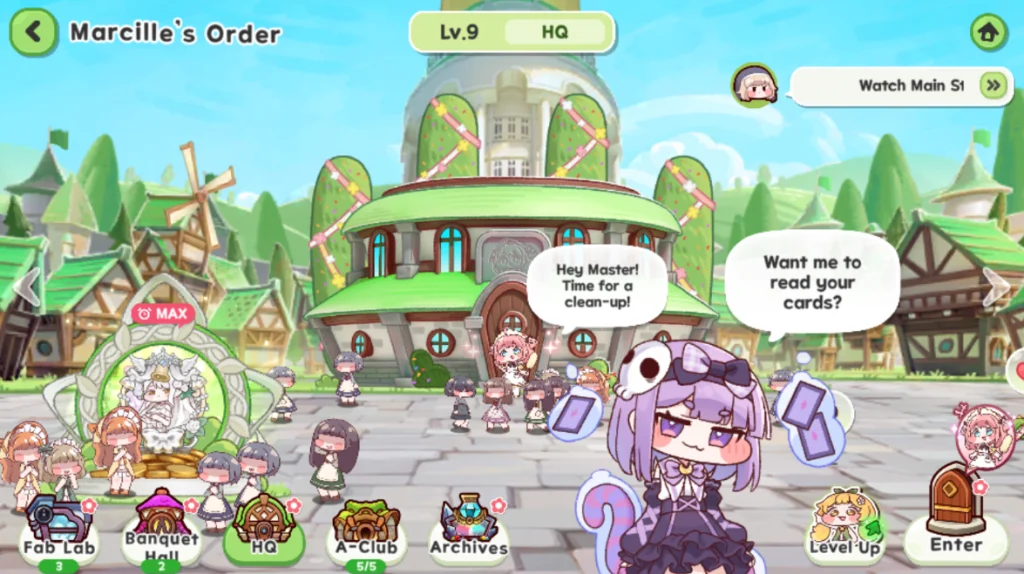
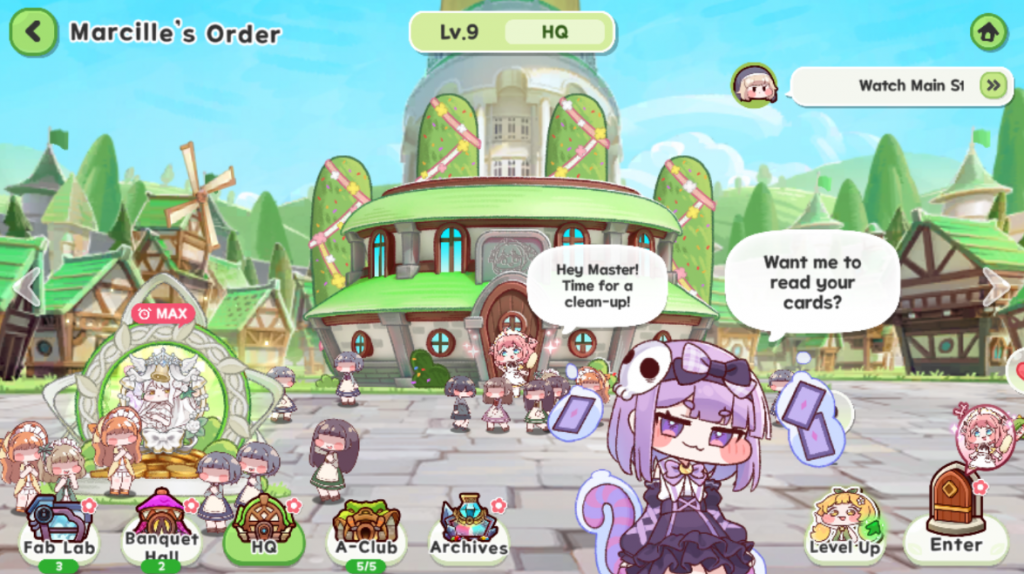
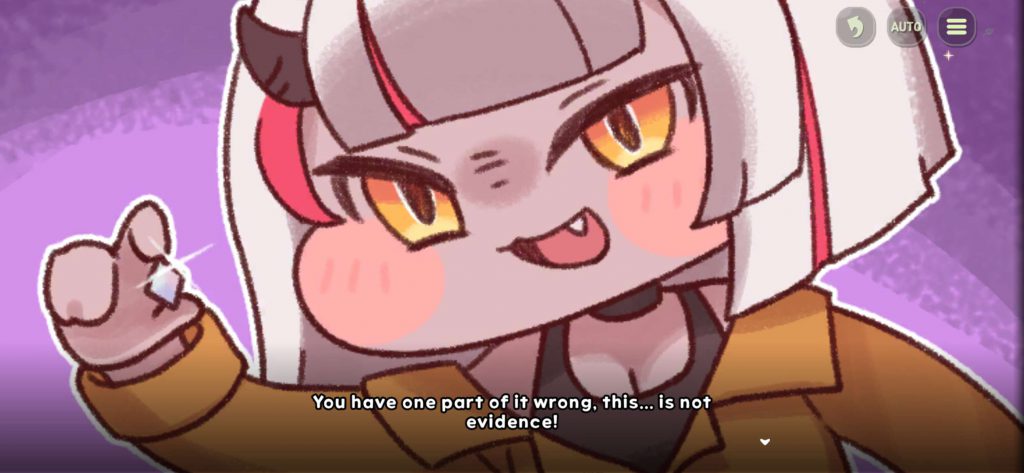
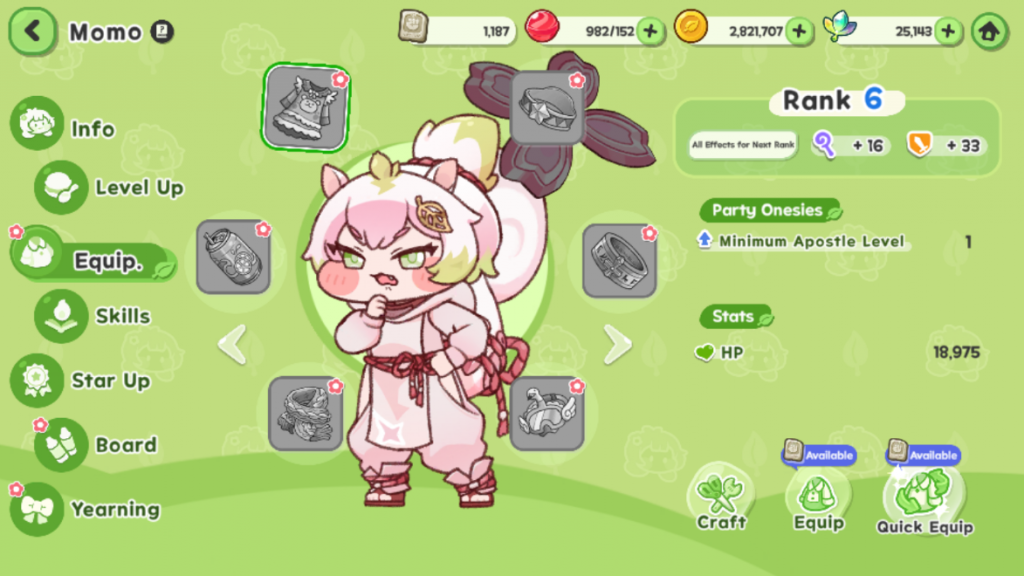
Visually, Trickcal: Chibi Go is a riot of color and charming chibi designs. The art style is consistent across characters, environments, and UI, creating a cohesive and inviting aesthetic. Little details, such as the aforementioned cheek-pinching mechanic or the unexpected proliferation of the "Speaki" creature as a de facto mascot, contribute to the game’s unique whimsical vibe. Developers at Epid Games clearly possess a deep appreciation for cinema, mythology, and literature, subtly weaving references throughout the game, from subtle narrative nods to explicit visual homages like a Breaking Bad-inspired scene. This blend of cute aesthetics with clever, often mature, cultural references creates a distinctive charm that balances lightheartedness with narrative sophistication.
Official Responses and Developer Philosophy
While Epid Games does not frequently issue formal press releases regarding Trickcal: Chibi Go‘s design philosophies, the impact of their approach is evident in the game’s structure and the public statements from key personnel. The most significant "official response" comes from Epid Games’ CEO, who has publicly stated that the primary objective is for players to simply "enjoy the world of Trickcal." This sentiment is not merely lip service; it forms the bedrock of the game’s F2P-friendly monetization model, its generous gacha pity system, and its emphasis on accessible, deep world-building over aggressive monetization strategies.
The game’s design choices—such as providing abundant free 3-star character items, allowing characters to be farmed through gameplay, and ensuring that character progression doesn’t heavily rely on acquiring multiple duplicates—all align with this player-centric philosophy. By prioritizing narrative engagement and character appreciation, Epid Games has cultivated a player base that feels valued, fostering a loyal community around the game’s unique charm rather than its commercial viability alone. Bili Bili’s role as publisher ensures broad accessibility across major mobile platforms, facilitating Epid Games’ vision to reach a global audience with their unique creation.
Implications: A New Paradigm for Mobile Engagement
Trickcal: Chibi Go has carved out a unique niche in the competitive mobile gaming market, demonstrating that a commitment to deep world-building, thoughtful narrative, and player-friendly mechanics can yield substantial engagement. Its success implies a growing appetite among mobile gamers for experiences that offer more than fleeting distractions or aggressive monetization.
Impact on Player Experience
For players, Trickcal: Chibi Go offers an unexpectedly profound and consistently entertaining experience. The game’s ability to seamlessly blend laugh-out-loud humor with moments of genuine emotional resonance creates a dynamic narrative that keeps players invested. The strategic depth of the auto-battler system, coupled with the rich character interactions, ensures that engagement remains high, whether during brief daily sessions or extended playtimes. The absence of Gyoshu from every narrative event, and the allowance for things to occasionally go wrong without the "wise outsider’s" direct intervention, imbues the world with a sense of genuine consequence, enhancing player immersion. The game’s capacity to surprise, to deliver compelling drama beneath a whimsical exterior, is a significant draw, ensuring that it occupies a constant place in players’ minds.
Community and Global Connection
The game has fostered a remarkably vibrant and diverse global community. The viral phenomenon of Speaki, for instance, ignited a surge of creative expression, with fans worldwide producing artwork, memes, and fan content. This shared enthusiasm transcends geographical and cultural boundaries, creating a sense of collective enjoyment. In an increasingly polarized world, Trickcal: Chibi Go stands as an example of a cultural product that brings people together, fostering shared appreciation and positive interaction, rather than division. This communal aspect significantly enhances the overall player experience, providing a supportive and enthusiastic environment for new and veteran players alike.
Future Outlook and Industry Influence
The anticipation surrounding the global version’s eventual alignment with its Korean counterpart, where the narrative is reportedly reaching new heights of complexity and emotional depth, speaks volumes about the game’s sustained quality. This unique situation creates a positive feedback loop, fueling excitement and ensuring long-term player retention. Trickcal: Chibi Go serves as a compelling case study for the mobile gaming industry, demonstrating that prioritizing creative vision, narrative excellence, and respectful player engagement can lead to sustained success without resorting to predatory monetization practices. Its F2P-friendly model challenges conventional wisdom in the gacha genre, suggesting that long-term player loyalty can be cultivated through generosity rather than scarcity.
As the game continues to evolve, with promises of further character development, intricate story arcs, and new challenges, its influence may extend beyond its immediate player base. It sets a benchmark for what a mobile game can achieve when designers are empowered to focus on world-building and narrative depth, proving that the platform is capable of hosting experiences as rich and rewarding as those found on traditional gaming consoles. For anyone seeking a mobile game that offers charm, strategic depth, and a narrative that consistently delights and surprises, Trickcal: Chibi Go presents a compelling and highly recommended journey into the unforgettable world of Elias.