Ancient Rivalries Reignited: Phalanx Launches Gamefound Campaign for Acclaimed Hannibal & Hamilcar Titles
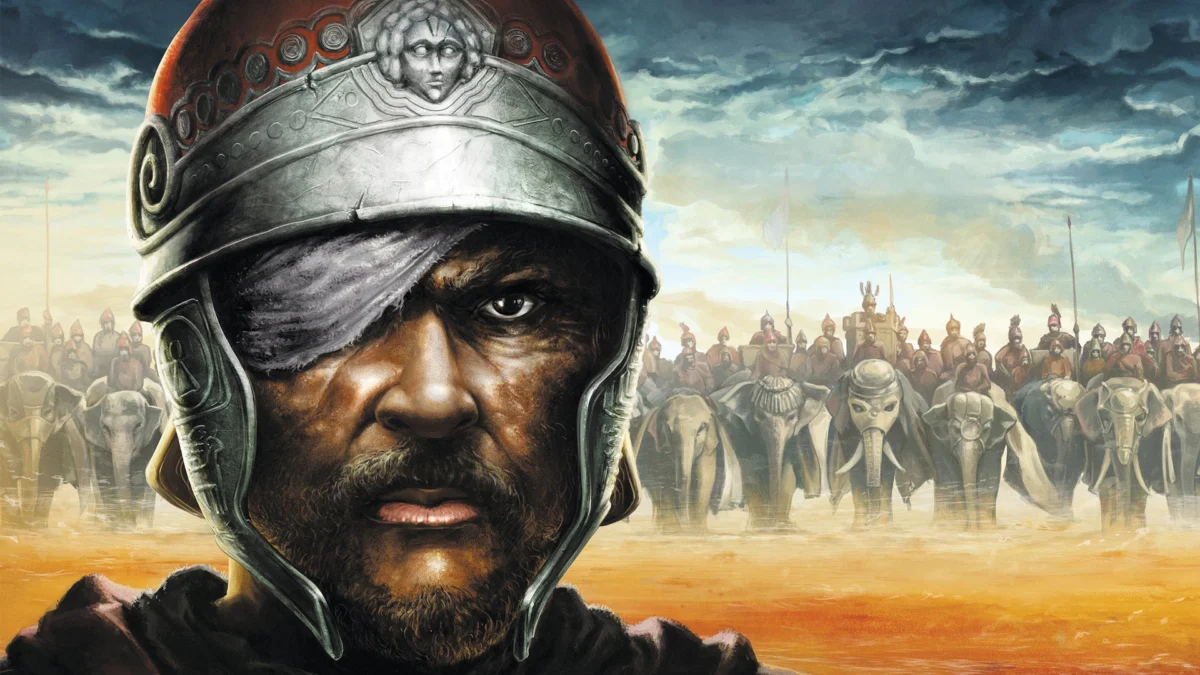
London, UK – [Insert Current Date, e.g., May 15, 2024] – Enthusiasts of historical wargaming and strategic board game aficionados are buzzing with the news of a significant re-release: the acclaimed card-driven strategy games, Hannibal: Rome vs. Carthage and Hamilcar: First Punic War, have returned to crowdfunding on Gamefound. Published by Phalanx, this campaign offers a unique opportunity for players to acquire the classic, often out-of-print titles in their latest revised editions, alongside an exclusive collection of high-quality metal miniatures. The campaign, which is set to conclude on May 24th, promises to deliver these highly-rated historical simulations by August of next year.
This latest initiative by Phalanx not only brings back two pivotal titles in the wargaming genre but also introduces a premium collectible element, catering to both seasoned players looking to upgrade their components and new entrants eager to delve into the intricate geopolitics and military strategies of the Punic Wars. The offering includes the Classic Edition of Hannibal: Rome vs. Carthage and the Silver Edition of Hamilcar: First Punic War, both renowned for their deep strategic gameplay and faithful historical representation.
Main Facts: A Return to Ancient Battlefields
The Gamefound campaign, spearheaded by publisher Phalanx, presents a compelling proposition for fans of historical strategy games. At its core, the campaign features two distinct yet interconnected titles: Mark Simonitch’s seminal Hannibal: Rome vs. Carthage (Classic Edition) and Raymond de Maria’s Hamilcar: Silver Edition, which expands on the Hannibal system to cover the earlier First Punic War. Both games are celebrated for their innovative card-driven mechanics, which seamlessly blend military maneuvering, political influence, and the unpredictable nature of historical events.
The primary draw for many is the chance to secure these games, which have periodically been difficult to obtain due to their out-of-print status. This re-release is particularly significant as it offers the most current, streamlined, and revised editions of both titles, ensuring an optimized gameplay experience. Beyond the games themselves, Phalanx has introduced an exclusive set of 26 meticulously crafted metal miniatures. These figures, finished with a dark wash, represent the iconic Roman and Carthaginian generals, including the legendary Hannibal Barca, and are presented in a specially designed wooden storage box. Crucially, Phalanx has confirmed that these metal miniatures will be exclusive to this crowdfunding campaign, making them a unique collector’s item.
Pricing for the campaign is structured to accommodate various levels of interest. Individual copies of Hannibal or Hamilcar are available for €45 each. A bundle encompassing both games can be pledged for €80, offering a slight discount. For those seeking the ultimate package, the full offering of both games and the exclusive metal miniatures is priced at €160. The standalone set of 26 metal miniatures, housed in its illustrated wooden box, is also available for €95. Backers have until May 24th to make their pledges, with an anticipated delivery timeframe of August 2025. This campaign represents not just a reprinting, but a definitive edition offering for a pair of games that have profoundly influenced the historical wargaming landscape.
Chronology: The Evolution of a Wargaming Legacy
The journey of Hannibal: Rome vs. Carthage and Hamilcar: First Punic War spans decades, marking a significant evolution in card-driven wargaming. The original Hannibal: Rome vs. Carthage first burst onto the scene in 1996, designed by the celebrated Mark Simonitch. Published by Avalon Hill, it quickly garnered critical acclaim for its innovative blend of strategy, politics, and historical immersion. Simonitch’s design was revolutionary for its time, employing a card-driven system (CDG) that forced players to make difficult choices between using cards for strategic movement, political control, or triggering powerful historical events. This mechanic introduced a level of fog of war and tactical depth rarely seen in wargames prior, moving beyond traditional dice-rolling combat to a more narrative and decision-heavy approach.
The game’s initial success was substantial, leading to its recognition with the prestigious Golden Geek Award for Best Wargame and Best 2-Player Board Game a decade later in 2008, a testament to its enduring appeal and profound impact on the genre. Its focus on the Second Punic War, particularly the epic clash between Rome and Carthage, with figures like Hannibal Barca and Scipio Africanus at the helm, resonated deeply with history enthusiasts.
Following the success of Hannibal, the desire to explore the broader Punic Wars led to the development of Hamilcar: First Punic War. Designed by Raymond de Maria, based on concepts by Simonitch and John Rodriguez, Hamilcar extended the core mechanics of Hannibal to cover the First Punic War, a conflict largely dominated by naval engagements for control of Sicily. While sharing gameplay DNA with its predecessor, Hamilcar introduced new elements to accurately portray the naval focus and distinct challenges of that earlier period, often utilizing some of the same components, highlighting the shared historical universe.
In 2018, Phalanx undertook a significant project to re-release both games in a combined package, simply titled Hannibal & Hamilcar. This collected edition not only brought the out-of-print titles back to market but also incorporated streamlined rules and revised components, enhancing the player experience. This re-release itself was a critical success, earning the BoardGameGeek Golden Geek Award for Best Wargame in 2018, demonstrating the timeless appeal of these designs and the quality of Phalanx’s updated production. The combined package became a highly sought-after item, once again demonstrating the strong demand for these Punic Wars simulations.
This current Gamefound campaign represents the latest iteration in this storied chronology. Unlike the 2018 combined release, this new printing offers the Classic Edition of Hannibal and the Silver Edition of Hamilcar as separate boxes, allowing players to acquire them individually or as a bundle. This approach provides flexibility for those who may already own one title or prefer to focus on a specific conflict. The addition of the exclusive metal miniatures further solidifies this campaign as a landmark event, offering a definitive, premium version of these beloved games to a new generation of players and dedicated collectors alike. The continued refinement and premium component offerings underscore Phalanx’s commitment to preserving and enhancing these wargaming masterpieces.
Supporting Data: Mechanics, History, and Critical Acclaim
The enduring appeal of Hannibal: Rome vs. Carthage and Hamilcar: First Punic War stems from a sophisticated interplay of historical accuracy, innovative mechanics, and a deeply engaging strategic challenge. Both games are prime examples of the card-driven game (CDG) genre, a format that revolutionized wargaming in the 1990s. In a CDG, players utilize a hand of multi-purpose cards, each representing historical events, strategic maneuvers, or political actions. The brilliance of this system lies in the constant tension of choice: should a player use a card for its operational points to move armies and generals across the map, or should they activate its unique historical event, potentially shifting the political landscape or granting a powerful, one-time advantage? This core dilemma ensures that every turn is fraught with meaningful decisions, reflecting the complex realities faced by ancient commanders.
Gameplay Mechanics:
Players assume the roles of either Rome or Carthage, each possessing an asymmetrical deck of strategy cards. This asymmetry is crucial, mirroring the distinct strengths and weaknesses of the two rival empires. Carthage, for instance, might rely more on brilliant generals like Hannibal and mercenary forces, while Rome leverages its vast manpower and political stability. The main map board, depicting the Mediterranean theater, is divided into regions, each with a political control track. Players must not only move their armies to conquer territory but also exert political influence to sway regions to their side, often a more subtle but equally vital path to victory.
When armies clash, a separate set of battle cards comes into play. These cards introduce an element of tactical decision-making within the broader strategic context. Players must manage their hand of battle cards, deciding when to play powerful attacks, defensive maneuvers, or special abilities that can turn the tide of a skirmish. This multi-layered approach—balancing political ambitions with military might, and strategic movement with tactical combat—is what gives the games their profound depth. The system elegantly portrays the logistical challenges, the political machinations within each empire, and the grand sweep of military campaigns that defined the Punic Wars.
Historical Context:
The Punic Wars, a series of three conflicts between Rome and Carthage from 264 BC to 146 BC, represent one of the most pivotal periods in ancient history, ultimately determining the dominant power in the Mediterranean.
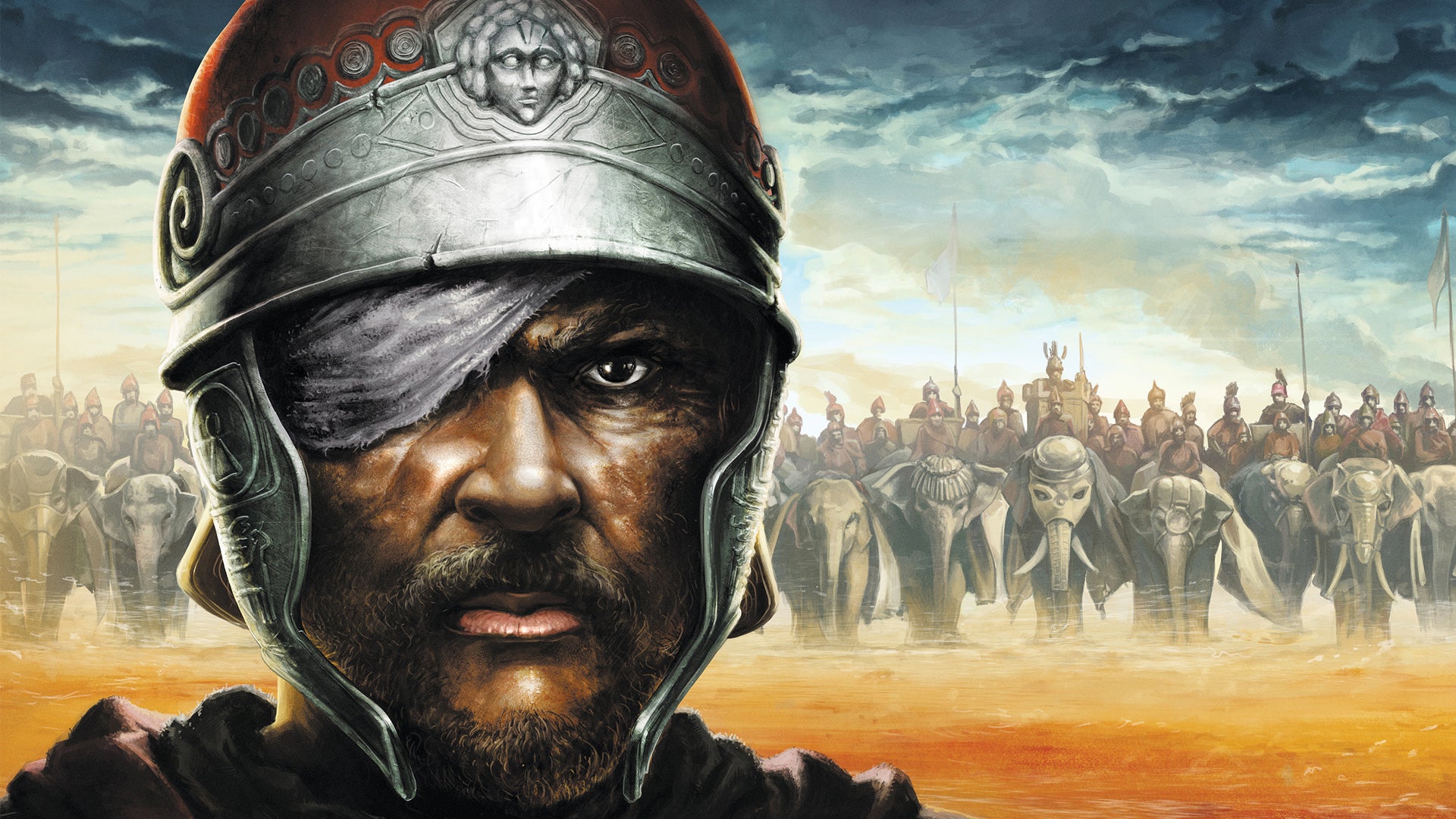
- The First Punic War (264-241 BC): The focus of Hamilcar, this conflict was primarily a struggle for naval supremacy and control of Sicily. Carthage, a formidable maritime power, initially held an advantage, but Rome, a land-based power, rapidly developed its navy. The war saw innovative naval tactics, such as the Roman corvus boarding bridge, and established the military prowess of Carthaginian generals like Hamilcar Barca, Hannibal’s father.
- The Second Punic War (218-201 BC): The setting for Hannibal, this is arguably the most famous of the Punic Wars. It is defined by Hannibal Barca’s audacious overland invasion of Italy, crossing the Alps with elephants, and his string of stunning victories against Rome, most notably at Cannae. Despite Hannibal’s tactical genius, Rome ultimately prevailed through a strategy of attrition and the brilliant counter-campaigns of Scipio Africanus, culminating in Hannibal’s defeat at Zama.
These games allow players to immerse themselves in these historical narratives, to rewrite or relive the decisions of legendary commanders, and to understand the immense stakes involved. The historical events triggered by cards are not merely flavor text but often represent critical junctures that force players to adapt their strategies.
Critical Acclaim and Community Standing:
The quality of these designs is underscored by their consistent critical acclaim. As noted, the original Hannibal: Rome vs. Carthage secured the BoardGameGeek (BGG) Golden Geek Award for Best Wargame and Best 2-Player Board Game in 2008. The combined Hannibal & Hamilcar re-release by Phalanx followed suit, winning the Golden Geek Award for Best Wargame in 2018.
On BoardGameGeek, the definitive online database for board games, the combined Hannibal & Hamilcar title currently boasts an impressive user rating of 8.3 out of 10, based on over 6,700 reviews. At the time of writing, this places it as the 18th highest-rated wargame on the entire platform. Such high ratings and consistent recognition are a testament to the games’ robust design, replayability, and enduring appeal within a discerning community. The reverence for Mark Simonitch’s design work, particularly in the CDG genre, is well-established, and Phalanx’s commitment to maintaining and enhancing these classics has clearly resonated with both critics and players alike.
Official Responses: Phalanx’s Vision and Exclusivity
While direct, explicit quotes from Phalanx regarding this specific Gamefound campaign are not provided in the original text, the publisher’s actions and stated intentions within the campaign context offer clear insights into their strategy and commitment. Phalanx’s decision to launch this campaign indicates a strong belief in the continued demand for these seminal wargames and a desire to make them accessible to a wider audience, particularly given their out-of-print status.
The article itself is sponsored by Phalanx, which further emphasizes their active role in promoting and backing this re-release. Their confirmation of the "streamlined and revised Classic Edition" for Hannibal and the "Silver Edition" for Hamilcar speaks to a commitment to quality control and an effort to refine already excellent designs. This suggests a careful balance between preserving the original vision of designers Mark Simonitch and Raymond de Maria, while also incorporating lessons learned from years of community feedback and advancements in game production. The explicit mention of these editions implies that Phalanx has invested in updating rulebooks, component quality, and potentially clarifying any ambiguities from previous printings.
The most significant "official response" is Phalanx’s firm declaration regarding the exclusivity of the metal miniatures. The publisher has unequivocally stated that "The miniatures will only ever be available via the crowdfunder." This is a critical piece of information for potential backers and collectors. It serves multiple purposes:
- Incentivizing Early Adoption: By making these components campaign-exclusive, Phalanx creates a sense of urgency and value for backers, encouraging them to pledge during the limited Gamefound window.
- Rewarding Supporters: It acts as a direct reward for the crowdfunding community, acknowledging their role in bringing these games back to print. These exclusive items differentiate the crowdfunding edition from any potential future retail releases, should they occur without the miniatures.
- Building Brand Loyalty: Offering unique, high-quality components like metal miniatures fosters a sense of appreciation among dedicated fans and strengthens Phalanx’s reputation as a publisher that values its community.
- Enhancing Collectibility: For collectors, the guarantee of exclusivity significantly increases the long-term collectible value of these miniatures. The dark wash finish and the detailed depiction of historical generals like Hannibal Barca further elevate their aesthetic appeal as premium game pieces.
The structured pricing — offering games individually, as a bundle, or with the full miniatures package — further illustrates Phalanx’s strategic approach to cater to different segments of the market. From players solely interested in the gameplay to avid collectors seeking premium components, the campaign is designed to maximize reach and satisfaction. The estimated delivery date of August 2025 provides a transparent timeline, managing expectations for the production and fulfillment process of a complex project involving multiple components and editions. Phalanx’s communication, though implicit in the provided text, reflects a clear, confident strategy to reintroduce these beloved titles to a passionate audience.
Implications: Reshaping the Wargaming Landscape and Collector Value
The Gamefound campaign for Hannibal & Hamilcar carries several significant implications, impacting the historical wargaming community, the broader board game market, and the perceived value of premium game components.
For the Wargaming Community:
This re-release is a boon for wargamers. Both Hannibal: Rome vs. Carthage and Hamilcar: First Punic War are considered essential titles, often cited as entry points into the card-driven game (CDG) genre and excellent examples of historical simulation. Their periodic unavailability due to being out-of-print created a barrier for new players and collectors alike. By making these "Classic" and "Silver" editions readily available, Phalanx is ensuring that a new generation of strategists can experience these masterpieces without resorting to inflated secondary market prices. This re-introduction also breathes new life into the Punic Wars as a gaming theme, potentially inspiring further designs or renewed interest in the historical period. It reinforces the idea that well-designed historical wargames have an enduring appeal that transcends fleeting trends.
Impact on the Board Game Market:
The success of this campaign on a platform like Gamefound highlights the continued strength of crowdfunding for niche and premium board game projects. It demonstrates that there is a robust market for sophisticated, historically-themed strategy games, even as the broader market often gravitates towards lighter, more accessible titles. Phalanx’s ability to consistently bring highly-regarded, out-of-print games back to market, often with enhanced components, sets a precedent for other publishers. It shows that investing in quality production and leveraging the direct-to-consumer model of crowdfunding can be highly effective for games with dedicated fan bases. Furthermore, the inclusion of high-quality metal miniatures as exclusive items signifies a growing trend towards luxury components in the board game industry, catering to players who view their games not just as entertainment but as collectible art pieces.
Collector Value and Exclusivity:
The explicit confirmation from Phalanx that the 26 metal miniatures are exclusive to this Gamefound campaign has significant implications for collector value. This "never again available" promise immediately elevates these components beyond mere game pieces; they become rare collectibles. For dedicated fans and collectors, owning these miniatures, particularly in their custom-illustrated wooden box, represents a definitive, premium edition of Hannibal & Hamilcar. The dark wash finish adds to their aesthetic appeal, making them display-worthy items. This strategy creates an immediate incentive for backers to choose the higher-tier pledges, as they are acquiring something that will not be available through traditional retail channels later. Over time, the scarcity of these miniatures could potentially increase the value of the complete crowdfunding package on the secondary market, further solidifying their status as prized possessions.
Future Prospects for Phalanx and Historical Gaming:
A successful campaign for Hannibal & Hamilcar could embolden Phalanx to pursue similar re-releases or new designs in the historical wargaming space. It reinforces their reputation as a publisher committed to high-quality historical simulations with premium production values. For the wider historical gaming sector, it sends a positive signal about the viability and profitability of producing complex, historically rich games. This could lead to more investment in research, design, and component quality across the genre, benefiting the entire community.
In essence, the Hannibal & Hamilcar Gamefound campaign is more than just a product launch; it’s a reaffirmation of the enduring power of historical storytelling through strategic gameplay, a testament to the loyalty of a dedicated community, and a significant moment for the evolution of premium board game offerings. As the campaign draws to a close on May 24th, its success will undoubtedly resonate throughout the wargaming world, heralding a vibrant future for ancient conflicts on the tabletop.