The Evolution of the Knight: How The Batman Part II’s Costume Redesign Signals a Narrative Shift
The anticipation surrounding Matt Reeves’ return to Gotham City has reached a fever pitch. As production details for The Batman: Part II begin to emerge, the focus has shifted from the shadows of the script to the tangible elements of the film’s visual identity. Most notably, early glimpses and official confirmations regarding Robert Pattinson’s new Batsuit have ignited a firestorm of analysis. Far from being a mere aesthetic upgrade designed to sell merchandise, the alterations to the Dark Knight’s attire appear to be a masterclass in visual storytelling, directly continuing the psychological and symbolic journey Bruce Wayne began in the 2022 original.
Main Facts: A Suit Refined by Purpose
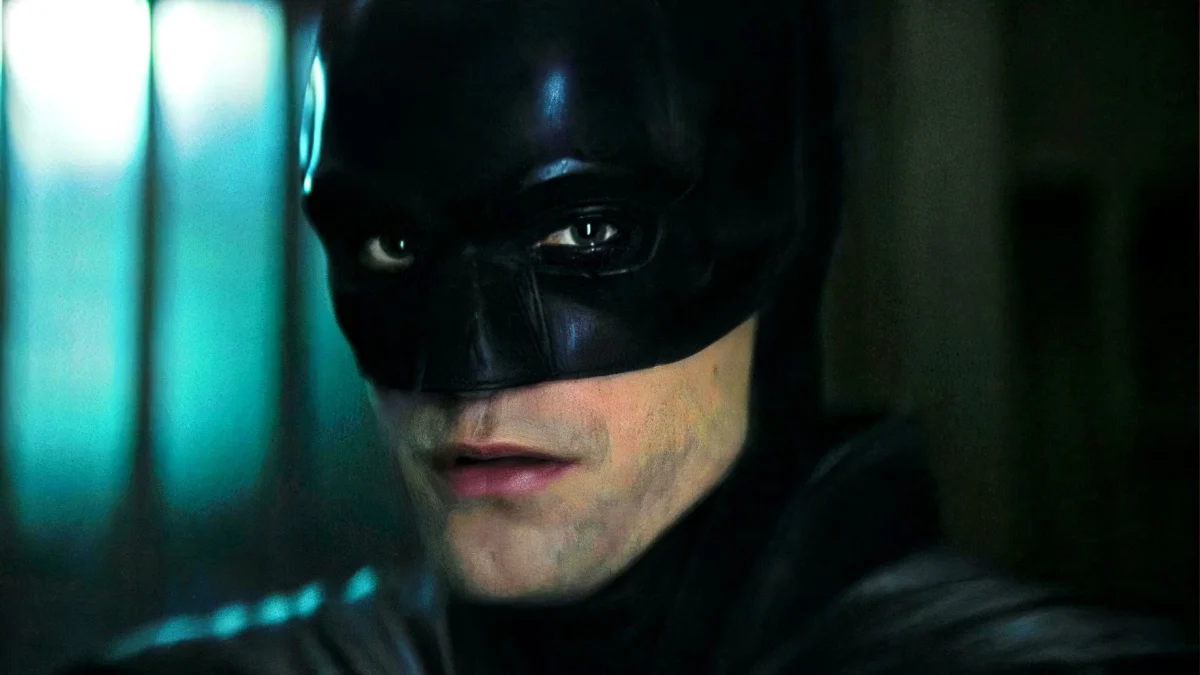
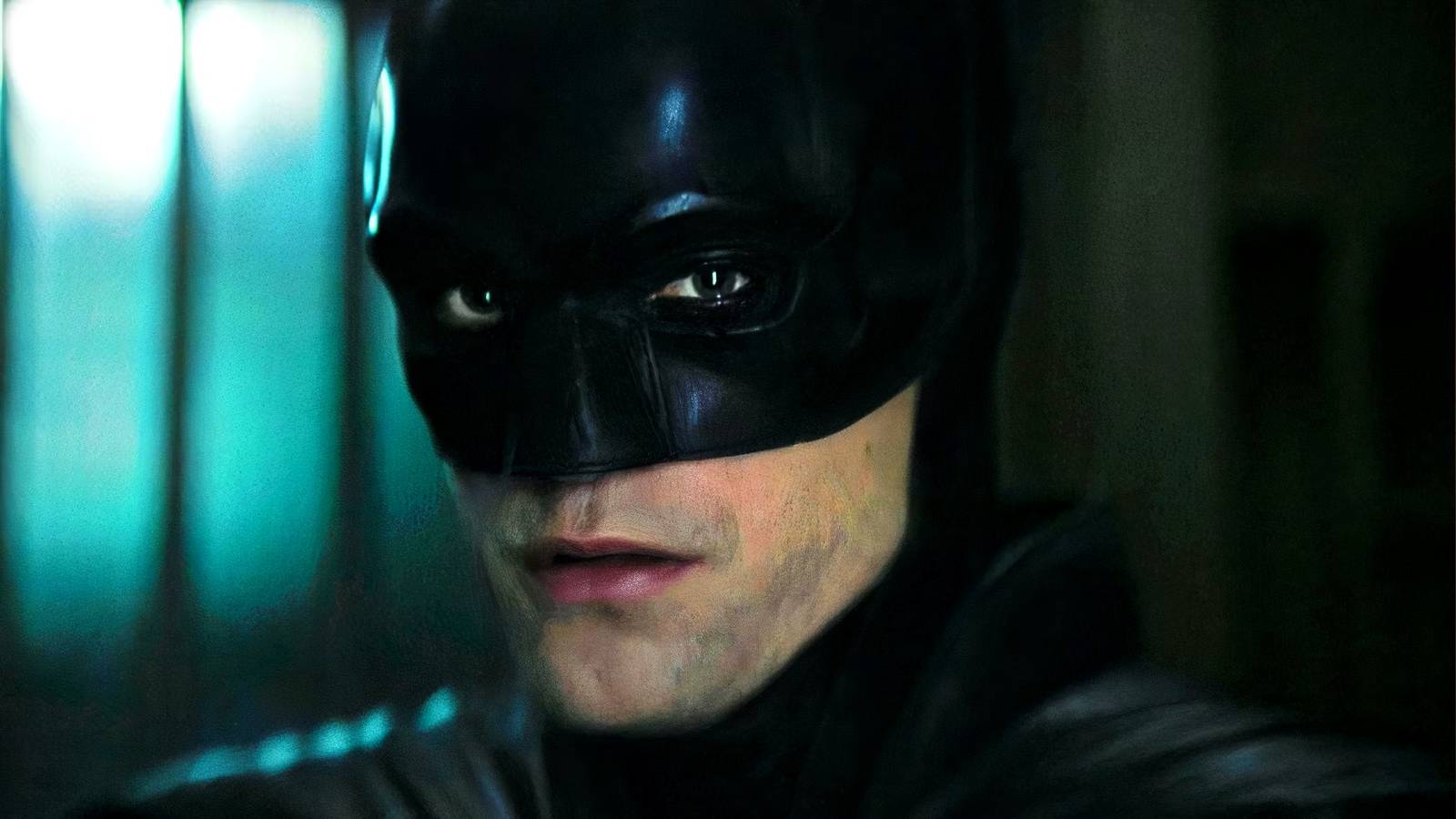
The core revelation regarding The Batman: Part II involves a series of subtle yet profound changes to the titular hero’s tactical gear. While the 2022 film introduced a "Year Two" Batman wearing a suit that looked assembled in a garage—complete with visible stitching, a collar designed to deflect knife wounds, and a chest emblem forged from the gun that killed his parents—the sequel’s iteration suggests a more professional, intentional evolution.
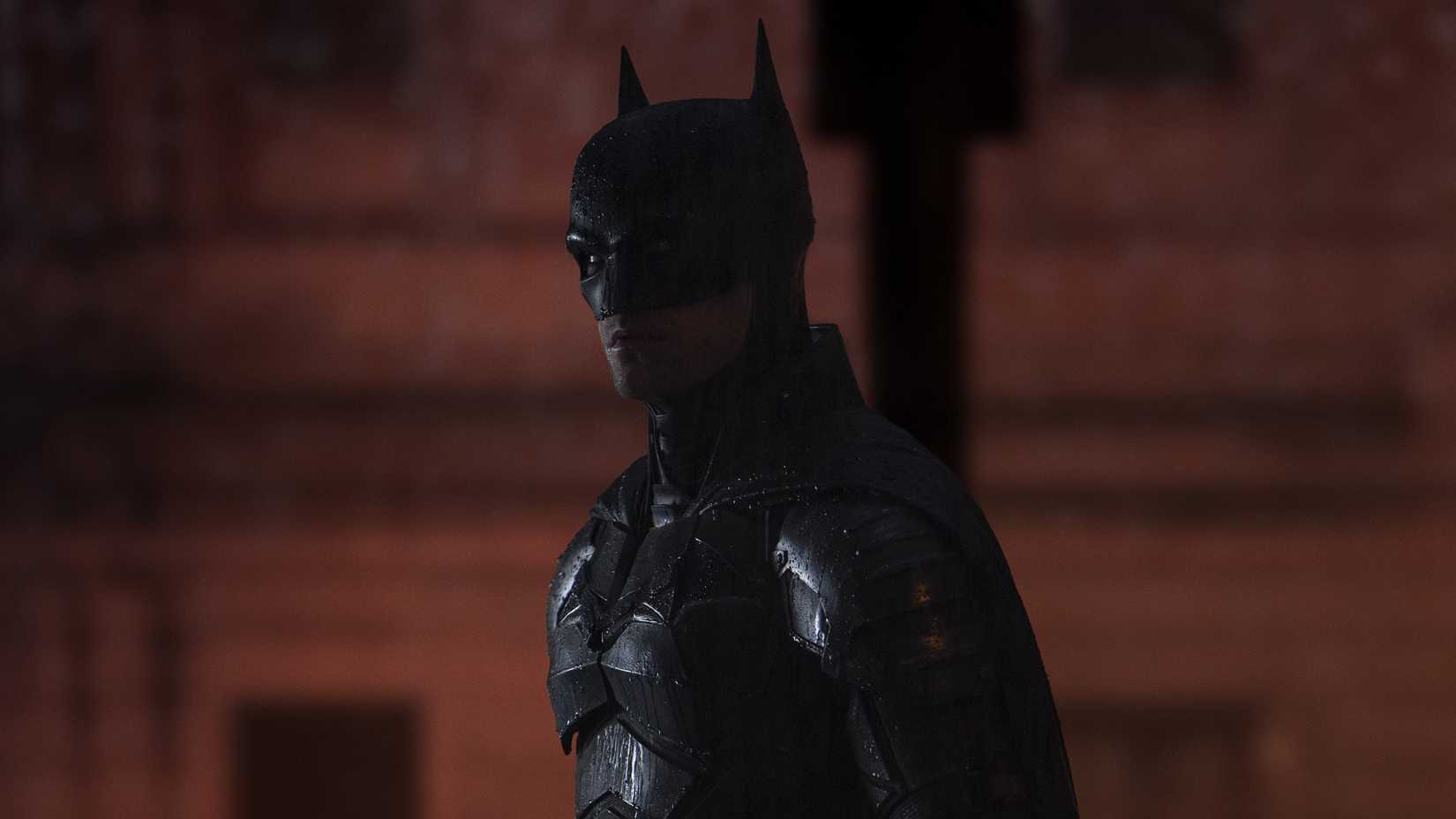
Director Matt Reeves has confirmed via social media that the new cowl features noticeably longer ears, a design choice that evokes the high-fantasy gothic aesthetic of comic book legends like Kelley Jones or the classic Long Halloween run. Furthermore, leaked production insights suggest that the suit’s overall silhouette has been softened. The jagged, aggressive edges of the "Vengeance" era are being replaced with more rounded, fluid lines.
These changes serve a specific narrative function: they mirror Bruce Wayne’s transition from a terrifying urban legend fueled by rage to a public symbol of hope and resilience. By the end of the first film, Batman realizes that "Vengeance" is not enough to save a drowning city; he must become something the people of Gotham can look toward in their darkest hours.
Chronology: From the Floods of Gotham to the Production of Part II
To understand the significance of the suit’s evolution, one must trace the timeline of the franchise’s development and the narrative milestones of the "Reeves-verse."
- March 2022: The Batman premieres to critical acclaim and box office success. The film ends with Gotham City partially submerged following the Riddler’s terrorist attack. Batman is seen leading citizens to safety, a pivotal moment where he shifts from a creature of the night to a savior in the light of day.
- April 2022: Warner Bros. officially greenlights The Batman: Part II at CinemaCon, confirming the return of Matt Reeves and Robert Pattinson.
- 2023: Development continues despite industry-wide strikes. During this period, Reeves emphasizes that the sequel will continue to keep Bruce Wayne at the emotional center of the story, rather than letting the villains overshadow him.
- Late 2023 – Early 2024: The "DC Elseworlds" branding is established. James Gunn and Peter Safran confirm that Reeves’ trilogy will remain a standalone universe, separate from the primary DC Universe (DCU), allowing for a more grounded, auteur-driven approach.
- Mid-2024: Early costume tests and conceptual leaks begin to circulate. Matt Reeves confirms the "longer ears" on the cowl via social media, signaling a shift toward a more iconic, perhaps more "mythic" silhouette.
- October 2026: The current scheduled release date for The Batman: Part II, following a delay from its original 2025 slot to allow for script perfection and production scaling.
Supporting Data: The Psychology of the Silhouette
The history of Batman on film is a history of costume changes, but rarely have they been so intrinsically tied to character growth. In the Christopher Nolan Dark Knight trilogy, the move from the Batman Begins suit to the Dark Knight suit was driven by utility—Bruce needed to turn his head. In the "Reeves-verse," the data suggests the change is driven by empathy.
The "Vengeance" Suit (2022)
- Primary Function: Kinetic protection and intimidation.
- Visual Cues: Heavy leather, exposed mechanical parts, short ears (practical for close-quarters brawling), and a "dead-eye" stare.
- Narrative Context: Bruce is a recluse who doesn’t care about his legacy or his life. The suit is a blunt instrument.
The "Hope" Suit (2026)
- Primary Function: Symbolism and accessibility.
- Visual Cues: Longer ears (creating a more legendary, taller profile), rounded armor plating (less likely to snag or appear "sharp" to victims being rescued), and a more integrated design.
- Narrative Context: Bruce is attempting to be a hero for the citizens, not just a nightmare for the criminals.
Analysis of the 2022 film’s final act reveals that the most impactful moments occurred when Batman was unmasked or interacting directly with victims—such as the young girl he helps into the medevac helicopter. The data from these scenes shows a hero who is learning that his presence affects the innocent as much as the guilty. A softer, more "comic-accurate" and statuesque suit helps bridge the gap between the man and the myth.
Official Responses: Matt Reeves on the "Bat-Verse"
Matt Reeves has been protective of his vision, frequently stating in interviews that his version of Batman is a detective first and a superhero second. Regarding the sequel, Reeves has noted that the world of Gotham will expand, but the focus remains on the "arc of Bruce."

In a recent social media interaction, Reeves responded to fan queries about the costume, confirming the silhouette changes. While he has remained tight-lipped about the specific plot, his endorsement of the "longer ears" suggests a move toward a Batman who is more comfortable with his role as a legendary figure.
Furthermore, production notes from Warner Bros. Discovery suggest that the delay in the film’s release was a strategic move to ensure that the "epic crime saga" Reeves is building maintains the high bar set by the first installment. The official stance is that The Batman: Part II is not just a sequel, but a deeper exploration of the "corrupt soul of Gotham," with the suit acting as Bruce Wayne’s armor against both physical and moral decay.
Implications: A New Era for the Caped Crusader
The implications of these design choices extend far beyond the screen. They represent a fundamental shift in how modern cinema handles the superhero archetype.
1. The Deconstruction of Intimidation
For decades, the "cinematic" Batman has trended toward becoming more armored and more terrifying (peaking with Zack Snyder’s tank-like iteration). Reeves appears to be subverting this. By making the suit less "scary" and more "heroic," the film challenges the idea that a hero’s primary tool is fear. This has significant implications for how the character will interact with the Gotham City Police Department and the new mayor, Bella Reál.
2. Standalone Excellence in the Age of Universes
By leaning into a specific, evolving visual language, The Batman: Part II solidifies the "Elseworlds" strategy. It proves that there is a massive audience for self-contained stories that prioritize character development over "multiverse" cameos. The Batsuit’s evolution is a sign of a filmmaker who is allowed to let his protagonist grow naturally.
3. The Philanthropist vs. The Vigilante
The "softer" suit suggests that Bruce Wayne may also be evolving. In The Batman, Bruce neglected his duties as a Wayne. If the Batsuit is becoming more of a symbol of hope, it is likely we will see Bruce Wayne use his wealth to aid the flooded city. The suit and the man are becoming more aligned in their mission: to provide Gotham with a future rather than just punishing its past.
4. Merchandising and Iconic Status
From a commercial perspective, the "Long Ears" design is a bold move. It moves away from the "tactical military" look that has dominated the last twenty years of superhero media and returns to the "Gothic Detective" roots. This ensures that Pattinson’s Batman remains visually distinct from the version of the character that will eventually debut in James Gunn’s The Brave and the Bold.
In conclusion, The Batman: Part II is positioning itself to be more than just a continuation of a gritty detective story. Through the careful, narrative-led redesign of the Batsuit, Matt Reeves is signaling a transition from a story about trauma to a story about transformation. When Robert Pattinson returns to the screen in 2026, he won’t just be a man in a mask; he will be the symbol that a broken city desperately needs.