The Grand Return: Christopher Nolan’s ‘The Odyssey’ and the Cinematic Legacy of the Epic Quest
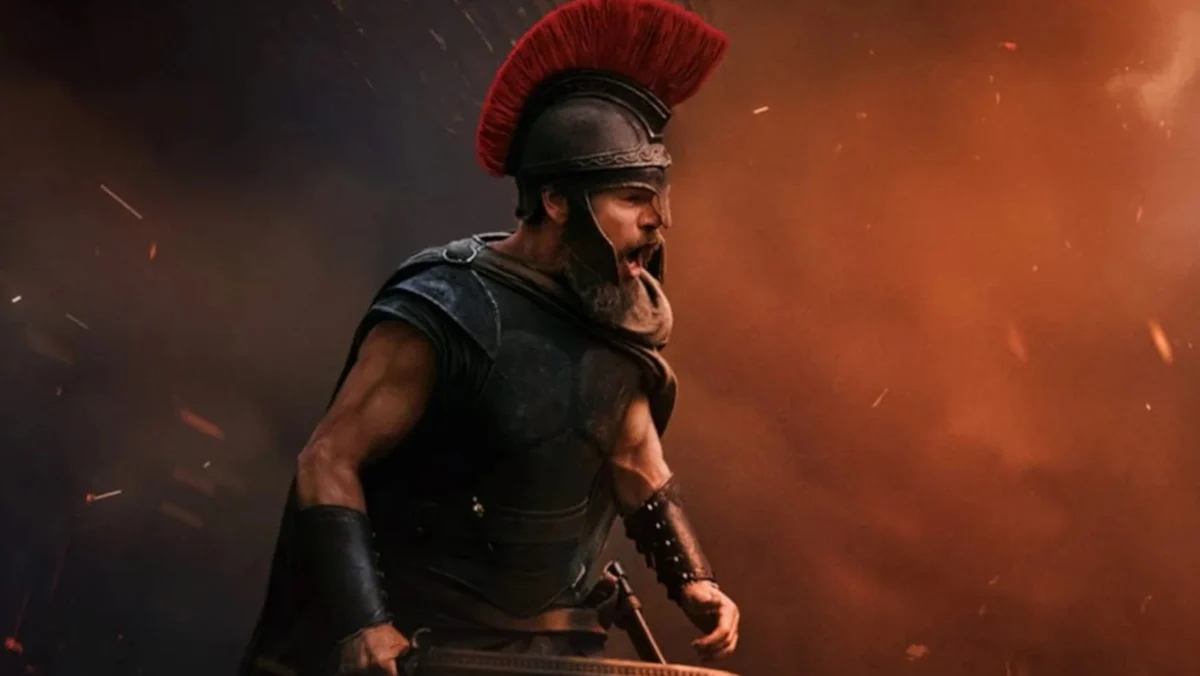
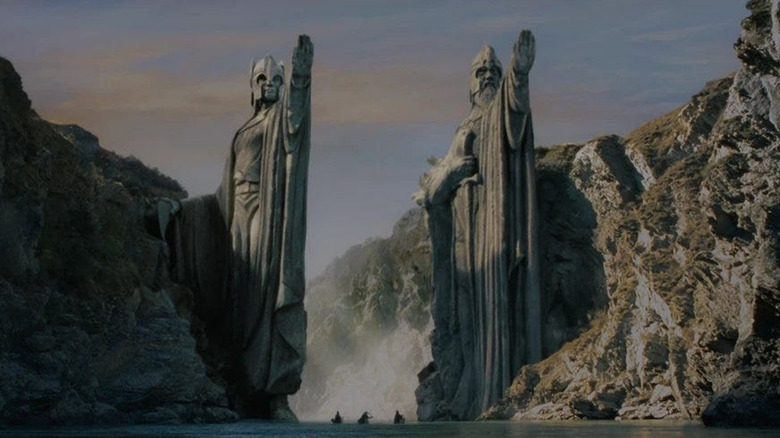
The release of Christopher Nolan’s The Odyssey marks a pivotal moment in contemporary cinema. As a sprawling, high-budget adaptation of Homer’s foundational Greek poem, the film represents the culmination of Nolan’s career-long obsession with the passage of time, the resilience of the human spirit, and the technical limits of the silver screen. Produced by Universal Pictures, the film has not only dominated the box office but has also reignited a global conversation about the enduring power of classical mythology.
For audiences captivated by Nolan’s visceral reimagining of Odysseus’s ten-year journey, the film serves as a gateway to a specific subgenre of cinema: the "Tactile Epic." To fully appreciate the DNA of Nolan’s latest masterwork, one must look toward the films that paved the way, from mid-century stop-motion wonders to modern science-fiction odysseys.
Main Facts: A Production of Mythic Proportions
Christopher Nolan’s The Odyssey is arguably the most ambitious undertaking in the director’s filmography, surpassing even the scale of Interstellar and Oppenheimer. Here are the primary pillars of the production:
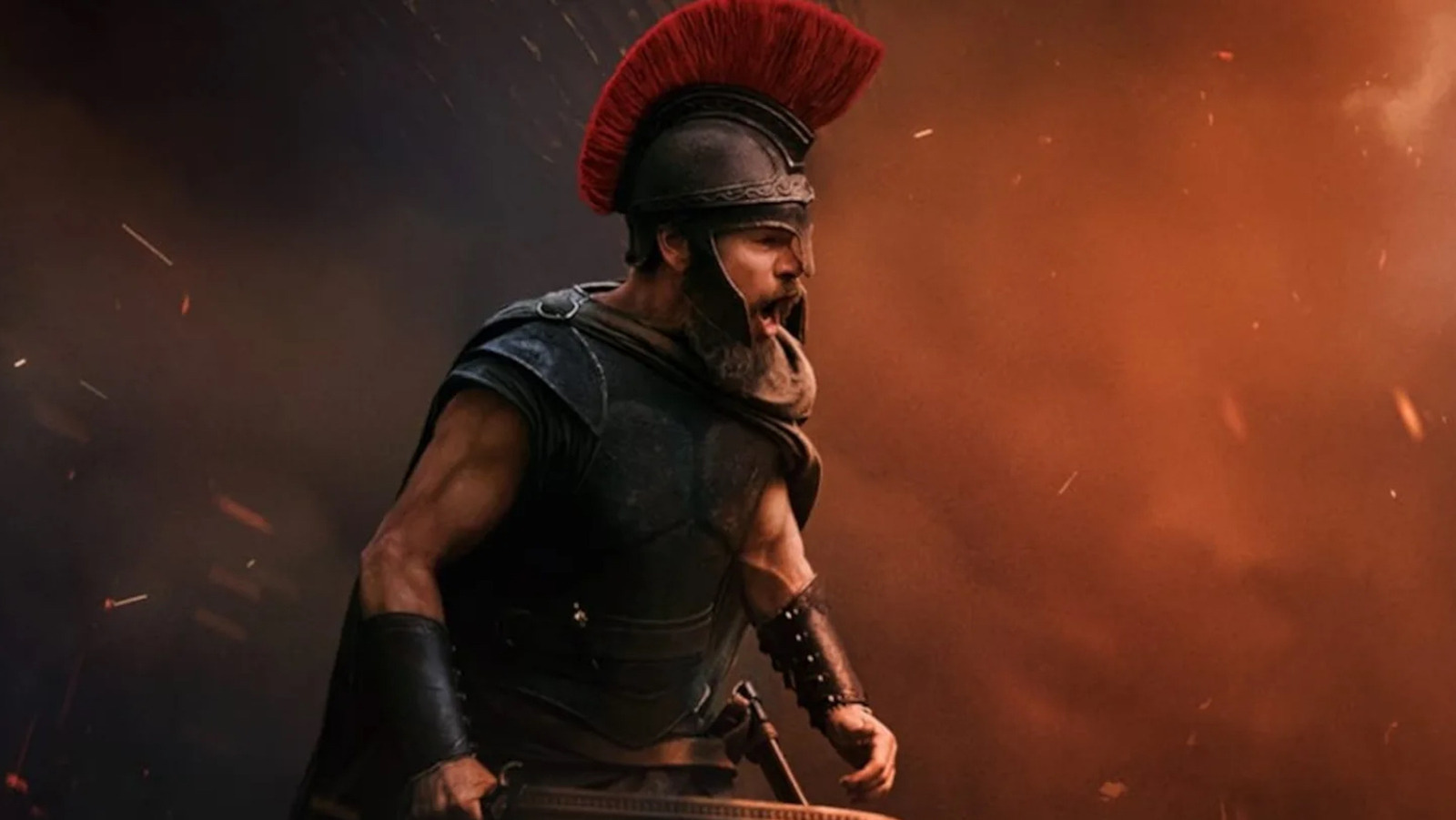
- The Partnership: Following the massive success of Oppenheimer, Nolan continued his partnership with Universal Pictures, securing a budget rumored to exceed $250 million.
- Technical Achievement: True to his reputation, Nolan eschewed heavy reliance on CGI, opting instead for massive practical sets, location filming across the Mediterranean, and the use of IMAX 70mm cameras to capture the oceanic vistas.
- The Cast: The film reunites Nolan with frequent collaborators Matt Damon and Anne Hathaway, while introducing a fresh ensemble to portray the gods and monsters of the Aegean.
- Narrative Scope: While staying faithful to Homer’s structure, the film utilizes Nolan’s signature non-linear storytelling to weave together Odysseus’s trials at sea with Penelope’s domestic struggle in Ithaca.
Chronology: From Ancient Verse to Modern Blockbuster
The journey of The Odyssey from the oral traditions of the 8th century BCE to a 21st-century IMAX screen is a long one.
- The Source Material (c. 750–650 BCE): Homer’s poem established the "Hero’s Journey" archetype. It has been adapted into countless plays, operas, and novels, but rarely with the technical fidelity required to capture its supernatural elements realistically.
- The Mid-Century Myth (1960s): Films like Jason and the Argonauts (1963) proved that Greek mythology could be a viable box-office draw, provided the visual effects (then stop-motion) could wow the audience.
- The 21st Century Revival (2000–2004): Following the success of Gladiator, Hollywood attempted to modernize the epic with Troy (2004). However, these films often stripped away the mythological elements in favor of "gritty realism."
- The Nolan Era (2020s): After exploring the quantum realm and the birth of the atomic age, Nolan turned his sights to the "Original Epic." His version seeks a middle ground: a world where the gods feel like forces of nature rather than men in togas.
Supporting Data: 5 Essential Films for Fans of ‘The Odyssey’
To understand the stylistic and thematic choices made in Nolan’s latest film, one must examine five key cinematic predecessors. Each offers a unique lens through which to view the "Long Way Home."
1. Interstellar (2014)
While The Odyssey is set in the ancient past, it shares a profound spiritual connection with Nolan’s 2014 space epic, Interstellar.
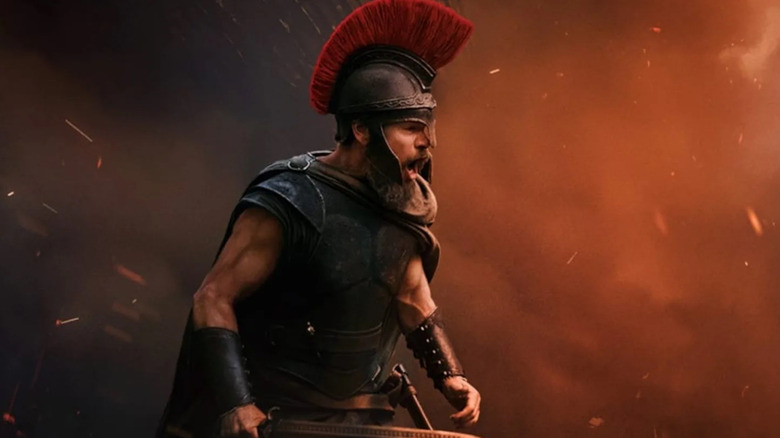
- Thematic Parallel: Both films center on a father (Matthew McConaughey in Interstellar, the protagonist in The Odyssey) who is separated from his family by vast, seemingly insurmountable distances.
- The Time Element: In The Odyssey, time is a thief, stealing ten years of a man’s life. In Interstellar, time is physical, dictated by the laws of relativity.
- Casting Connection: The presence of Matt Damon and Anne Hathaway in both films reinforces the sense of a shared cinematic universe, where humans are tested against the indifferent cruelty of the cosmos.
2. Jason and the Argonauts (1963)
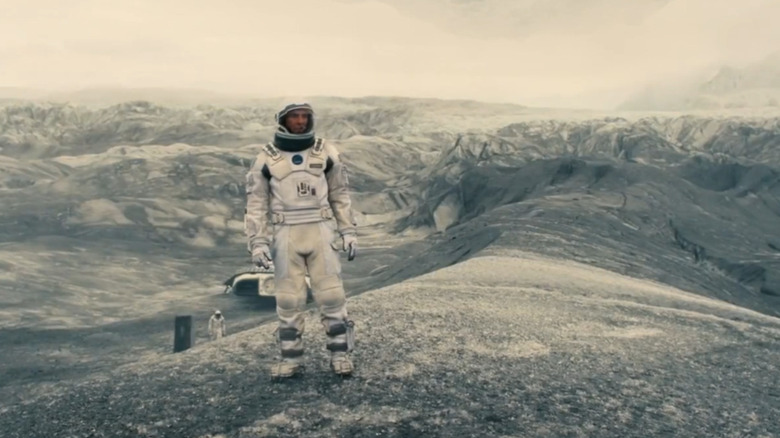
If Nolan’s The Odyssey represents the peak of modern practical effects, Don Chaffey’s Jason and the Argonauts represents the pinnacle of the analog era.
- Visual Legacy: Ray Harryhausen’s stop-motion animation—specifically the iconic skeleton fight—set the standard for how mythical creatures should interact with human actors.
- Comparative Scale: While Nolan uses IMAX to create scale, Harryhausen used meticulous hand-crafted models. Both directors share a "materialist" philosophy: the belief that the audience can sense when an object has physical weight and presence.
3. The Lord of the Rings: The Fellowship of the Ring (2001)
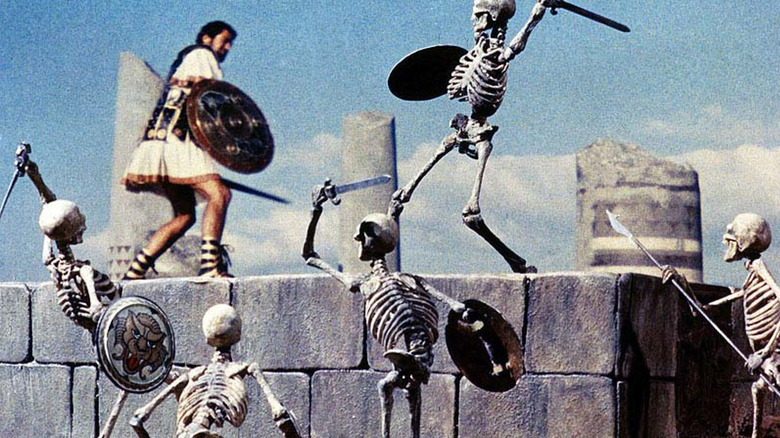
Peter Jackson’s adaptation of J.R.R. Tolkien’s work provides the blueprint for "Tactile Fantasy."
- The Lived-In World: Like Nolan, Jackson insisted on building massive physical sets and filming in real-world locations (New Zealand). This creates a "lived-in" quality that makes the fantastical feel grounded.
- Scope and Scale: The Fellowship of the Ring captures the sheer exhaustion of a long journey, a feeling that Nolan replicates in the grueling sequences of Odysseus’s crew battling the elements.
4. O Brother, Where Art Thou? (2000)
The Coen Brothers proved that The Odyssey is a flexible enough text to survive a radical change in setting.
- Creative Reinterpretation: By transposing the poem to the Depression-era American South, the Coens highlighted the universality of Homer’s archetypes—from the Sirens to the Cyclops (played by John Goodman).
- The "Soggy Bottom" Influence: While Nolan’s film is a serious drama, the Coens’ version reminds us that the "Odyssey" is fundamentally a story about human folly and the strange characters one meets on the road.
5. Troy (2004)
Wolfgang Petersen’s Troy serves as a "prequel" of sorts to the events of The Odyssey.
- The Realistic Approach: Troy famously removed the Greek gods to focus on the politics of war. Nolan’s The Odyssey takes the opposite approach, embracing the supernatural but treating it with the same gravity as a scientific phenomenon.
- Star Power: Brad Pitt’s Achilles provides a fascinating contrast to the more cerebral, strategic Odysseus. Watching Troy helps contextualize the trauma and the "Trojan Horse" guilt that haunts the protagonist in Nolan’s film.
Official Responses and Critical Reception
The industry’s reaction to Nolan’s The Odyssey has been overwhelmingly positive, though not without the typical debates that follow his work.
- Critical Consensus: According to early reviews on platforms like Rotten Tomatoes and Metacritic, the film is being hailed as a "triumph of practical filmmaking." Critics have praised the "Scylla and Charybdis" sequence as one of the most terrifying displays of maritime peril ever filmed.
- The Director’s Statement: In a recent press junket, Christopher Nolan noted: "The Odyssey is the ultimate story of a man trying to find his place in a world that has moved on without him. It’s not just a journey across the sea; it’s a journey through the psyche."
- Industry Analysts: Box office analysts suggest that the film’s success may signal a "New Age of the Epic," encouraging studios to move away from interconnected superhero universes and back toward standalone, prestige adaptations of classical literature.
Implications: The Future of the Blockbuster
The success of The Odyssey carries several significant implications for the future of the film industry:
The Return of Classical Literacy
Nolan’s ability to turn a 2,800-year-old poem into a global event suggests that audiences are hungry for stories with deep cultural roots. We may see a surge in adaptations of other classical works, such as The Aeneid or Paradise Lost, treated with the same high-budget seriousness.
The Practical vs. Digital Debate
By proving that a film involving sea monsters and divine intervention can be made largely through practical means, Nolan has put pressure on other blockbuster directors to reduce their reliance on green screens. The "tactile reality" seen in The Odyssey sets a new bar for visual immersion.
The Re-evaluation of the "Swords and Sandals" Genre
For decades, the "Swords and Sandals" epic was seen as a relic of the 1950s or a niche for "guilty pleasure" action movies. Nolan has elevated the genre to the level of high art, proving that mythic storytelling can be as intellectually stimulating as it is visually spectacular.
In conclusion, The Odyssey is more than just a movie; it is a cinematic event that bridges the gap between the ancient world and the cutting edge of modern technology. Whether through the lens of Nolan’s IMAX cameras or the stop-motion skeletons of the past, the story of the man "skilled in all ways of contending" remains the definitive human narrative.