The Platform Paradox: Analyzing Activision Blizzard’s Revenue Streams Amidst the Microsoft Acquisition
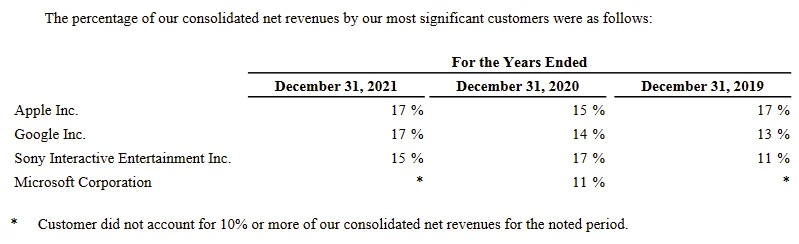
The landscape of the global video game industry is often characterized by the fierce "console wars" between Sony’s PlayStation and Microsoft’s Xbox. However, a granular analysis of Activision Blizzard’s financial disclosures reveals a reality that contradicts popular perception. Despite being the titan behind console staples like Call of Duty, Activision Blizzard’s reliance on Microsoft as a distribution platform was remarkably low prior to the acquisition announcement. Data from the company’s annual reports indicates that Microsoft accounted for less than 10% of Activision Blizzard’s total revenue, while mobile platforms and Sony’s ecosystem commanded significantly larger shares.
This revelation, highlighted by industry analyst Nicholas Lovell of Gamesbrief and Hiro Capital, provides a critical lens through which to view the strategic motivations behind Microsoft’s $68.7 billion bid for the publisher. It also sheds light on the shifting power dynamics of the gaming industry, where traditional consoles are increasingly dwarfed by mobile ecosystems and direct-to-consumer PC platforms.
Main Facts: The Revenue Breakdown
At the heart of the discussion is the 2021 Activision Blizzard annual report, which identifies the company’s primary revenue contributors. In the fiscal year preceding the acquisition announcement, the distribution of wealth across platforms was surprisingly lopsided:
- The Microsoft Minority: Revenue generated through Microsoft platforms (Xbox and Windows Store) was so low that it did not meet the 10% threshold required for individual disclosure in certain reporting segments. This suggests that for all the prestige of Call of Duty on Xbox, it was a relatively small piece of the Activision Blizzard financial pie.
- The Sony Lead: Sony Interactive Entertainment accounted for a significantly higher portion of revenue than Microsoft. In 2020, Sony represented roughly 17% of Activision Blizzard’s total revenue, a figure that remained substantial into 2021.
- The Mobile Dominance: The "Big Two" of mobile—Apple’s App Store and the Google Play Store—represented approximately one-third (33%) of the company’s total revenue. This is largely attributed to the massive success of King (the makers of Candy Crush) and the burgeoning success of Call of Duty: Mobile.
- The "Other" 43%: Perhaps the most startling statistic is that 43% of the company’s revenue came from sources outside the four major platform holders (Apple, Google, Sony, Microsoft). This includes Nintendo, PC sales via Steam and Blizzard’s proprietary Battle.net, advertising revenue, and the massive Chinese market.
Chronology: The Road to the $68.7 Billion Merger
To understand how Activision Blizzard reached this diversified state, one must look at the strategic pivots made over the last decade.
2016: The King Acquisition
The most significant turning point in Activision Blizzard’s revenue structure was the $5.9 billion acquisition of King Digital Entertainment in 2016. This move was designed to insulate the company from the cyclical nature of console releases. By bringing Candy Crush into the fold, Activision Blizzard gained a permanent foothold in the mobile market, which has since grown to become the company’s most consistent revenue driver.
2019–2020: The Mobile Expansion and Pandemic Surge
The launch of Call of Duty: Mobile in late 2019 proved that AAA console franchises could successfully migrate to handheld devices. During the COVID-19 pandemic, engagement across all platforms soared. By 2020, the "Big Four" platforms (Apple, Google, Sony, Microsoft) accounted for 57% of revenue, highlighting the industry’s consolidation around a few gatekeepers, even as the "Other" category remained robust.
January 2022: The Microsoft Announcement
Microsoft stunned the industry by announcing its intent to acquire Activision Blizzard for $95.00 per share in an all-cash transaction. The deal was framed not just as a console play, but as a "Mobile and Metaverse" play, with Microsoft CEO Satya Nadella emphasizing the importance of King and mobile gaming in the company’s future growth.
August 2022: Regulatory Scrutiny
By mid-2022, the Federal Trade Commission (FTC) in the United States and the Competition and Markets Authority (CMA) in the UK began deep-dive investigations. Analysts began pointing to the revenue data to argue both for and against the merger’s potential for anti-competitive harm.

Supporting Data: A Deep Dive into the "Hidden" Revenue
The fact that 43% of revenue comes from "elsewhere" is the key to understanding Activision Blizzard’s leverage. This "elsewhere" is composed of several high-margin pillars:
1. The Battle.net Ecosystem
Unlike many publishers who rely on Steam (which takes a 30% cut), Blizzard Entertainment has long maintained its own PC launcher, Battle.net. This allows the company to keep 100% of the revenue from World of Warcraft subscriptions, Hearthstone card packs, and Overwatch microtransactions. This direct-to-consumer model is a significant profit driver that bypasses the traditional platform holders.
2. The Nintendo Factor
While Call of Duty has been famously absent from Nintendo platforms for years, other titles like Diablo III, Overwatch, and Crash Bandicoot have performed well on the Switch. However, because Nintendo accounts for less than 10% of total revenue, it remains lumped into the "Other" category, underscoring how much room for growth remains for Activision in the handheld console space.
3. International Markets and Licensing
A substantial portion of the "Other" category includes licensing deals in China, primarily through NetEase (at the time of the 2021 report). China represents one of the largest gaming markets in the world, and Activision’s presence there, particularly with World of Warcraft and Call of Duty Mobile, contributed significantly to the bottom line without flowing through Western platform holders like Microsoft or Sony.
Official Responses: Regulators vs. The Giants
The disparity in revenue between Sony and Microsoft has become a focal point in the legal battles surrounding the merger.
Microsoft’s Defense:
Microsoft has frequently used these statistics to downplay its market power. Their legal teams argue that because they are in "third place" in the console market and have a negligible presence in mobile, the acquisition is "pro-competitive" because it allows them to compete more effectively with Sony and mobile giants like Tencent and Apple.
Sony’s Objection:
Sony Interactive Entertainment, led by CEO Jim Ryan, has voiced vehement opposition. Sony’s argument is built on the "uniqueness" of Call of Duty. They contend that even if Microsoft currently represents a small portion of Activision’s revenue, the power to make Call of Duty exclusive—or even to provide a "degraded" version on PlayStation—would give Microsoft an unfair advantage that could force consumers to switch ecosystems.
The FTC’s New Doctrine:
Under the leadership of Chair Lina Khan, the FTC has signaled a shift away from the traditional "Consumer Welfare Standard," which only looked at whether a merger would raise prices. Instead, the FTC is looking at "vertical foreclosure"—the idea that a company could use its control over a vital input (like Call of Duty) to harm rivals, regardless of the immediate impact on consumer pricing.

Implications: The Future of the Gaming Economy
The realization that Microsoft accounted for less than 10% of Activision Blizzard’s revenue has several long-term implications for the industry.
The Pivot to Mobile is Absolute
The data confirms that for a modern gaming "mega-publisher," mobile is no longer a side project; it is the foundation. Microsoft’s acquisition is less about winning the Xbox vs. PlayStation war and more about gaining an immediate, massive presence on the billions of smartphones worldwide. By acquiring King, Microsoft gains a seat at the table with Apple and Google.
The Walled Garden Strategy
The 43% "Other" revenue highlights the value of owning the distribution platform. This explains why Microsoft is keen on creating a "Universal Xbox Store" that works across PC, console, and mobile. They want to capture the margins that Activision Blizzard was previously keeping for itself through Battle.net or giving to other third parties.
The End of the High-End Console as the Center of the Universe
If consoles (excluding PC) represent only about one-third of the revenue for the world’s largest independent publisher, the industry has officially moved past the "console-centric" era. We are entering a "Content-First" era where the platform is secondary to the IP. This explains why Microsoft is willing to pay such a massive premium; they are buying the content that will allow them to survive in a world where hardware becomes increasingly irrelevant.
Regulatory Precedents
The FTC’s scrutiny of this deal, despite Microsoft’s relatively small share of Activision’s current revenue, suggests that future tech acquisitions will be judged on potential market influence rather than current market share. This could stall further consolidation in the industry, as other giants like Sony, Tencent, or Amazon look to snap up remaining independent publishers like Ubisoft or Take-Two.
In conclusion, the financial charts of Activision Blizzard reveal a company that had already outgrown the "Xbox vs. PlayStation" narrative long before Microsoft came knocking. While the public remains focused on console exclusivity, the real battle is being fought over mobile dominance and the ability to bypass platform fees through direct-to-consumer ecosystems. Microsoft isn’t just buying a game developer; they are buying a diversified revenue engine that, until now, they had very little part in.