The $250 Million Subnautica Standoff: Delaware Court Rules Against Krafton in Earnout Dispute
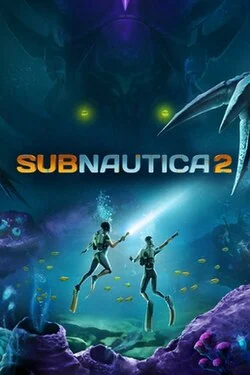
The high-stakes legal battle between South Korean gaming giant Krafton and the founders of Unknown Worlds, the studio behind the critically acclaimed Subnautica series, has reached a pivotal turning point. In a scathing preliminary ruling from the Delaware Court of Chancery, a judge has found that Krafton acted in breach of contract when it terminated the studio’s leadership in an apparent attempt to dodge a $250 million earnout payment.
The ruling marks the conclusion of the first phase of a litigation process that has sent shockwaves through the gaming industry’s M&A (mergers and acquisitions) landscape. The case centers on allegations of "corporate sabotage" and "bad faith" maneuvers designed to strip the founders of their contractual right to bonuses tied to the performance of the upcoming Subnautica 2.
Main Facts: A Breach of Contract and a Reinstated CEO
At the heart of the dispute is a $250 million earnout agreement established during Krafton’s acquisition of Unknown Worlds in 2021. Earnouts are common in the video game industry; they allow a purchasing company to pay a lower upfront price while promising additional payments if the acquired studio hits specific financial or development milestones.
However, as the release of Subnautica 2 approached and the likelihood of hitting those milestones increased, the relationship between the parent company and the subsidiary soured. Krafton moved to terminate the founders of Unknown Worlds—most notably CEO Edward Gill—claiming the dismissals were "for cause." Under the terms of the acquisition, a "for cause" termination would effectively nullify the founders’ rights to the $250 million earnout.
The Delaware judge, however, saw through the maneuver. In the Phase 1 ruling, the court concluded that Krafton failed to provide sufficient evidence for a "for cause" termination and had, in fact, breached the acquisition agreement.
Key findings from the court include:
- Invalidation of Dismissal: The court ruled that the grounds for firing Edward Gill and his co-founders were unsubstantiated.
- Reinstatement of Leadership: Edward Gill has been legally reinstated as CEO of Unknown Worlds.
- Injunctive Relief: The court issued an injunction preventing Krafton from interfering with Gill’s authority, specifically regarding the critical Early Access launch of Subnautica 2.
- Timeline Extension: To account for the period during which the founders were ousted, the judge extended the earnout window by the exact duration of their absence, ensuring Krafton cannot benefit from the delay they caused.
Chronology: From Acquisition to Courtroom
The timeline of this dispute highlights a deteriorating relationship between a global publisher and a creative powerhouse.
- October 2021: Krafton acquires Unknown Worlds. The deal is structured with a significant upfront payment and a massive $250 million earnout clause linked to the future success of the Subnautica franchise.
- 2022–2024: Unknown Worlds operates with relative autonomy, focusing on the development of Subnautica 2. Early internal projections suggest the game is poised to be a massive commercial success, potentially triggering the full earnout.
- Late 2025: Tensions emerge regarding the monetization and direction of Subnautica 2. Krafton begins an internal audit of Unknown Worlds’ leadership.
- January 2026: Krafton abruptly fires Edward Gill and other key founders, citing unspecified "conduct detrimental to the company." The founders immediately file suit in Delaware, alleging the move was a bad-faith attempt to avoid the earnout.
- March 17, 2026: The Delaware Court of Chancery releases its Phase 1 decision, ruling in favor of the founders and reinstating Gill.
- Future (Phase 2): The court will move to the second phase of litigation to determine if Krafton’s actions "wrongfully impaired" the earnout and what financial damages are owed to the founders.
Supporting Data: The Value of Subnautica
To understand why Krafton would risk a legal firestorm to avoid a $250 million payment, one must look at the financial weight of the Subnautica IP. The original Subnautica and its expansion, Below Zero, have sold over 15 million units combined. For Krafton, which is heavily reliant on the PUBG (PlayerUnknown’s Battlegrounds) ecosystem, Subnautica represents its most significant foothold in the Western PC and console market.
The $250 million earnout represents roughly 50% of the estimated initial purchase price of the studio. In the current economic climate, where many gaming giants are looking to trim costs and maximize margins, a quarter-billion-dollar liability on the balance sheet is a significant hurdle.
Discovery documents shared during the trial revealed that Krafton’s internal communications became increasingly focused on the "earnout liability" as Subnautica 2 neared its Early Access window. Analysts suggest that if Subnautica 2 performs even moderately better than its predecessor, the founders would be almost guaranteed the full payout—a scenario Krafton’s executive board reportedly sought to avoid at any cost.

Official Responses: Defiance and Vindication
The response to the ruling has been polarized, reflecting the high stakes for both the individuals involved and the corporate entity.
From the Founders:
In a statement following the ruling, Edward Gill expressed relief but remained focused on the work ahead. "We are gratified that the court saw this for what it was: a transparent attempt to rewrite a contract after the fact. Our priority has always been the players and the integrity of Subnautica 2. I look forward to returning to the studio and ensuring the Early Access launch meets the expectations of our community."
From Krafton:
Krafton’s official response was more measured, signaling a potential intent to appeal or continue the fight in Phase 2. "While we respect the court’s preliminary findings, we maintain that our actions were taken in the best interest of the studio’s long-term health and corporate governance. We are currently reviewing our legal options and remain committed to the success of the Subnautica franchise."
Industry Commentary:
Rami Ismail, a prominent voice in the independent development scene who shared the discovery documents, noted that this case serves as a "cautionary tale" for developers. "This is exactly why founders are terrified of acquisitions. You build something beautiful, you sell it for a life-changing sum, and then the parent company tries to find a loophole to keep the change. This ruling is a win for every developer who has ever signed an earnout agreement."
Implications: A Precedent for the Industry
The Delaware court’s decision carries profound implications for the video game industry and the broader world of corporate M&A.
1. Protection of Earnout Structures
The ruling reinforces the "implied covenant of good faith and fair dealing" that exists in contract law. By reinstating the CEO and extending the earnout window, the judge sent a clear message: parent companies cannot use their administrative power to sabotage the very milestones they agreed to pay for. This will likely lead to more robust protections in future acquisition contracts.
2. The "For Cause" Shield
Large corporations often use "for cause" terminations as a tool to avoid severance or contractual obligations. This case highlights the high burden of proof required to sustain such a claim in a court of law. It may discourage other publishers from using similar tactics to shed expensive executive talent during the final stages of a project.
3. Impact on Subnautica 2
For the fans, the reinstatement of Edward Gill is seen as a positive development. There were widespread fears that Krafton’s intervention would lead to the over-monetization of the sequel—specifically through "Live Service" elements that the original community had rejected. With Gill back at the helm, the creative vision of the game is likely to remain closer to its roots. However, the internal friction caused by this lawsuit may still lead to delays or cultural fractures within the studio.
4. Krafton’s Reputation
Krafton has spent years trying to transition from a "one-hit wonder" (PUBG) to a diversified global publisher. This legal battle is a significant blow to their reputation as a "developer-first" partner. Potential acquisition targets in the future will likely look at the Unknown Worlds situation with extreme caution, potentially driving up the "trust premium" Krafton will have to pay in future deals.
Conclusion
As the litigation moves into its second phase, the focus will shift from the legality of the firings to the calculation of damages. If the court finds that Krafton’s interference actively harmed the development or marketing of Subnautica 2, the final bill for the South Korean publisher could exceed the original $250 million earnout.
For now, the makers of Subnautica have secured a rare victory against a corporate titan. The case stands as a stark reminder that in the world of high-finance gaming deals, the "game" doesn’t end when the contract is signed—sometimes, the most difficult levels are played out in a courtroom.