The Nameless Mod: A Fan-Made Masterpiece That Redefines Deus Ex Sequels
Seven years in the making, a fan project born from a niche online forum has emerged not only as a testament to dedication but as a potential contender for the throne of Deus Ex’s finest sequel. "The Nameless Mod" (TNM), a sprawling, ambitious creation, challenges the conventional notions of what a fan-made game can achieve, offering an experience that rivals, and in some aspects surpasses, official entries in the beloved franchise.
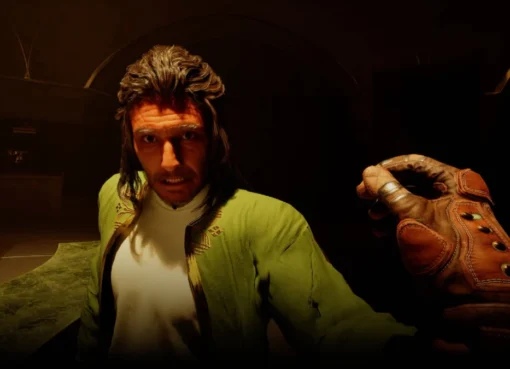
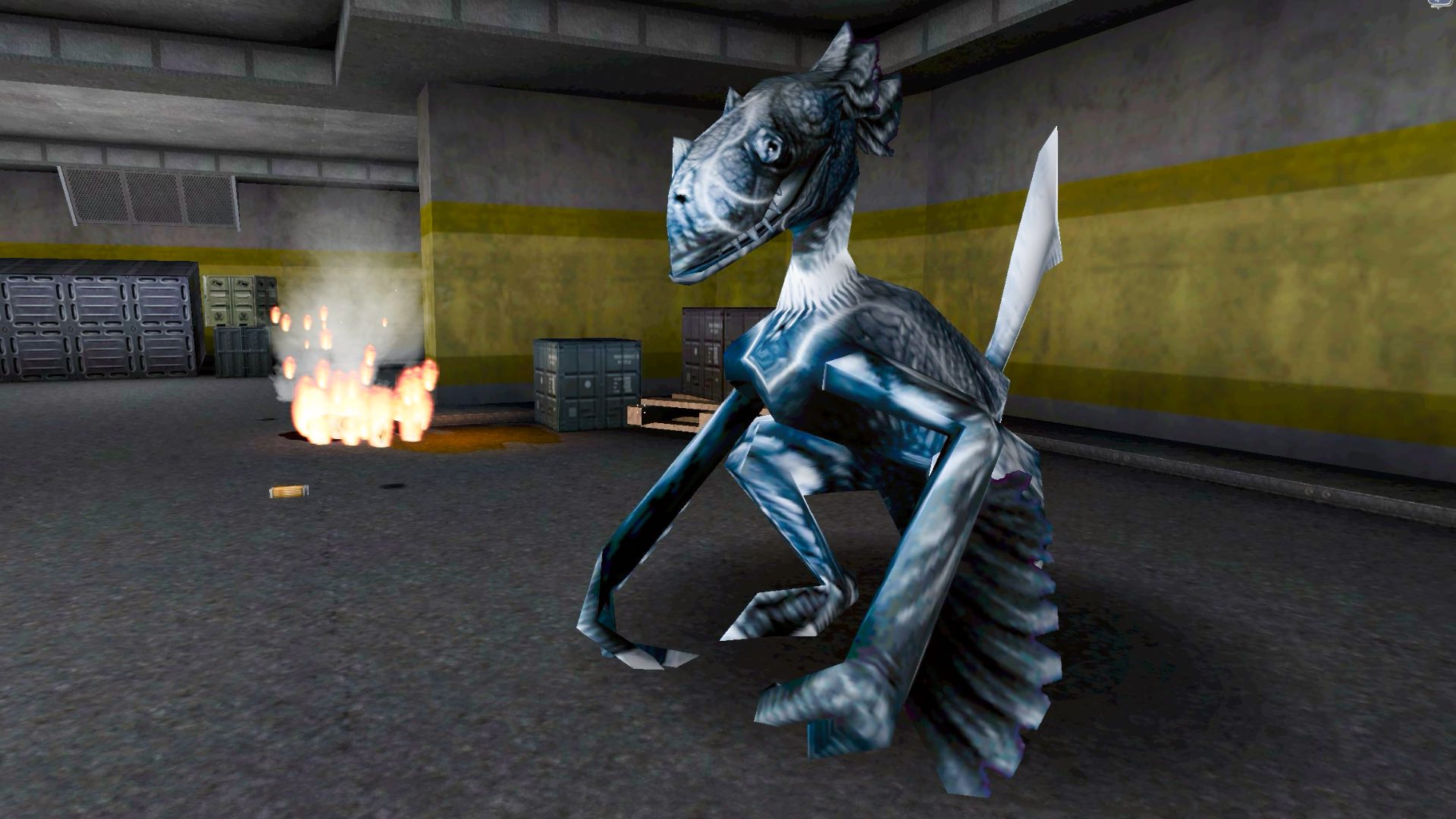
The initial pitch for "The Nameless Mod" is, to put it mildly, unconventional. Imagine a Deus Ex fan mod, developed over seven years, set within a Deus Ex forum where the moderator has been abducted. The game’s factions are as bizarre as they are memorable, featuring groups like "goat worshippers" and "llama devotees." Enemies wield sporks, and the dialogue is peppered with unique phrases like "What the radish?"—all delivered without a hint of irony. Adding to its distinct charm, the vast majority of voice actors are actual members of the forum where the game is set, portraying themselves and utilizing microphones that capture the distinct sonic quality of the mid-2000s internet.
This peculiar premise, which might initially deter some, is precisely what makes "The Nameless Mod" so compelling. It distills the very essence of what makes the Deus Ex series so captivating: a deep, intricate world, player agency, and a narrative that thrives on conspiracy and intrigue, all wrapped in a unique and often darkly humorous package. As this article will explore, TNM is not just a commendable fan project; it’s a significant achievement that stands shoulder-to-shoulder with, and perhaps even surpasses, the official sequel, "Deus Ex: Mankind Divided," in its ability to capture and expand upon the spirit of the original game.
The Genesis of a Legend: A Seven-Year Odyssey
The journey of "The Nameless Mod" began not with a corporate mandate or a studio budget, but with the passion of a dedicated community. The development process, spanning an impressive seven years, is a testament to the unwavering commitment of its creators. This extended gestation period allowed for a level of detail and polish rarely seen in fan projects, transforming a kernel of an idea into a fully realized, playable world.
The mod’s origins can be traced back to the vibrant online communities that blossomed around the original "Deus Ex." These forums became incubators for creativity, where fans not only discussed lore and strategies but also began to envision their own expansions and sequels. "The Nameless Mod" emerged from this fertile ground, a collective dream nurtured by a shared love for the game’s unique blend of cyberpunk dystopia, political intrigue, and player freedom.
The initial announcement and early development stages likely garnered attention from a dedicated subset of the Deus Ex fanbase. However, the sheer ambition of the project—creating an entirely new narrative and world within the existing engine—meant that its release was a highly anticipated event for those in the know. The protracted development cycle, while a testament to the team’s meticulous approach, also meant that the mod had to overcome the inherent challenges of evolving technology and shifting player expectations.
A World Unlike Any Other: Forum City and Its Denizens
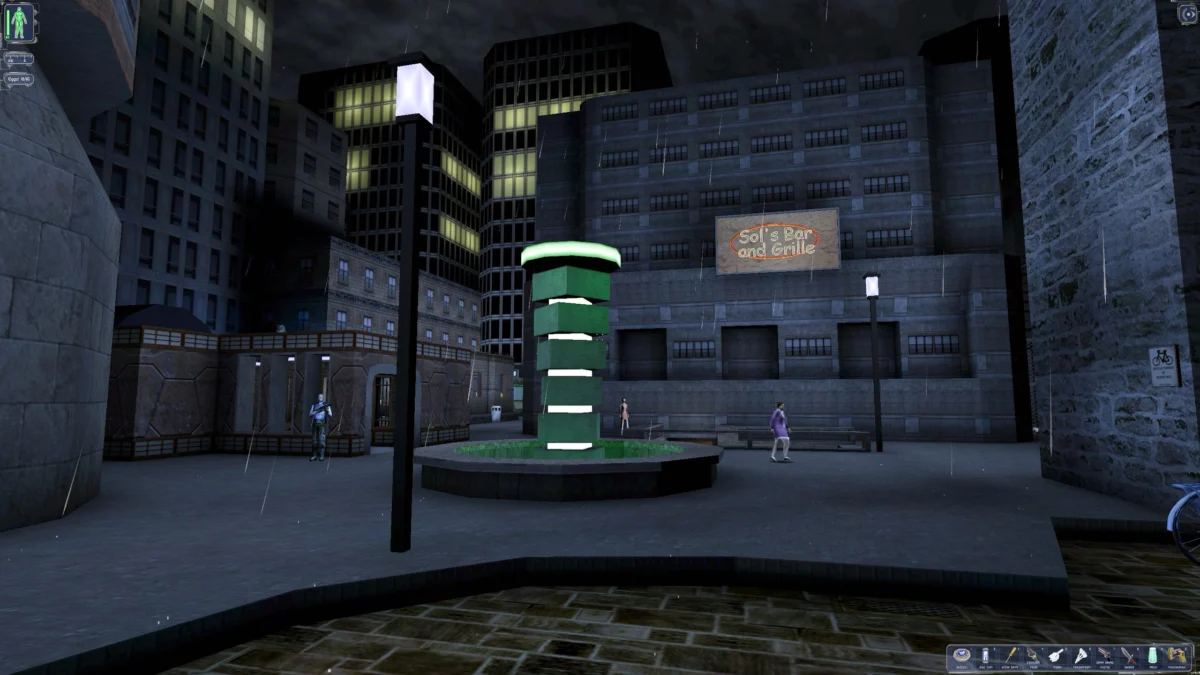
The setting of "The Nameless Mod" is what immediately sets it apart. Instead of a sprawling metropolis or a clandestine corporate headquarters, players are thrust into "Forum City," a digital realm meticulously crafted to resemble an online forum. This meta-narrative conceit is not merely a gimmick; it’s integral to the game’s identity and its exploration of community, identity, and the very nature of digital existence.
The factions within Forum City are a vibrant reflection of the internet’s often eccentric subcultures. The "goat worshippers" and "llama devotees" are not just arbitrary additions; they represent the diverse and sometimes cult-like followings that can form around niche interests online. This inclusion injects a healthy dose of surreal humor into the game, while also subtly commenting on the human tendency to form allegiances and belief systems, even in the most unconventional of environments.
The inclusion of elements like sporks as weaponry and idiosyncratic catchphrases like "What the radish?" might seem like cheap jokes. However, within the context of Forum City, they contribute to a unique and internally consistent comedic tone. This humor is not gratuitous; it serves to underscore the game’s playful subversion of typical dystopian tropes and its embrace of the absurdities inherent in online communities.
Furthermore, the decision to cast actual forum members as voice actors is a stroke of genius. It imbues the game with an unparalleled sense of authenticity and personal connection. Hearing the voices of individuals who are genuinely invested in the world they inhabit adds a layer of raw, unfiltered character that is often missing in professionally voiced games. While the audio quality might reflect the limitations of mid-2000s microphones, it contributes to the game’s nostalgic charm and its grounding in the very community it represents. This "lo-fi" approach paradoxically enhances the immersive quality, reminding players of the human element behind the digital facade.
A Legacy of Acclaim: Early Recognition and Evolution
The quality of "The Nameless Mod" was recognized early on by prominent gaming publications. As far back as June 2010, PC Gamer magazine, in issue #201, featured the mod, with writer Tom Francis highlighting its "Deus Ex sense of adventure." This early endorsement from a respected source validated the creators’ efforts and signaled to a wider audience that TNM was more than just a typical fan project; it was a serious contender in the realm of Deus Ex-inspired experiences.
The fact that PC Gamer’s assessment remains relevant today, even after significant updates, speaks volumes about the mod’s enduring quality. The author of the current article notes a compelling reason to revisit TNM: its substantial "2.0 overhaul," a massive update that has further refined and expanded upon the original release. This continuous development, even years after its initial launch, showcases the team’s dedication to improving and enhancing the player experience, a trait often lacking in the rushed development cycles of commercial titles.
The article’s author engagingly positions TNM as a potential rival to "Mankind Divided" for the title of Deus Ex’s best sequel. This bold assertion stems from TNM’s ability to capture the intricate world-building, narrative depth, and player freedom that defined the original "Deus Ex," elements that some critics felt were diluted in later official installments. The comparison to "Mankind Divided" is particularly significant, as it acknowledges the strengths of a commercially produced game while simultaneously championing a free, fan-made project.
The "Deus Ex Sense of Adventure": Core Gameplay and Design Philosophy
At its heart, "The Nameless Mod" succeeds because it deeply understands and faithfully recreates the core gameplay loop of the original "Deus Ex." This includes the emphasis on exploration, environmental interaction, and the freedom to approach objectives through stealth, combat, or hacking. The mod developers have clearly poured over the blueprints of the original game, dissecting its mechanics and philosophies to reconstruct them in their own creation.
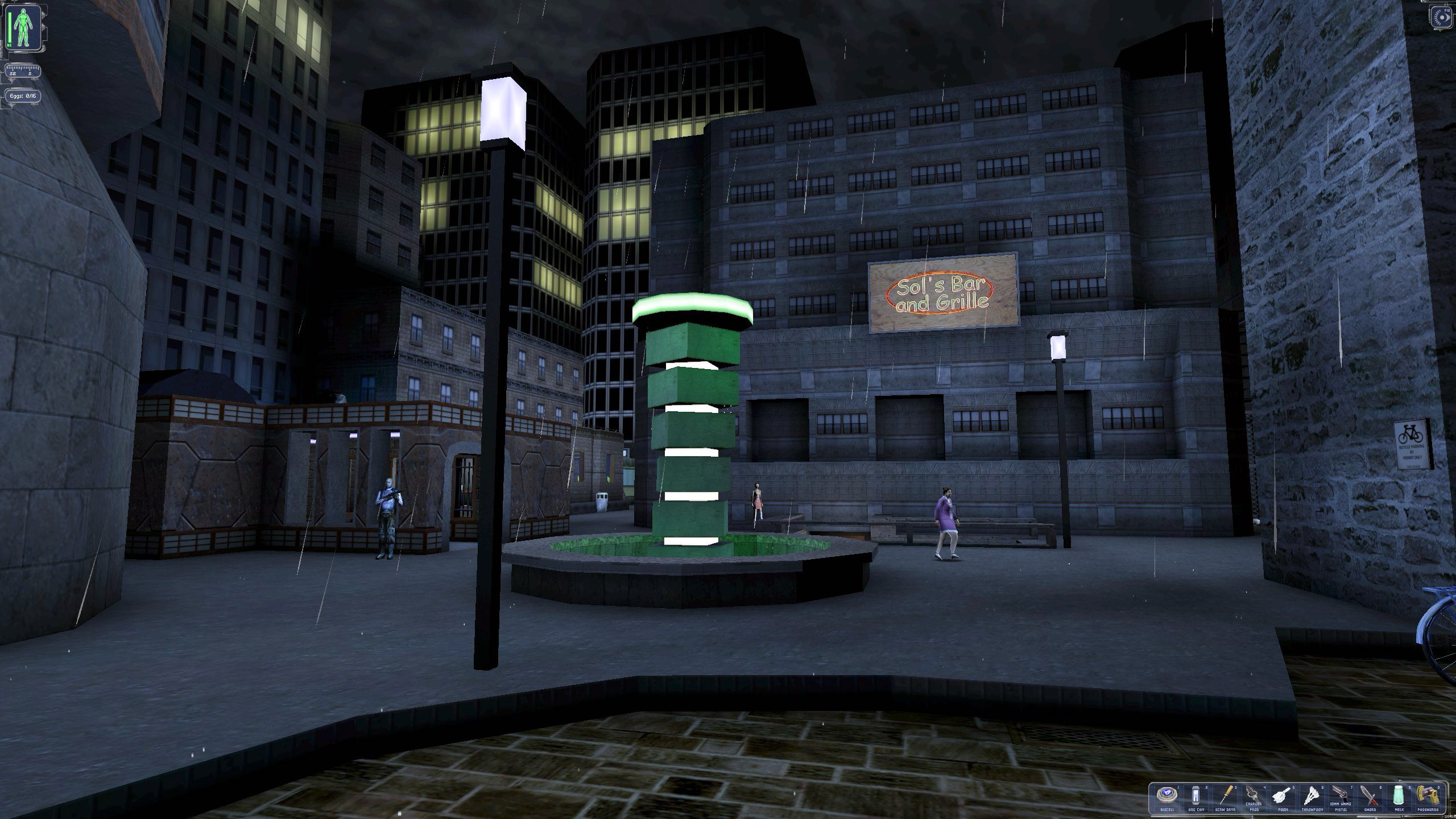
The game’s hub areas, particularly Forum City, are designed to evoke the sense of discovery that players experienced in the original "Deus Ex." The article likens the experience to exploring Jock’s apartment in Hong Kong, suggesting that the mod’s creators sought to transform that feeling of emergent discovery into the entire game. This implies a design philosophy focused on dense environments filled with secrets, lore, and optional encounters, rewarding players who deviate from the main path and engage with the world.
The "2.0 overhaul" is highlighted as a significant improvement, particularly in the pacing and density of these environments. The original game’s hub areas were described as "weirdly vast," akin to the Mongolian steppe as a city street, potentially as a deliberate counterpoint to the cramped levels of "Deus Ex: Invisible War." The 2.0 update has addressed this by "corseting the original levels into a series of snaking alleys that feel more cluttered and vertical." This redesign aims to make the game’s numerous secrets feel more accessible and integrated, transforming them from distant "oases in a desert" to readily discoverable "needles in a needlestack." This optimization demonstrates a keen understanding of player experience and a commitment to iterative improvement based on feedback and self-assessment.
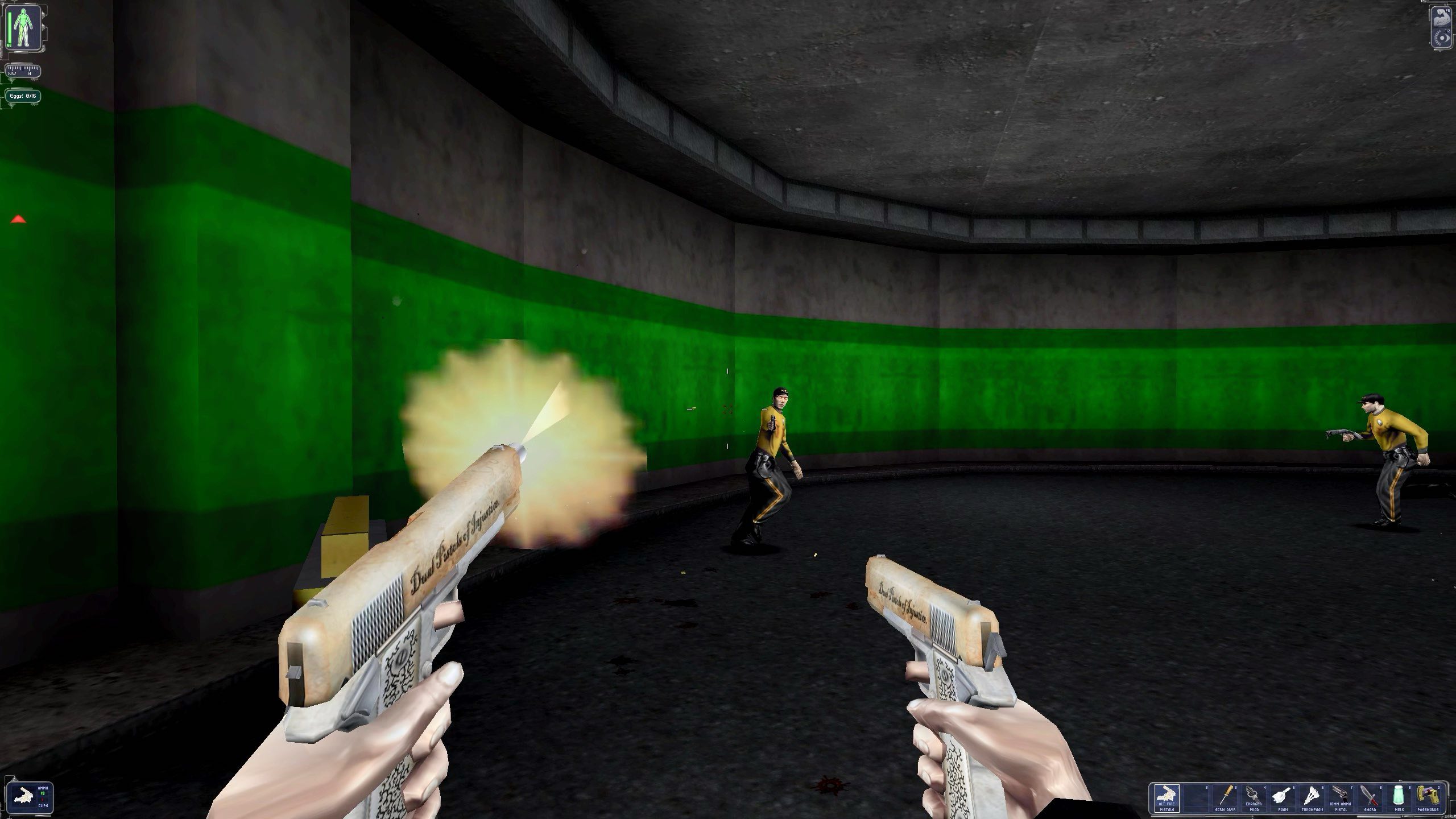
The mod’s philosophical approach to content creation is characterized by a "chuck it in" mentality, born from the freedom of volunteer development. This allowed for the inclusion of ambitious features that pushed the boundaries of the Deus Ex engine. The article specifically mentions:
- Dual-wielding: A feature not present in the original game, offering new combat possibilities.
- Divergent main quest paths: The inclusion of two completely separate main questlines that further branch out, offering significant replayability and player choice.
- A sprawling central city hub: This is directly compared to the Prague hub in "Mankind Divided," suggesting TNM was envisioning such expansive social spaces years before its official counterpart.
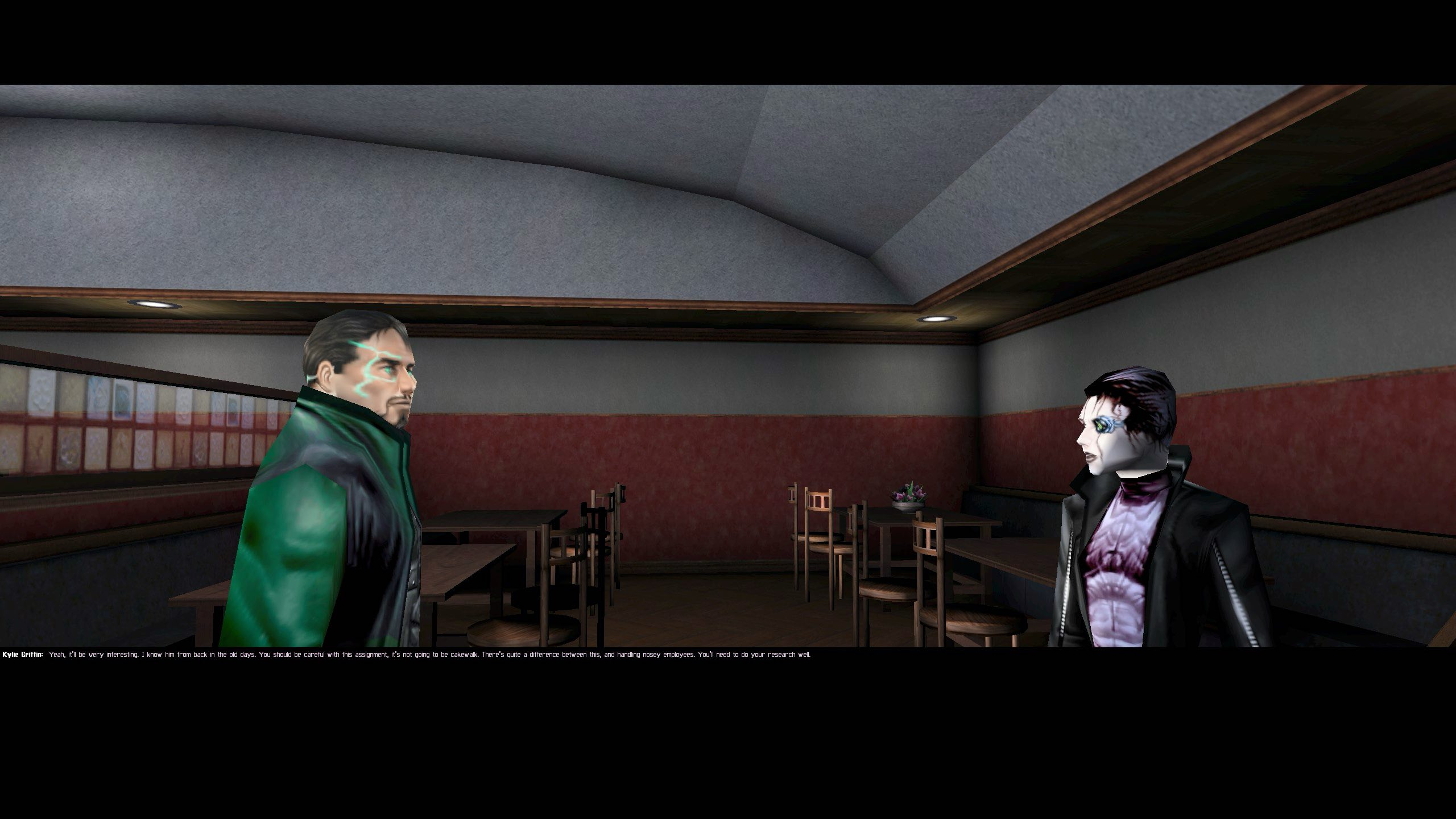
- Cinematic and ambitious cutscenes: The mod features cutscenes that are described as "a thousand times more cinematic and ambitious than anything Ion Storm attempted in the original game," showcasing a desire to push the narrative presentation forward.
- Varied and exotic environments: The inclusion of an "Arctic level" and even a "Space level" demonstrates the boundless creativity and ambition of the development team, pushing the game beyond conventional settings.
The fact that such an ambitious project, with so many disparate elements, not only came to fruition but also functions cohesively is presented as nothing short of a "miracle." This highlights the extraordinary achievement of the modding team.
The Humor and The Heart: Wit, Conspiracy, and Deus Ex DNA
While "The Nameless Mod" is undeniably a work of love and technical skill, its true brilliance lies in its ability to weave together its eccentric humor with a compelling, conspiracy-laden narrative. The author acknowledges that the mod is filled with "stupid jokes made by clever people." The sporks and foons, while dated, are presented as a minor element within the larger tapestry of the game.
The core of TNM’s narrative strength is its ability to extract an intriguing conspiracy from a seemingly nonsensical premise: the abduction of a forum moderator. This speaks to the developers’ understanding of what makes a Deus Ex story engaging. They tap into the fundamental appeal of uncovering hidden truths, exploring shadowy organizations, and piecing together a complex puzzle.
The comparison to the original "Deus Ex" is central to this point. When players find themselves breaking into the underground labs of the sinister "WorldCorp HQ," the experience is likened to hacking every desktop in the VersaLife building in the original game. This evokes a similar sense of immersion and the thrill of discovery. However, the narrative twist is that WorldCorp is helmed by a character who is "inexplicably yellow" and refers to the player as "Trescock," a humorous subversion of the more serious antagonists of the original game. This juxtaposition of the familiar Deus Ex formula with quirky, original elements is a hallmark of TNM’s success.
The article posits that "The Nameless Mod" is the "Gallant" to "Invisible War’s" "Goofus." This is a strong statement, suggesting that while the official sequel "stripped back, reduced, and boiled down everything that made the first game great," TNM embraced the original’s spirit by "grab[bing] all of Deus Ex’s edges and pull[ing], stretching them out into something wider and wilder." This perspective is particularly relevant in the current "drought of all things Deus Ex," positioning TNM as a vital and satisfying experience for fans craving more of the series’ signature gameplay and thematic elements.
The Verdict: A Must-Play for Deus Ex Enthusiasts
"The Nameless Mod" stands as a remarkable achievement in the realm of fan-made games. Its unique premise, ambitious scope, and deep understanding of the Deus Ex formula combine to create an experience that is both hilarious and compelling. The mod’s ability to capture the "Deus Ex sense of adventure" while forging its own distinct identity is what truly sets it apart.
The "2.0 overhaul" has further solidified its position as a top-tier fan project, refining its environments and enhancing its pacing. For any player who cherishes the original "Deus Ex" and laments the perceived missteps of its successors, "The Nameless Mod" offers a potent dose of what made the series so beloved. It is a testament to the power of community, the dedication of passionate creators, and the enduring appeal of a well-crafted immersive sim.
In an era where new Deus Ex titles are scarce, "The Nameless Mod" provides a rich, expansive, and utterly unique playground for fans. It’s a game that respects its source material while boldly forging its own path, proving that sometimes, the most inspired sequels come not from official studios, but from the heart of a dedicated community. For those seeking to dive back into the world of Deus Ex, or to experience a masterclass in fan game development, making an account in Forum City in 2026 is an absolute necessity.
How to Experience The Nameless Mod:
For those eager to embark on this extraordinary adventure, "The Nameless Mod" is readily accessible. Players can find it on ModDB, a premier platform for user-created game modifications. Alternatively, for a more streamlined experience, the mod can be subscribed to via the Steam Workshop for Deus Ex: Revision. This latter option simplifies the installation process, allowing players to jump into the game with ease.