Baselair: Forging a Haven for Miniature Painters in the Algorithmic Age
The Digital Divide for Artists: Battling the Algorithm Mountain
In the vast, often indifferent expanse of the internet, the journey of an artist, particularly a painter, can be a solitary and challenging one. The pervasive dominance of algorithms in contemporary online spaces has inadvertently created a landscape where exceptional talent can easily go unnoticed. These digital gatekeepers, designed to feed users an endless stream of content based on past interactions, inadvertently create echo chambers that celebrate the already-successful, often at the expense of emerging voices. For new painters, this constant parade of award-winning, highly praised work can have a profoundly stultifying effect, quickly sapping enthusiasm and fostering a sense of inadequacy. When one’s own nascent efforts pale in comparison to the polished masterpieces constantly showcased, losing heart is not merely a possibility but an entirely natural, almost inevitable, outcome.
This prevailing digital environment, characterized by intense competition and a scarcity of genuine discoverability for new talent, has left many artists yearning for an alternative. It’s a question that has resonated deeply within the miniature painting community, a niche but passionate segment of the art world where intricate detail and dedication define the craft. This pervasive sentiment of frustration and the desire for a more supportive ecosystem formed the genesis of Baselair, a novel platform conceived by Matt Farley.
Baselair: A New Horizon for Miniature Artists
At Tabletop Battles, our editorial ethos has always championed projects that endeavor to cultivate community and camaraderie within hobby spaces, actively counteracting the draining effects of endless competition and comparison. These negative dynamics often disproportionately impact painters who have not yet scaled the dizzying heights of "Algorithm Mountain," where visibility is dictated by metrics rather than merit or genuine artistic exploration.
It was with considerable delight, therefore, that we encountered Baselair, a quasi-social network meticulously designed with miniature painting as its singular, unwavering focus. The platform boldly declares itself "The Best Community for Miniature Painters," a choice of words that is both intriguing and profoundly revealing. While the ambition to become the definitive "Place To Go" for miniature artists is clear, the very core of the project is nestled firmly in the spirit of community and friendly interaction. This stands in stark contrast to the often-toxic competitive atmosphere and constant self-comparison fostered by generalist social networks like Facebook and Instagram, where engagement metrics often overshadow artistic growth and mutual support.
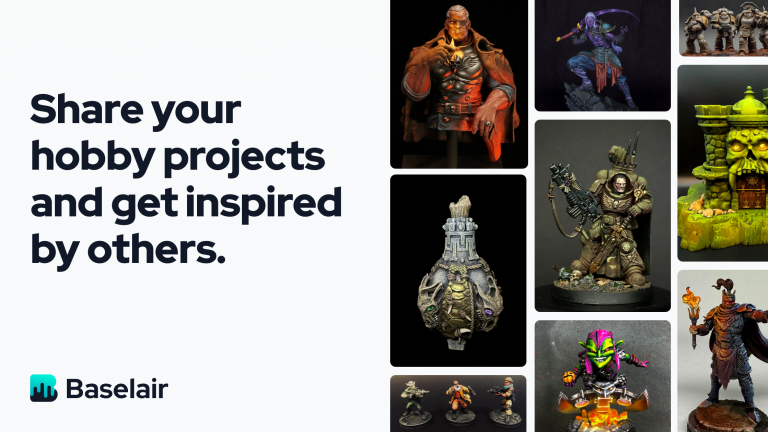
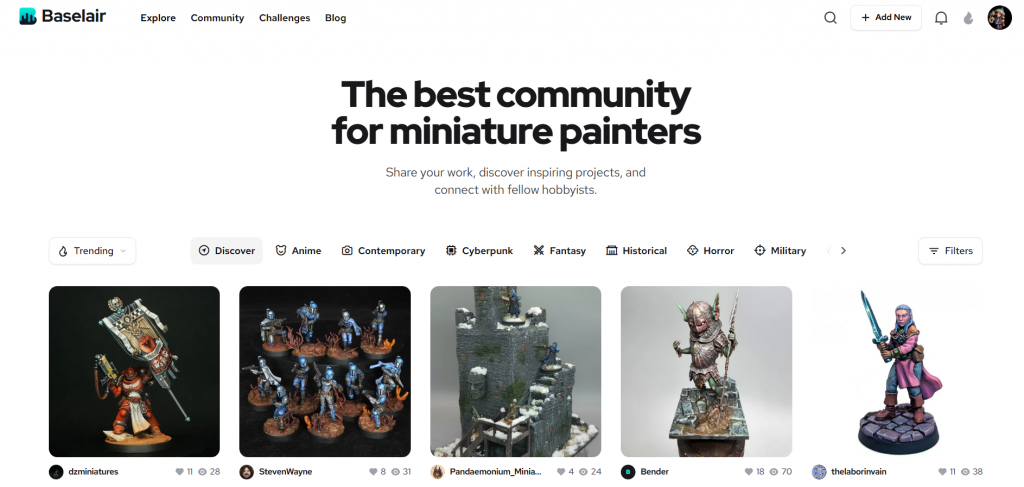
Baselair’s design immediately signals its commitment to its core mission. The front page greets visitors with a clean, organized grid of square thumbnails, inviting exploration. Intuitive tabs allow users to filter content by theme, trending pieces, or the latest submissions, providing a degree of discoverability far beyond the often-opaque mechanisms of mainstream platforms. This visual-first approach ensures that the artwork itself takes center stage, allowing users to quickly immerse themselves in a curated gallery of miniature masterpieces and works-in-progress.
Redefining Engagement: Projects, Posts, and Purposeful Interaction
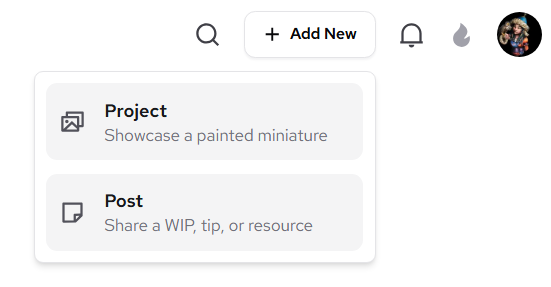
The platform distinguishes itself further through its nuanced approach to content submission. Baselair offers two primary types of posts, each serving a distinct purpose in fostering a rich and varied community experience:
- Project Posts: These are dedicated to showcasing a completed piece, allowing painters to present their finished works in detail. This format encourages a sense of accomplishment and provides a structured way for artists to share their ultimate creations.
- General Posts: Less formal and "less weighty," these posts are designed for sharing valuable tips, useful resources, and crucial "Works-in-Progress" (WIPs). This category encourages dialogue, peer learning, and a transparent view into the artistic process, demystifying the journey for beginners and offering insights for seasoned veterans alike.
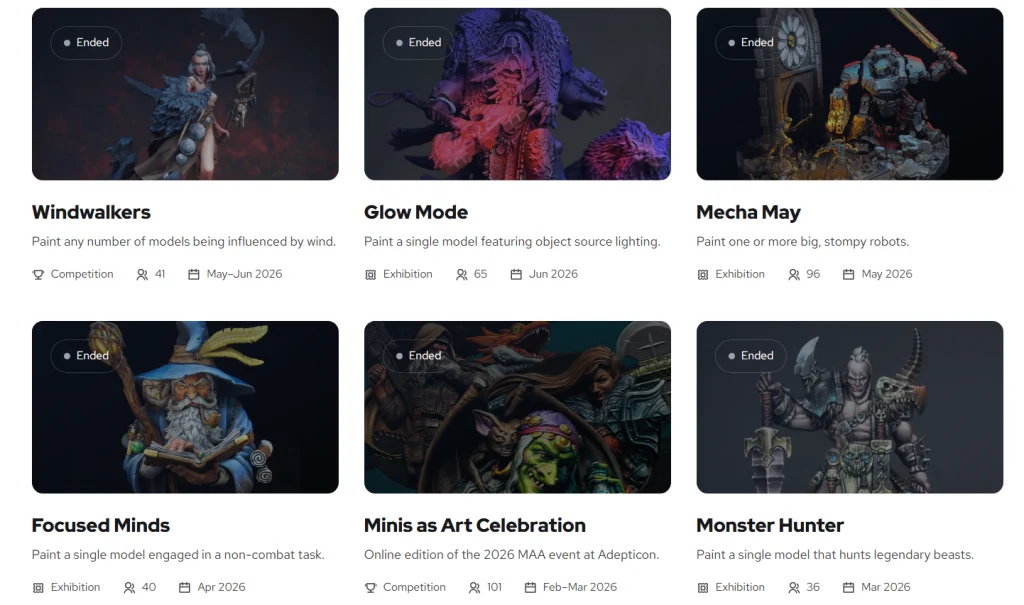
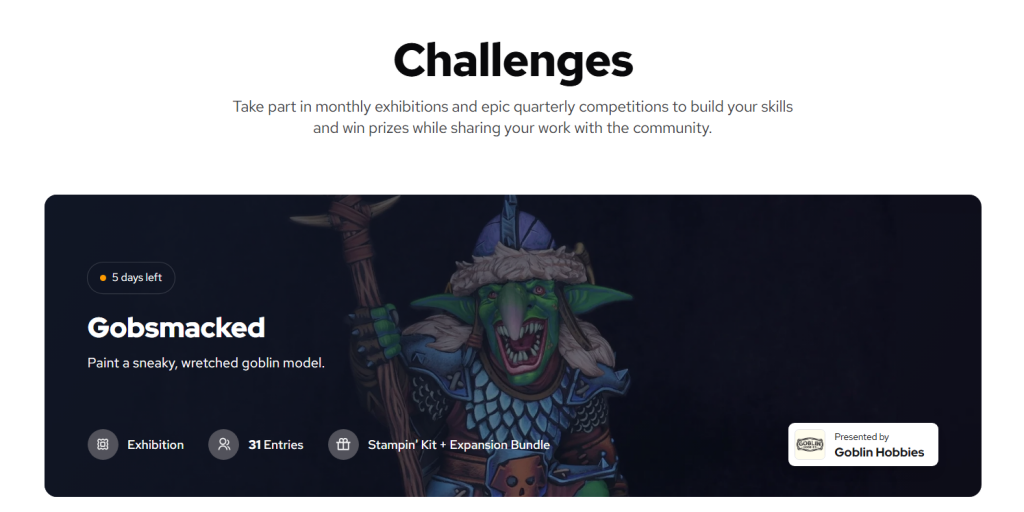
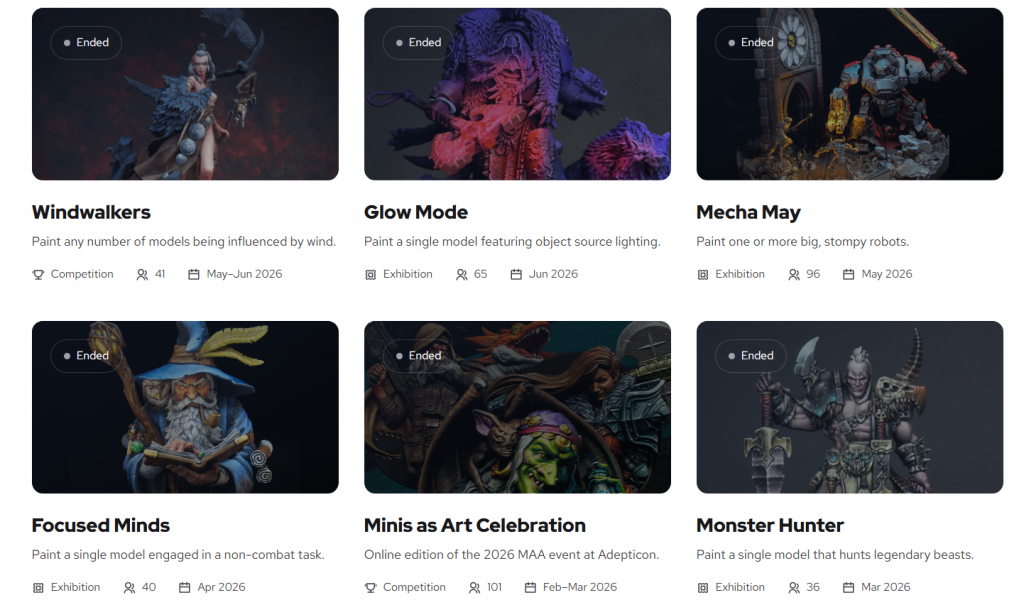
While Baselair consciously steers away from the cutthroat competition endemic to other platforms, it is not entirely devoid of a competitive spirit. Instead, it ingeniously incorporates friendly challenges and small-scale painting competitions, which are run regularly on the platform. These events are often sponsored by reputable companies within the hobby industry, offering participants the potential to win appealing, albeit modest, prizes. This thoughtful integration serves to "scratch that competitive itch" that many artists possess, providing a structured outlet for skill demonstration without succumbing to the allure of becoming "Serious Business" – a pitfall that can quickly transform a passionate hobby into a source of stress and burnout. The emphasis remains on participation, growth, and enjoyment, rather than hyper-optimization for victory.
A Curated Experience: Image as King
A stroll through Baselair’s interface reveals few of the distracting trappings common to archetypal social media sites. In a refreshing sense, it evokes memories of an earlier era of online photo sharing, reminiscent of how Flickr once operated: the image is king, and all other elements are subordinate to its presentation and appreciation. This minimalist philosophy ensures that the focus remains squarely on the art, minimizing distractions and maximizing visual impact.
Of course, this is not to suggest Baselair is entirely divorced from familiar social network conventions. It does incorporate elements that facilitate connection and recognition, such as follower counts. Furthermore, members deemed particularly noteworthy – often those with established presences on platforms like YouTube or Instagram – are bestowed with verified badges, echoing the pre-Musk era of Twitter, signaling a certain level of recognition within the broader hobby community. These features are implemented judiciously, however, to enhance the user experience and acknowledge contributions without overshadowing the core mission of fostering a supportive, art-centric environment.
An Interview with Matt Farley: The Vision Behind Baselair
To delve deeper into the motivations and aspirations behind Baselair, we had the distinct pleasure of sitting down with its creator, Matt Farley, for an exclusive interview. His insights shed light on the inspirations, the development process, and the ambitious future he envisions for this burgeoning platform.
K: Hi Matt, thank you for agreeing to answer my questions. Where did the initial idea for Baselair come from?
MF: Honestly, frustration. Pure and simple. The first major point of frustration was finding inspiration. Discovery on most existing platforms is almost entirely algorithm-driven, which means there’s no real, effective search functionality tailored to artists. You can’t precisely look up models by a specific color scheme you’re considering, or a particular painting technique you want to master, or even filter by the time it took to paint – a crucial metric for beginners. Instead, you’re constantly fed whatever happens to be popular that day, which is rarely genuinely helpful or relevant to your specific needs at that moment.
The second frustration was sharing work. On mainstream social feeds, a carefully crafted post can be buried within a day, sometimes even hours, lost in the relentless scroll. And if you’re a beginner, just starting out, you’re practically invisible. Your work struggles to gain any traction, making it incredibly disheartening.
I wanted to build a place that directly addressed and solved both of these fundamental problems. I envisioned a platform with a real, robust search capability – one that allows you to search by color palettes, by specific techniques like NMM or OSL, or even by painting style. The goal was to empower people to find exactly what they were looking for, much faster and more efficiently. My ultimate aim was for people to spend more time actively pursuing their hobby, with a brush in hand, and less time "doomscrolling" through an endless, often uninspiring feed. Crucially, I also wanted a place where an individual’s current skill level didn’t dictate whether their work was considered "worth seeing." That kind of platform simply didn’t exist, so I started building it in early 2024.
K: Yeah, that’s what I found so intriguing about Baselair too. Are you a one-man operation or are you working with others on development?
MF: While the vision and direction for Baselair certainly originate with me, and I handle the overall operation, I absolutely do not do it alone. I work very closely with an incredibly talented developer. We’ve collaborated on multiple projects over the years, and I can confidently say that without her expertise, the platform simply wouldn’t be what it is today. She primarily handles the complex backend development, the engine that powers everything, while I focus on the design aspects, the frontend user interface, and ensuring a seamless, intuitive user experience. So, while I’m the driving force, it’s genuinely a team effort in terms of execution.
Beyond that, I’m fortunate to have a small, dedicated group of early supporters who have become an invaluable sounding board. They’re instrumental in testing new features, providing honest and critical feedback, and aren’t afraid to push back when something isn’t working as intended. Lyla Mev, for example, is a key part of that group, and she also manages our social media marketing for Baselair, helping us connect with the broader community.
And fundamentally, I’m constantly engaging with the wider community itself. This is their platform too, and their feedback, their desires, and their frustrations drive a significant portion of our development decisions. It’s a truly collaborative ecosystem.
K: What’s your goal with Baselair? Where would you like it to go?
MF: My ultimate goal is to unify the miniature painting community. Right now, this vibrant community is incredibly fragmented, scattered across a dozen different platforms, without any single, definitive "home base." You have Instagram for sharing finished work, YouTube and Twitch for in-depth tutorials and live painting sessions, Discord and Reddit for casual conversations and community discussions, and inspiration is something you have to actively seek out wherever you can find it. I want Baselair to be the place where all of that happens, seamlessly and synergistically, under one roof.
It’s an ambitious vision, no doubt, but I am absolutely committed to making it a reality. I want to cultivate a community that genuinely inspires people to pick up their brush more often, to explore new techniques, and to feel a sense of belonging. I envision a dynamic space where brands can connect with their audience, educators can share their knowledge, and painters of all skill levels – from absolute beginners to seasoned professionals – can come together to share their passion for the hobby. That’s the grand vision, and that’s precisely what I’m building toward, brick by digital brick.
K: I really hope it pays off. I guess that the tricky part is making people aware that it exists, to try and connect to that audience.
MF: You’ve hit on the nail precisely. Distribution and awareness have been a far greater struggle than I initially anticipated, honestly. I’m an active member of numerous mini painting Facebook groups and various Discord communities, but I’ve consistently encountered significant resistance. Most of these platforms actively discourage or flat-out deny any attempts to share what I’m working on with Baselair, classifying it as "self-promotion" even when it’s genuinely about building a valuable resource for the hobby. It’s a classic "walled garden" problem.
I’ve explored various avenues: I’ve run targeted ads on Instagram, sponsored a few YouTube videos and Twitch streams, but the most significant return on investment has paradoxically come from me personally messaging other painters on different social platforms, one by one, and simply letting them know that Baselair exists and what it offers.
The split focus is also incredibly challenging. When you’re an entrepreneur, especially in the early stages, you have to wear an astonishing number of hats and manage a diverse range of tasks to achieve success. Every minute I spend on marketing, trying to get the word out, is a minute I’m not dedicating to building new features, refining existing ones, or improving the core platform itself. Conversely, every minute I’m immersed in writing code and developing, I’m not out there introducing more people to Baselair. It’s a constant balancing act, and finding that equilibrium is one of the toughest parts of the journey.
K: I’ve run into the problem of places like the minipainting subreddit not letting me post links to articles I’ve written because that’s self-promo and not allowed. It’s very frustrating.
MF: Yeah, it definitely is. For a community that, on the surface, often presents itself as incredibly welcoming and friendly, it’s sometimes paradoxically not very welcoming or friendly to genuine initiatives that seek to enrich that very community. It’s a frustrating paradox that many creators face when trying to organically grow a presence or introduce something beneficial.
K: How long have you been in the hobby yourself?
MF: I’ve been painting miniatures for close to six years now, though I’d characterize my involvement as fairly casual for most of that time, driven primarily by personal enjoyment rather than competitive ambition. My main focus has been painting board game miniatures, largely because I derive immense satisfaction from seeing games literally come to life on the tabletop, transforming abstract pieces into vibrant, tangible characters.
More recently, I’m actively trying to push myself to paint more regularly and with greater intent. As part of that commitment, I’ve set a personal goal to paint a couple of busts this year, specifically as an effort to consciously grow my skills and tackle new challenges beyond my usual comfort zone. It’s a journey of continuous learning, just like for any other painter.
K: That’s great! Thank you for the interview!
MF: You’re welcome! Thank you for helping share the hobby and for giving Baselair this platform!
Challenges and the Path Forward: Democratizing the Hobby
The journey of Baselair, as illuminated by Matt Farley, highlights a critical contemporary challenge in the digital age: the tension between established, algorithm-driven platforms and the need for specialized, community-focused alternatives. The "walled garden" phenomenon, where existing social media entities actively suppress external links or "self-promotion," poses a significant hurdle for nascent projects seeking to serve niche communities. This dynamic creates a paradox: while these platforms house the very audience a new service aims to reach, their internal policies often prevent direct outreach, forcing entrepreneurs like Farley to rely on more labor-intensive, grassroots marketing efforts.
This struggle for distribution is not unique to Baselair but is a testament to the increasing difficulty of organic growth in an internet dominated by behemoths. It underscores the value of platforms like Tabletop Battles, which actively seek out and champion projects that align with a broader vision of community enrichment and accessibility within hobbies.
The Future of Miniature Painting: A Unified Community
Baselair represents more than just another social network; it embodies a philosophical shift towards prioritizing genuine artistic community, skill development, and discoverability over fleeting virality and algorithmic endorsement. Its ambitious goal of becoming the "home base" for miniature painters – integrating sharing, learning, discussion, and inspiration – speaks to a deep understanding of the community’s fragmented needs.
Should Baselair succeed in its mission, the implications for the miniature painting hobby could be profound. It could democratize access to inspiration and education, fostering a new generation of painters who feel supported rather than intimidated. It could provide a clearer path for emerging artists to gain recognition based on their merit and dedication, rather than their ability to game an algorithm. Moreover, it could offer brands and educators a more direct, engaged, and relevant channel to connect with their audience, fostering a healthier ecosystem for the entire industry.
The commitment of Matt Farley and his team, coupled with a clear vision for a more supportive and integrated online experience, positions Baselair as a vital and exciting development for miniature painters worldwide. It’s a bold step towards reclaiming the digital landscape for the artists themselves, ensuring that passion and creativity can flourish unhindered by the cold, uncaring logic of the algorithm.
Want to sign up and try Baselair for yourself? Go to www.thebaselair.com.
Have any questions or feedback? Drop us a note in the comments below or email us at [email protected]. Want articles like this linked in your inbox every Monday morning? Sign up for our newsletter. And don’t forget that you can support us on Patreon for backer rewards like early video content, Administratum access, an ad-free experience on our website, and subscriber-only content covering competitive Warhammer 40K!