Hollywood’s New Frontier: How Lightcraft’s Spark Story is Democratizing Pre-Production and Igniting Original Storytelling
Hollywood, a land long synonymous with grand visions and even grander budgets, is at a fascinating crossroads. While the behemoth studio system continues to churn out its familiar fare, a new wave of captivating, unconventional films like "Backrooms" and "Obsession" are proving that the most exciting innovations often emerge from the fringes. These projects, characterized by their unique ambition and departure from the typical Hollywood formula, are resonating deeply with audiences who, it seems, are hungry for originality and a refreshing escape from committee-designed narratives.
This seismic shift in audience preference is not lost on industry pioneers. Elijah Welch, co-founder and president of Lightcraft, a company at the forefront of this cinematic evolution, observes this trend with keen insight. "People look online, and you just see a lot of people going, ‘Where’s an original story? Where’s something I haven’t seen? Where’s something that feels fresh?’" he states, articulating a sentiment that echoes across the digital landscape.
However, the journey from a brilliant concept to a tangible film is fraught with challenges. A filmmaker might conjure an extraordinary visual, meticulously detail it in a script, and articulate it to their team, but until that vision is universally understood, it remains susceptible to misinterpretation. In an era where production costs are soaring, the room for experimentation dwindles, and risk-taking becomes a precarious endeavor. This is precisely where Lightcraft’s groundbreaking Spark Story platform enters the scene, poised to revolutionize the pre-production process.
The Genesis of Innovation: Addressing the Pre-Production Bottleneck
For decades, the intricate dance of filmmaking has relied on a vital, yet often inaccessible, tool: previsualization, or "previs." This process allows filmmakers to construct a digital blueprint of their film, meticulously planning camera angles, character movements, and environmental interactions before a single frame is shot. For blockbuster productions, previs is an indispensable asset, enabling them to refine complex sequences and avoid costly mistakes before committing to expensive principal photography.
However, the accessibility of previs has historically been a significant barrier. Traditional previs workflows demanded specialized teams, prohibitively expensive software, and considerable time allowances for extensive exploration. This created a distinct divide, where only major studios with substantial resources could leverage its full potential. As Elijah Welch explains, "Previs has always been one of Hollywood’s most useful behind-the-scenes tools. Before a blockbuster spends millions on a complicated sequence, teams can create a digital version first, testing camera moves, environments and action before committing to the real shoot."
The core problem, as Welch identifies, has been access. "The problem has been access," he reiterates. "Previs traditionally required specialist teams, expensive software, and budgets that allowed weeks of exploring ideas." This limitation meant that countless innovative ideas, conceived by independent filmmakers or smaller creative teams, often remained confined to the pages of a script, never fully realized due to practical and financial constraints. The inherent ambiguity in translating a written concept into a shared visual understanding often led to compromises or the abandonment of ambitious yet unproven ideas.
Lightcraft’s Spark Story emerges as a direct response to this long-standing challenge. Launched into beta at SIGGRAPH 2026, this interactive previs tool is engineered to empower a broader spectrum of creators with the planning capabilities previously exclusive to major productions. The platform aims to bridge the gap between imagination and execution, enabling filmmakers to build, explore, and refine their scenes in a dynamic and intuitive environment before the cameras even roll.
Spark Story: A Paradigm Shift in Pre-Production
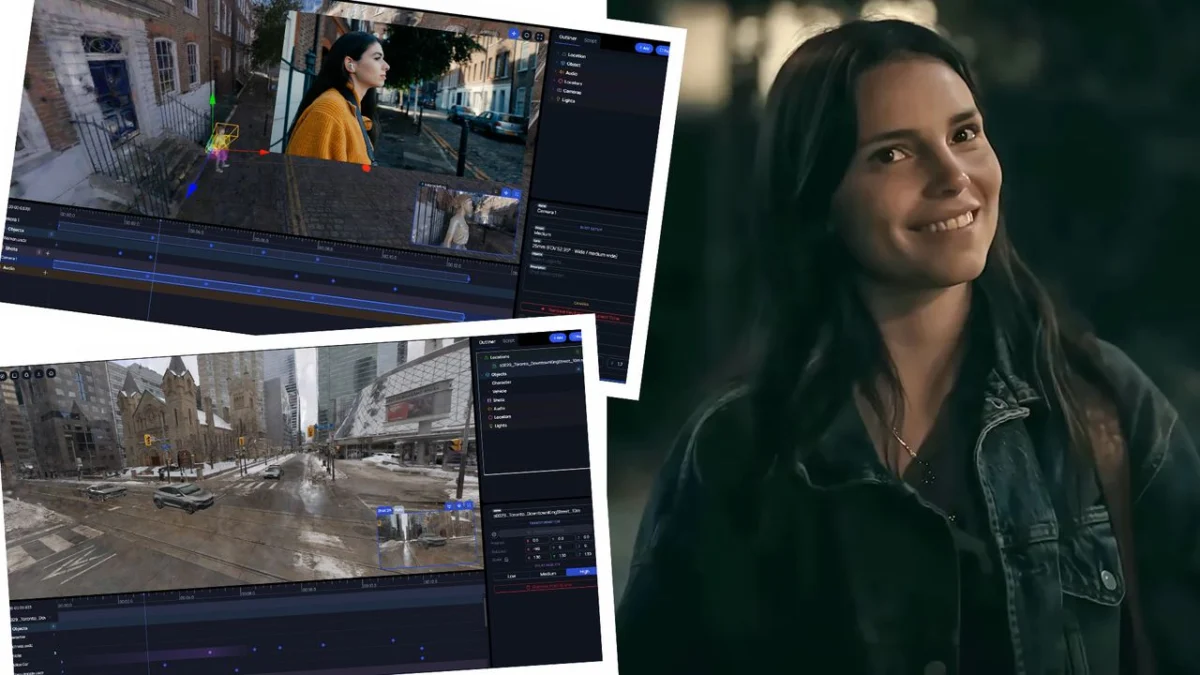
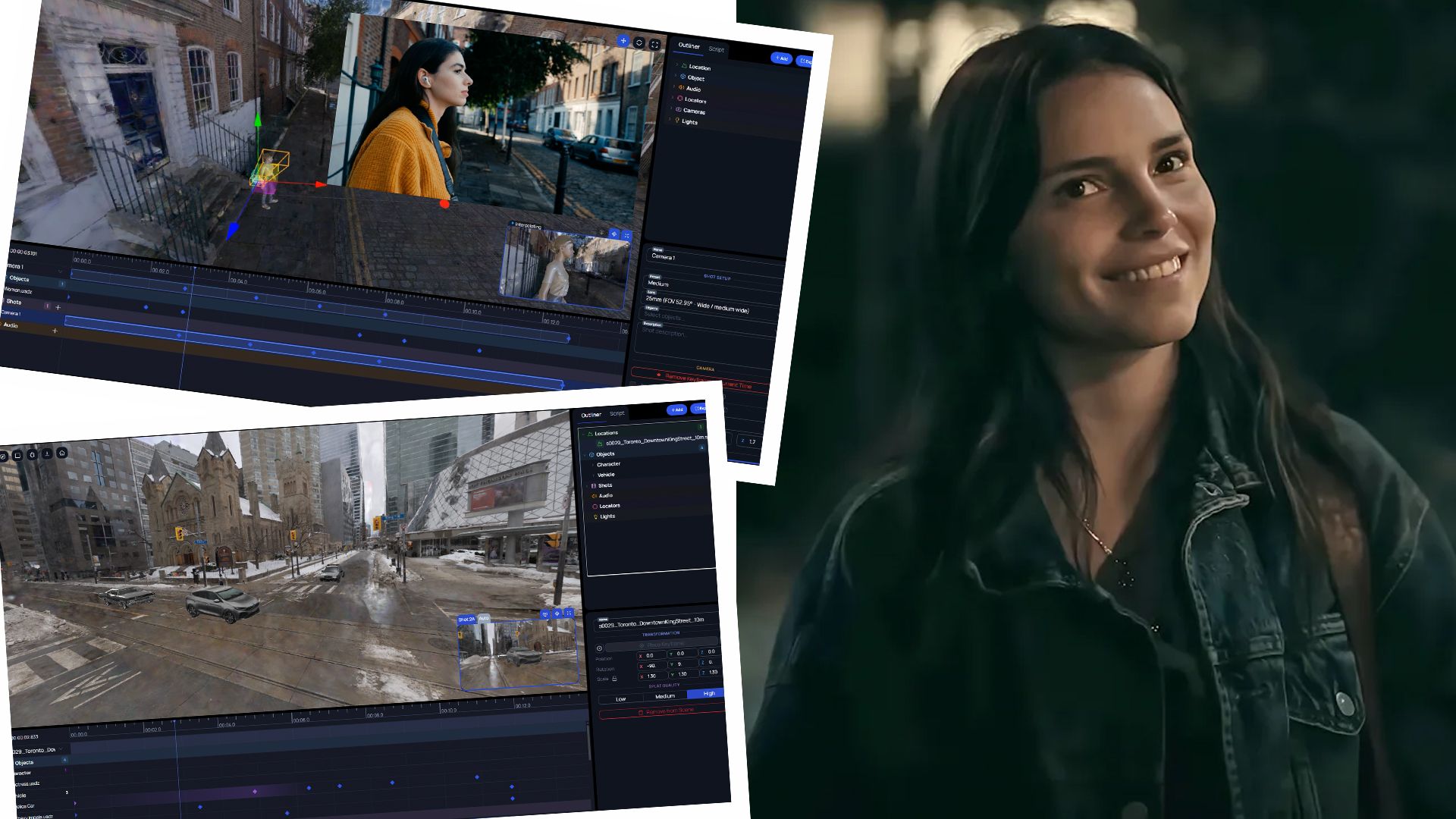
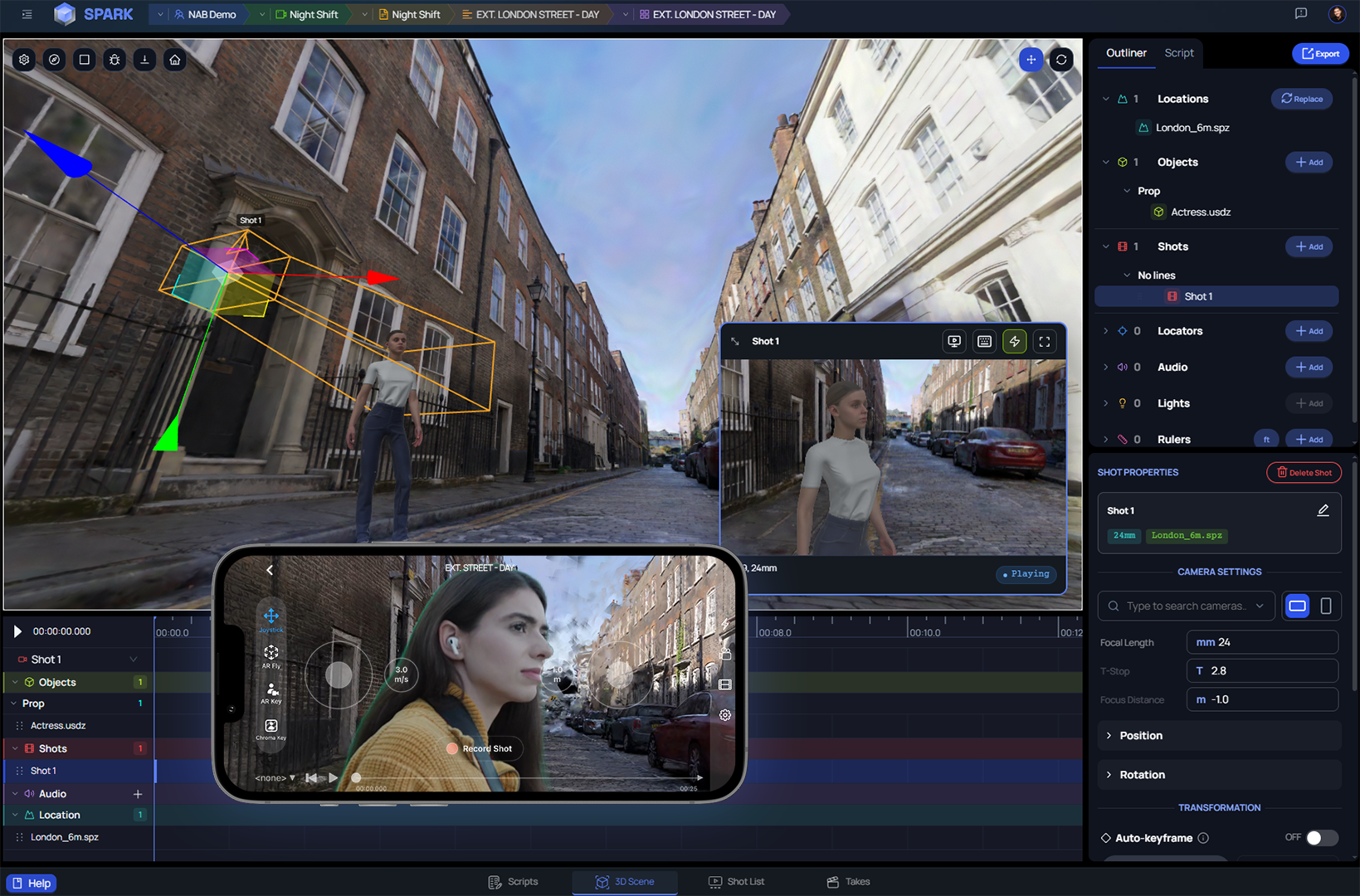
At its heart, Spark Story functions as an augmented reality (AR) filmmaking studio in your pocket. During a demonstration, Welch showcased how he could effortlessly pull out an iPhone, begin constructing and shooting scenes in AR, and iterate on new ideas on the fly. This level of immediate visual feedback and iterative design is transformative, particularly for newcomers to filmmaking who may be navigating the complexities of visual storytelling for the first time.
"For me, this is coming from the standpoint of really enabling people to get started," Welch emphasizes. "Getting folks unstuck from that stage of ‘I have this idea in my head or on paper’ to actually being able to see it is really what Spark Story is all about." This sentiment underscores the platform’s mission: to demystify the pre-production process and empower individuals to bring their visions to life with unprecedented ease.
The platform’s design philosophy draws inspiration from the agile and iterative workflows prevalent in the video game industry. For decades, game developers have honed their craft by building immersive worlds, rigorously testing concepts, and refining gameplay mechanics before committing to a final product. Tools like Blender and Unreal Engine have been instrumental in democratizing these sophisticated workflows, granting smaller teams access to capabilities that were once the exclusive domain of AAA studios.
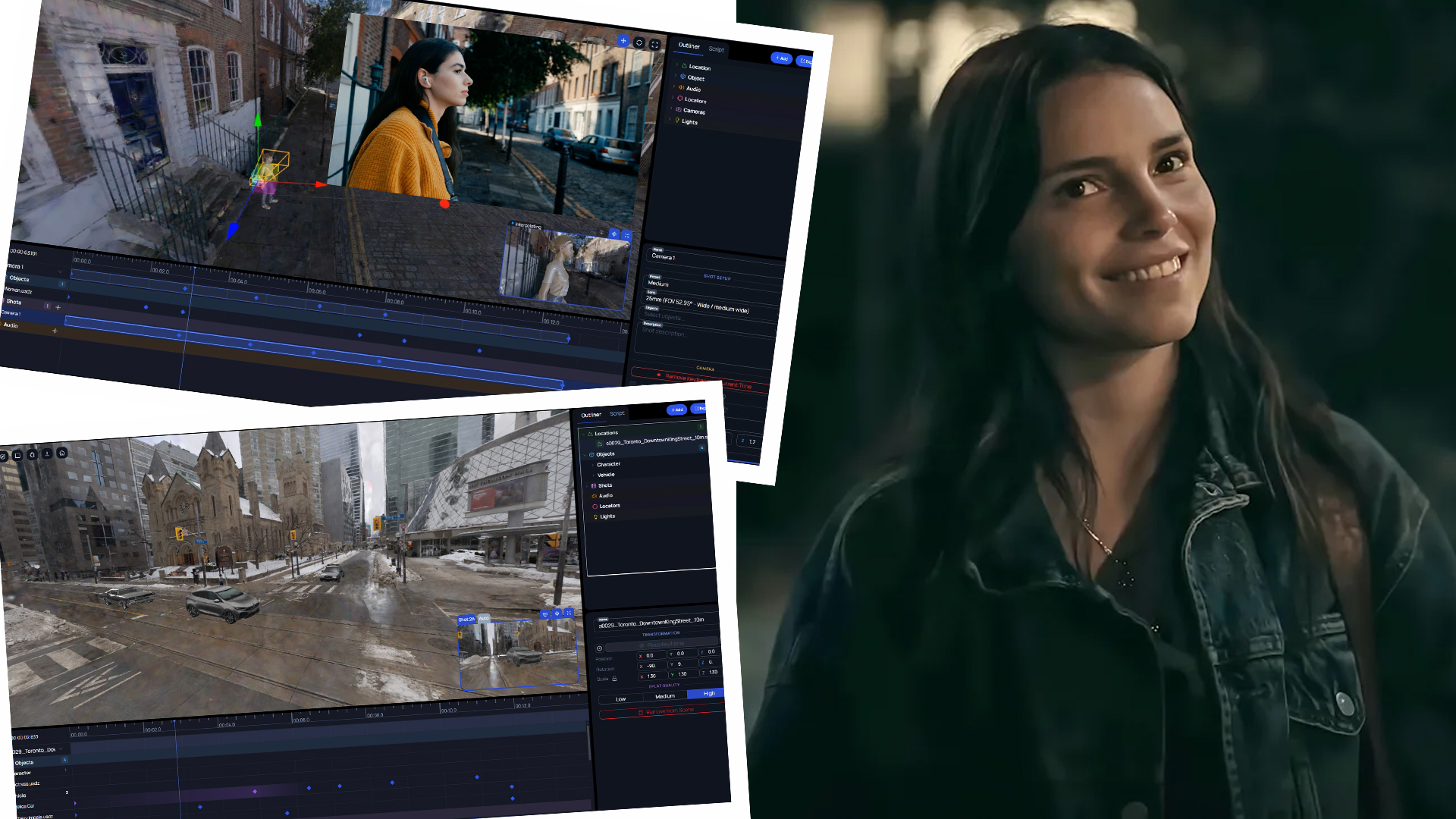
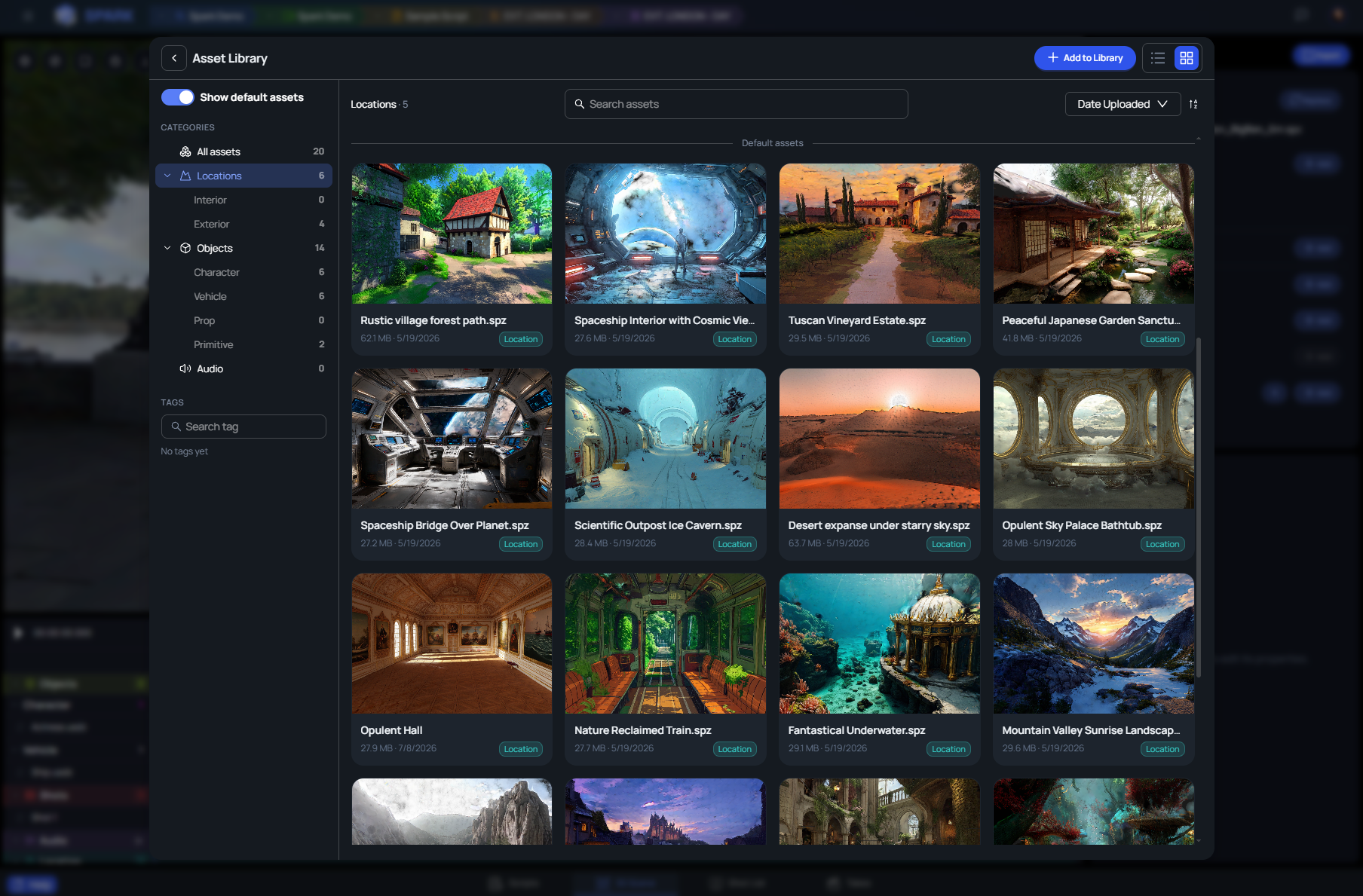
Film, in turn, has increasingly embraced this game-centric mindset through the rise of virtual production. Lightcraft views Spark Story as the logical next step in this evolution, extending the power of interactive world-building and scene planning to the cinematic realm. The platform integrates a comprehensive suite of features, including a robust library of 3D assets, real-time compositing capabilities, and seamless import options from industry-standard software such as Blender, Unreal Engine, and Maya. This allows teams to work cohesively on scripts, 3D environments, camera movements, and production planning within a single, unified ecosystem.
The Impact of Spark Story: Democratizing Creativity and Fostering Originality
The implications of Spark Story extend far beyond mere cost reduction; its true power lies in its ability to foster experimentation and iteration. "I think the experimentation and the iteration capability is a huge unlock," states Welch. "Test shots that you might not try – drone shots or things that are just not easy to test until you’re actually out there in the wild. This gives you that just working."
This capacity for rapid prototyping and exploration is crucial in today’s creative landscape. Filmmakers can now visualize and refine ambitious shots, challenging camera angles, and complex sequences without the immediate pressure of incurring significant production costs. This freedom allows for a more organic and intuitive creative process, where ideas can be tested, discarded, and evolved until they achieve their fullest potential.
A pivotal aspect of Spark Story’s design is its script-centric approach. "The script is the central nervous system of the database," Welch explains. "Every single component of asset metadata all ties back to the script." This ensures that the storytelling remains at the forefront of the technological implementation, preventing the tools from overshadowing the narrative intent. By anchoring all digital assets and metadata to the script, the platform facilitates a more organized and cohesive production process, particularly as projects grow in complexity.
Modern filmmaking is increasingly characterized by a proliferation of digital assets, a diverse array of collaborators, and a constant stream of creative decisions. Maintaining alignment and clarity across such intricate productions can be a formidable task. Spark Atlas, a new feature within the Spark Story platform, addresses this challenge directly. It intelligently connects captured footage and associated metadata to the precise scene and script section, providing teams with an invaluable tool for tracking and managing evolving ideas throughout the production lifecycle.
This emphasis on collaboration is not incidental; it is fundamental to the filmmaking process. "Whether you’re working on lighting, cinematography, script writing, directing, producing, there is massive value for every member of the team," Welch asserts. "This is a tool built for teams." Spark Story aims to foster a more inclusive and collaborative environment, ensuring that every member of the creative team has a clear understanding of the project’s vision and can contribute effectively to its realization.
A New Era of Storytelling: Empowering the Next Generation
Perhaps the most profound impact of Spark Story lies in its potential to empower a new generation of creators. These individuals, already adept at producing and sharing video content on platforms like TikTok, YouTube, and Instagram, are increasingly looking to translate their short-form skills into longer, more ambitious projects.
"Folks from TikTok, folks from YouTube, folks from Instagram who are used to making 10-second, eight-second, 30-second stuff are starting to see, why can’t I make a 30-minute or a five-minute short?" Welch muses. Spark Story provides these aspiring filmmakers with the tools and understanding necessary to explore editing, pacing, and visual storytelling on a larger scale, bridging the gap between their current capabilities and the demands of more complex productions.
The democratization of filmmaking tools is not an entirely new phenomenon. Historically, the decreasing cost of entry for certain technologies has enabled visionary filmmakers like Sam Raimi and Peter Jackson to embark on ambitious projects with more modest budgets. Films such as "Rec" and "The Blair Witch Project" heralded a new era of low-budget, high-impact filmmaking. However, platforms like Spark Story represent a more profound shift, offering not just cost-effectiveness but also an intuitive and accessible pathway for creative exploration.
The true promise of Spark Story lies in its ability to foster ambitious ideas before they are subjected to the rigid constraints of traditional production. It offers a space where concepts deemed "too expensive," "too risky," or "impossible" by conventional industry standards can be rigorously developed and visualized, potentially paving the way for groundbreaking cinematic experiences.
In essence, Lightcraft’s Spark Story is not just a technological advancement; it is a catalyst for creative liberation. By dismantling the barriers to effective pre-production, it empowers storytellers to explore their boldest ideas, fostering a more diverse, original, and ultimately, more exciting future for filmmaking. As Hollywood continues to evolve, tools like Spark Story will undoubtedly play a pivotal role in shaping the narratives that capture our imaginations and define the cinematic landscape for years to come. The dream of making a film, once a distant aspiration for many, is now closer than ever to becoming a tangible reality, fueled by innovation and a renewed commitment to the power of original storytelling.