Summer Scorcher: Streaming Platforms Ignite July with a Fiery Lineup of Genre Gems
Introduction
July often conjures images of sun-drenched beaches and adventurous road trips, but for a significant portion of the population, the rising mercury dictates a different kind of summer escape: the cool, air-conditioned comfort of home, immersed in the digital delights of streaming entertainment. This July, in particular, streaming platforms are poised to transform the scorching summer into a prime viewing season, unleashing a surprisingly robust collection of sci-fi, fantasy, and horror titles designed to captivate and thrill audiences indoors. Far from merely filling content libraries, these strategic additions—ranging from cult classics returning to new homes to critically acclaimed recent releases—underscore a deliberate effort by streamers to cater to diverse genre appetites and provide compelling alternatives to the summer heat.
This month’s curated selection is a testament to the enduring appeal of speculative fiction. Whether viewers seek whimsical superhero satire, mind-bending journeys through parallel dimensions, harrowing tales of survival, or visceral horror, the streaming landscape has an answer. Beyond mere entertainment, these releases collectively offer a window into genre evolution, the strategic maneuvering of streaming giants, and the ever-present human desire for imaginative escapism, especially when the real world outside becomes a little too intense.
Main Facts: A Genre Feast for July
As temperatures soar, streaming services are delivering an equally hot lineup of genre content throughout July. This month sees a diverse array of releases, from beloved cult series finding new platforms to critically acclaimed films hitting wider audiences. Key highlights include:
- The Return of Cult Favorites: The Tick (2016) makes its highly anticipated Netflix debut, while the complete Sliders series (1995) lands on Tubi, offering nostalgic trips for sci-fi fans.
- Horror Dominance: HBO Max celebrates the Evil Dead franchise with a full library addition, coinciding with the release of a new entry, Evil Dead Burn. Netflix welcomes the critically lauded Talk to Me (2022), and HBO Max also hosts the dystopian horror film The Long Walk (2025).
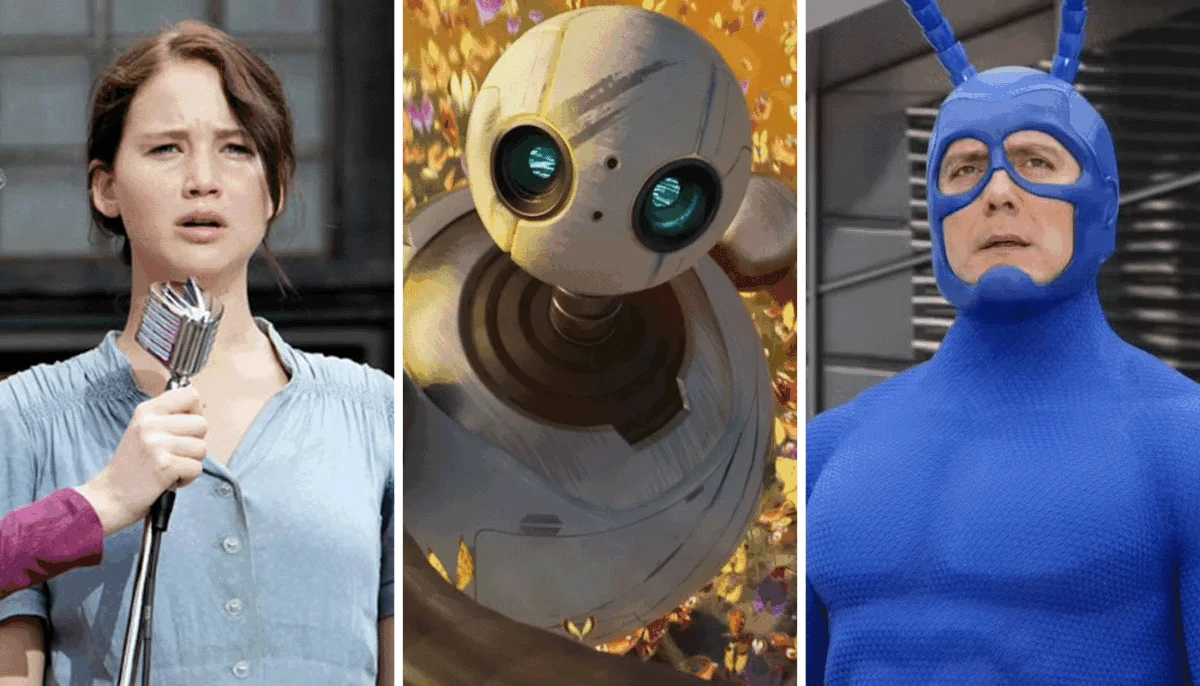
- Dystopian Thrills: All Hunger Games movies, including the recent The Ballad of Songbirds & Snakes (2023), arrive on Netflix, setting the stage for an upcoming prequel.
- Animated Excellence & Fantasy Revisionism: DreamWorks’ critically praised The Wild Robot (2024) premieres on Prime Video, and David Lowery’s divisive yet compelling Arthurian epic, The Green Knight (2021), finds a home on Tubi.
- Anime Masterpiece: Satoshi Kon’s mind-bending animated film Paprika (2006) joins Tubi’s growing collection.
This strategic rollout across multiple platforms—Netflix, Tubi, HBO Max, and Prime Video—ensures that genre enthusiasts have a wealth of options, whether they’re revisiting cherished narratives or discovering new favorites. The curation reflects a keen understanding of audience preferences, offering both comfort viewing and thought-provoking cinema to beat the summer heat.
Chronology of July’s Genre Releases
The month of July unfolds with a carefully staggered release schedule, ensuring a steady flow of fresh and familiar genre content for viewers to dive into. This chronological breakdown highlights the strategic timing employed by streaming platforms to maximize engagement throughout the summer.
Early July (July 1st)
The month kicks off with a triple threat on July 1st, establishing a strong foundation for genre programming:
- Sliders (Tubi): Kicking off the month, this quintessential 90s sci-fi series makes its way to Tubi. Fans eager for episodic adventures across parallel Earths can begin their journey immediately. Its arrival on the ad-supported platform suggests an intent to attract a broad audience with a beloved, binge-worthy classic.
- Every Evil Dead Movie (HBO Max): In a move clearly timed to build anticipation for a new franchise entry, HBO Max unleashes the entire Evil Dead filmography. This comprehensive collection allows fans to immerse themselves in the series’ evolution from raw indie horror to iconic horror-comedy, setting the stage for the new film.
- Paprika (Tubi): Satoshi Kon’s seminal animated feature also debuts on Tubi. This sophisticated, visually stunning film offers a profound dive into the subconscious, providing an intellectually stimulating option right at the start of the month.
- The Green Knight (Tubi): Rounding out Tubi’s strong opening, David Lowery’s acclaimed revisionist fantasy arrives, challenging viewers with its artistic interpretation of Arthurian legend.
Mid-July (July 10th – July 15th)
The momentum continues into the second week of July with a focus on fresh horror and popular dystopian sagas:
- The Long Walk (HBO Max – July 10): This adaptation of Stephen King’s chilling dystopian novel (penned as Richard Bachman) offers a harrowing tale of endurance and survival. Its release on HBO Max positions it for a wider audience, especially among horror fans who appreciate psychological depth.
- Evil Dead Burn (Theatrical/Streaming – July 10): While not explicitly a streaming release on July 10th, the original article notes that HBO Max’s library addition is "in celebration of the release of Evil Dead Burn on July 10." This suggests a significant new entry in the franchise, likely hitting theaters or premium VOD, with the back catalogue provided as a tie-in. This strategic cross-promotion aims to reignite interest in the long-running horror series.
- Every Hunger Games Movie (Netflix – July 14): Netflix leverages the enduring popularity of the Hunger Games franchise by adding all existing films, including the prequel The Ballad of Songbirds & Snakes. This timely arrival provides an ideal opportunity for fans to re-engage with the dystopian saga ahead of the next cinematic installment.
- The Tick (Netflix – July 15): The cult-favorite superhero comedy series makes its highly anticipated return to streaming on Netflix. Its mid-month release offers a dose of lighthearted, satirical action-comedy, appealing to a broad demographic looking for something uniquely entertaining.
Late July (July 26th)
The month concludes with a powerful animated feature, offering a heartfelt and visually stunning experience:
- The Wild Robot (Prime Video – July 26): DreamWorks’ critically acclaimed animated film arrives on Prime Video towards the end of July. Its late-month slot provides a strong closing act, appealing to families and animation enthusiasts with its moving narrative and breathtaking visuals.
This carefully orchestrated release schedule demonstrates a strategic approach by streaming platforms, ensuring that viewers have compelling new and returning content throughout the entire month, catering to varied tastes and capitalizing on peak indoor viewing trends.
Supporting Data: Deep Dives into July’s Genre Offerings
The curated list of July genre releases isn’t just a random assortment; it reflects specific trends in content acquisition, audience demand, and the enduring power of compelling storytelling. Each title brings its own unique flavor and historical context to the streaming landscape.
The Enduring Allure of Cult Classics and Reboots
-
The Tick (2016) on Netflix (July 15): The arrival of The Tick on Netflix is more than just a library addition; it’s a significant moment for fans of this unsung comedic gem. The series, which originally premiered on Prime Video, earned a dedicated following for its fundamentally silly yet incisive deconstruction of the superhero genre. Long before The Boys offered a dark, gritty take on caped crusaders, The Tick (in its various animated and live-action iterations since the 1980s) provided a joyful, absurdist counterpoint. Its humor, akin to the self-aware wit of the Deadpool films, reminds audiences that superhero stories can, and perhaps should, be fun. The transfer to Netflix, a platform with a vast global reach, sparks genuine hope among its fervent fanbase for a potential revival. This move highlights Netflix’s strategy of acquiring popular, if previously under-marketed, intellectual property to bolster its genre offerings and potentially test the waters for future original content. The series, starring Peter Serafinowicz, showcases a unique blend of physical comedy and sharp writing, making its cult status well-deserved.
-
Sliders (1995) on Tubi (July 1): For those nostalgic for the golden age of 90s sci-fi television, Sliders is a welcome addition to Tubi’s free streaming library. The series, which ran for five seasons, captivated audiences with its premise of a group traversing parallel Earths in a quest to return home. Its largely episodic nature allowed for incredible creative freedom, exploring countless alternate realities—from a world where the British won the American Revolution to one ruled by dinosaurs. While its later seasons garnered mixed reviews, the first two seasons, in particular, are celebrated for their imaginative concepts and engaging character dynamics. The show’s exploration of the "what if" scenarios resonated deeply, making it an underappreciated progenitor of today’s multiverse narratives. Tubi’s acquisition of such a recognizable, binge-worthy classic underscores its strategy of offering a deep library of popular older content, often free with ads, to attract a wide viewership base.
The Reign of Dystopian Narratives and Survival Horror
-
The Long Walk (2025) on HBO Max (July 10): Based on Stephen King’s chilling novel, originally published under the pseudonym Richard Bachman, The Long Walk brings a deeply unsettling vision of a dystopian future to HBO Max. The film follows a group of teenage boys forced to participate in a brutal annual event: a relentless march where only one survivor can remain. What sets The Long Walk apart from other "game of death" narratives is its profound psychological depth. It delves into the minds of the participants, exploring themes of endurance, desperation, and the thin line between humanity and savagery. Unlike many adaptations, the film reportedly makes judicious changes to its source material, enhancing its narrative impact and ensuring it resonates with contemporary audiences. Its arrival on HBO Max positions it as a significant horror offering, appealing to viewers who appreciate a more cerebral, character-driven approach to the genre. The film’s modest box office success suggests a strong potential to find its deserved wider audience on streaming, a common trajectory for quality genre films in the current media landscape.
-
Every Hunger Games Movie on Netflix (July 14): The Hunger Games franchise needs little introduction, having defined a generation’s understanding of dystopian YA literature and film. With a new prequel, The Hunger Games: Sunrise on the Reaping, slated for release later this year, Netflix’s decision to add the entire existing filmography is a shrewd move. This includes the original four films and the recent prequel, The Ballad of Songbirds & Snakes (2023). While Ballad initially received a mixed reception, many critics and fans have since re-evaluated it, praising its nuanced exploration of the origins of the Games and its complex antagonist, young Coriolanus Snow. Directed by Francis Lawrence, who also helmed The Long Walk, the presence of both films this month highlights his evolving reputation as Hollywood’s go-to director for intricate, high-stakes "game of death" narratives. The franchise’s themes of social inequality, rebellion, and the corrupting influence of power remain as relevant as ever, making these films a compelling and timely re-watch for many.
The Cutting Edge of Horror and Animated Storytelling
-
Every Evil Dead Movie on HBO Max (July 1): In anticipation of the new entry, Evil Dead Burn, HBO Max is delivering a complete retrospective of the legendary Evil Dead franchise. This collection is a masterclass in horror evolution, from Sam Raimi’s groundbreaking low-budget original to its subsequent horror-comedy sequels and the more recent, brutally intense Evil Dead Rise. The original 1981 film, often overshadowed by its more polished and comedic sequel, Evil Dead II, deserves renewed attention. It stands as a visceral, uncompromising work of indie horror that pushed boundaries and influenced countless filmmakers. Its raw power and relentless terror were instrumental in solidifying the indie horror boom of the early 1980s, a period that parallels the current resurgence of innovative, creator-driven horror cinema. The consistent quality across the franchise is remarkable, making this a perfect binge for seasoned horror fans and newcomers alike.
-
Talk to Me (2022) on Netflix (July 1): A breakout hit from A24, Talk to Me is a chilling example of modern horror’s ability to blend contemporary anxieties with supernatural dread. Directed by twin brothers Danny and Michael Philippou, who rose to prominence as YouTube creators, the film represents a new wave of filmmaking talent emerging from digital platforms. Its premise—a severed, embalmed hand used by teenagers to briefly summon spirits at parties—is both ingenious and terrifying. The film masterfully explores themes of grief, peer pressure, and the dangerous allure of forbidden experiences. Its critical acclaim and box office success signify a fresh voice in horror, one that understands how to craft genuinely disturbing scenarios and impactful emotional arcs. Comparisons to other recent, high-concept horror hits like Obsession are apt, as Talk to Me exemplifies the kind of absurd, violent creativity that continues to push the genre forward.
-
The Wild Robot (2024) on Prime Video (July 26): DreamWorks Animation has struck gold with The Wild Robot, an animated film widely praised for its emotional depth and stunning visuals. The narrative follows Roz, a robot shipwrecked on a remote island, who must learn to survive with the help of its animal inhabitants. This film is a poignant exploration of nature, artificial intelligence, and the bonds that form between unlikely companions. Its ability to tug at heartstrings while delivering breathtaking animation has led many to compare it favorably to the "golden age" of Pixar. The themes of adaptation, community, and the definition of "life" resonate deeply, making it a compelling watch for all ages. Its arrival on Prime Video offers a chance for a wider audience to experience this beautifully crafted and profoundly moving cinematic achievement.
Art House Gems and Anime Masterpieces
-
Paprika (2006) on Tubi (July 1): Satoshi Kon’s Paprika is a landmark in animated cinema, and its addition to Tubi’s library is a gift to cinephiles. Kon, known for his masterful works like Perfect Blue and Millennium Actress, crafted a visually dazzling and intellectually complex film centered on a stolen device that allows therapists to enter patients’ dreams. The film’s influence is undeniable, famously cited as a likely inspiration for Christopher Nolan’s Inception. However, Paprika stands on its own as a unique exploration of the subconscious, identity, and the blurring lines between reality and dreams. Its intricate narrative, surreal imagery, and profound themes make it a challenging yet incredibly rewarding viewing experience, a true testament to the power of animation as a serious artistic medium.
-
The Green Knight (2021) on Tubi (July 1): David Lowery’s The Green Knight is a bold, revisionist take on the 14th-century Arthurian poem "Sir Gawain and the Green Knight." Its initial release in 2021 garnered a deeply divisive reaction, but in the years since, critical consensus has largely shifted towards widespread acclaim. The film is a visually arresting, atmospheric journey that dissects traditional notions of chivalry, honor, and heroism. Dev Patel delivers a career-defining performance as Sir Gawain, portraying his vulnerability and moral quandaries with remarkable depth. The film’s artistic ambition, its stunning cinematography, and its thoughtful reinterpretation of classic mythology make it a singular achievement in modern fantasy cinema. Its availability on Tubi offers both those who loved it and those who were initially perplexed a chance to revisit or discover its rich layers.
Official Responses: Platform Strategies and Critical Acclaim
While direct "official responses" from studio executives regarding specific library additions are rare, the curation choices made by streaming platforms speak volumes about their strategies, perceived audience demands, and the broader industry’s embrace of genre content. Furthermore, the critical and fan reception of these titles serves as a collective "official response" to their artistic merit and cultural impact.
Streaming Platform Strategy:
- Netflix’s Content Acquisition and Franchise Building: The acquisition of The Tick (2016) by Netflix is a clear indicator of the platform’s interest in bolstering its genre catalog with established cult properties that have potential for revival. This move reflects a broader strategy to diversify beyond original productions and leverage beloved, if under-the-radar, IP. Similarly, bringing all Hunger Games films to Netflix ahead of a new theatrical prequel demonstrates a savvy cross-promotional tactic, aiming to re-engage a massive existing fanbase and potentially drive interest in the upcoming film, thereby keeping subscribers within the Netflix ecosystem for related content.
- HBO Max’s Thematic Curation: HBO Max’s decision to add every Evil Dead movie in July, explicitly tying it to the release of Evil Dead Burn (July 10), is a perfect example of thematic curation. It creates an event around a beloved horror franchise, encouraging binge-watching of the back catalog and building anticipation for the new entry. This strategy not only satisfies existing fans but also introduces new viewers to the series, cementing HBO Max’s position as a destination for quality horror. The simultaneous release of The Long Walk further underscores this commitment to robust, diverse horror programming.
- Tubi’s Deep Library and Niche Appeal: Tubi’s July lineup—Sliders, Paprika, and The Green Knight—showcases its distinct strategy as a free, ad-supported streaming service. By offering cult sci-fi classics, acclaimed animated features, and art-house fantasy, Tubi positions itself as a treasure trove for discerning genre fans and those seeking overlooked gems. These titles might not command the same immediate broad appeal as a new Netflix original, but they serve to attract and retain dedicated niche audiences, demonstrating that valuable content doesn’t always require a premium subscription.
- Prime Video’s Focus on Quality Originals and Premieres: The exclusive streaming premiere of The Wild Robot on Prime Video highlights the platform’s commitment to high-quality animated features. While DreamWorks is a major studio, its choice to debut this critically acclaimed film on Prime Video reinforces Amazon’s investment in premium content that can appeal to families and cinephiles alike, directly competing with other services for top-tier animated productions.
Critical and Fan Reception as "Official Response":
- Re-evaluation and Enduring Appeal: The discussions surrounding The Ballad of Songbirds & Snakes and The Green Knight exemplify how critical and fan "responses" can evolve over time. Ballad, initially met with a lukewarm reception, has seen a resurgence in appreciation, with many now considering it a strong, complex entry in the Hunger Games saga. The Green Knight, divisive upon release, has increasingly been recognized as a visionary work of revisionist fantasy. These shifts highlight the fluid nature of critical discourse and the importance of allowing films time to find their audience.
- Validation of New Talent: The success of Talk to Me, spearheaded by former YouTubers Danny and Michael Philippou, serves as a significant industry "response" to the potential of new creators emerging from digital platforms. It validates a non-traditional path to filmmaking success and encourages studios to look beyond established pipelines for fresh voices in genre cinema.
- Celebration of Genre Legacy: The widespread enthusiasm for the return of The Tick and the comprehensive Evil Dead collection is a testament to the enduring power of cult classics and established franchises. This collective fan excitement often influences platform decisions, as streamers recognize the value in catering to loyal fanbases who are eager for more content or opportunities to revisit old favorites.
In essence, the "official responses" to July’s genre releases are found in the strategic content decisions of the streaming platforms themselves, which are increasingly tailored to specific audience segments and genre trends, alongside the dynamic and often evolving critical and public reception that shapes a title’s legacy.
Implications: What July’s Releases Mean for Audiences and the Industry
The robust lineup of genre content hitting streaming platforms this July carries significant implications for both consumers and the broader entertainment industry. From shaping summer viewing habits to influencing long-term content strategies, these releases are more than just a momentary distraction from the heat.
For Audiences: The Rise of the "Indoor Summer"
- Comfort in the Familiar and Excitement in the New: For genre fans, July’s offerings are a dream come true. The blend of nostalgic cult classics (The Tick, Sliders, Evil Dead) with acclaimed recent hits (The Wild Robot, Talk to Me, The Green Knight) provides a balanced diet of comfort viewing and discovery. This catering to diverse tastes ensures that every segment of the genre audience finds something compelling, reinforcing streaming as the primary mode of content consumption.
- Escapism as a Necessity: In an era of increasingly intense summers, the appeal of staying indoors is practical. These genre releases offer potent forms of escapism—whether it’s through the fantastical realms of Arthurian legend, the mind-bending realities of parallel universes, or the visceral thrills of horror. The immersive nature of these stories provides a welcome respite from environmental realities, making the "indoor summer" a compelling and enjoyable alternative.
- Accessibility and Re-discovery: The availability of entire franchises (like The Hunger Games, Evil Dead) allows for comprehensive re-watches and provides easy entry points for new viewers. The shift of titles like The Tick to a new platform like Netflix can introduce it to a vast new audience, potentially sparking renewed interest and demand for future installments. Free services like Tubi democratize access to critically acclaimed but perhaps less mainstream films like Paprika and The Green Knight, broadening cinematic horizons for viewers without an additional subscription cost.
For the Industry: Strategic Shifts and Genre Dominance
- The Value of Library Content: The emphasis on established franchises and cult classics underscores the enduring value of library content. In an increasingly competitive streaming landscape, retaining subscribers is as crucial as acquiring new ones. Offering beloved back catalogs provides sticky content that encourages longer engagement and reduces churn, especially when tied to new releases or anniversaries.
- Genre as a Subscriber Driver: This July’s lineup reaffirms that sci-fi, fantasy, and horror are not niche interests but powerful, mainstream genres capable of driving significant viewership. Their consistent appeal across demographics makes them reliable pillars of any streaming service’s content strategy. The ability of a film like Talk to Me to achieve critical and commercial success from emerging creators further highlights the vitality and innovative spirit within the horror genre.
- Cross-Platform Dynamics and IP Management: The movement of The Tick from Prime Video to Netflix, or the strategic timing of Hunger Games on Netflix ahead of a new theatrical release, illustrates the complex dance of intellectual property (IP) licensing and competition between platforms. Studios and streamers are constantly evaluating how best to monetize and maximize the reach of their content, often leading to temporary or permanent shifts in streaming homes.
- The Future of Filmmaking Talent: The success of the Philippou brothers with Talk to Me suggests a significant implication for talent scouting. Streaming platforms and production houses are increasingly looking to digital spaces—like YouTube and TikTok—for fresh, innovative voices, recognizing that new media can serve as a powerful incubator for future cinematic talent. This trend could lead to a more diverse and dynamic pool of filmmakers shaping the future of genre cinema.
- Dystopian Themes Mirroring Reality: The prevalence of dystopian narratives (The Long Walk, The Hunger Games) in the July lineup may also subtly reflect contemporary anxieties. As global events unfold, these stories offer a safe space to explore societal fears, resilience, and the human condition, making them particularly resonant with modern audiences.
In conclusion, July’s genre streaming explosion is more than just a seasonal programming choice. It represents a sophisticated interplay of audience demand, strategic content acquisition, and an industry-wide recognition of genre’s power to engage, entertain, and provoke thought, even as the world outside beckons with its own, sometimes overwhelming, realities. The cool embrace of a captivating story, after all, is often the perfect antidote to the summer’s relentless heat.