NASA’s Visual Odyssey: From the Worm’s Revival to the AI Frontier
By [Your Name/Publication Name]
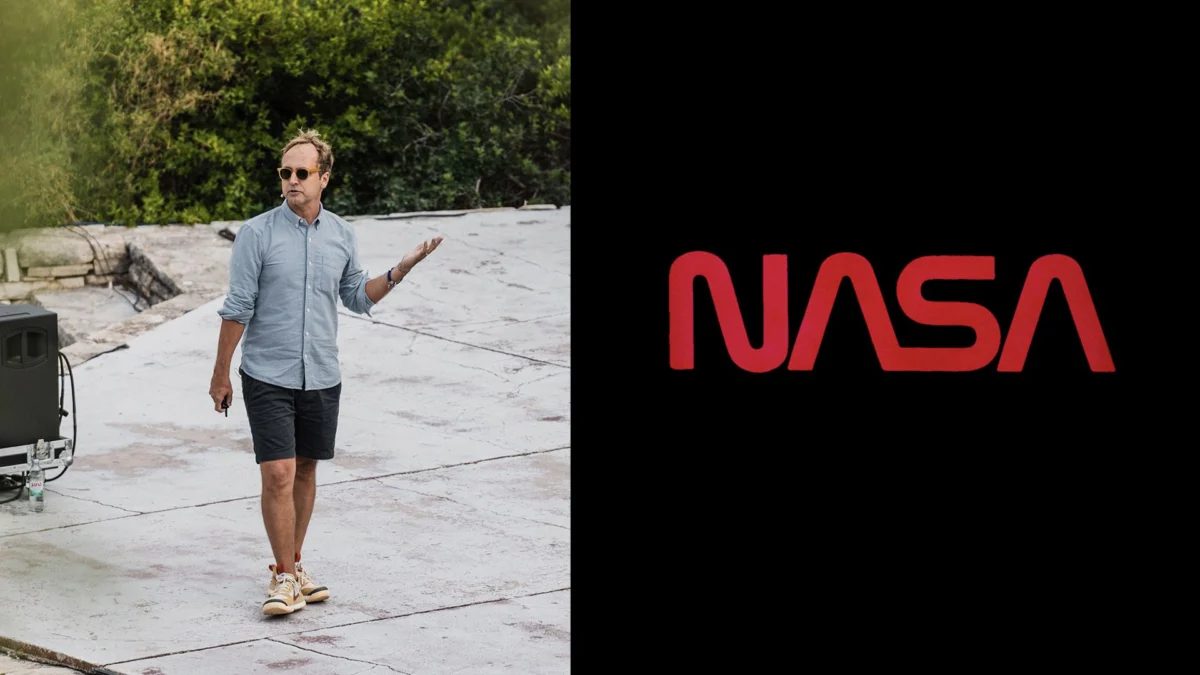
Last week, amidst the sun-drenched beauty of Obanjan Island in Croatia, the design world converged for Frontify’s annual Paradigms conference. This three-night gathering served as a vibrant forum for leading creative minds to dissect the future of visual branding. Yet, among the expected insights from design studio directors and agency heads, a particularly compelling narrative emerged from an unexpected source: NASA.
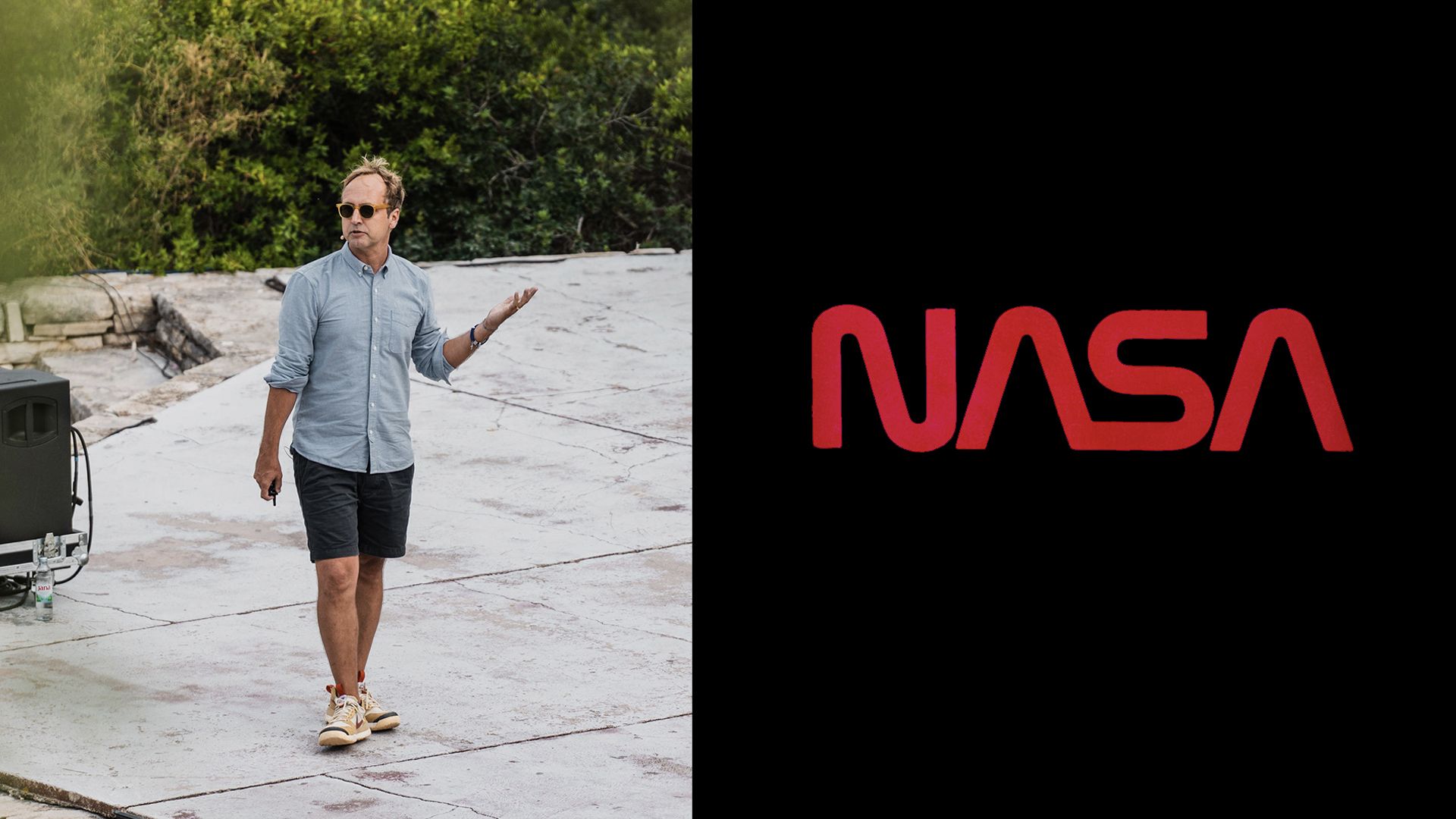
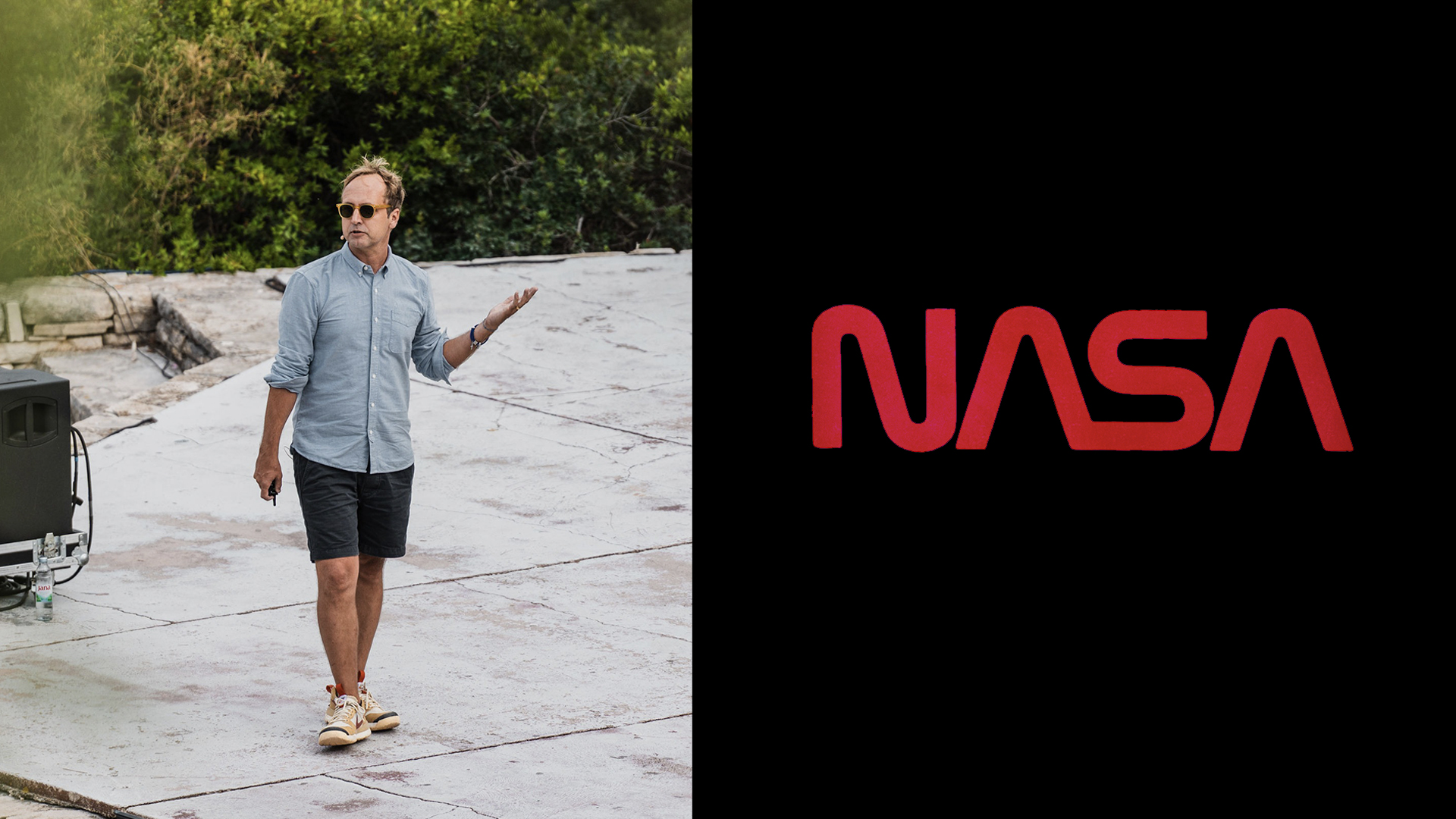
David Rager, the Creative Director of the National Aeronautics and Space Administration, took to the stage, not to showcase a revolutionary spacecraft, but to illuminate the intricate universe of NASA’s visual identity. His presentation delved into the monumental task of overseeing the agency’s iconic graphics and the strategic resurgence of its beloved "worm" logo, a design that was triumphantly reinstated in 2020, much to the elation of space exploration enthusiasts worldwide.
Following his insightful address, we had the distinct privilege of engaging in a more intimate conversation with Rager. Our discussion traversed his unconventional path to helming the visual brand of one of the globe’s most revered federal agencies, and the pressing challenges of safeguarding a brand intrinsically linked to trust in an era increasingly defined by the pervasive influence of artificial intelligence.
A Non-Linear Ascent: Charting David Rager’s Journey to NASA
Rager’s trajectory to his current role is far from a conventional corporate climb. His initial foray into graphic design was forged in the crucible of the music industry. "It’s not a very straight line," he admitted. "My beginning in graphic design came through music. I’ve always been in bands, and when I was in college I started making flyers, posters and album covers for my own band and then for friends’ bands. That led to freelance work and agency jobs."
This early immersion in visual communication for a burgeoning music scene provided a fertile ground for developing his creative acumen. The demand for compelling visuals to capture attention and convey identity was a powerful early lesson.
The allure of Los Angeles eventually drew him westward, where his band aspirations unexpectedly intersected with a new career path. "I eventually moved to Los Angeles with my band and stumbled into a career in the museum world," Rager explained. This pivot marked a significant shift, introducing him to the complexities of cultural institutions and their inherent branding challenges.
His career continued to weave through diverse creative landscapes. "From there I moved through agency work, helped open a new museum in New York, and then moved to Paris with my wife, where we also started our own studio doing architecture and design, mostly hospitality and restaurants." This period in Paris, co-leading a studio focused on tangible environments and client-facing businesses, further broadened his understanding of brand application across different scales and industries.
The eventual return to Los Angeles brought him to the doorstep of a different kind of titan: Disney. It was during this chapter that proximity and serendipity played a crucial role. "Eventually, we came back to LA and I got a job at Disney. We moved into a neighbourhood right behind NASA’s Jet Propulsion Laboratory, and I started discovering all these creative roles within NASA," he recounted.
NASA, at the time, was undergoing a period of internal restructuring. "They were going through a reorganisation and needed a design leader, so I was brought in to manage a team." This initial engagement was instrumental in bridging the gap between Rager’s expertise and the agency’s burgeoning need for a cohesive visual strategy.
Recognizing the potential for a more integrated approach, Rager actively sought to cultivate a stronger connection between the JPL team and NASA Headquarters. "My boss asked me to build a relationship with NASA Headquarters so the team could take on more brand and design work," he stated. This proactive strategy proved highly effective. "They kept buying more of my time until they eventually said, ‘We need you here full-time.’"
His formal tenure at NASA began at JPL in 2019. The subsequent year, 2023, saw him transition to a full-time role at Headquarters, a move catalyzed by a significant project that underscored the agency’s evolving appreciation for its visual legacy: the revival of the iconic NASA "worm" logotype, a design that had been retired in 1992.
The "Worm" Versus the "Meatball": A Tale of Two Logos
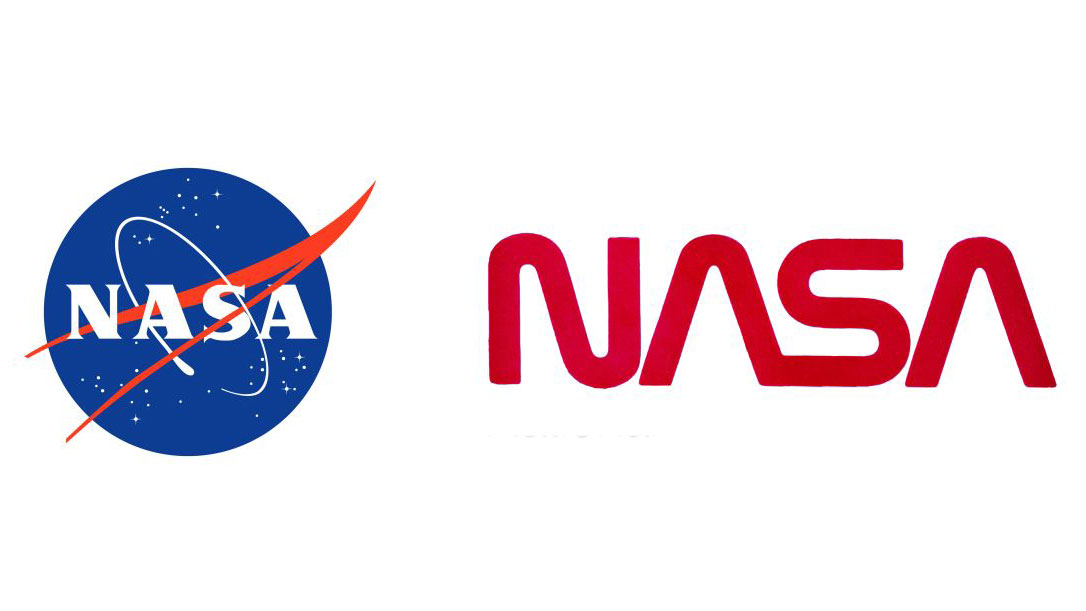
The narrative of the "worm" logo’s return is central to Rager’s mission at NASA and highlights the agency’s complex relationship with its visual history. The logotype, a sleek, futuristic script, was first introduced in 1975. However, its tenure was cut short in 1992.
"In 1992, we had an administrator who came in and didn’t like it," Rager explained, recalling the administrative decision that led to the logo’s obsolescence. "He wanted to bring back some of the Apollo pride and energy, so he tossed out the logotype and brought back the meatball, or the insignia."
The "meatball," the more traditional circular insignia featuring stars, a red chevron, and an orbit, has been NASA’s primary identifier for much of its history. The decision to reinstate the "worm" was not a simple replacement but a strategic reintegration, aiming to harmonize the agency’s diverse visual assets.
"My job for a year or so was writing a peace treaty between the two of them – the meatball and the worm," Rager described, encapsulating the delicate balancing act involved. This "peace treaty" involved developing clear guidelines for when and how each logo could be used, acknowledging their distinct aesthetic appeals and historical contexts.
The significance of the "worm’s" return is amplified by its cultural resonance. "The designer of the worm is in his 90s now, and he never thought he would see it used anywhere again," Rager shared, highlighting the emotional impact of the revival for the original creator. Furthermore, the "worm" logo’s enduring legacy has been recognized by the art world. "Not only is it back, but it was recently acquired by the Museum of Modern Art in New York to be part of their permanent collection," he announced, underscoring its status as a significant piece of design history.
Navigating a Legacy: The Challenges of Branding a Global Icon
Leading the visual brand of an organization as storied and globally recognized as NASA presents a unique set of challenges. Rager’s approach is informed by his external perspective, a valuable asset in an environment where deep-seated institutional knowledge can sometimes lead to a less critical view of established practices.
"It takes a lot of organising, and it’s interesting because I come from a strong outside perspective," Rager observed. "A lot of my colleagues have only ever worked at one place. I think about 30% of NASA has only ever worked at NASA. About the same percentage, I think, have been there 30 years or more." This long-term institutional memory, while fostering deep expertise, can also mean that the brand’s visual elements become so ingrained that their inherent value is overlooked.
"There are a couple of things. Our scientists and engineers don’t interface with our brand so frequently. But when you have a heritage brand like NASA, if you’ve been there a long time, it’s easy to think of it more like wallpaper. You don’t even notice it," he elaborated.
A significant part of Rager’s role, therefore, involves a continuous process of internal education and brand advocacy. "A lot of my job has been reminding our internal teams of its value. I do a lot of education." This educational effort extends to workshops and presentations designed to foster a deeper understanding and appreciation for the brand’s power. "Part of the work with these two logos was workshops and presentations with different groups to help them understand how it works. And also to help them understand that there’s actual value in being consistent in the way that they communicate. This thing that you don’t think much about has significant value."
The Core Values of NASA’s Brand: Optimism, Humanity, and Public Trust
When considering the essence of NASA’s brand, Rager frames it not as a product for sale, but as a potent communicator of profound values. "The way that I think about it is: what are we selling? We’re not selling a product, right? What we are selling is sort of optimism and humanity." This philosophical underpinning is deeply intertwined with the agency’s mission and its public mandate.
The iconic tagline, "for all humankind," encapsulates this ethos. "It’s unique to be a place where, when you achieve something, the world feels like they achieved something," Rager stated, highlighting the unifying and inspiring nature of NASA’s accomplishments.
These are not merely marketing slogans but core tenets that inform the agency’s brand identity. "Those are core to our values. Obviously, NASA has corporate values and things that it works for, but the brand values are really about sharing information and the value of the work that we do." This emphasis on information sharing is critical, given NASA’s public funding. "We’re funded by the public. So we want to make sure the public understands that it’s a good investment." This transparency and accountability are fundamental to maintaining public support and engagement.
The AI Imperative: Safeguarding Trust in a Disinformation Age
In an era increasingly saturated with artificial intelligence and the proliferation of misinformation, the concept of trust has become paramount. For an organization like NASA, whose credibility is its most valuable asset, navigating this landscape presents a formidable challenge. Rager’s stance on the use of AI in brand representation is unequivocal and rooted in this understanding of trust.
"We have a lot of people who are very technically capable at NASA, and they’re also very quick to want to use technical tools and do technical things," he acknowledged, recognizing the inherent drive within the agency for technological adoption. However, this enthusiasm must be tempered by strategic brand stewardship.
"I prohibited using AI imagery," Rager declared, a decision that generated significant internal discussion. "I got a lot of pushback from people who were like, ‘Why? Why? I don’t need to ask it for help designing something. I can generate something.’"
His rationale is directly tied to the core of NASA’s brand identity. "My response is exactly as you said: our brand is built on trust. When people look at an image from NASA, they need to understand that it’s real, that they can believe what they see." The potential for AI-generated imagery to blur the lines between reality and fabrication poses a direct threat to this fundamental principle.
Rager emphasized the need to avoid inadvertently contributing to the existing challenges of discerning truth from falsehood. "There are already enough people out there who are looking for excuses not to believe something is true, and we don’t need to fuel the fire." This proactive stance is crucial in preserving the integrity of NASA’s visual communications.
Furthermore, Rager pointed to the agency’s rich archive of authentic visual content as a superior alternative to AI-generated imagery. "The communications manifesto about it says it has to use something that exists first. We have so many wonderful images and pieces of art that have been made, wonderful photographs. We have the kind of stuff that AI wishes it could make." This statement underscores a belief in the intrinsic value and authenticity of human-created content, particularly when that content originates from an organization dedicated to exploring the real universe.
David Rager’s leadership at NASA represents a fascinating intersection of artistic vision, historical preservation, and pragmatic brand management. His journey, marked by a diverse career path, and his unwavering commitment to maintaining trust in the face of evolving technological landscapes, positions NASA’s visual identity not just as a symbol of exploration, but as a beacon of authenticity and optimism for the world. As the agency continues to push the boundaries of human endeavor, its visual narrative remains a crucial element in connecting with and inspiring "all humankind."