Riley Sager Unveils "The Unknown": A Chilling Descent into a Century-Old Mystery on Vermont’s Haunted New Avalon
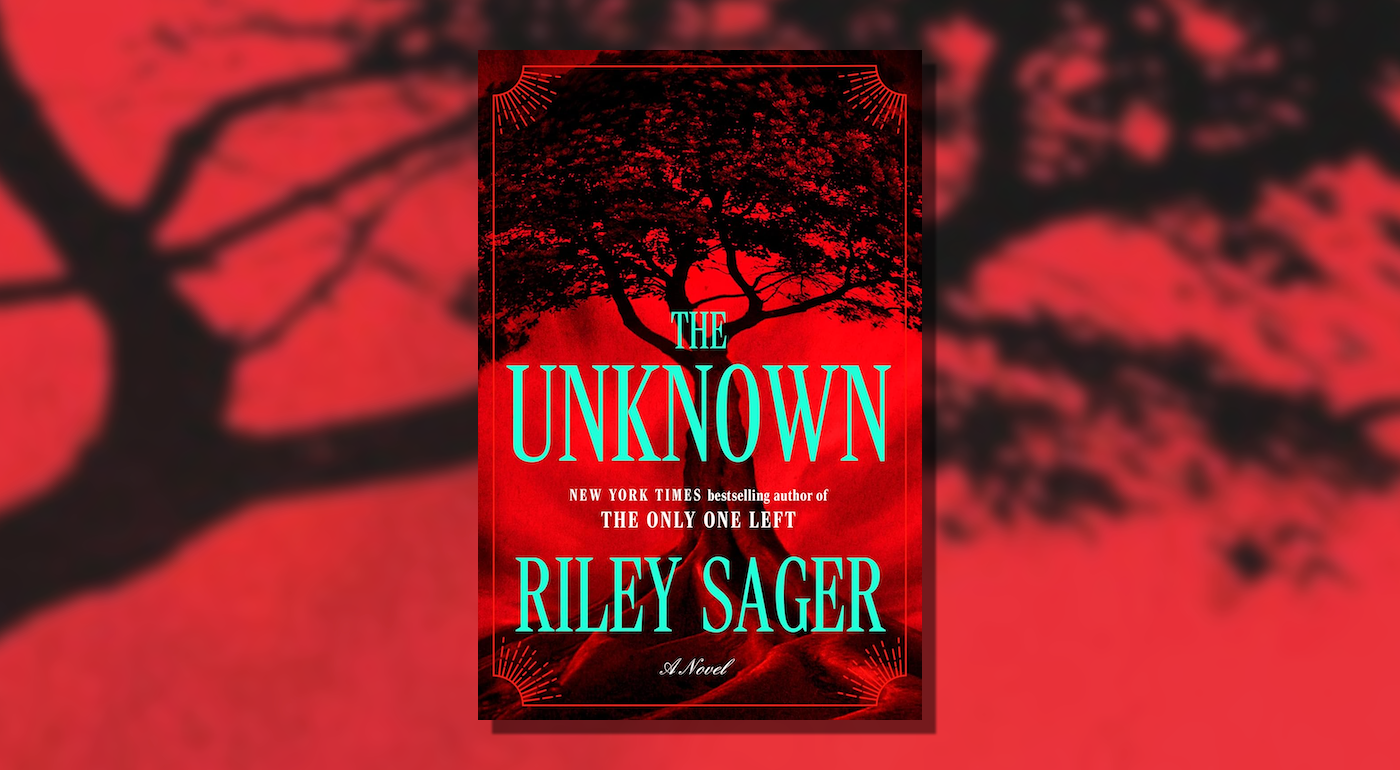
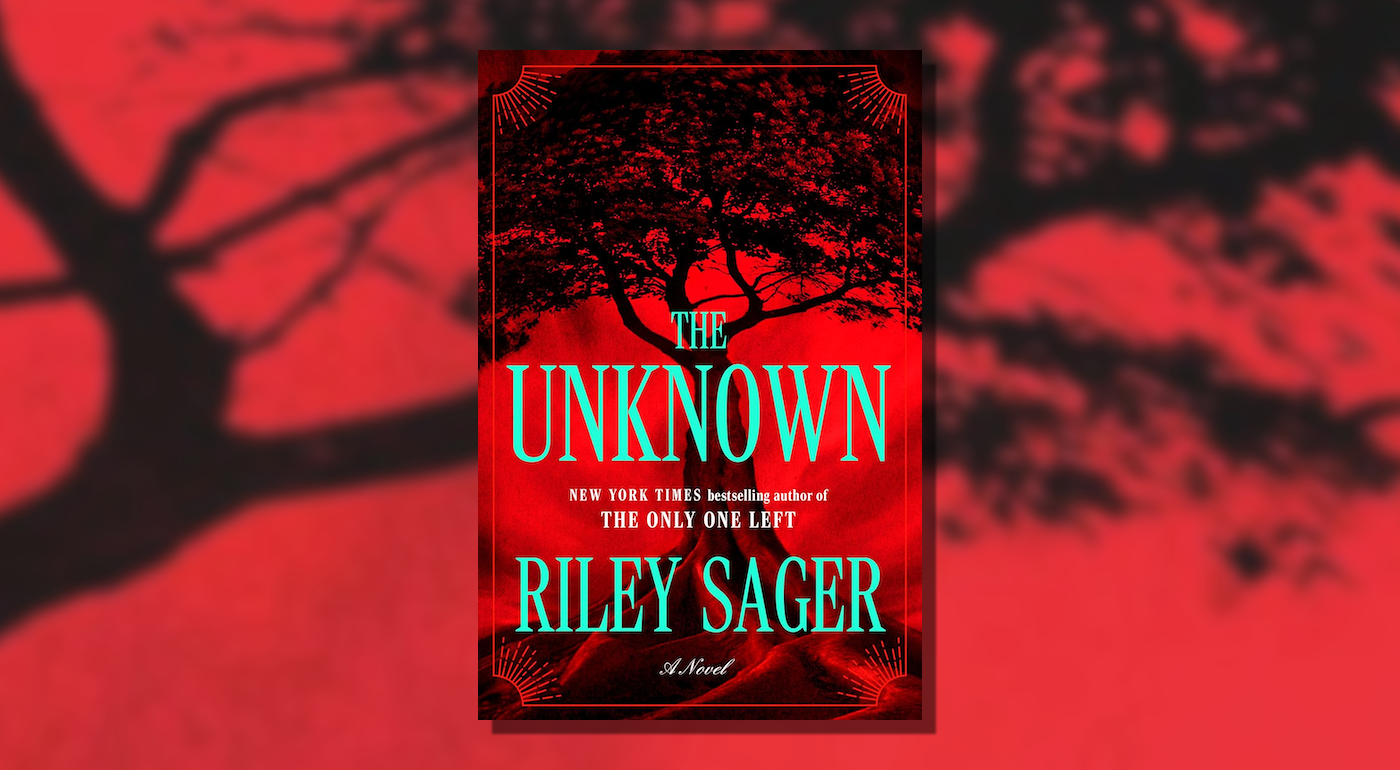
New York, NY (August 1, 2026) – Master of suspense Riley Sager is set to unleash his latest spine-chilling novel, The Unknown, upon readers this August 4th, published by Dutton. Promising a gripping blend of historical mystery, psychological tension, and supernatural horror, the book thrusts a struggling actress into a real-life reenactment of a century-old vanishing act on a remote, ominous island in Vermont. An exclusive excerpt, shared ahead of its release, offers a tantalizing glimpse into the foreboding world awaiting protagonist Marin Keane and, by extension, Sager’s eager readership.
The Unknown centers on the enigmatic New Avalon, an island nestled within Vermont’s sprawling Lake Faraday, infamous for a mass disappearance that occurred nearly a century ago. In 1926, a commune of spiritual mediums vanished without a trace, leaving behind only five dresses hanging eerily from the branches of an ancient oak tree. While local lore offers various explanations – from simple departure to brutal murder – the most chilling theory, fueled by a diary left by one of the missing, Daisy Rue, points to a séance gone terribly wrong, conjuring an entity that claimed the women one by one.
Now, a major motion picture aims to bring this unsolved mystery to the screen, and struggling actress Marin Keane unexpectedly lands a coveted role. Her surprise intensifies when she learns the production demands a week-long research trip to the very heart of the enigma: New Avalon island itself. What begins as an immersive acting exercise soon devolves into a terrifying ordeal as strange noises, mysterious symbols, and a sudden stranding plunge Marin and her castmates – including legendary actress Violet Wright and white-hot director Ronan Peters – into a horrifying reenactment of history. As fear and suspicion mount, the disappearances begin anew, forcing Marin to confront whether the island’s alleged supernatural past is merely a legend or a malevolent force catching up with the present.
The Road to New Avalon: Marin Keane’s Unlikely Journey into the Heart of Darkness
The excerpt opens with Marin Keane’s arrival at Lake Faraday, highlighting the remote and almost ethereal quality of New Avalon, described as "a black smudge on the horizon," an elusive "suggestion of an island." Her journey to this isolated location is far from ordinary, marked by a series of events that underscore the urgent, almost desperate, nature of the film’s pre-production.
From Waitress to Leading Lady: Marin’s Unexpected Break
Marin’s casting is a tale of serendipity and desperation. Just days before her departure for Vermont, Marin was a working waitress, her acting career largely confined to aspiration. Her agent, Veronica, presented an unexpected opportunity: an audition for a "major motion picture" requiring a woman in her late twenties with a "period look." The call came from a production in a "casting emergency," needing to replace an actress who had dropped out just two weeks before filming was scheduled to begin. This urgency, while a lucky break for Marin, already casts a subtle shadow over the production, hinting at potential underlying issues. Marin’s initial skepticism ("You want me to audition for a movie?") quickly gives way to disbelief as she realizes the magnitude of the project, helmed by the acclaimed Ronan Peters and starring the iconic Violet Wright.
The Audition: A Deep Dive into Imagination
Marin’s audition itself was unconventional, less a performance and more a psychological probe orchestrated by Ronan Peters. Dressed plainly, embodying the "period look," Marin’s nervousness was palpable. Peters, however, was not seeking polished theatricality but raw authenticity and, crucially, imagination. He revealed that the previous actress "suffered from a lack of imagination," a fatal flaw for a horror film. Peters engaged Marin in a deeply personal "conversation," exploring her childhood, her desire for siblings, and her unique perspective on parental attention.
The turning point came when Peters challenged her: "Tell me a story. A ghost story. Something scary. Something dreadful." Marin, despite her anxiety, found herself recounting a personal ghostly encounter from her childhood. This revelation of her "overactive imagination" proved to be her ticket to the role, demonstrating Peters’ belief that a vivid internal world was essential for an actress to authentically portray fear and the unknown. Her casting, confirmed just two hours later, was a whirlwind, propelling her from waitressing to the precipice of a potentially career-defining role.
A Whirlwind Preparation: Two Weeks to Vermont
The transition was immediate and intense. Marin spent two days immersed in costume fittings and hair and makeup tests, barely having time to request a leave of absence from her restaurant job. The tight schedule, a mere two weeks before principal photography, underscored the high-stakes environment. This rapid pace, coupled with the unusual nature of the "research trip," suggests a production pushing boundaries, perhaps even recklessly.
Arrival at the Lake: Ominous Beginnings
Marin’s arrival at Lake Faraday is marked by a palpable sense of unease. Loretta, the film’s producer, awaits her at the dock, her "dark" ensemble mirroring the "black smudge" of the island. Marin’s lateness, caused by traffic, adds to her mounting anxiety. The lake is "smooth as glass," eerily still, and the only other person present is Pete, the archetypal "old salt" boatman, whose grizzled appearance and perpetual squint speak of years spent observing the lake’s mysteries. Pete’s terse responses and judgmental sniff ("Too far to be making a movie there") further amplify the foreboding atmosphere, hinting at local knowledge and apprehension regarding New Avalon.
The Cryptic Warning: A Predecessor’s Dire Message
Just as Marin is about to embark on the final leg of her journey to the island, a series of anonymous text messages throws her into profound disquiet. The sender identifies herself as "the woman you replaced," immediately sparking Marin’s concern. Her apology is met with an ominous response: "that’s not why i’m doing this." The chilling climax of the chapter arrives with the final, stark warning: "don’t set foot on that island. if you do, i swear, you WILL regret it." This direct, unequivocal threat from her predecessor injects a potent dose of immediate danger, transforming the artistic retreat into a potential trap. Marin’s attempt to smile away her unease is a futile gesture against the palpable sense of dread that has now firmly taken root.
Unraveling the Legend of New Avalon: A Century of Disappearances
The island of New Avalon is not merely a picturesque location but a character in itself, steeped in a history of mystery and speculation that forms the core of Sager’s narrative. The film’s director, Ronan Peters, and producer, Loretta, reveal the island’s dark past to Marin during their initial lunch meeting, laying the groundwork for the immersive experience they plan for their cast.
The Island’s Macabre History: A Commune of Mediums
New Avalon’s origins trace back to industrialist Roderick Semple, who amassed his fortune during the Civil War. Upon his death, his spinster daughter, Ruth Hume Semple, transformed the private retreat into a commune. Every spring, Ruth and a small group of women would journey to the island, spending their summers there in activities that fueled intense local speculation. Whispers of a "coven of witches," chanting, bonfires, and naked dancing permeated the community, juxtaposed with claims that they were merely "harmless" rich women "living off the land." The true nature of their gatherings remained shrouded in secrecy until 1926.
The 1926 Vanishing: Séance Gone Wrong?
The year 1926 marks the pivotal moment in New Avalon’s history: the complete disappearance of Ruth Hume Semple and her companions. As Loretta explains, the women were spiritual mediums, a practice that gained widespread popularity in the aftermath of World War I and the Spanish Flu pandemic, when millions sought solace by attempting to contact deceased loved ones. During one such séance, something went catastrophically wrong. Ronan Peters elaborates, suggesting they "accidentally summoned something… A ghost," while Loretta offers an even more terrifying possibility: "some kind of evil entity that started taking the women one by one until there was no one left." This chilling backstory is not merely a plot device for the fictional movie within the book; it is the very fabric of the horror that Sager weaves.
Ronan Peters’ Vision: Authentic Immersion
Ronan Peters’ insistence on the week-long retreat to New Avalon is driven by an obsessive quest for authenticity. As he explained to Marin, the film’s success hinges on transporting audiences back in time, demanding "authentic" details "from the way your costumes are sewn to the glass in the windows." This extends to the cast themselves, who are expected to "live the way they lived," cooking, eating, and dressing as the women of 1926 did. Crucially, this means a complete eschewal of modern amenities: "no phones, no devices, nothing that didn’t exist in 1926." This "boot camp" approach, while seemingly a dedication to craft, also serves to isolate the cast, making them vulnerable and mirroring the very conditions under which the original disappearances occurred.
The Cast and Crew: High Stakes Production
The film’s production is clearly high-profile, drawing in industry heavyweights like Ronan Peters, known for his "elevated horror" approach, and legendary actress Violet Wright. Loretta, the producer, plays the pragmatic foil to Peters’ artistic intensity. The "casting emergency" and the rapid-fire schedule underscore the pressures involved. The ensemble of five actresses, including Marin, are tasked with embodying the vanished women, inadvertently placing them in a precarious position, blurring the lines between acting and reality.
Publisher Insights and Authorial Intent
Riley Sager has cemented his reputation as a master of contemporary thrillers, celebrated for his intricate plots, unreliable narrators, and relentless build-up of suspense. The Unknown appears to be a natural evolution of his signature style, venturing into more overtly supernatural territory while retaining the psychological depth and claustrophobic atmosphere that defines his work. Dutton, as his publisher, has clearly identified the potent appeal of blending a historical cold case with modern-day horror, a formula that resonates deeply with Sager’s established fanbase and promises to attract new readers.
The excerpt reveals Sager’s masterful control of pacing and dread. He deftly uses Marin’s internal monologue to build tension, from her initial nervousness and self-doubt to the mounting unease triggered by the mysterious island and the chilling text messages. The inclusion of the fictional movie within the novel creates a meta-narrative layer, allowing Sager to explore themes of performance, reality, and the power of storytelling itself. The director’s obsession with "authenticity" serves not just as a plot device but as a commentary on the immersive nature of horror, both for the characters and for the reader.
The Unfolding Terror: What Awaits on New Avalon?
As Marin Keane, a struggling actress with an "overactive imagination," steps onto the boat heading towards New Avalon, she carries not just her luggage but the weight of a century-old mystery and a fresh, ominous warning. The excerpt leaves readers on a precipice, eager to discover the fate that awaits her.
A Race Against History: Can Marin Break the Cycle?
The central question posed by The Unknown is whether history is destined to repeat itself. With new disappearances already confirmed to begin once the cast is stranded, Marin’s role becomes far more than an acting gig; it’s a fight for survival. Her turning to Daisy Rue’s diary, the only tangible link to the original vanished women, suggests a desperate race against time to unravel the past and prevent the island’s terrible history from claiming new victims. Her "overactive imagination," once her key to landing the role, may now be her greatest asset—or her most dangerous liability—in discerning reality from the supernatural terror that lurks on New Avalon.
The Psychological Landscape: Fear, Suspicion, and Isolation
The premise of The Unknown sets the stage for a deeply psychological horror experience. Stranded on an isolated island, cut off from the modern world, and forced to live under primitive conditions, the cast will undoubtedly face mounting fear and suspicion. The cryptic warning from Marin’s predecessor introduces an immediate element of human threat, creating internal divisions even before any supernatural entity fully manifests. Is the island’s alleged supernatural past truly malevolent, or is there a human agent at play, perhaps someone trying to derail the movie, or worse? The isolation, combined with the reenactment of a tragic history, is primed to erode sanity and trust, making every strange noise and mysterious symbol a potential harbinger of doom.
The Promise of a Thrilling Read
The Unknown promises to be a riveting journey into the heart of darkness, exploring themes of historical trauma, the power of belief, and the fine line between acting and reality. Riley Sager’s masterful storytelling, combined with a truly chilling premise, guarantees a read that will keep pages turning late into the night. As Marin Keane confronts the malevolent secrets of New Avalon, readers will find themselves irrevocably drawn into a mystery that blurs the boundaries of the known, challenging them to question everything they believe about the past, the present, and the terrifying forces that might lie The Unknown. Be prepared to be captivated when it hits shelves on August 4th.