Beyond the Cartoon: Meta’s Multi-Year Roadmap to Photorealistic Digital Presence
MENLO PARK, CA — For nearly a decade, Meta’s vision of the "metaverse" has been haunted by a persistent aesthetic critique: its reliance on legless, cartoonish avatars that many felt were ill-suited for professional or high-stakes social interaction. That era is finally drawing to a close. At Meta Connect, the company unveiled a comprehensive timeline for the rollout of "Holograms"—its most ambitious attempt yet to bridge the uncanny valley and provide a realistic digital presence that rivals, and in some ways surpasses, Apple’s "Personas."
This transition marks a fundamental shift in Meta’s strategy, moving away from the purely geometric, mesh-based avatars of the past toward a sophisticated system powered by real-time generative artificial intelligence. The rollout begins this year with a "shoulders-up" implementation for smart glasses and culminates in 2027 with full-body, stereoscopic holograms for the company’s upcoming high-end AR/VR hardware.
I. Main Facts: The New Architecture of Digital Identity
Meta’s "Holograms" represent the commercial realization of what was previously known as "Codec Avatars"—a research project that has lived in the company’s Reality Labs for over seven years. However, the version shipping to consumers is technically distinct from the original research prototypes.
The core of the Hologram system is a real-time generative AI diffusion model. Unlike traditional avatars that use a pre-built 3D model animated by sensors, Holograms are essentially a live, AI-generated video stream. The system takes the user’s voice via the device’s microphones and uses that audio data to "drive" a synthetic visual representation of the user.
Key Deliverables:
- Fall 2024: Early Access launch of shoulders-up Holograms for Meta Ray-Ban Display glasses in the US via WhatsApp.
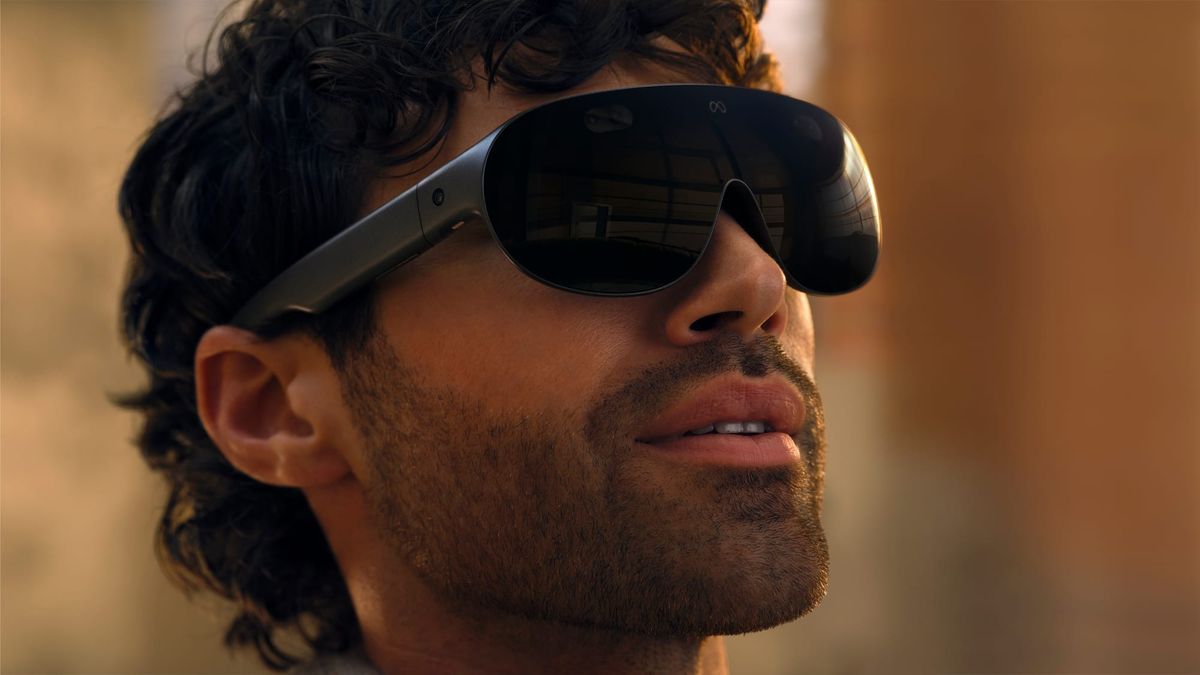
- Spring 2027: Launch of full-body, stereoscopic Holograms with the "Meta VR Glasses" (priced at $1,300).
- Platform Integration: Holograms will eventually replace the existing Meta Avatar SDK, signaling the end of the "cartoon" era for developers.
II. Chronology: The Seven-Year Itch
The journey to Holograms has been one of the most documented and ridiculed paths in modern tech history. To understand the significance of this announcement, one must look at the timeline of Meta’s social VR evolution.
2017–2021: The Research Phase
In 2017, Facebook (now Meta) first demonstrated Codec Avatars. These early versions required massive, room-sized scanning rigs featuring hundreds of cameras to capture a person’s likeness. While the results were indistinguishable from reality, the technology was years away from being "mobile-ready." During this same period, Meta launched Horizon Worlds, featuring the simplified, stylized avatars that would later become a meme-worthy symbol of the company’s perceived failure to deliver on its metaverse promises.
2022–2023: The Apple Pressure
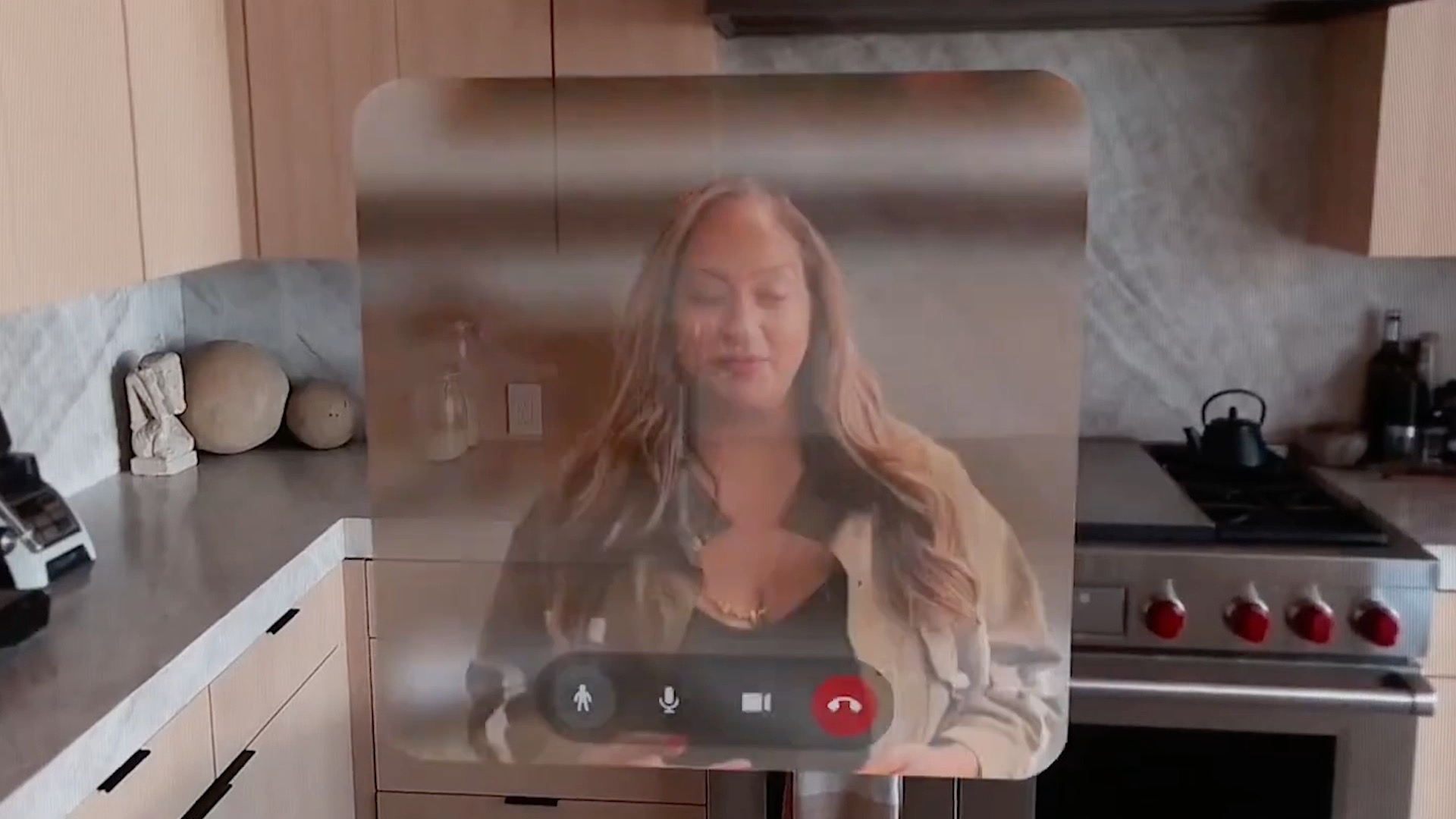
The landscape shifted dramatically with the announcement of the Apple Vision Pro and its "Personas." Apple opted for a "hyper-realistic" (if somewhat ghostly) representation of the user, putting immediate pressure on Meta to deliver a professional-grade alternative to its cartoonish figures.
2024–2026: The Diffusion Pivot
Recognizing that true volumetric Codec Avatars were still too computationally expensive for standalone headsets, Meta’s engineers pivoted to AI diffusion. By training models on smartphone video captures, they found they could generate a 2D or stereoscopic video of a person that looked real, even if it wasn’t a "true" 3D object in the mathematical sense.
2027 and Beyond: The Volumetric Dream
The roadmap concludes with the eventual upgrade of these AI-generated streams into true volumetric objects, allowing for group co-presence where users can walk around one another in a shared digital space.
III. Supporting Data: The Technical Underpinnings
The process of creating a Hologram is designed to be accessible, requiring only a smartphone rather than a specialized scanning rig.
The Enrollment Process
To initialize a Hologram, users utilize the Meta AI app. The setup involves:
- Kinetic Capture: Turning the head up, down, and side-to-side to capture the geometry of the face.
- Expressive Conditioning: The app asks open-ended questions, requiring the user to provide long-form, expressive answers. This allows the AI to learn how the user’s specific facial muscles move during speech, how they smile, and how their eyes crinkle.
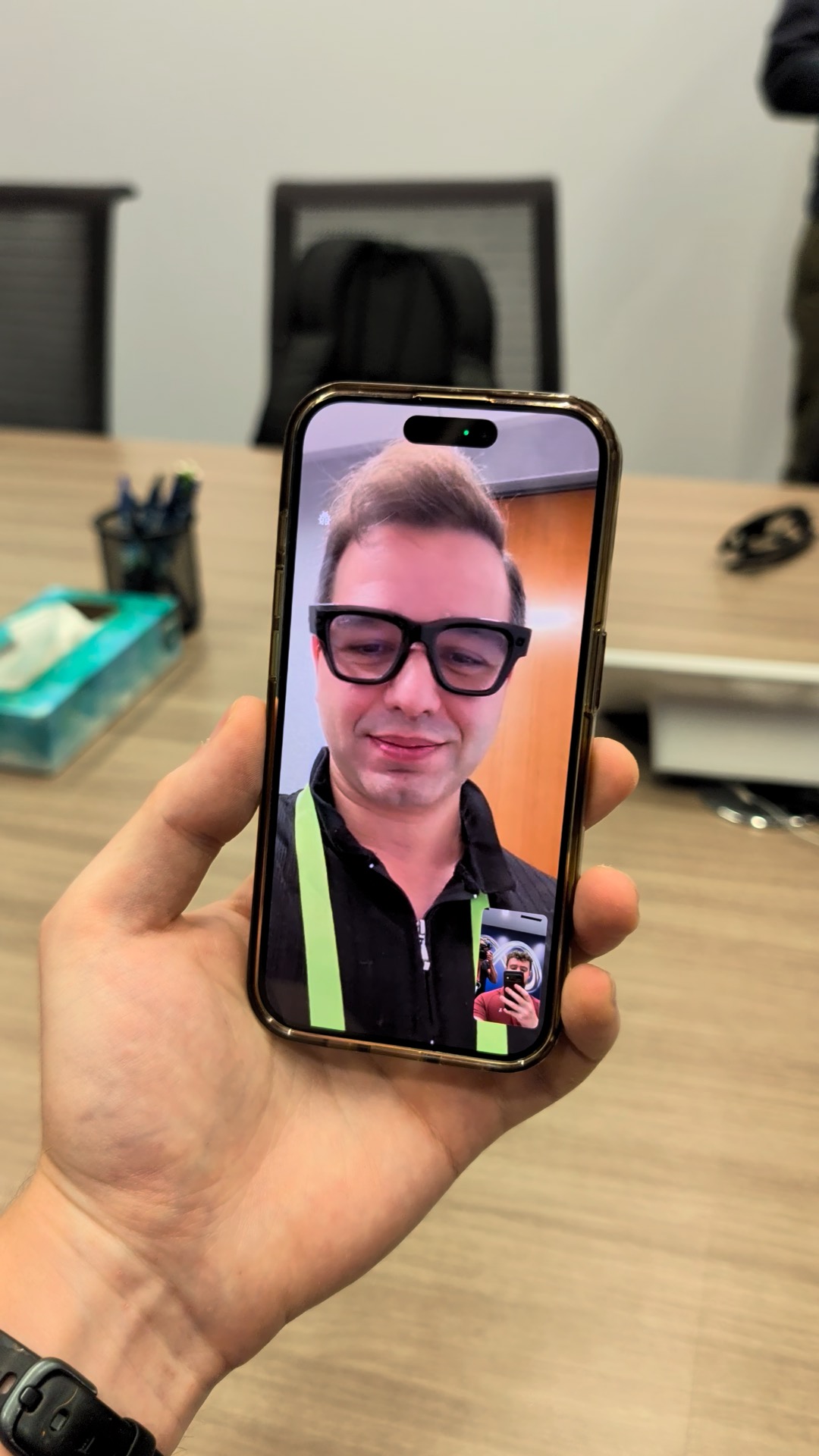
- Environmental Context: The capture includes the user’s clothing and current background. Currently, these elements are "baked in," meaning the Hologram will always appear in the clothes worn during the initial setup.
The Generative Engine
The "magic" of the system happens server-side. When a user makes a WhatsApp call from their Meta Ray-Ban glasses:
- Input: The device captures raw audio.
- Processing: The audio stream is sent to Meta’s servers, where a diffusion model predicts the corresponding facial movements.
- Output: The server generates a 2D video stream (for phones/glasses) or a stereoscopic 3D stream (for VR headsets) and beams it to the recipient.
Hardware Specifications
The full-body experience is tied to the newly announced Meta VR Glasses, which feature:
- Displays: Dual 2.4K micro-OLED panels.
- Form Factor: A lightweight 100-gram design.
- Processing: A tethered "puck" housing Qualcomm’s Snapdragon Reality Elite chipset.
IV. Official Responses and Hands-On Observations
During demonstrations at Meta Connect 2026, the reaction from industry observers was a mix of shock and cautious skepticism.
The "Plausibility" Factor
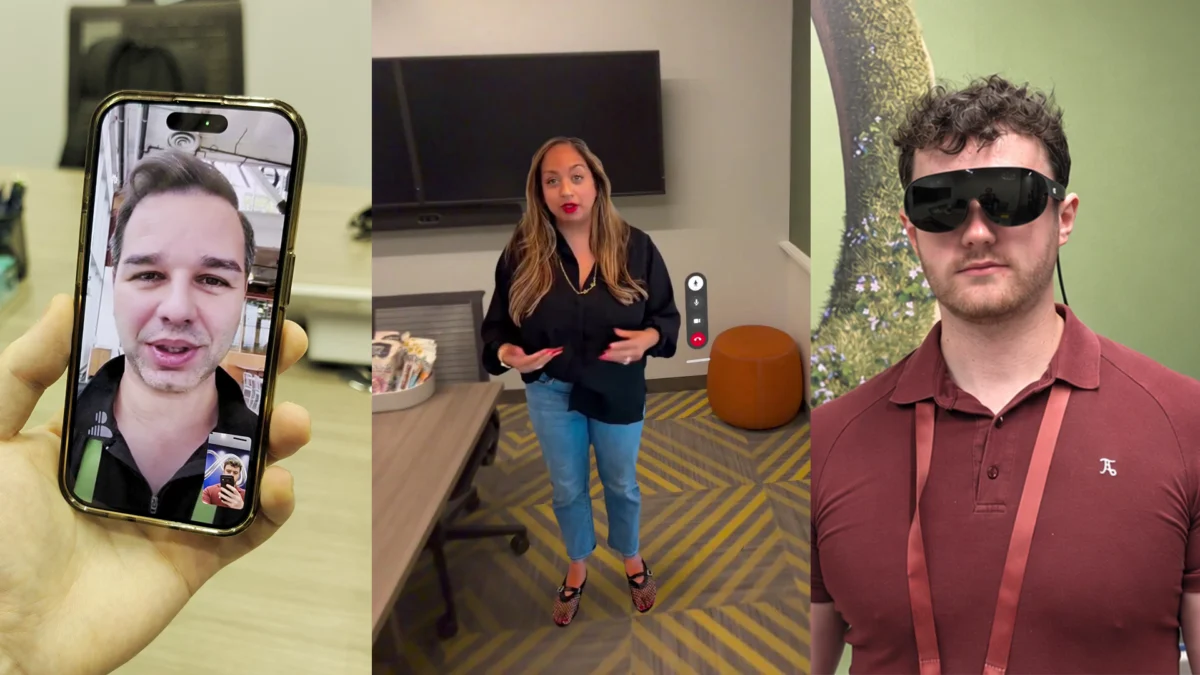
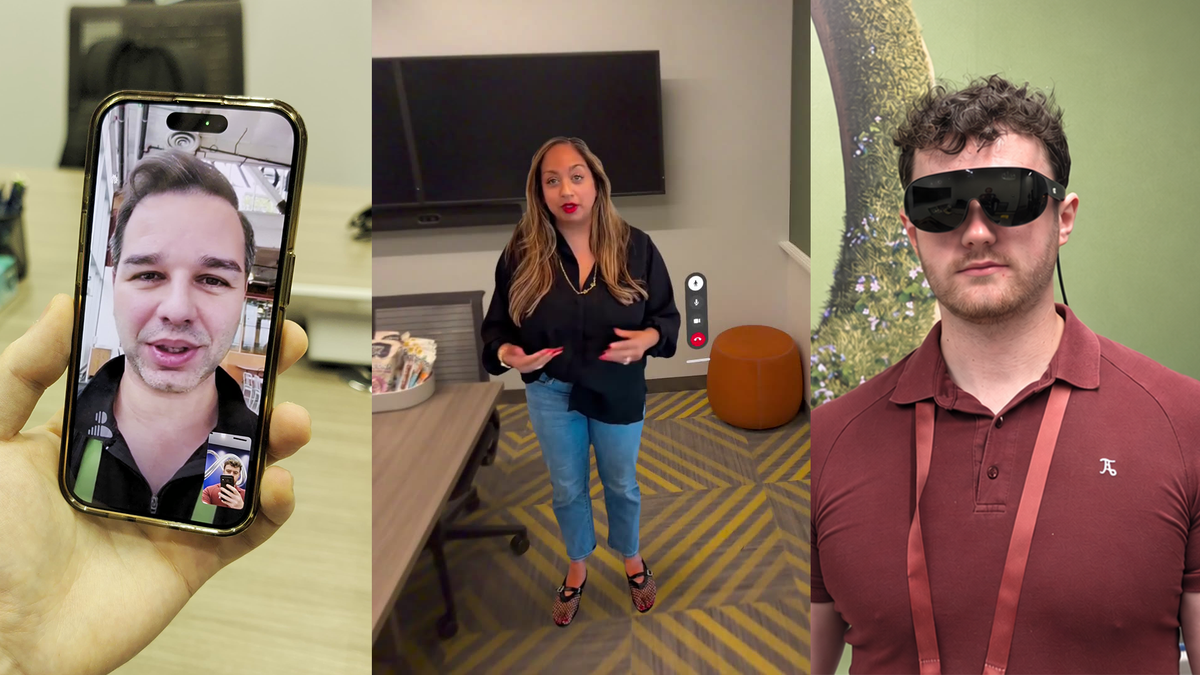
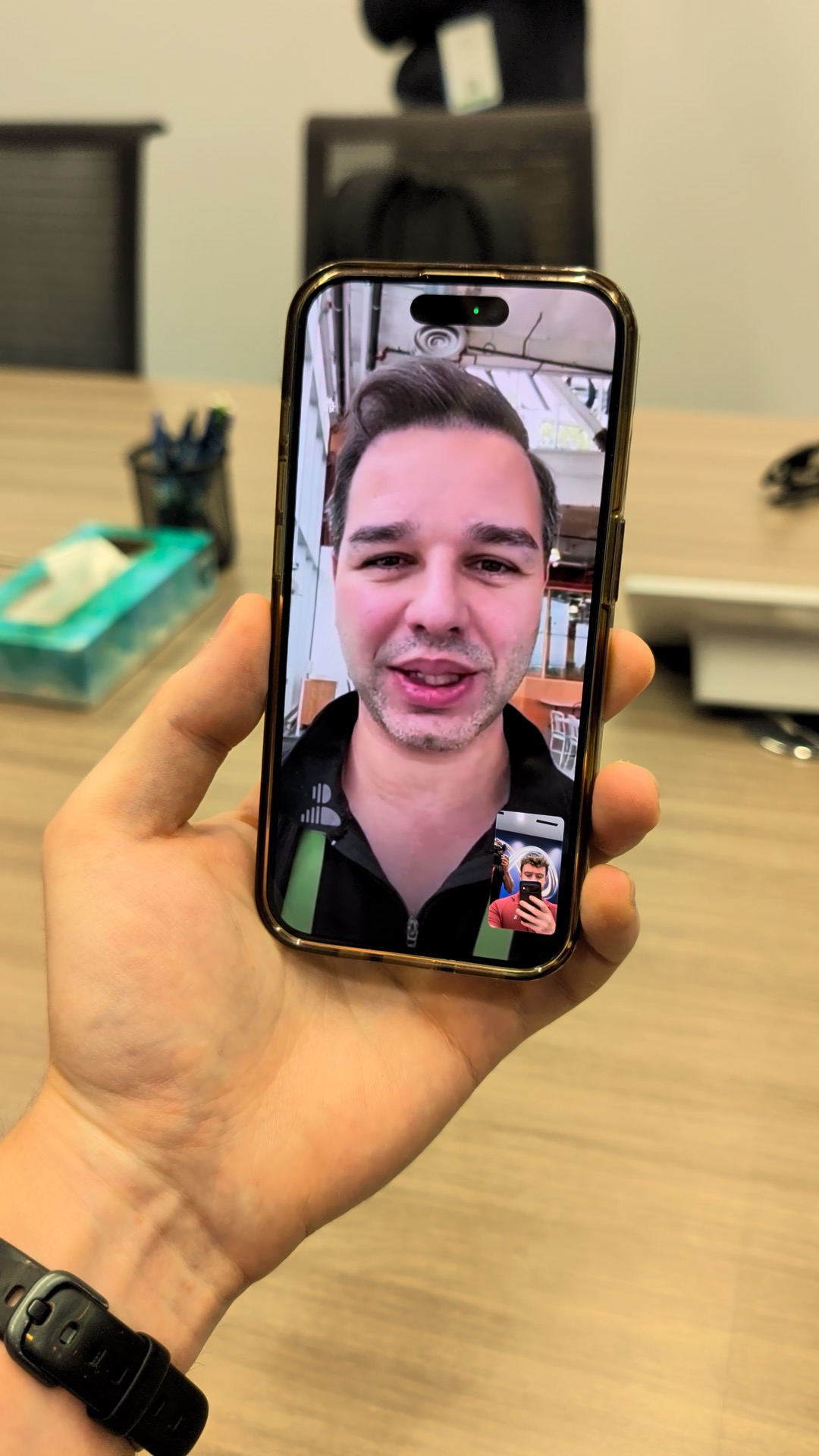
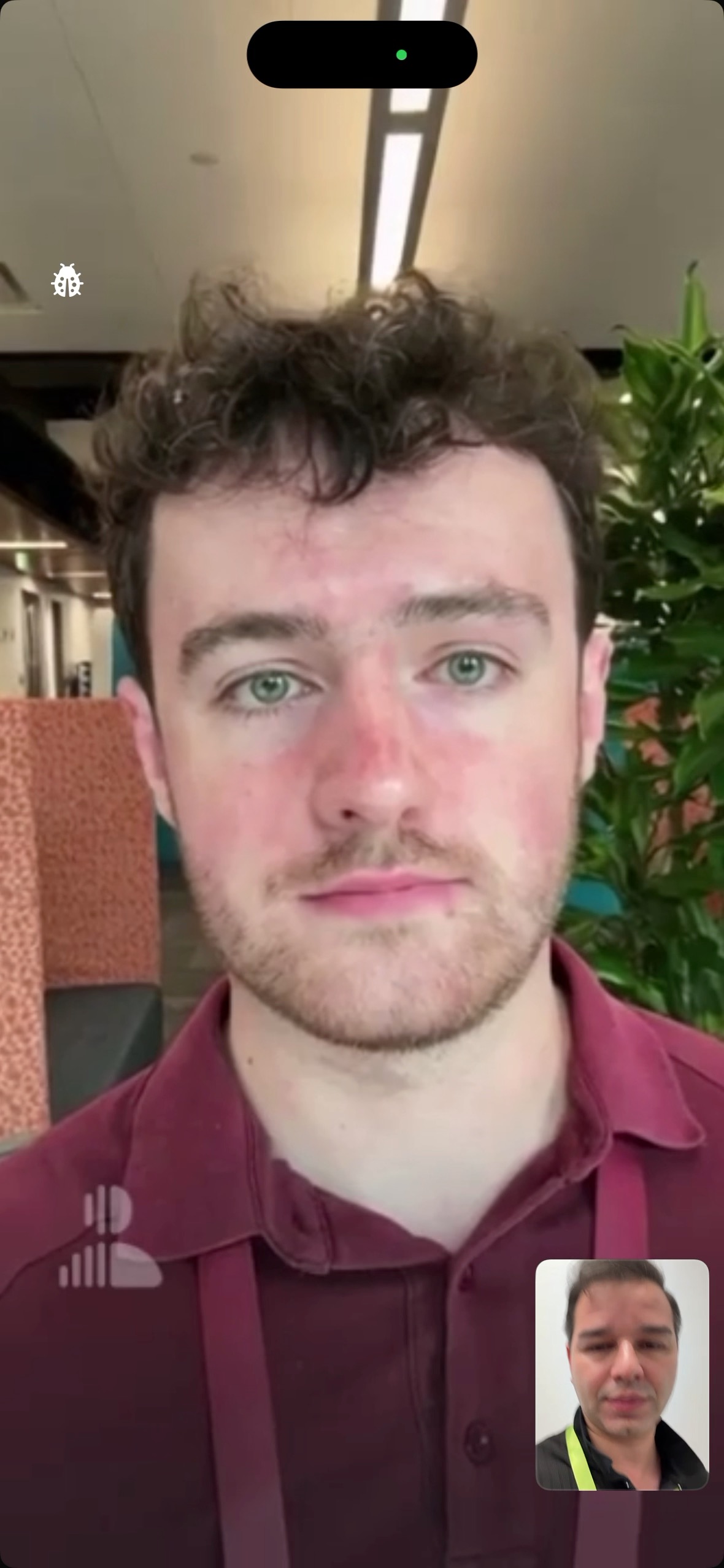
Early testers reported that the realism of the Holograms was high enough to be "plausible." In one notable demo, a Meta staffer transitioned from a standard selfie camera to a Hologram mid-call. The transition was so seamless that observers initially believed they were still looking at a live camera feed. The AI-generated movements—nodding, blinking, and glancing—were described as "shockingly realistic."
Engineering Insights
Meta engineers addressed several limitations observed during the hands-on sessions:
- Bandwidth Issues: Some testers noted "blocky" fine details, particularly around the eyes. Meta attributed this to Wi-Fi congestion at the event, suggesting that under optimal conditions, the stream would be significantly sharper.
- The Billboard Effect: A significant technical hurdle remains for the 2027 VR implementation. Because the current Holograms are stereoscopic video streams rather than 3D volumes, they suffer from the "billboard effect"—the avatar always rotates to face the viewer. If a viewer walks around to the side of the Hologram, the illusion breaks as the "flat" nature of the video becomes apparent.
- Future Improvements: Engineers confirmed they are exploring the use of the glasses’ IMU (Inertial Measurement Unit) to drive head rotation and sampling the onboard cameras to create dynamic backgrounds that match the user’s actual environment.
V. Implications: A Paradigm Shift in Communication
The introduction of Holograms has profound implications for the future of digital interaction, professional collaboration, and the "Uncanny Valley."

The Death of the Cartoon
By announcing that the Meta Avatars SDK is no longer being developed in favor of the Hologram system, Meta is effectively admitting that the "stylized" approach to the metaverse was a transitional phase. For businesses, this is a welcome change. The ability to conduct a board meeting or a client consultation with a realistic representation—rather than a floating cartoon—removes a significant barrier to the enterprise adoption of VR.
Privacy and Deepfakes
The move to AI-generated "synthetic versions" of users raises inevitable questions about digital identity and security. If a person’s likeness is being generated by a server based on audio, the potential for "digital identity theft" or sophisticated deepfake scams increases. Meta will likely need to implement robust biometric "handshakes" to ensure that the person driving a Hologram is indeed the owner of that likeness.
The Hardware Tether
The success of Holograms is inextricably linked to Meta’s hardware roadmap. For the "shoulders-up" version on Ray-Ban glasses, the utility is questionable—why see a synthetic version of a friend on a phone screen when you could just see their actual face? The true value proposition lies in the 2027 VR Glasses, where "true scale" presence can be achieved. However, at a $1,300 price point, this level of presence will remains a luxury for the foreseeable future.
Conclusion
Meta’s "Holograms" are a bold bet that generative AI can solve the problem of digital presence more efficiently than traditional 3D modeling. While the "billboard" limitations and the static nature of the backgrounds show that the technology is still in its infancy, the leap from cartoons to "plausible" humans represents the most significant milestone in Meta’s social VR strategy since the acquisition of Oculus. The next three years will determine if these digital ghosts can truly replace the warmth of in-person connection.