Ryan Cahill’s "The Fall" Redefines the Prequel Narrative, Setting a Profound Tone for The Bound and the Broken Saga
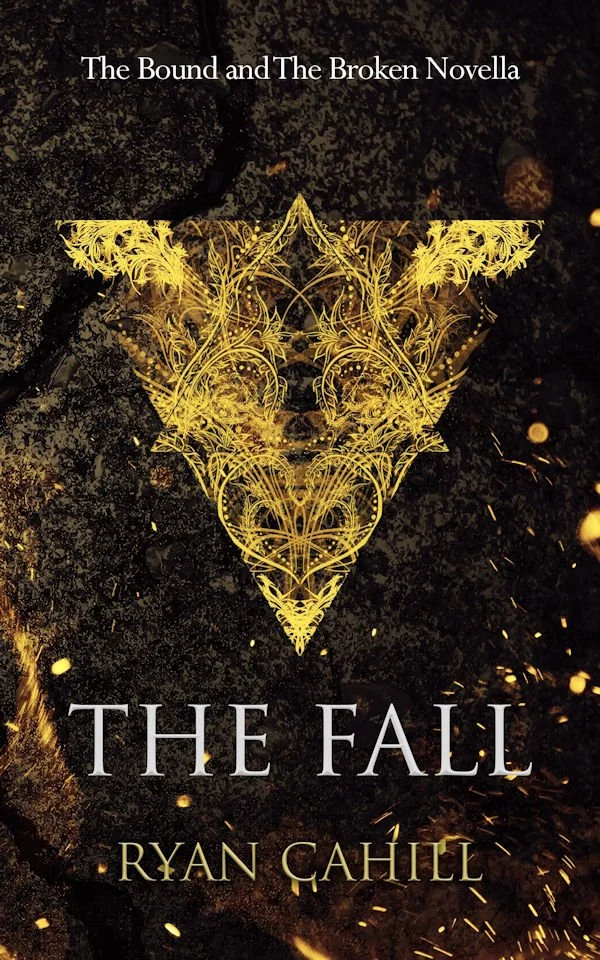
Ilnaen, Epheria – In the vast and often predictable landscape of fantasy literature, a novella has emerged that not only captivates readers but also fundamentally redefines the role and impact of a prequel. Ryan Cahill’s The Fall, a crucial entry in his acclaimed The Bound and the Broken series, has garnered significant critical attention for its nuanced approach to storytelling, focusing on the poignant aftermath of collapse rather than the bombastic build-up to conflict. As eloquently highlighted in a recent review by Tom Joyce for Fantasy-Faction.com, The Fall stands as a masterclass in recontextualizing established truths, inviting readers into a world teetering on the brink with a quiet, yet profound, emotional weight.
The narrative thrust of The Fall plunges readers directly into a continent besieged by turmoil. For millennia, the benevolent (or so it seemed) Order held sway over Epheria, its authority unquestioned, its traditions sacrosanct. Yet, as the novella opens, a creeping dissent has blossomed into outright rebellion. The foundations of this ancient regime are crumbling, exposed as "corrupt, indulgent, and deceitful." The consequences are immediate and catastrophic: "The City of Ilnaen is on fire. Dragons fill the skies. Traitors fill the streets." This visceral imagery paints a grim picture of a world in irreversible decline, a stark contrast to the idyllic stability it once proclaimed.
Joyce’s review champions The Fall for its deliberate choice to diverge from the common pitfalls of prequel novels, which often strive "too hard to justify themselves by reaching for scale and spectacle," frequently over-explaining and "shouting way too loud." Instead, Cahill opts for a more sophisticated and challenging path, prioritizing emotional resonance and the subtle re-shaping of future events. This strategic narrative choice allows the novella to resonate deeply, ensuring that readers feel "the weight of what’s already been lost" from its very first pages. It is, by all accounts, an essential "stepping stone" in what is increasingly being recognized as "one of the most remarkable fantasy series for many years."
The Unveiling of Epheria’s Demise: A Chronological Deconstruction
The Fall meticulously unpacks the unraveling of a world, not through a conventional chronological progression towards a climactic event, but by immersing the reader in the very essence of its demise. The novella, set before the events of Of Blood and Fire, the inaugural novel in The Bound and the Broken, does not concern itself with the origins of the conflict but rather with its devastating "fallout." This distinction is critical to understanding Cahill’s narrative genius.
The story opens with the established premise of The Order’s ancient dominion over Epheria, a rule that had persisted for "thousands of years." However, this seemingly eternal vigilance has bred complacency and corruption, leading to widespread disillusionment and the rise of factions who believe "The Order has had its day." The unfolding catastrophe in Ilnaen—the burning city, the ominous presence of dragons in the skies, and the insidious spread of betrayal in the streets—serves not as a grand finale, but as the grim starting point for the novella’s exploration. It is the immediate, cataclysmic consequence of millennia of unchecked power and simmering discontent.
From the outset, Cahill imbues the narrative with a pervasive sense of inevitability. The characters, caught in the maelstrom of destruction, grapple with the dawning realization of their world’s collapse. Yet, the reader is often a step ahead, perceiving the inescapable doom well before the protagonists fully comprehend the depth of their predicament. This "quiet form of tension," as Joyce describes it, eschews dramatic twists for a more profound engagement with the unfolding tragedy. The power of The Fall lies in observing "the realisation settle and deepen" within its characters, witnessing their struggles as the foundations of their existence crumble around them.
Instead of grand battles or sweeping political maneuvers, Cahill hones in on the personal. The narrative focuses on "connection," delving into "deliberately low-key and intimate" character work. Relationships, the echoes of memory, and the weight of legacy form the core of the story, allowing these deeply human elements "time and space to breathe." While "epic carnage happens on the fringes," the true drama unfolds in the hearts and minds of those experiencing the fall. This intimate approach ensures that the novella’s conclusion is marked by a "quiet emotional weight" rather than a bombastic, explosive drama, leaving a lasting impression that resonates long after the final page.
Beneath the Ashes: Supporting Data and Thematic Richness
Clocking in at under 30,000 words, The Fall is a concise work, yet its impact far outweighs its brevity. While the reviewer notes that "there are moments where you feel the edges of what could have been expanded further" and that "the world itself is sketched rather than deeply explored," these perceived limitations are, paradoxically, among its greatest strengths. Cahill’s judicious approach ensures that the novella remains focused, delivering its emotional punches with precision. The implied directive seems to be: "Get in, make us care, and then creep out quietly." This efficiency prevents the narrative from becoming bogged down in excessive exposition, a common pitfall for prequels burdened with the task of establishing complex backstories.
Thematic analysis reveals that The Fall unapologetically draws upon "familiar fantasy DNA." Readers will recognize the archetypes of "fallen kingdoms, betrayal, lingering magic, the long shadow of history, and really big dragons." However, Cahill’s genius lies not in radical reinvention, but in his confident and sincere execution of these well-worn tropes. He "leans into these influences with clarity and purpose," crafting a narrative that feels "grounded, sincere, and very human." This deliberate embracing of established fantasy elements, rather than attempting to subvert them for novelty’s sake, allows for an immediate connection with the reader while simultaneously imbuing the story with a timeless quality.
The character work, described as "deliberately low-key and intimate," is crucial to the novella’s success. In a genre often dominated by heroes and villains of epic proportions, Cahill foregrounds the relationships, memories, and legacies that define individuals caught in the maelstrom. This focus on the human element amidst the grand collapse ensures that the stakes feel personal and profound, allowing readers to connect with the characters on a deeper, more empathetic level. The contrast between the intimate struggles of individuals and the cataclysmic events unfolding on a continental scale creates a powerful narrative tension that is both compelling and heartbreaking.
Perhaps one of the most compelling aspects of The Fall is its retrospective growth. As Tom Joyce points out, while it functions as "a solid, emotionally resonant introduction" on its own, its true power blossoms "in the context of the wider series." Details that might initially seem minor or understated take on "greater meaning," and "emotional beats deepen" when viewed through the lens of subsequent novels. What begins as "a small, contained story begins to echo outward," profoundly influencing the reader’s understanding and experience of the overarching Bound and the Broken saga. This masterful weaving of prequel into main narrative makes the entire series feel "heavier," imbuing future events with a profound sense of historical weight and emotional consequence.
Tom Joyce, the author of the Fantasy-Faction review, brings a wealth of experience and insight to his critique. As a fantasy writer, educator, and lifelong genre enthusiast based in Scotland, his perspective is rooted in a deep understanding of literary craft and the evolving trends within modern fantasy. His particular interest in "character-driven narratives, moral complexity, and evolving trends" makes his assessment of The Fall particularly salient, reinforcing the credibility of his praise for Cahill’s nuanced storytelling.
Authorial Intent and Artistic Choices: The Vision Behind ‘The Fall’
Ryan Cahill’s The Fall is not an accidental triumph; it is the product of deliberate artistic choices that reflect a profound understanding of effective storytelling, particularly within the challenging format of a prequel. As interpreted through Joyce’s insightful review, Cahill appears to have consciously rejected the conventional wisdom surrounding prequel narratives, opting instead for a path less trodden but ultimately more rewarding.
Cahill’s primary intention was seemingly to "dial down the volume" that typically accompanies epic fantasy prequels. Rather than presenting a cacophony of events leading to a grand revelation, he chose to focus on the quieter, more internal repercussions, emphasizing "the weight of what’s already been lost." This decision allowed him to explore the emotional landscape of decline and inevitability, rather than simply ticking off plot points. His understanding that truly effective prequels "recontextualise established truths to reshape what will come after" guided his narrative strategy, ensuring that The Fall serves a vital, transformative role for the entire series.
The choice to portray "fallout rather than the build up" is another testament to Cahill’s clarity of vision. This allows the novella to explore the immediate, chaotic aftermath of a society’s collapse, delving into the psychological and emotional tolls on its inhabitants. It’s a focus on the human cost, the personal tragedies interwoven with the epic backdrop, that gives the story its unique resonance. The "quieter form of tension" employed is not a lack of drama, but a sophisticated layering of dread and sorrow that deepens as characters come to terms with their inescapable fate. Cahill invites the reader to experience the world’s unraveling alongside its inhabitants, allowing "realisation settle and deepen" organically.
The novella’s conciseness, at under 30,000 words, is also a deliberate artistic choice. It reflects a commitment to efficiency and impact, adhering to a narrative philosophy that aims to "Get in, make us care, and then creep out quietly." This disciplined approach ensures that every word counts, every scene serves a purpose, and the emotional core remains unburdened by extraneous details. It forces the narrative to be potent and focused, delivering its message with precision.
Furthermore, Cahill’s confidence in "owning these influences" – the familiar fantasy tropes – speaks to an author secure in his craft. He doesn’t feel the need for "radical reinvention," but rather demonstrates how classic elements can be imbued with fresh life through sincere and purposeful execution. This approach grounds the story, making it accessible and relatable, while still delivering a powerful emotional experience. Ultimately, Cahill’s ambition for The Fall is not to be a "groundbreaking work of fantasy," but rather to precisely "set a tone, establish an emotional foundation, and invite the reader into the aftermath," an ambition it achieves with remarkable success.
Echoes of a Collapse: Broader Implications and Legacy
The implications of The Fall‘s unique narrative approach extend far beyond its individual pages, profoundly impacting both The Bound and the Broken series and the broader fantasy genre. For existing fans of Cahill’s epic, the novella serves as an indispensable key, unlocking deeper layers of understanding and emotional resonance within the main saga. Events, characters, and even seemingly minor details encountered in Of Blood and Fire and subsequent novels are imbued with heightened significance and tragic weight after experiencing the foundational collapse depicted in The Fall. It enriches the lore, clarifies motivations, and amplifies the stakes, making the entire series a more profound and immersive experience. For new readers, it offers a compelling, emotionally charged entry point that sets a sophisticated tone and establishes the intricate moral complexities that define Cahill’s world.
Within the fantasy genre, The Fall stands as a powerful testament to the potential of the prequel format when handled with intentionality and skill. It challenges the prevailing notion that prequels must be sprawling, exposition-heavy endeavors, demonstrating instead the power of intimacy, focus, and emotional depth. By prioritizing "fallout" over "build-up," Cahill offers a blueprint for authors seeking to expand their fictional universes without succumbing to the temptation of spectacle for its own sake. It highlights that true impact often comes from quiet introspection and the nuanced exploration of human experience amidst epic backdrops.
Furthermore, Cahill’s confident embrace of "familiar fantasy DNA" while delivering a "grounded, sincere, and very human" story validates the enduring power of classic tropes. It shows that originality doesn’t always lie in radical subversion, but often in the masterful execution and heartfelt commitment to established narrative archetypes. This approach can inspire other authors to explore traditional fantasy elements with renewed purpose and emotional honesty, rather than feeling pressured to constantly invent new fantastical paradigms.
For readers, The Fall offers an invitation to a different kind of fantasy experience. It promises a narrative that values emotional weight over explosive drama, and a world where the quiet unraveling of connections can be as impactful as any dragon battle. It encourages a deeper engagement with character and history, rewarding those who appreciate nuanced storytelling and the lingering echoes of past events. The lasting emotional impact, which grows with subsequent reads of the main series, ensures that The Fall is not merely a supplementary text, but a vital and enriching component of The Bound and the Broken universe.
In conclusion, Ryan Cahill’s The Fall may not be a groundbreaking work in terms of radical genre innovation, but its ambitions are precisely "controlled and precise." It brilliantly achieves its goal of setting a profound tone, establishing a crucial emotional foundation, and inviting the reader into the poignant aftermath of a world in collapse. Its success solidifies Ryan Cahill’s position as a significant and thoughtful voice in contemporary fantasy, and cements The Fall as an important, indeed indispensable, stepping stone on the epic journey that is The Bound and the Broken. Its legacy will undoubtedly be that of a novella that not only enriches a remarkable series but also redefines the very essence of prequel storytelling.