Note: This article contains spoilers for Supergirl: Woman of Tomorrow (graphic novel) and the Supergirl film.
A Rocky Start for DC Studios’ Supergirl: Unpacking the Divisive Adaptation
The highly anticipated debut of DC Studios’ Supergirl has been met with a tumultuous reception, signaling a challenging start for one of the foundational heroes of the nascent DC Universe. Following a largely negative critical consensus and an underwhelming performance at the box office, the film finds itself at the center of a fervent debate among fans and critics alike. Much of the discourse has revolved around the movie’s pronounced divergence from its celebrated source material, Tom King’s award-winning graphic novel, Supergirl: Woman of Tomorrow.
The acclaimed comic, lauded for its evocative narrative and stunning visual artistry by Bilquis Evely, painted a vibrant, cosmic tapestry for Kara Zor-El’s journey of vengeance and self-discovery. However, the cinematic adaptation has been criticized for omitting Evely’s signature colorful aesthetic and implementing several pivotal alterations to the storyline. While creative liberties are an inherent aspect of any adaptation, the scale of these changes has led many to question whether a closer adherence to the graphic novel’s story and style might have mitigated some of the film’s perceived flaws. Fans are openly pondering why a film that once shared its very title with such revered source material would stray so significantly.
In the wake of Supergirl‘s theatrical release, a series of interviews with the film’s creative team has shed light on the rationale behind some of its most significant departures. These candid discussions offer a glimpse into the artistic and strategic decisions that shaped the cinematic vision of Krypton’s last daughter.
The Acclaimed Source Material: Supergirl: Woman of Tomorrow
Before delving into the film’s creative choices, it is crucial to understand the reverence surrounding its source material, Supergirl: Woman of Tomorrow. Penned by Tom King with breathtaking art by Bilquis Evely, the eight-issue limited series, published in 2021-2022, quickly garnered critical acclaim, including a nomination for the Eisner Award for Best Limited Series. It wasn’t merely a Supergirl story; it was a profound meditation on justice, vengeance, and the burden of power, filtered through the eyes of a young alien girl, Ruthye, seeking retribution for her murdered family.
King’s narrative reimagined Supergirl not as Superman’s cheerful cousin, but as a more jaded, world-weary figure struggling with her place in the universe. Her journey alongside Ruthye across alien worlds, often depicted as harsh and unforgiving, forced Kara to confront the complexities of morality and the fine line between justice and vengeance. The story’s philosophical depth, combined with its poignant character beats, resonated deeply with readers.
Bilquis Evely’s artwork was equally instrumental to the comic’s success. Her cosmic vistas were not merely backdrops but vibrant, living entities, bursting with color, intricate detail, and imaginative alien designs. Her panels conveyed a sense of wonder and danger, elevating the emotional impact of King’s script. The blend of King’s sophisticated storytelling and Evely’s dazzling visuals created a unique, almost ethereal reading experience that quickly established Woman of Tomorrow as a modern classic and a definitive take on Supergirl. Fans had high expectations for a faithful translation of this distinct visual and thematic identity to the big screen, setting a challenging benchmark for the adaptation team.
Director Craig Gillespie’s Vision: A Gritty, Unfamiliar Cosmos
One of the most immediate and noticeable shifts in the Supergirl film compared to its source material is its visual aesthetic. The comic is celebrated for its kaleidoscopic, vibrant cosmic backdrops, a stark contrast to the film’s decidedly darker, more grounded, and grittier tone. Director Craig Gillespie, known for his character-driven narratives and often raw, realistic visual style in films like I, Tonya and Cruella, offered insights into this deliberate choice in an interview with EveryManCinema.
Gillespie revealed a surprising initial approach: he consciously avoided immersing himself in Bilquis Evely’s art when first developing his visual concept for the film. "I very deliberately didn’t look at Tom King’s book when I first got the script," Gillespie stated, emphasizing his desire to forge an independent vision. Instead, his primary influence was Ana Nogueira’s screenplay, which, according to him, possessed "a grit to that." This foundational script provided the impetus for a visual language distinct from the comic.
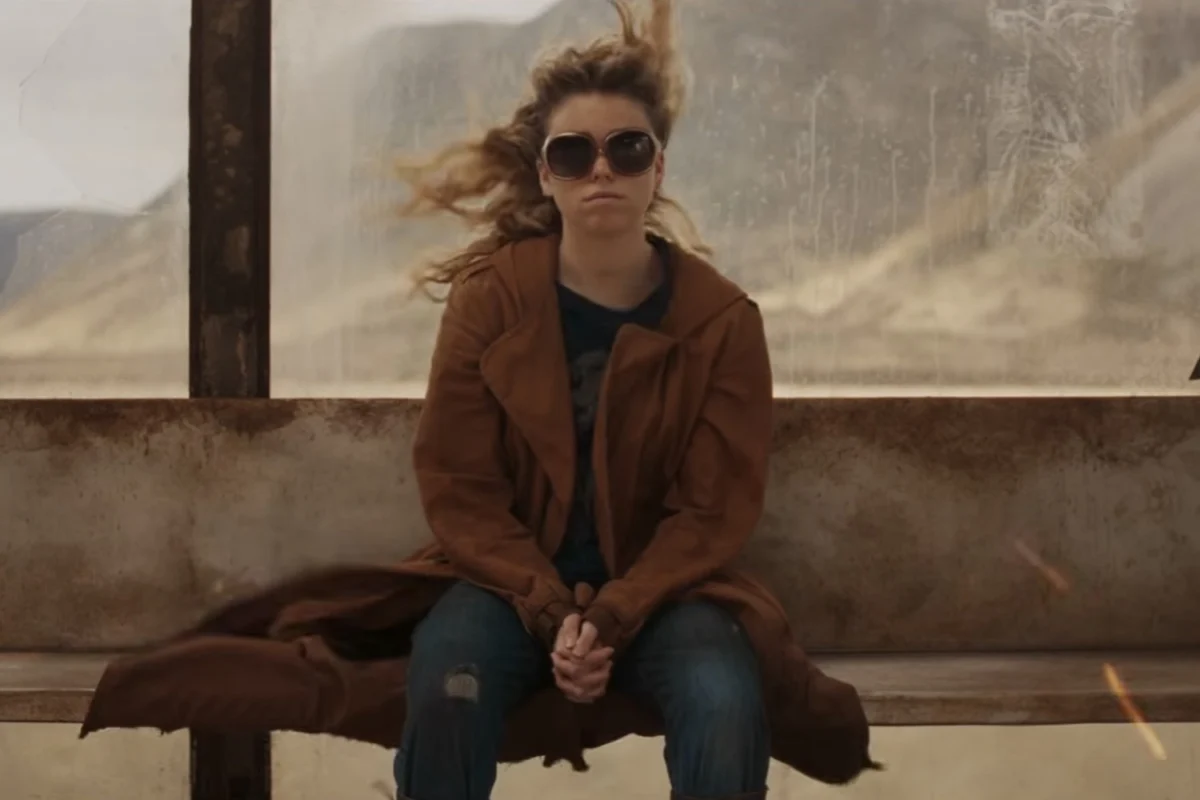
Gillespie elaborated on his intention to portray the various alien worlds Kara visits as places existing "on the fringe of society." This concept necessitated a visual style that underscored their harsh realities. "I wanted to feel the poverty. I wanted to feel the crime and the dust and the texture," he explained. This artistic direction aimed to immerse audiences in an "underworld" of the cosmos, a realm rarely explored with such tangible realism in superhero cinema. By focusing on these elements, Gillespie sought to create a sense of unfamiliarity and visceral reality, setting the film apart from more conventional, polished superhero narratives. He accumulated a wealth of visual references and concept designs based on this grittier approach before eventually revisiting the source comic.
Interestingly, Gillespie confirmed that this distinct visual blueprint was met with approval from DC Studios heads James Gunn and Peter Safran, becoming the ultimate foundation for the film’s aesthetic. This suggests a conscious strategic decision from the studio to embrace a unique visual identity for Supergirl, one that might further differentiate her from her more established cousin, Superman, whose upcoming film Superman: Legacy (formerly Man of Tomorrow) is expected to present a different tonal landscape.
Further cementing this gritty, character-first approach, Gillespie also made a deliberate choice to defer Supergirl’s appearance in her iconic costume. He expressed a desire to "prolong her not being in the superhero outfit as long as possible and give her this grit." This decision, also endorsed by DC Studios, aimed to ground Kara’s journey in her personal struggles and character development before she fully embodies the traditional heroic mantle. It’s a narrative technique often employed to emphasize the human (or in this case, Kryptonian) behind the hero, making her eventual transformation into Supergirl more impactful. This visual and narrative strategy collectively marks a significant departure from the comic’s bright, immediate portrayal of Supergirl, opting instead for a more arduous, visually subdued path to heroism.
Writer Ana Nogueira’s Narrative Departures: Lobo and a New Ending
While Craig Gillespie shaped the film’s visual tapestry, screenwriter Ana Nogueira was responsible for translating the narrative essence of Woman of Tomorrow into a cinematic script, a task that involved several significant storyline modifications. These changes, particularly the inclusion of a major character and an altered climax, speak to both creative and strategic considerations within the broader DC Universe.
The Enigmatic Main Man: Lobo’s Unexpected Return
Perhaps the most prominent narrative addition to the Supergirl film is the character of Lobo, the notorious Czarnian bounty hunter. Interestingly, Lobo was originally conceived to be part of Tom King’s Woman of Tomorrow graphic novel but was ultimately cut from the final version. His inclusion in the film, according to Nogueira in an interview with Variety, was not her initial idea but a directive from above.
"So that was brought to me," Nogueira recounted, referring to James Gunn and Peter Safran. "They were like, ‘We want to do Woman of Tomorrow, and we want you to find a way to put Lobo in. We think Lobo has a place in this…’" The rationale behind this mandate, Nogueira explained, was multifaceted. Lobo’s character, traditionally an intergalactic figure, fits seamlessly into the cosmic backdrop of Woman of Tomorrow, offering a rare opportunity to introduce him without the logistical challenges of bringing him to Earth. "It’s hard to bring Lobo to Earth – he’s always taken place in outer space – so they’re like, ‘This is an opportunity to bring in this character that would be hard to bring in.’" This suggests a strategic move by DC Studios to organically weave key characters into the fabric of the new DCU, establishing their presence early on.
Nogueira lauded Jason Momoa’s portrayal of Lobo in the film, acknowledging that Tom King’s initial concept for Woman of Tomorrow had envisioned Lobo and Kara as the two central characters, a dynamic that ultimately evolved. Drawing inspiration from the graphic novel’s own roots in Westerns, particularly True Grit, Nogueira consciously modeled Lobo’s cinematic role on the character of LaBoeuf, the Texas Ranger. This comparison paints Lobo as a "frenemy" figure – a morally ambiguous ally whose path converges with Kara’s out of necessity, creating a dynamic tension and providing a gritty foil for Supergirl’s burgeoning heroism. His presence introduces a layer of unpredictable chaos and dark humor, potentially serving to challenge Kara’s own moral framework throughout her journey.
Reshaping Justice: Kara’s Moral Compass and Ruthye’s Innocence
Another crucial deviation from the source material lies in the film’s ending, specifically regarding the fate of the villain, Krem, and Ruthye’s role in delivering justice. In the Woman of Tomorrow comic, Ruthye eventually kills Krem, but this act of vengeance occurs far in the future, years after the initial journey with Supergirl. This ending presents a nuanced and somewhat somber exploration of justice, suggesting that vengeance, once sought, can be a long-held and consuming desire, even when the perpetrator has seemingly changed.
Nogueira explained that the decision to alter this ending for the film was rooted in both practical and thematic considerations. "Because the comic ends with Ruthye killing him, but in the far, far future. We knew we weren’t gonna be able to do that kind of time jump," she stated. The cinematic format, with its more compressed narrative timeline, made such a temporal leap impractical.
Beyond logistical concerns, Nogueira highlighted a tonal preference and a desire to shape Kara’s character arc distinctly. She described the comic’s ending as "quite a dark ending," where Krem has "essentially changed, and she kills him anyway, because she still just has this anger, and you understand there’s this element of deserve, right?" The film, however, aimed for a different resolution. "So, we wanted to craft a villain who would deserve this, but we also wanted Kara to really care about preserving Ruthye’s innocence, and to feel like she could take on [killing him], that she could be the one to bring justice to this man, and do it without burdening this child."
This alteration fundamentally redefines Supergirl’s approach to justice and positions her as a protector of innocence, not just a dispenser of retribution. By having Kara herself deliver the final justice, the film emphasizes her agency and moral conviction, distinguishing her heroic path. Nogueira explicitly noted the fascinating implication of this change: it reveals "two distinct moral compasses" between Supergirl and Superman. This distinction is a cornerstone for the new DCU, suggesting that while both are Kryptonian heroes, their experiences and philosophies of justice will diverge, offering richer character dynamics and thematic explorations. While Nogueira expressed excitement for where this divergence might lead, she admitted to being unaware of how it will specifically intertwine with the events of the upcoming Superman film.
Broader Implications for the DC Universe
The creative choices made in Supergirl—from its gritty visual style to its narrative deviations regarding Lobo and the ending—carry significant weight for the burgeoning DC Universe under James Gunn and Peter Safran. These decisions are not merely isolated artistic interpretations but reflect a broader strategic philosophy for how DC Studios intends to approach its adaptations and build a cohesive, yet diverse, cinematic world.
The emphasis on Supergirl’s "distinct moral compass" compared to Superman is particularly intriguing. For decades, Supergirl has often been portrayed as a lighter, more optimistic counterpart to her cousin. However, the film positions her as a hero forged in a harsher, more cynical cosmos, one who might be willing to make tougher, more morally ambiguous choices to protect the innocent. This divergence could lay the groundwork for compelling dramatic tension and character development, especially when Kara inevitably crosses paths with Clark Kent in future DCU installments. It suggests a DCU where heroes are not monolithic in their ethics but rather reflect a spectrum of moralities shaped by their unique experiences. This depth could distinguish the DCU from other superhero franchises, offering a more complex exploration of heroism.
Furthermore, the mandated inclusion of Lobo by Gunn and Safran highlights DC Studios’ commitment to building a deeply interconnected universe. Rather than waiting for a standalone Lobo project, his integration into Supergirl‘s cosmic narrative serves to introduce a popular character to audiences and establish his place within the galactic landscape of the DCU. This strategy suggests a desire for early world-building and character establishment, leveraging existing narratives to introduce new faces and expand the universe’s scope. It also indicates a willingness to prioritize broader universe-building over strict source material fidelity when deemed necessary for strategic alignment.
The Supergirl film, as an early entry in the new DCU, also contributes to the ongoing debate within superhero cinema about the balance between source material loyalty and creative freedom. While many fans advocate for direct adaptations, the explanations provided by Gillespie and Nogueira underscore the complexities of translating a comic book to a different medium. The constraints of runtime, visual language, and the need to differentiate characters within a shared universe often necessitate changes. The approval of these significant deviations by Gunn and Safran signals that DC Studios is willing to empower filmmakers to interpret source material, as long as it serves a compelling narrative and fits within the overarching vision for the DCU. The commercial and critical performance of Supergirl will undoubtedly influence future adaptation strategies, determining whether this approach of significant creative interpretation becomes a hallmark or a cautionary tale for the new cinematic era.
Conclusion: Navigating Expectations in a New Era
The journey of DC Studios’ Supergirl from acclaimed graphic novel to divisive cinematic feature exemplifies the inherent challenges and creative tensions involved in adapting beloved source material for the big screen. The explanations offered by director Craig Gillespie and writer Ana Nogueira provide valuable insight into the conscious decisions that shaped the film, from its gritty visual aesthetic to its significant narrative departures.
Gillespie’s deliberate avoidance of the comic’s vibrant art, driven by a desire for a "grittier" and more "underworld" portrayal of Kara’s cosmic journey, along with his choice to delay her iconic costume reveal, underscores a vision focused on realism and character development over direct visual fidelity. Nogueira’s integration of Lobo, a mandate from DC Studios, and her reshaping of the comic’s ending to preserve Ruthye’s innocence while defining Supergirl’s distinct moral compass, reveal a commitment to both universe-building and crafting a unique heroic identity for Kara.
While these choices were made with clear artistic intent and strategic alignment with the burgeoning DC Universe, they have undeniably fueled a passionate debate among fans who held Supergirl: Woman of Tomorrow in high regard. The film’s initial critical and commercial struggles highlight the delicate balance between creative interpretation and fan expectations in an era saturated with superhero content.
As DC Studios continues to forge its new cinematic path, the reception of Supergirl will serve as a crucial learning experience. It underscores that while foundational source material provides a rich starting point, the ultimate success of an adaptation often hinges on its ability to resonate with audiences on its own terms, even if that means charting a bold, new course. The future of Supergirl within the DCU, and indeed the broader universe itself, will now largely depend on how these distinct moral compasses and creative liberties ultimately contribute to a compelling and coherent narrative tapestry.