The Unseen Path: Five Transformative Experiences Every Dungeon Master Should Undertake
(Header Image: A dynamic, atmospheric scene depicting adventurers in a perilous dungeon, hinting at the vast and imaginative worlds Dungeon Masters craft.)
Dungeon Mastering in Dungeons & Dragons is an art form, a demanding yet profoundly rewarding endeavor that places the responsibility of world-building, narrative orchestration, and player engagement squarely on one’s shoulders. Far beyond merely knowing the rules, a truly masterful DM continuously hones their craft, seeking new perspectives and pushing the boundaries of their storytelling capabilities. Just as players embark on epic quests and face rites of passage within the game, so too are there pivotal experiences that can profoundly shape a Dungeon Master’s journey, enriching their skills and broadening their understanding of what tabletop role-playing can be.
This article delves into five such experiences – challenges, experiments, and shifts in perspective – that every Dungeon Master should try at least once. These aren’t just novelties; they are opportunities for growth, self-discovery, and a deeper appreciation for the multifaceted role of the game’s primary storyteller. By stepping outside conventional comfort zones, DMs can unlock new levels of creativity, adaptability, and connection with their players, ultimately fostering more memorable and dynamic gaming experiences.
The Ever-Evolving Art of Dungeon Mastering
The role of a Dungeon Master is unique in the landscape of collaborative storytelling. They are simultaneously the world-builder, the arbiter of rules, the voice of countless non-player characters, and the guiding hand that shapes the narrative arc. This complex tapestry of responsibilities often leads DMs to develop routines and preferences, which, while efficient, can sometimes limit the scope of their creative exploration. The suggestions presented here are designed not to negate established methods but to complement them, offering new tools and insights that can be integrated into any DM’s toolkit. They are invitations to experiment, to fail gracefully, and to learn invaluable lessons about improvisation, narrative structure, and player psychology.
1. Embrace the Archetype: Starting a Campaign in a Tavern
The phrase "You all meet in a tavern" has become a quintessential D&D meme, often joked about for its perceived cliché status. Yet, beneath the layers of parody lies an enduring truth: there’s a profound, almost primal effectiveness to this classic opening. Every Dungeon Master, regardless of their experience level, should initiate a campaign in a tavern at least once. It’s an exercise in understanding foundational narrative structures and a testament to the power of a well-executed trope.
The Enduring Allure of the Classic Opening
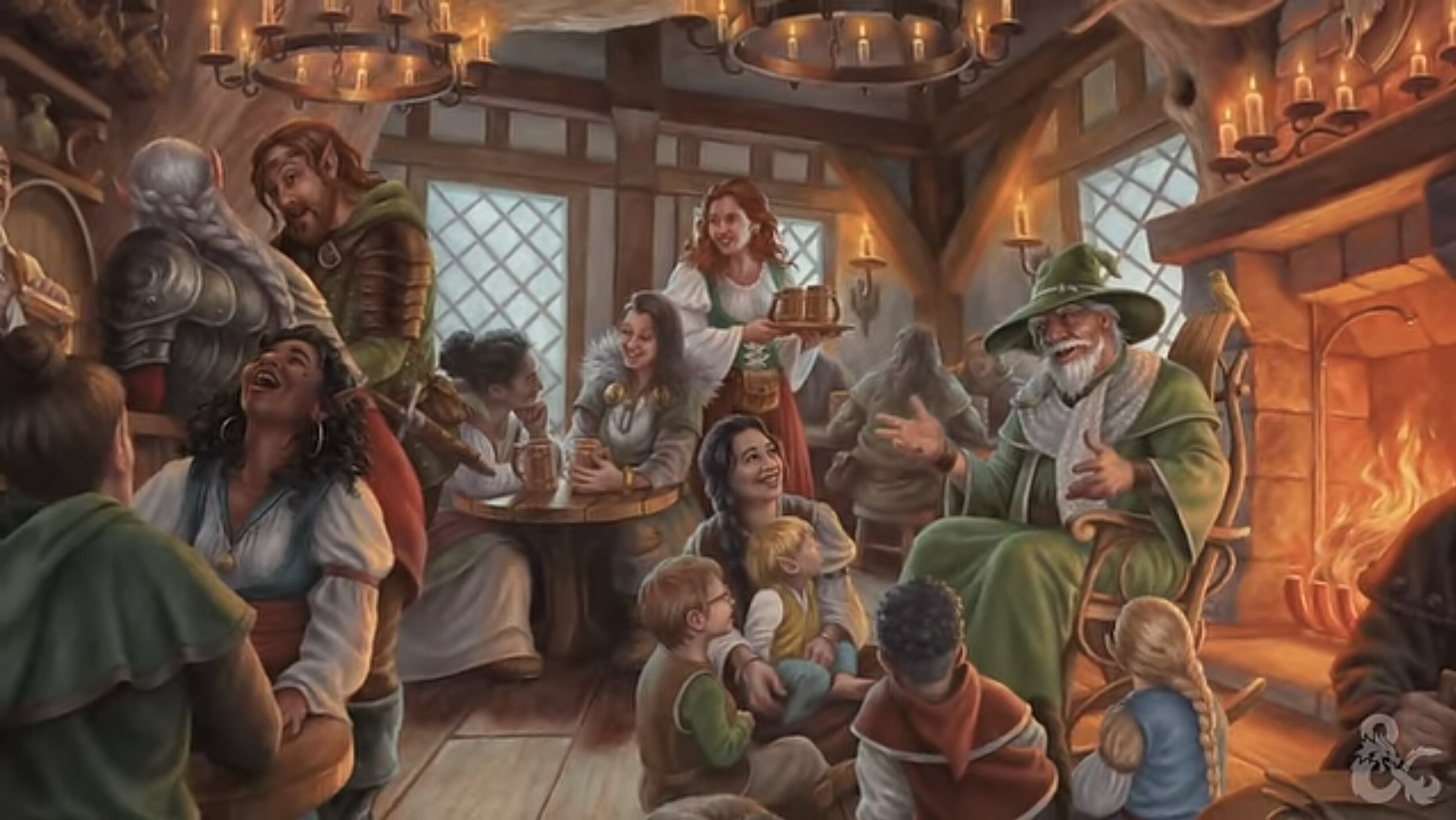
The tavern start is popular for a reason. It provides an immediate, low-stakes environment for player characters (PCs) to naturally converge. Taverns are inherently social hubs, places where travelers rest, news is exchanged, and opportunities—both legitimate and illicit—often arise. For new players, it offers a familiar, accessible entry point into the world, allowing them to ease into their characters and interact with their fellow adventurers without immediate existential threat. For the DM, it’s a versatile stage where exposition can be subtly delivered, plot hooks can be dangled, and the initial chemistry of the party can organically form. It’s a comfortable starting block from which countless epic journeys have launched.
Deconstructing the Cliché: Making it Your Own
The key to a successful tavern start lies not in avoiding the cliché, but in embracing it and then subtly, or dramatically, subverting expectations. Instead of a generic, bustling inn, imagine:
- The Whispering Gourd: A quiet, exotic establishment in a desert city, known for its potent, hallucinogenic teas and the hushed tones of its secretive patrons.
- The Rusty Flagon Under Siege: The PCs arrive just as goblins, or perhaps tax collectors, begin battering down the doors, forcing an immediate alliance.
- The Golden Harp’s Talent Night: Characters are introduced during a bizarre, comical, or unexpectedly poignant talent show, revealing aspects of their personality through their chosen performance.
- The Phantom Alehouse: A tavern that only appears on moonless nights, its patrons spectral and its bartender a cryptic oracle.
By injecting unique elements of setting, circumstance, or character, the DM transforms a tired trope into a fresh, memorable experience. It becomes an exercise in understanding why certain setups work and how to leverage their inherent strengths while adding a personal twist.
Practical Benefits for New and Veteran DMs
For new DMs, the tavern start reduces initial prep pressure, providing a clear focal point for the first session. It simplifies character introductions and facilitates immediate social role-playing. For seasoned DMs, it’s a refreshing return to basics, a reminder of how simple yet effective certain narrative tools can be. It encourages focusing on character interaction and emergent storytelling rather than intricate plot devices. This experience teaches invaluable lessons about pacing, character motivation, and the organic development of a party dynamic, reinforcing the idea that even the most common starting points can lead to extraordinary adventures when imbued with creativity.
2. The Uncharted Waters: Running a Session with Minimal to No Prep
The idea of running a D&D session with little to no preparation often strikes fear into the hearts of Dungeon Masters, particularly those accustomed to meticulously planning every encounter, NPC dialogue, and plot twist. Yet, undertaking such a session is a profound exercise in improvisation, adaptability, and trusting one’s instincts. It’s not about being truly "unprepared," but rather about being prepared for anything.
The Philosophy of Improvisation
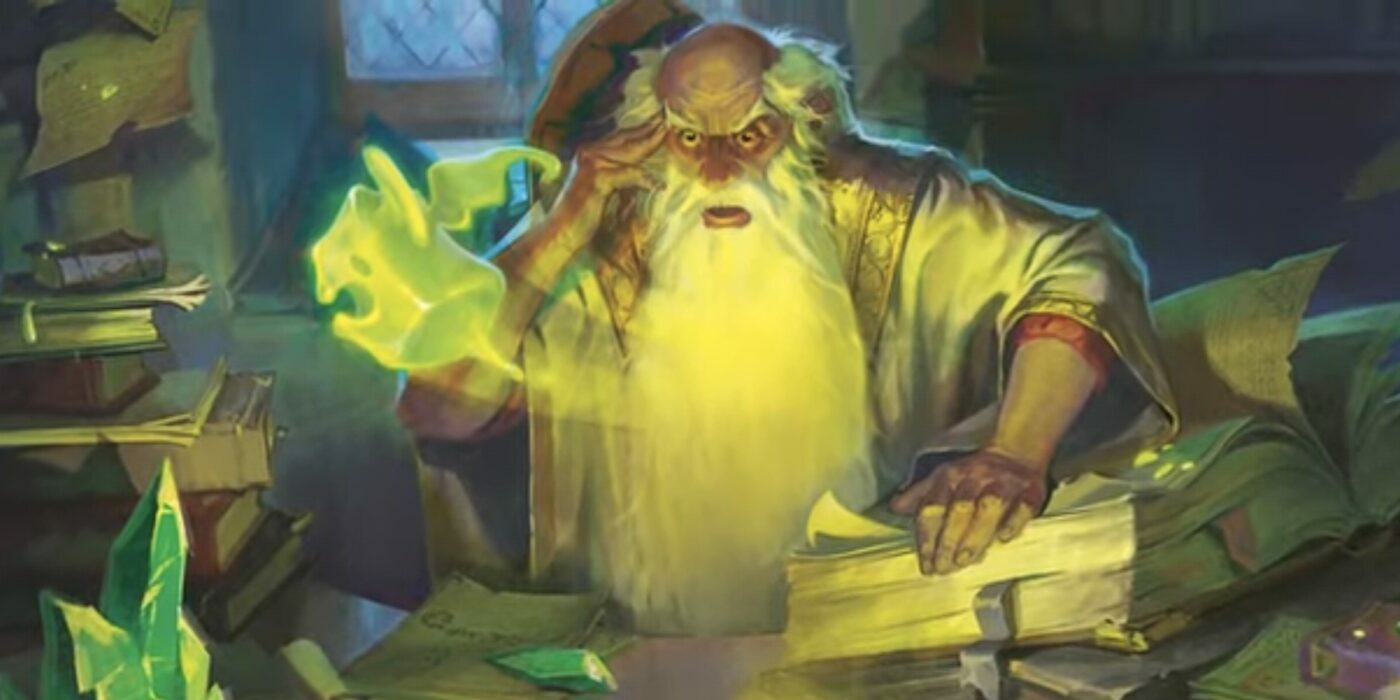
Running a session with minimal prep doesn’t mean showing up to the table with no ideas whatsoever. Instead, it embodies a philosophy of "prep less, play more." It means having a few loose guideposts: perhaps a compelling villain concept, a single mysterious location, or a handful of intriguing NPCs, but no rigid plot. The story isn’t pre-written; it emerges organically from the players’ choices and the DM’s reactive storytelling. This approach forces the DM to truly listen to their players, to build upon their suggestions, and to let the narrative flow from the collaborative energy of the table.
Cultivating Spontaneity: Techniques and Mindset
To successfully run a low-prep session, a DM must cultivate a specific mindset and employ certain techniques:
- "Yes, And…": The fundamental rule of improv, where every player contribution is accepted and built upon.
- Random Tables: Having a few random name generators, encounter tables, or quest prompt tables can be invaluable safety nets.
- Focus on Questions: Instead of delivering exposition, ask players what they notice, what they feel, or what they do next. Their answers become the building blocks of the narrative.
- Embrace the Unknown: Be comfortable not knowing what’s going to happen next. This shared sense of discovery can be incredibly exhilarating for both DM and players.
- The "Rule of Cool": Prioritize engaging storytelling and memorable moments over strict adherence to pre-conceived notions.
This experience forces a DM to sharpen their on-the-fly decision-making, to think several steps ahead without having those steps pre-defined, and to maintain narrative consistency through sheer mental agility.
Navigating the Unknown: Potential Pitfalls and Rewards
The risks of a low-prep session include potential narrative dead ends, inconsistencies, or moments where the DM might feel momentarily lost. However, the rewards are often far greater. Players feel an unparalleled sense of agency when their choices genuinely shape the world and its events. The story feels more organic, more tailored to their characters. For the DM, it builds immense confidence, demonstrating their ability to weave compelling narratives even without extensive planning. It also significantly reduces prep burnout, reminding them that the magic of D&D often lies in spontaneous discovery rather than meticulous design. This exercise reveals a DM’s innate strengths in storytelling and improvisation, highlighting areas for further development.
3. Breaking the Fourth Wall: Implementing a "Cutscene"
In traditional D&D, the focus is almost exclusively on the player characters’ actions and perspectives. However, the introduction of a "cutscene"—a brief, cinematic narrative interlude where the focus temporarily shifts away from the PCs—can be a powerful storytelling technique. While once considered unconventional, it’s now a recognized tool for DMs looking to deepen their narrative and enhance dramatic effect. Every DM should try integrating at least one well-placed cutscene into their campaign.
Defining the Cinematic Moment
A D&D cutscene is more than just narration. It’s a deliberate narrative segment where the DM describes events unfolding elsewhere, involving other characters (often antagonists or pivotal NPCs), without direct player character involvement. It’s akin to a scene in a movie or video game that advances the plot, reveals crucial information, or builds tension by showing events the main protagonists are not privy to. The key is its intentional removal of the players’ immediate agency to serve a broader narrative purpose.
Strategic Applications: Why and When to Use Them
Cutscenes are not to be overused, but strategically deployed, they can achieve several powerful effects:
- Reveal Villain Motivations: Instead of merely describing a villain’s evil deeds, show them in a moment of deliberation, discussing their plans with lieutenants, or performing a ritual. This adds depth and menace.
- Show Consequences: If the PCs failed to stop a ritual, a cutscene could depict the ritual’s successful completion and its immediate, dire effects on the world.
- Build Dramatic Irony: Show the players something terrible about to happen that their characters are unaware of, building suspense and urgency.
- Advance World Lore: Introduce significant events, political machinations, or the movements of powerful factions that are beyond the immediate scope of the PCs.
- Pacing and Tone: A cutscene can be used to shift the mood, provide a moment of calm before a storm, or escalate the stakes dramatically.
An advanced technique is to allow players to temporarily control minor NPCs or henchmen within the cutscene, giving them a taste of the "other side" or a different perspective on the world. This can be especially fun if the NPCs are comically inept or tragically doomed.
Crafting Engaging Interludes
An effective cutscene is concise, impactful, and rich in sensory detail. It should evoke strong imagery and emotional responses. Consider:
- The setting: Is it a grand throne room, a grimy alley, or a forgotten temple?
- The characters: Who is involved, and what are their motivations?
- The action: What significant event or dialogue takes place?
- The reveal: What information or emotional impact is the cutscene designed to deliver?
This experience teaches DMs about narrative pacing, the effective use of dramatic irony, and how to expand the scope of their storytelling beyond the immediate confines of the player characters’ perceptions. It’s about learning to manipulate information and perspective to create a more immersive and suspenseful world.
4. Exploring the Shadow: Running an "Evil Campaign"
The vast majority of D&D campaigns cast the players as heroes, champions of good, or at least morally ambiguous protagonists who ultimately work towards a greater good. But what happens when the roles are reversed? Running an "evil campaign"—where the players embody antagonists, anti-heroes, or even outright villains—is a challenging yet incredibly illuminating experience that every DM should consider, provided their group is amenable.
Beyond Good and Evil: Defining the "Evil" Campaign
An "evil campaign" isn’t necessarily about players being murder-hobos who indiscriminately slaughter villagers (though it can be if the group explicitly agrees). More often, it explores the darker facets of ambition, power, and morality. Player characters might be:
- Thieving Goblins or Kobolds: Focused on cunning, traps, and hoarding treasure, constantly trying to avoid "heroic" adventurers.
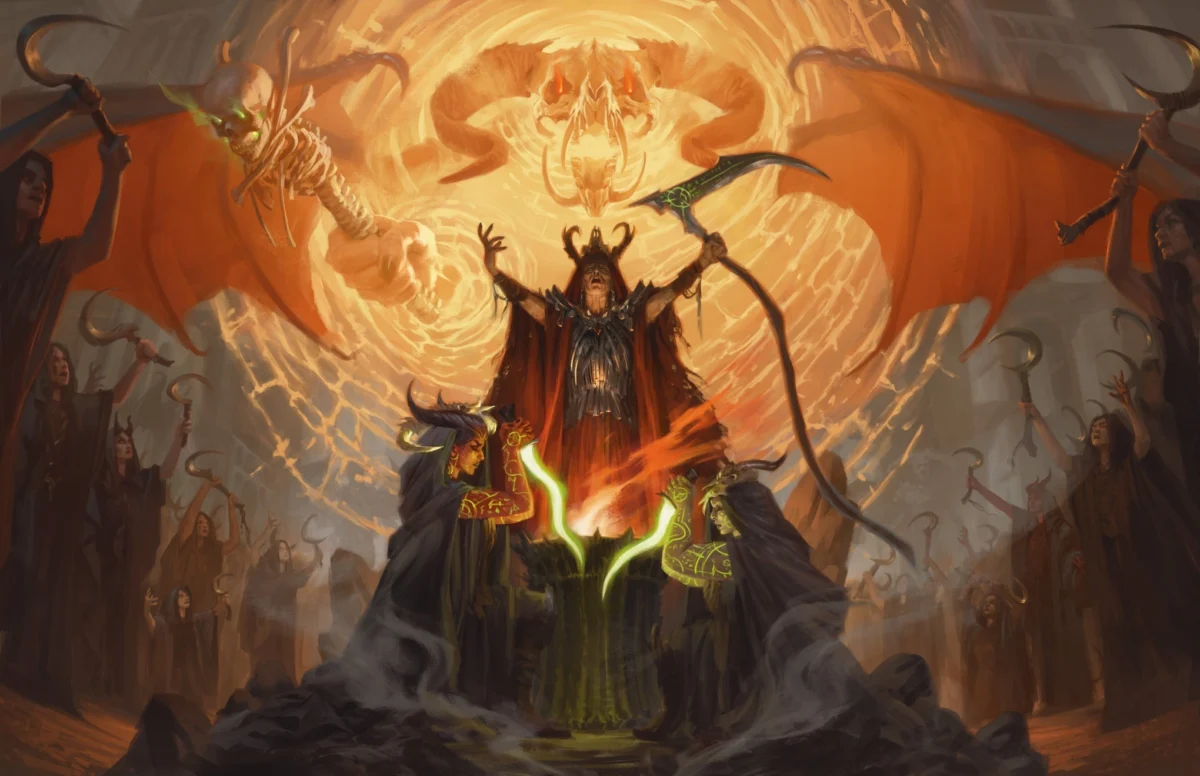
- Ambitious Necromancers or Cultists: Seeking forbidden knowledge, raising armies of the undead, or performing rituals for dark gods.
- Ruthless Assassins or Marauders: Operating in the shadows, executing contracts, or pillaging settlements for their own gain.
- Corrupt Nobles or Politicians: Manipulating power structures from within, driven by greed or a lust for control.
The essence is exploring motivations that are selfish, destructive, or contrary to the typical heroic narrative. It forces both DM and players to confront the consequences of malevolent actions and the internal logic of villainy.
Essential Pre-Game Discussions: Setting Boundaries and Expectations
Before even contemplating an evil campaign, a "Session Zero" is not just recommended, but absolutely crucial. This discussion must cover:

- Player Comfort: Ensure everyone is genuinely interested and comfortable exploring darker themes. Some players may find certain acts too disturbing or simply not fun.
- Lines Not to Cross: Establish clear boundaries regarding player actions (e.g., no gratuitous torture, sexual violence, or targeting specific real-world groups).
- Type of Evil: Is it pragmatic evil, chaotic evil, lawful evil, or something more nuanced? This helps define character motivations and campaign tone.
- Campaign Goals: What does an evil party want to achieve? Conquer a kingdom? Amass immense wealth? Unleash an ancient horror? Without clear goals, evil campaigns can quickly devolve into aimless destruction.
- Player vs. Character Alignment: Remind players that they are portraying characters, and their personal morality should not be confused with their character’s actions.
This frank discussion ensures a safe and enjoyable environment for everyone to explore these challenging themes.
Unique Challenges and Rewarding Opportunities
Running an evil campaign presents unique challenges:
- World Reaction: How does the world react to a party of villains? Towns might become hostile, good-aligned NPCs will oppose them, and powerful heroes might hunt them.
- Internal Conflict: Players might struggle with their characters’ actions, or characters might betray each other for personal gain, which can be both dramatic and potentially disruptive.
- Justifying Actions: The DM must help players find compelling motivations for their evil deeds beyond "because I’m evil," leading to more complex characters.
However, the opportunities for storytelling are immense:
- Exploring Different Narratives: Experience plots from the perspective of the hunted rather than the hunters, or the schemers rather than the reactive heroes.
- Moral Dilemmas: Forced to make difficult, often repugnant, choices, players gain a deeper understanding of the forces that shape villains.
- Unconventional Solutions: Evil characters often resort to cunning, manipulation, and overwhelming force rather than diplomacy or heroism, leading to very different problem-solving.
This experience teaches DMs how to craft compelling antagonists, how to manage complex moral themes, and how to facilitate a different kind of player agency. It often reveals that even "evil" characters can be deeply fascinating, driven by understandable (if twisted) desires. While these campaigns can sometimes "flame out spectacularly," the journey itself is invaluable, offering a fresh perspective on the fundamental dynamics of conflict and character.
5. Broadening Horizons: Playing a Different RPG System
Dungeons & Dragons is the behemoth of tabletop role-playing games, an undeniable titan that has shaped the hobby for decades. Its influence is pervasive, and many DMs spend their entire careers within its framework. However, a truly transformative experience for any DM is to step outside the D&D bubble and actively play (or even DM) a different RPG system. The lessons learned from this venture are often surprising and deeply enriching.
The D&D Bubble: Why Step Outside?
D&D, particularly its most popular editions, comes with a specific set of assumptions: a fantasy setting, a combat-centric reward loop, distinct class roles, and a heroic narrative thrust. While these are not flaws, they create a particular "idiom" of play. Remaining exclusively within this idiom can limit a DM’s understanding of narrative design, player engagement, and mechanical elegance. Other RPGs operate on entirely different principles, emphasizing different aspects of storytelling and interaction.
Learning from Other Worlds: Mechanics, Themes, and Storytelling
Exploring other systems exposes DMs to a vast spectrum of design philosophies:
- Narrative-Focused Games (e.g., Fiasco, Powered by the Apocalypse games like Apocalypse World or Dungeon World): These games often prioritize collaborative storytelling and emergent narrative over strict rules or tactical combat. A DM can learn how to empower players to contribute to world-building and plot development more actively.
- Horror Games (e.g., Call of Cthulhu, Dread): These systems excel at building atmosphere, managing tension, and creating a sense of vulnerability and dread, often through sanity mechanics or unique dice systems. DMs can learn how to create true fear and suspense in their D&D games.
- Social & Political Games (e.g., Vampire: The Masquerade, Burning Wheel): These games often emphasize intricate social dynamics, political maneuvering, and character drama over dungeon crawling. A DM can gain insights into running compelling social encounters, intrigues, and character-driven conflicts.
- Tactical & Simulationist Games (e.g., Pathfinder, Gurps): While D&D has tactical elements, systems designed for high tactical fidelity can offer new ways to think about encounter design, terrain, and player positioning.
- Rules-Lite & Indie Games: Many smaller RPGs offer streamlined mechanics that get to the heart of specific genres or narrative styles. They teach DMs how to achieve maximum impact with minimal rules overhead.
By engaging with these diverse systems, a DM learns that there isn’t just one "right" way to play or tell a story. They encounter different dice mechanics, character creation philosophies, conflict resolution methods, and ways to handle success and failure.
Cross-Pollination: Bringing New Ideas Back to D&D
The true value of playing other RPGs lies in the cross-pollination of ideas. A DM might discover:
- New Initiative Systems: A system that prioritizes narrative flow over strict turn order.
- Better Social Encounter Tools: Mechanics for resolving social conflicts beyond a single Persuasion check.
- Worldbuilding Prompts: Techniques for collaborative world-building or integrating player backstories more deeply.
- Pacing Techniques: How to create moments of intense action, quiet reflection, or creeping dread.
- Player Empowerment: Ways to give players more narrative authority without undermining the DM’s role.
This exposure fosters a critical perspective on game design, allowing the DM to discern which elements of D&D truly serve their table and which might benefit from modification or inspiration drawn from elsewhere.
Fostering DM Versatility and Empathy
Ultimately, playing different RPGs makes a DM more versatile and empathetic. They become more adept at adapting to various playstyles and player preferences. They develop a deeper understanding of what makes a game fun for different people and how different mechanics shape the player experience. It transforms a DM from someone who just runs D&D into a broader "Game Master," capable of navigating and appreciating the vast, rich landscape of tabletop role-playing.
The Journey of the Master Storyteller
The path of a Dungeon Master is one of continuous learning, experimentation, and growth. The five experiences outlined here—embracing the tavern start, daring to run with minimal prep, strategically deploying cutscenes, exploring the dark side with an evil campaign, and venturing into other RPG systems—are more than mere novelties. They are crucible moments that challenge assumptions, refine skills, and expand the creative horizons of the storyteller.

Each of these undertakings, whether resulting in resounding success or insightful "failure," contributes to a DM’s evolving craft. They teach adaptability, narrative depth, player engagement, and a profound appreciation for the collaborative magic that defines tabletop role-playing. By stepping outside the comfort zone and embracing these transformative experiences, Dungeon Masters don’t just become better at running D&D; they become more versatile, imaginative, and truly masterful storytellers.
How many of these pivotal experiences have you, the Dungeon Master, dared to undertake? And what invaluable lessons did they impart?