
Diving into Wonder: "Bow" Unveils a Studio Ghibli and Abzu-Inspired Solo Roleplaying Journey
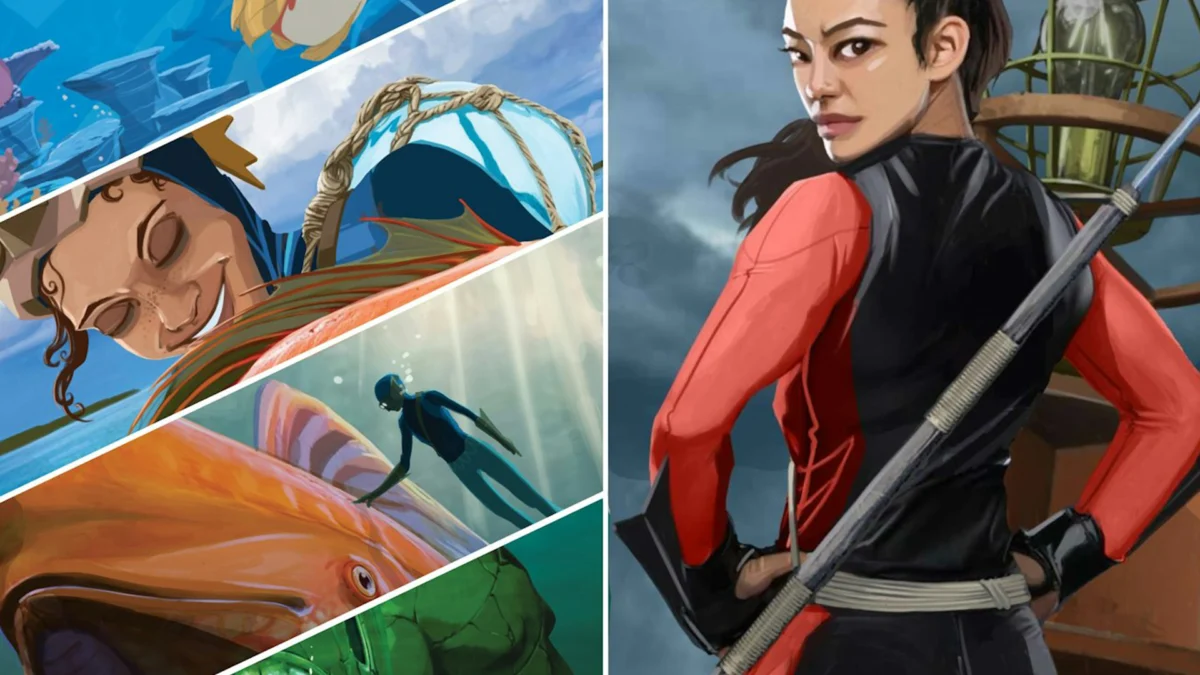
A captivating new tabletop roleplaying game, "Bow," is set to transport players into a breathtaking underwater world, drawing profound inspiration from the serene exploration of the video game Abzu and the enchanting artistic vision of Studio Ghibli films. Developed by Hatchlings Games, this innovative solo or duet journalling RPG invites players to embark on a freediving odyssey within a vibrant ocean ecosystem, where discovery, competition, and community fate intertwine.
Set against the backdrop of a picturesque aquatic realm, "Bow" casts players as skilled freedivers participating in the illustrious Shoaling Festival. This unique premise promises a deeply immersive experience, blending the meditative beauty of underwater exploration with the compelling narrative of a high-stakes competition. With its crowdfunding campaign poised to launch on Backerkit on May 31st, "Bow" is generating significant anticipation within the tabletop community, offering a fresh, aesthetically rich, and narratively driven experience.
Main Facts: Unveiling "Bow" – A Deep Dive into Serene Solo Roleplaying
"Bow" is an upcoming solo or duet tabletop roleplaying game (TTRPG) that distinguishes itself through its unique thematic blend and accessible gameplay. At its core, the game challenges players to embody freedivers competing in the Shoaling Festival, an event central to their community’s future. The narrative unfolds as players navigate the pristine depths of a vibrant ocean, encountering diverse marine life and intricate coral reefs while striving to collect ancient "Old-World relics."
The primary inspirations for "Bow" are twofold and profoundly influential. The 2016 indie video game Abzu, celebrated for its non-violent, exploration-focused underwater adventure, provides the blueprint for "Bow’s" immersive environmental storytelling and sense of aquatic wonder. Complementing this is the unparalleled artistic legacy of Japanese animation powerhouse Studio Ghibli. Specific films like Porco Rosso, renowned for its glorious seascapes, and Nausicaä of the Valley of the Wind, with its deep ecological themes and breathtaking natural world, are directly cited by publisher Hatchlings Games as key aesthetic and thematic touchstones.
The game leverages the acclaimed Carta gameplay system, designed by Peach Garden Games, which utilizes a standard deck of 24 playing cards to guide the narrative. Players arrange these cards in a six-by-four grid, with each suit dictating different types of challenges and representing rival competitors. The ultimate goal is to strategically uncover four aces and outmaneuver opponents to secure victory in the race, thereby determining the fate of their community.
Hatchlings Games, known for its creative and thematically rich TTRPGs like the Ghibli-inspired "Dragon Dowser" and the British/American Sign Language teaching game "Inspirisles," is the publisher behind "Bow." The game’s captivating artwork, crafted by artists WillowsQuest and Alex Connolly, visually manifests the Ghibli-esque beauty and Abzu-like tranquility, inviting players into a world of vibrant imagination.
A Journey Beneath the Waves: The Thematic Core of "Bow"
"Bow" is not merely a game of mechanics; it is an invitation to inhabit a meticulously crafted world, rich with thematic resonance. Its thematic core is a delicate balance between awe-inspiring natural beauty and the inherent challenges of a competitive quest, all filtered through distinct artistic lenses.
Echoes of Abzu: Immersive Underwater Exploration
The influence of Abzu on "Bow" is foundational to its environmental narrative. Abzu garnered critical acclaim for its ability to evoke a profound sense of wonder and tranquility through its depiction of a vibrant, mysterious ocean. Players in Abzu are encouraged to explore, interact with diverse marine life, and uncover ancient secrets without the pressure of combat or complex objectives. This philosophy translates directly into "Bow’s" design, where the act of diving itself, the vivid descriptions of coral reefs, and encounters with "strange and beautiful creatures" are central to the player’s experience.
"Bow" aims to replicate this meditative exploration, encouraging players to imagine the shimmering light filtering through the water, the intricate textures of ancient reefs, and the graceful movements of schools of fish. The game’s prompts likely guide players to describe their surroundings, the emotions evoked by the underwater silence, and the discoveries they make, fostering a personal connection to the imagined aquatic environment. This focus on sensory detail and atmospheric immersion ensures that the journey through the ocean depths is as rewarding as the competitive race itself.
Studio Ghibli’s Artistic Legacy: From Animation to Tabletop
Studio Ghibli’s influence on "Bow" is perhaps its most visually striking and emotionally resonant aspect. The studio is synonymous with hand-drawn animation that elevates storytelling to an art form, often exploring themes of nature, humanity’s relationship with the environment, and the innocence of childhood, all rendered with breathtaking beauty.
Porco Rosso, with its idyllic Adriatic seascapes and the protagonist’s life as a seaplane pilot, clearly inspires "Bow’s" reverence for the ocean’s vastness and beauty. The film’s blend of adventure and serene moments spent on the water aligns perfectly with the game’s premise of a freediving competition amidst stunning aquatic vistas. Similarly, Nausicaä of the Valley of the Wind, a seminal work that explores ecological disaster, environmental stewardship, and the complex relationship between humanity and a dying planet, informs "Bow’s" underlying narrative. The direct reference by Hatchlings Games to Nausicaä suggests that the "Old-World relics" and the "future of their community" are not just arbitrary plot devices but carry a deeper ecological or historical significance, hinting at past civilizations or environmental shifts.
The artwork by WillowsQuest and Alex Connolly is crucial in translating this Ghibli aesthetic into the TTRPG medium. Players can anticipate visuals that are vibrant yet gentle, fantastical yet grounded in natural beauty. Imagine characters with a sense of wonder and determination, creatures that are whimsical or majestic, and environments that feel both alien and inviting. This artistic direction promises to imbue "Bow" with the emotional depth and visual poetry characteristic of Ghibli films, making each dive a journey through a world that feels both familiar and wondrously new.
The Mechanics of the Deep: How "Bow" Plays
Beyond its compelling theme, "Bow" offers an elegant and engaging gameplay system designed for personal narrative and strategic decision-making.
Solo and Duet Journalling: A Personal Narrative
At its heart, "Bow" is a journalling game, a popular subgenre within TTRPGs that emphasizes player-driven storytelling through written responses to prompts. In "Bow," one or two players will be presented with a series of narrative prompts that evolve as the game progresses. This format encourages deep introspection and creative writing, allowing players to flesh out their character’s personality, motivations, and experiences during the Shoaling Festival.
For solo players, this means an intimate and reflective journey, where the story unfolds in their own words, free from the dynamics of a group. It becomes a personal diary of their freediving adventure, their struggles, triumphs, and the unique discoveries they make. In a duet setting, two players can collaborate, bouncing ideas off each other, building a shared narrative, and exploring the world together, making it a cooperative storytelling experience rather than a competitive one between players. This accessibility, requiring only a rulebook, a deck of cards, and a writing implement, makes "Bow" an ideal entry point for newcomers to TTRPGs or a refreshing change of pace for seasoned players.
The Carta System: A Card-Driven Odyssey
"Bow" builds its mechanical foundation on the Carta gameplay system, developed by Peach Garden Games. The Carta system is renowned for its elegant simplicity and versatility, using a standard deck of playing cards to generate narrative prompts, introduce challenges, and structure the flow of the game.
In "Bow," players will utilize a 24-card spread, laid out in a six-by-four grid. Each card draw and its placement within this grid will dynamically shape the unfolding events of the Shoaling Festival. The suits of the cards are particularly significant:
- Spades: Might represent unforeseen dangers, difficult environmental conditions, or sudden obstacles in the deep.
- Hearts: Could signify moments of beauty, unexpected discoveries, or opportunities for respite and connection.
- Diamonds: Perhaps relate to the collection of relics, strategic advantages, or resources found.
- Clubs: Likely embody the rival competitors, their actions, or direct challenges posed by them.
This card-driven approach ensures high replayability, as each game will generate a unique sequence of events and challenges. The spatial arrangement of the cards on the grid could also introduce tactical elements, where the position of a drawn card relative to previously played cards might influence the narrative outcome or character choices. The Carta system transforms a simple deck of cards into a dynamic storytelling engine, providing structure while allowing for immense creative freedom.
The Shoaling Festival: A Race Against Time and Rivals
The core objective of "Bow" is a thrilling race within the Shoaling Festival. Players are tasked with navigating a predefined route through the ocean, marked by four distinct points. Along this perilous journey, they must collect various "Old-World relics," artifacts of a bygone era that hold significance for their community.
The stakes are exceptionally high: the "future of their community" hinges on their success. This elevates the competition beyond mere personal glory, imbuing each dive with a sense of communal responsibility and urgency. The game mechanics, particularly the card suits, also ensure that the player characters are not alone in their quest. Rival competitors, likely represented by specific card suits or triggered events, will add layers of interaction, challenge, and potentially unexpected alliances or betrayals. Players will need to make strategic decisions: prioritize relic collection, outmaneuver rivals, or focus on traversing the markers efficiently.
Victory is achieved by successfully uncovering four aces throughout the game and beating the opponents to the finish line. This specific victory condition provides a clear, tangible goal within the broader narrative framework, offering a satisfying conclusion to the player’s journey. The combination of exploration, competition, and narrative choice makes the Shoaling Festival a dynamic and emotionally engaging centerpiece for "Bow."
Chronology of Development and Anticipation
Hatchlings Games has steadily built a reputation for crafting unique and heartfelt tabletop experiences. Their journey to "Bow" is marked by a clear commitment to innovative design and thematic depth.
The publisher first gained significant attention with "Dragon Dowser," another solo roleplaying game that drew inspiration from the whimsical and often poignant worlds of Studio Ghibli. This previous success demonstrated Hatchlings Games’ ability to translate complex animated aesthetics into engaging TTRPG mechanics, establishing a precedent for the Ghibli influence seen in "Bow." Following this, "Inspirisles" showcased the studio’s dedication to creating games with a broader societal impact, teaching British and American Sign Language through a compelling fantasy adventure. This diverse portfolio highlights a developer that is not afraid to experiment with themes and mechanics, pushing the boundaries of what TTRPGs can achieve.
The announcement of "Bow" naturally generated considerable excitement, building on the goodwill established by these prior projects. The fusion of Abzu‘s tranquil exploration with Ghibli’s visual poetry immediately resonated with a wide audience eager for fresh perspectives in tabletop gaming. The decision to utilize the Carta system, already respected within the indie RPG scene for its adaptability, further cemented the game’s credibility.
The crowdfunding campaign, set to launch on Backerkit on May 31st, marks the culmination of this developmental journey. Crowdfunding platforms have become vital arteries for independent game developers, allowing them to bypass traditional publishing gatekeepers and connect directly with their audience. For "Bow," Backerkit will serve as the launchpad, enabling Hatchlings Games to secure the necessary funding for production, reach a global community of players, and foster a direct relationship with their supporters. The pre-launch buzz and the established track record of Hatchlings Games suggest a strong campaign is on the horizon, promising a timely realization of this ambitious project.
Supporting Data: The Broader Context of Solo RPGs and Thematic TTRPGs
"Bow" arrives at a particularly fertile moment for the tabletop roleplaying game industry, capitalizing on several significant trends.
The Rise of Solo Roleplaying
The past few years have witnessed an unprecedented surge in the popularity of solo RPGs. This trend, accelerated by global events that limited in-person gatherings, has highlighted the inherent appeal of self-contained narrative experiences. Solo RPGs offer a unique set of advantages:
- Accessibility: No need to coordinate schedules with a group or find a Game Master (GM). Players can engage whenever and wherever they choose.
- Personal Reflection: The solitary nature of the play encourages deeper introspection, allowing players to explore themes and character arcs on a profoundly personal level.
- Narrative Control: While guided by prompts and mechanics, the player has ultimate control over their story’s interpretation and direction.
- Low Barrier to Entry: Often requiring minimal components, solo RPGs are an excellent gateway for individuals new to the hobby.
"Bow" fits perfectly within this burgeoning landscape. Its journalling format and card-driven mechanics provide a structured yet flexible framework for solo adventurers to dive into its rich world. By offering a duet option, it also taps into the desire for intimate, shared storytelling experiences without the complexities of larger groups.

Thematic Depth in Tabletop Gaming
Beyond solo play, "Bow" exemplifies a broader movement within TTRPGs towards thematic depth and diverse storytelling. The industry is increasingly moving beyond traditional high fantasy settings, embracing a wider array of genres, inspirations, and emotional tones. Games are now exploring themes ranging from ecological concerns and philosophical introspection to everyday life and historical narratives.
"Bow’s" focus on underwater exploration, environmental beauty, and community fate, inspired by sources as varied as Abzu and Studio Ghibli, positions it at the forefront of this thematic evolution. It offers a refreshing alternative to combat-heavy or politically intricate narratives, instead prioritizing atmosphere, discovery, and the personal journey of a character within a unique cultural context (the Shoaling Festival). This thematic richness appeals to players looking for more than just dice rolls and stat management; they seek compelling stories and meaningful engagement with imagined worlds.
The Art of Collaboration: Visuals and Narrative
The emphasis on artwork by WillowsQuest and Alex Connolly is not merely decorative; it is integral to "Bow’s" immersive power. In TTRPGs, especially those with strong thematic anchors, visual design plays a crucial role in establishing mood, conveying setting, and inspiring player imagination. For a game drawing from Studio Ghibli, renowned for its visual splendor, the quality and style of the artwork are paramount.
The collaboration between game designers and artists ensures that the visual language of "Bow" aligns seamlessly with its narrative and mechanical intentions. The "Ghibli-esque" aesthetic is not just about drawing pretty pictures; it’s about evoking a specific feeling—a blend of wonder, melancholy, adventure, and respect for nature. These visuals serve as prompts themselves, sparking players’ imaginations as they fill in the details of their freediving journey. They reinforce the themes, making the world of "Bow" feel tangible and inviting, enhancing the overall player experience significantly.
Official Responses and Creator Insights
While detailed direct quotes are typically gathered during a game’s promotional cycle, the design philosophy and public statements from Hatchlings Games regarding "Bow" and their previous works offer insight into the creators’ vision and aspirations.
Hatchlings Games, through their previous successful titles like "Dragon Dowser" and "Inspirisles," has demonstrated a clear mission: to create TTRPGs that are not only engaging but also meaningful and accessible. Their choice of Abzu and Studio Ghibli as inspirations for "Bow" is indicative of a desire to evoke wonder, foster introspection, and celebrate natural beauty. One can infer that the team at Hatchlings Games aims to provide a calming yet adventurous experience, a stark contrast to many action-oriented RPGs. They appear to prioritize narrative depth and emotional resonance, allowing players to connect with their character’s journey on a deeply personal level.
The decision to adopt Peach Garden Games’ Carta system also speaks volumes. It suggests a preference for elegant, card-driven mechanics that facilitate emergent storytelling and high replayability, rather than relying on complex rule sets. This choice aligns with the accessibility goals often seen in solo RPGs, ensuring that the focus remains on the narrative and imaginative immersion.
Artists WillowsQuest and Alex Connolly, in bringing the game’s visuals to life, would likely articulate their process as one of deep reverence for the source material. Capturing the delicate balance of vibrant underwater ecosystems from Abzu and the distinct emotional palette of Ghibli films would have involved careful consideration of color, composition, and character design. Their work is instrumental in translating the abstract concepts of inspiration into tangible images that guide and inspire players’ imaginations, making the world of "Bow* feel both fantastical and intimately real. The collaborative spirit between the designers and artists is evident in how well the thematic goals are integrated with the visual presentation.
Implications for the Tabletop Community and Beyond
"Bow" is poised to make a significant impact on the tabletop community, offering not just a new game but also contributing to broader trends and discussions within the industry.
Expanding the TTRPG Landscape
The introduction of "Bow" further diversifies the rich tapestry of TTRPGs available today. By combining a unique theme (freediving competition), specific artistic inspirations (Abzu, Ghibli), and a proven solo/duet journalling mechanic (Carta system), "Bow" carves out a distinct niche. This expansion is crucial for the health and growth of the hobby, as it attracts new demographics of players who might be drawn in by the familiar aesthetics of Ghibli or the serene gameplay of Abzu but are new to tabletop gaming. It demonstrates that TTRPGs are incredibly versatile, capable of telling virtually any story in any genre, moving far beyond the traditional dungeon-crawling archetypes.
The Future of Thematic Design
"Bow" serves as a compelling example of thematic design excellence. Its success could encourage other game designers to look beyond conventional sources for inspiration, fostering a new wave of TTRPGs that prioritize atmosphere, unique narrative premises, and emotional depth. The emphasis on community, ecological responsibility (implied by Nausicaä‘s influence), and the sheer beauty of the natural world offers a counter-narrative to games focused solely on conflict or power fantasy. This shift towards more reflective and emotionally resonant experiences could shape future design trends, leading to a richer and more varied TTRPG market.
Community and Crowdfunding
The crowdfunding campaign on Backerkit highlights the vital role of community support in the independent game development sphere. Platforms like Backerkit empower creators like Hatchlings Games to bring niche, innovative projects to fruition without the constraints of traditional publishing models. For players, it offers an opportunity to directly support creators whose visions resonate with them, becoming part of the game’s journey from concept to reality. The success of "Bow’s" campaign will not only secure its production but also reinforce the viability of crowdfunding as a sustainable model for indie TTRPGs, fostering a more direct and collaborative relationship between designers and their audience. This model ensures that diverse voices and unique ideas can continue to find a platform and thrive.
Conclusion: Diving into a New Horizon
"Bow" represents a truly exciting prospect for the tabletop roleplaying game community. By seamlessly weaving together the tranquil exploration of Abzu, the breathtaking artistry and thematic depth of Studio Ghibli, and the accessible elegance of the Carta system, Hatchlings Games has crafted a TTRPG that promises a uniquely immersive and emotionally resonant experience. Whether played solo for personal reflection or as a duet for shared storytelling, "Bow" invites players to plunge into a world of vibrant oceans, ancient mysteries, and the compelling challenge of the Shoaling Festival.
As the crowdfunding campaign prepares to launch on Backerkit on May 31st, anticipation for "Bow" continues to build. This innovative game is not just another addition to the TTRPG landscape; it is a testament to the power of imaginative design, a celebration of unique artistic influences, and a beacon for the evolving future of tabletop storytelling. Prepare to take a deep breath and dive into the wondrous depths of "Bow."


Leave a Comment