Oh My Socks! – A Fresh Spin on the Beloved Filler Game Formula from Tabletop Gaming Titans
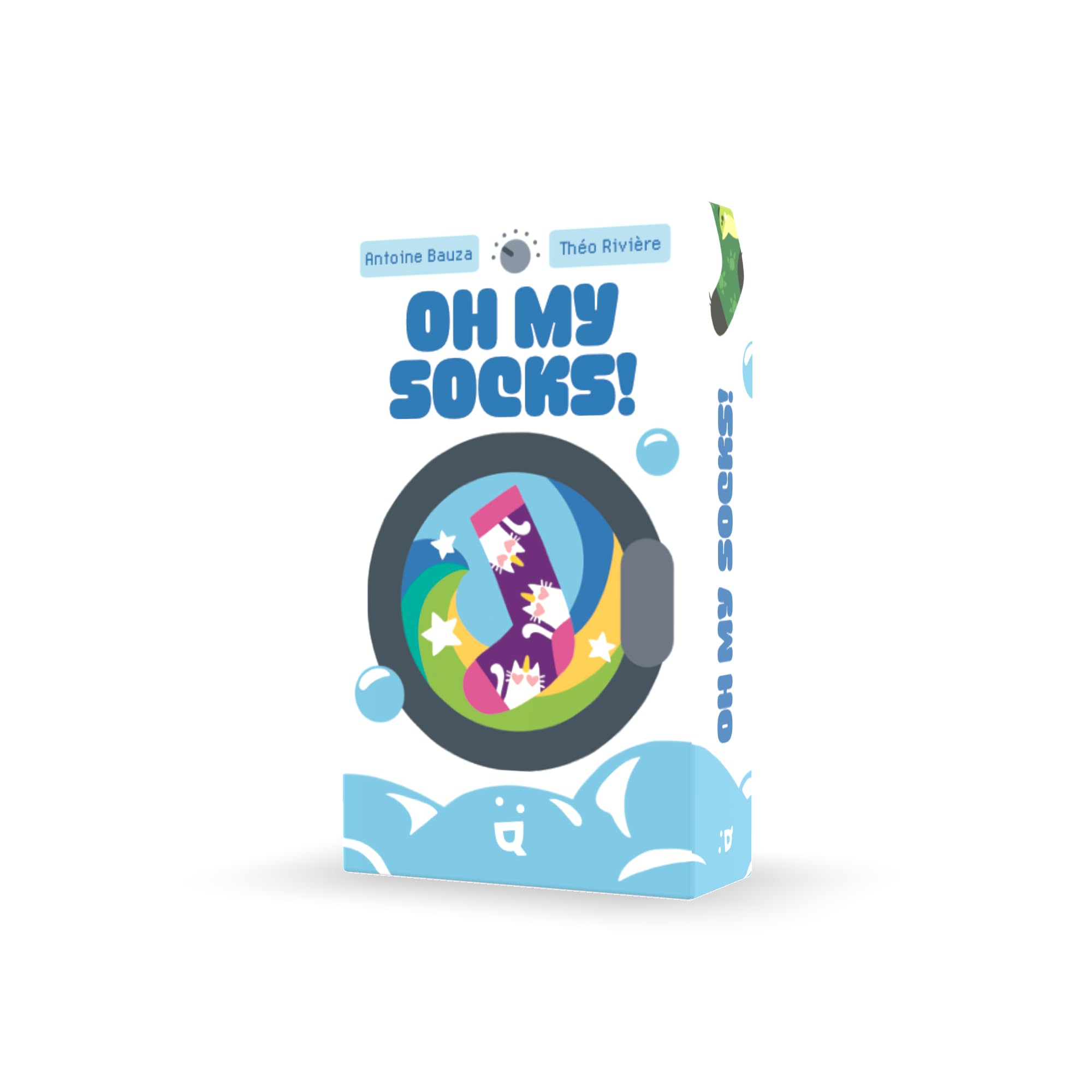
London, UK – [Date of Publication] – In an era where the tabletop gaming market is saturated with innovative designs, the continuous emergence of engaging small-box card games remains a testament to the boundless creativity within the industry. Among the latest contenders to capture attention is Oh My Socks!, a delightful set-collection filler game that deftly combines straightforward mechanics with clever twists, promising to become a staple in family game nights and casual gatherings. This new title, hailing from the minds of acclaimed designers Antoine Bauza and Théo Rivière, offers a refreshingly accessible yet surprisingly nuanced experience that can be taught in minutes and played in under half an hour.
The game, published by Helvetiq, leverages a universally relatable theme – the endless quest to match socks after laundry day – to ground its core mechanic of collecting pairs. With vibrant, clear card art and intuitive gameplay, Oh My Socks! has quickly garnered positive initial reactions for its ability to generate spontaneous laughter and unexpected reversals, making it a compelling addition to any gamer’s arsenal of light, social experiences.
Main Facts: Unpacking the Appeal of Oh My Socks!
Oh My Socks! arrives on the scene as a testament to the enduring appeal of ingeniously simple card games. At its heart, it’s a set-collection game where players strive to gather matching pairs of socks, cleverly mirroring the everyday challenge of laundry. Co-designed by the illustrious Antoine Bauza, celebrated for masterpieces like 7 Wonders and Takenoko, and the innovative Théo Rivière, known for Sea, Salt & Pepper and Draftosaurus, the game benefits from a pedigree of designers renowned for crafting elegant and engaging experiences across various complexities.
Priced accessibly at approximately £12, Oh My Socks! positions itself as an ideal "filler game" – a short, light experience perfect for kicking off a game night, serving as a palate cleanser between heavier titles, or simply enjoying with family and friends. It supports 2 to 5 players, with an optimal experience reported for 3 to 4 participants, and is suitable for ages 6 and up, underscoring its broad appeal. The game’s core loop involves drawing cards, deciding which to keep for one’s personal collection, and strategically passing another to an opponent, a decision often dictated by a unique directional arrow printed on the cards. This seemingly simple action is infused with subtle strategic depth through special abilities and the inherent tension of influencing other players’ hands. The charming, well-integrated theme of collecting socks perfectly complements the mechanical goal, enhancing player immersion and making the abstract concept of set collection feel intuitive and fun.
Chronology: From Concept to Cardboard – The Journey of a Filler Game
The development and release of a card game like Oh My Socks! typically follows a structured, albeit sometimes lengthy, path from initial concept to its final form on store shelves. While specific dates for Oh My Socks!‘s genesis are not publicly detailed in the provided review, one can infer the deliberate process undertaken by its seasoned designers and publisher.
The Spark of Innovation: Design Philosophy
Antoine Bauza and Théo Rivière, both prolific and respected figures in board game design, likely approached Oh My Socks! with a clear vision for a light, accessible, and highly replayable experience. Bauza, celebrated for his ability to distil complex ideas into elegant rulesets (as seen in 7 Wonders), and Rivière, known for his knack for creating engaging, often whimsical games, are perfectly suited to the filler game genre. The concept of "design ingenuity" mentioned in the original review speaks to their capacity to find novel applications for basic card components. For a filler game, the emphasis is often on a single, compelling hook, rapid teach time, and consistent fun without overstaying its welcome. The "washing machine/sock collection" theme, while seemingly "pasted-on," demonstrates a clever choice for its immediate recognizability and its natural alignment with the core set-collection goal. The challenge for designers in this space is to ensure that while simple, the game offers enough interesting decisions and player interaction to maintain engagement over multiple plays.
Publisher Partnership: Helvetiq’s Role
Helvetiq, known for publishing a range of family-friendly and travel-sized games, would have identified Oh My Socks! as a strong fit for their portfolio. Publishers play a crucial role beyond mere manufacturing; they contribute to game development through playtesting feedback, art direction, marketing strategy, and distribution. Helvetiq’s commitment to producing games that are both aesthetically pleasing and easy to learn aligns perfectly with the design principles inherent in Oh My Socks!. Their expertise ensures that the "fun, colourful and clear" cards are not just visually appealing but also functionally intuitive, aiding in rapid gameplay comprehension. The choice of a compact box and accessible price point further reinforces Helvetiq’s strategy to reach a wide audience, from casual players to seasoned enthusiasts looking for a quick diversion.
Anticipation and Market Entry
In the competitive tabletop market, the announcement of a new game from designers like Bauza and Rivière inevitably generates buzz. Typically, games are previewed at major conventions (e.g., Essen Spiel, Gen Con, UK Games Expo) or through dedicated online channels, building anticipation before their official release. For Oh My Socks!, its entry into the market likely capitalized on this pre-existing reputation, drawing attention from reviewers and consumers eager to see what these designers would deliver next in the lighter game category. The review’s date (July 2026) suggests a relatively recent release or imminent launch, indicating a fresh product entering the busy summer gaming season, often a prime time for family-oriented titles. The swift adoption of the game in diverse social settings, from "bars and family events," underscores its immediate success in fulfilling its design brief as a versatile, social experience.
Supporting Data: A Deeper Look into Mechanics and Design Philosophy
The seemingly simple facade of Oh My Socks! belies a carefully constructed game engine that offers surprising strategic depth and engaging player interaction. The review highlights several key components and mechanics that contribute to its success as a "fine example" of design ingenuity in small-box card games.
The Anatomy of a Sock Card
Every card in Oh My Socks! is a multi-functional piece of game information:
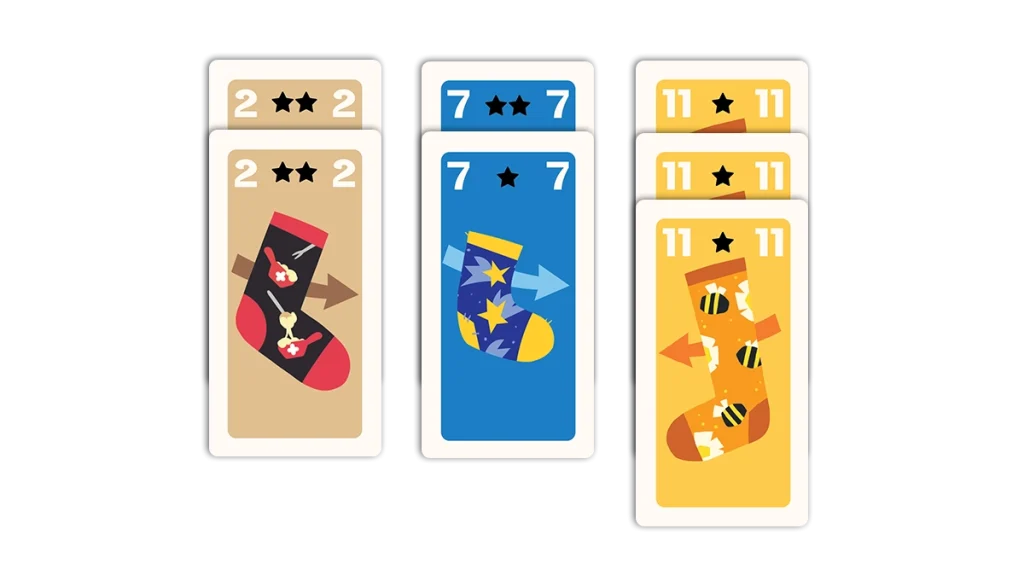
- Colour: The primary identifier for set collection. Players aim to gather pairs of the same colour.
- Number: Each card displays a number indicating how many cards of that specific colour exist in the entire deck. This subtly introduces elements of probability and card counting, allowing more astute players to gauge the likelihood of completing sets or denying opponents. For instance, knowing there are only two light brown cards makes them highly coveted but also riskier to pursue.
- Arrow: This is a pivotal design element. The arrow dictates whether a card, when passed, must go to the player on your left or right. This adds a layer of forced decision-making and player interaction. It’s not just that you pass a card, but where it must go, forcing players to weigh the benefit of keeping a card against the potential harm or benefit of passing a specific card to a specific opponent.
- Star Value: Most cards carry a star value from zero to three, representing victory points. This introduces a tension between collecting any pair and collecting valuable pairs.
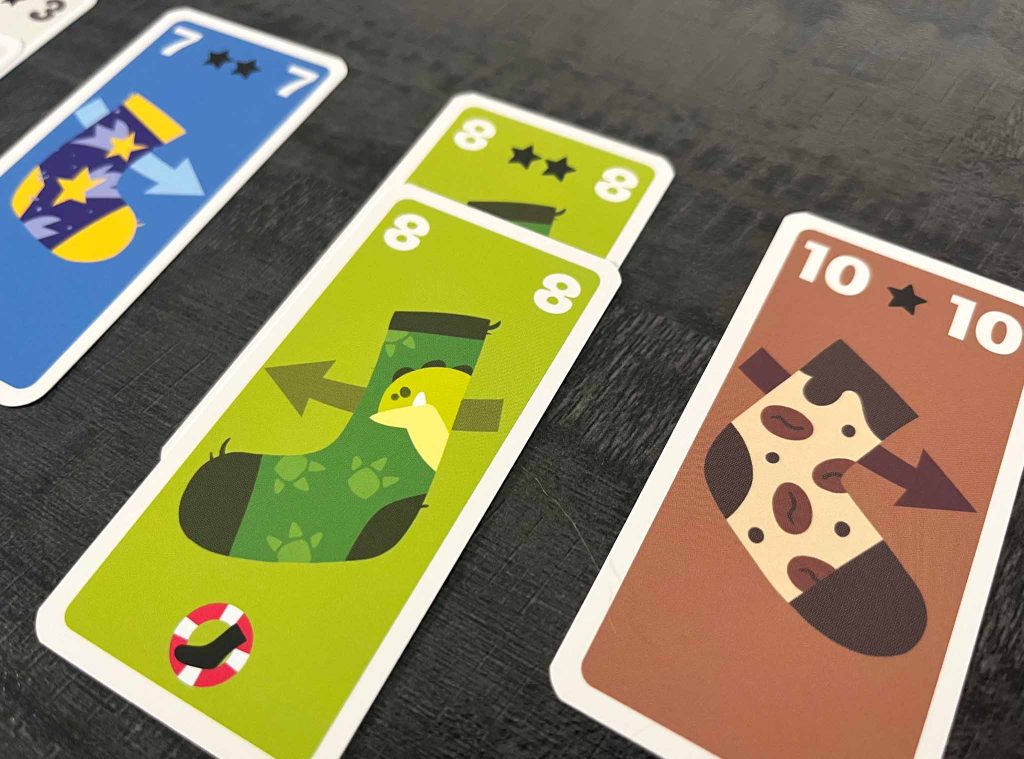
- Special Power Icon: Some cards feature unique abilities that trigger immediately upon being kept by a player, injecting dynamic shifts into gameplay.
The Core Turn: Draw, Keep, Pass
The heart of Oh My Socks! lies in its elegantly streamlined turn structure: a player draws two cards, chooses one to add face-up to their tableau (their collection of socks), and then hands the remaining card to an opponent. The crucial twist here is the arrow on the passed card. This isn’t a free choice; the arrow dictates the recipient. This mechanic brilliantly fosters direct, yet often indirect, player interaction. Players are constantly evaluating not just what’s best for themselves, but also the implications of what they are forced to pass to a neighbor. Do you keep a high-scoring card but pass a card that perfectly completes an opponent’s set? Or do you sacrifice a slightly better card for yourself to strategically deny an opponent or send them a less desirable option? This simple decision point is where much of the game’s "agency" and "fun" is generated, even in the absence of overt control.
Dynamic Special Powers
The game’s special powers are strategically distributed on approximately a third of the cards, ensuring regular but not overwhelming occurrences:
- Gift Cards: When a player keeps a Gift card, they immediately draw a face-down card from the deck and give it to an opponent of their choice. The recipient adds this card face-down to their collection. This introduces an element of delightful uncertainty and playful sabotage. The true impact of these "gifts" isn’t revealed until the end of the game, creating moments of dramatic score swings where players can go "from zero to hero, or the reverse."
- Rescue Cards: These powers allow a player to immediately steal a card from an opponent’s face-up tableau and add it to their own. This is the most direct "take that" element, capable of disrupting opponents’ plans and dramatically shifting control of key sets. It adds a layer of competitive tension and offers opportunities for tactical retaliation.
- Super Sock: This is a coveted wild card. When added to a player’s tableau, they must immediately declare which colour it represents. This offers immense flexibility, allowing players to complete a difficult pair or secure a high-scoring set. The decision of when and what colour to assign to the Super Sock is a mini-strategic puzzle in itself.
The Grand Finale: The Washing Machine Card and Scoring
The game’s end condition is thematically tied to its core concept: the "Washing Machine card" is shuffled into the bottom portion of the deck, ensuring the game concludes within a predictable timeframe but with a degree of suspense. Once drawn, play immediately stops.
The scoring phase elegantly reinforces the theme:
- Any face-down Gift cards received during the game are revealed and added to the respective players’ collections.
- Players then discard any card colours for which they do not have an even number. This means any "odd socks" that couldn’t find a partner are thrown out, perfectly mimicking the real-life frustration of mismatched laundry.
- Finally, players tally the star values of all their remaining, paired socks. The player with the highest total star value wins. This simple scoring mechanism makes the endgame calculation quick and satisfying.
Art and Accessibility
The review praises the cards as "fun, colourful and clear." This is a crucial aspect for a game targeting families and casual players. Clear iconography and distinct colours minimize confusion and reduce the cognitive load, allowing players to focus on the enjoyable interactions rather than deciphering complex rules. Helvetiq’s commitment to high production quality, even in a small-box format, ensures the game is appealing and durable.
Official Responses: Inferred Intentions of Designers and Publisher
While the article does not contain direct quotes from Antoine Bauza, Théo Rivière, or Helvetiq, the characteristics of Oh My Socks! and its reception allow for a reasonable inference of their underlying intentions and strategies.
Helvetiq’s Vision for Accessible Gaming:
From a publisher’s perspective, Helvetiq likely saw Oh My Socks! as an embodiment of their brand philosophy: creating engaging, high-quality games that are universally accessible. Their catalogue often features titles that are easy to learn, quick to play, and visually appealing, designed to bring people together. For Oh My Socks!, Helvetiq’s objective would have been to publish a game that serves as an excellent "gateway" experience for newcomers to the hobby, while also providing seasoned gamers with a delightful, low-commitment filler. The game’s age rating of 6+ and its RRP of £12 align perfectly with this family-friendly, mass-market appeal. Helvetiq’s role would have involved ensuring the components’ quality, refining the rules for clarity, and strategically positioning the game for maximum market penetration, particularly in family and gift-giving segments.
The Designers’ Art of Simplicity with a Twist:
Antoine Bauza and Théo Rivière, as seasoned designers, likely aimed to create a game that, despite its simplicity, offered genuine moments of decision-making and memorable player interactions. Their intent was not to craft a "tactical masterpiece" but rather a "fun party filler" that leverages classic mechanics (set collection) and introduces fresh, intuitive twists (the directional arrow, the delayed gratification of Gift cards, the direct interaction of Rescue cards). One can infer that they sought to strike a delicate balance: enough agency to make players feel their choices matter, but enough randomness and unpredictability to keep things light, generate laughs, and ensure no single player dominates through pure strategy. The "pasted-on theme" working "perfectly" suggests a deliberate choice to use a simple, relatable concept to make the mechanics instantly understandable and enjoyable, rather than getting bogged down in intricate lore. Their goal, it seems, was to prove that even with a basic deck of cards, true innovation in gameplay and player experience is still very much possible. The reviewer’s observation that "while the special cards and arrows add agency, there is no real control" likely aligns with the designers’ intent for a game that embraces joyful chaos over rigid strategy.
Implications: Broader Impact and Future Outlook
Oh My Socks! represents more than just another card game release; it carries several implications for the tabletop gaming landscape, its designers’ legacies, and the player experience.
Reinforcing the "Filler Game" Niche:
The continued success of games like Oh My Socks! underscores the vital role of "filler games" in the tabletop hobby. These quick, engaging titles serve multiple purposes: they act as warm-ups for longer game sessions, offer a refreshing break between more intense strategic battles, and provide accessible entry points for casual players or those new to modern board games. Oh My Socks! solidifies the notion that a game doesn’t need sprawling boards or complex rulebooks to deliver significant enjoyment. Its ability to generate "plenty of laughs and a few surprises" in under 30 minutes makes it a strong contender in this competitive niche, demonstrating that the demand for well-designed, light entertainment remains robust.
A Testament to Designer Versatility:
For Antoine Bauza and Théo Rivière, Oh My Socks! adds another dimension to their already impressive portfolios. While Bauza is lauded for his medium-heavy strategy games, and Rivière for his distinctive mid-weight designs, Oh My Socks! showcases their versatility and skill in crafting compelling experiences across the entire spectrum of game weight. It proves that master designers can distil their expertise into simpler forms without sacrificing cleverness or fun. This project likely serves as a reminder that good design principles are universal, irrespective of complexity, and that creating an excellent "light" game can be just as challenging and rewarding as designing an epic one.
Enhancing Social Play and Accessibility:
The game’s strong performance in "bars and at family events" highlights its success as a social catalyst. Its low barrier to entry, quick teaching time, and emphasis on light-hearted interaction make it perfect for diverse groups. For families, especially those with younger children (ages 6+), Oh My Socks! offers a fantastic opportunity for intergenerational play, fostering communication and simple strategic thinking without intimidation. Its "silly side" and the dramatic swings caused by Gift cards encourage playful banter and shared experiences, reinforcing the social aspect that many seek in tabletop gaming. This makes it an excellent "gateway game," potentially introducing new players to the broader world of modern board games.
The Nuance of Player Count:
The reviewer’s specific recommendation against the two-player variant, while acknowledging its technical functionality, provides an important insight into the game’s optimal design. Many games struggle to scale perfectly across all player counts, and Oh My Socks!‘s reliance on passing cards and group dynamics clearly thrives with three or more participants. This highlights a crucial consideration for game designers and players alike: understanding a game’s sweet spot for player interaction. While a two-player mode might be included for completeness, its diminished fun factor in this instance suggests that the game’s core experience is deeply intertwined with a larger social circle.
Comparison and Legacy: Following in Coloretto‘s Footsteps:
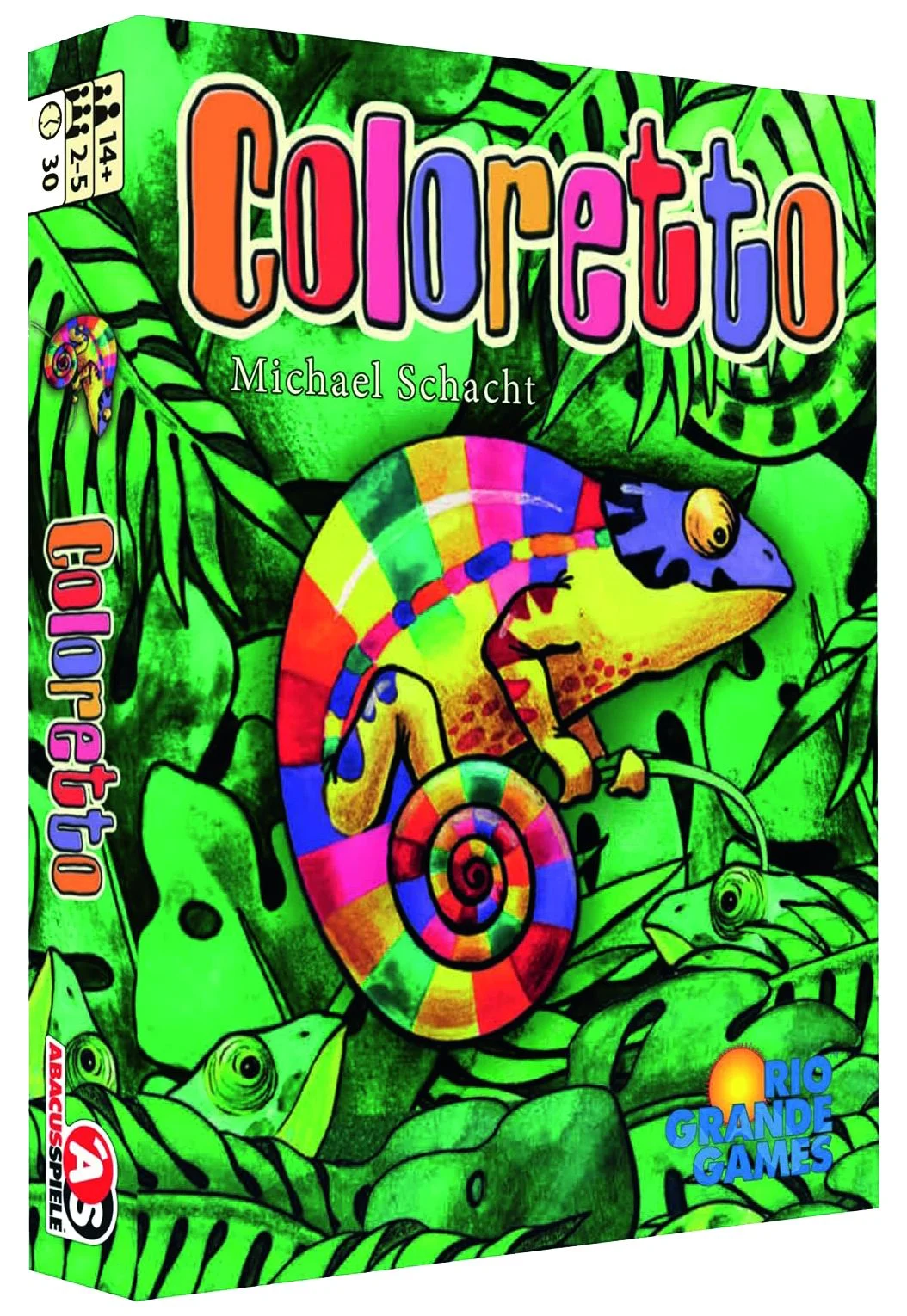
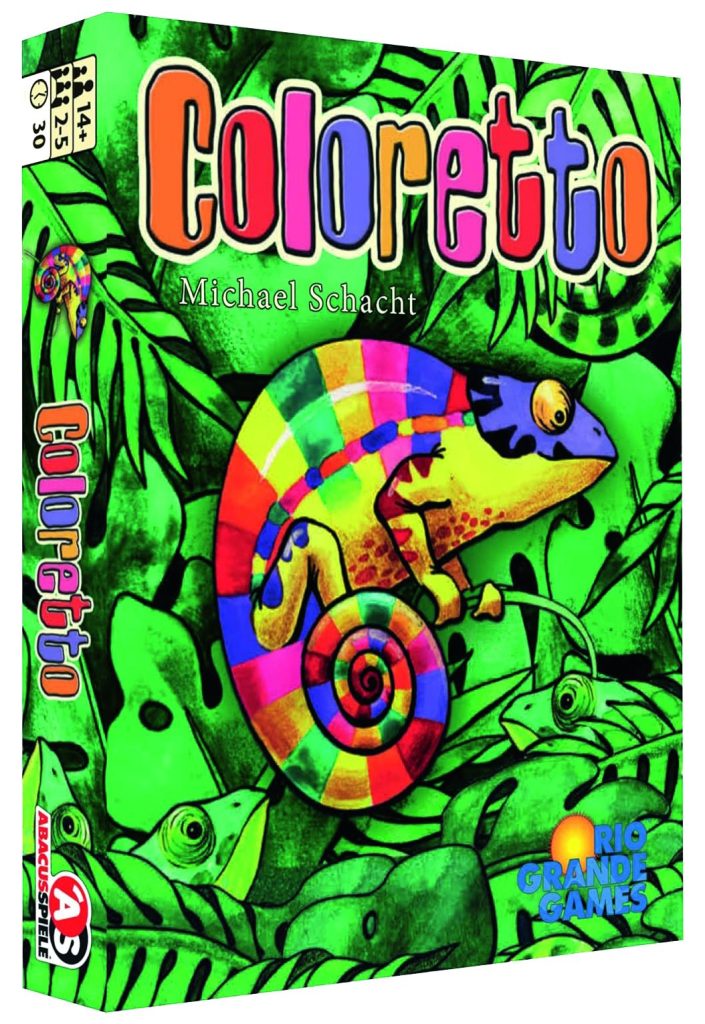
The comparison to Coloretto, a beloved classic in the set-collection genre, is particularly insightful. Both games share a similar length, weight, and a healthy dose of luck, yet manage to remain engaging. Oh My Socks! appears to carve out its own identity through its unique passing mechanic, special powers, and thematic integration, offering a fresh alternative or complement to Coloretto. Its potential longevity will depend on whether its unique twists and consistent ability to generate positive player experiences can secure its place as a perennial favourite among filler games, much like its esteemed predecessor.
In conclusion, Oh My Socks! is poised to become a cherished addition to the casual gaming scene. Its expert design, vibrant presentation, and emphasis on fun over intense strategy make it a highly recommendable title for families, friends, and anyone looking for a quick, cheerful, and surprisingly engaging card game. It stands as a vibrant example of how innovative design can continue to breathe new life into even the most basic components of the tabletop world.