The Alchemy of Elements: Unpacking the Visual Magic Behind Netflix’s "Avatar: The Last Airbender" Season 2
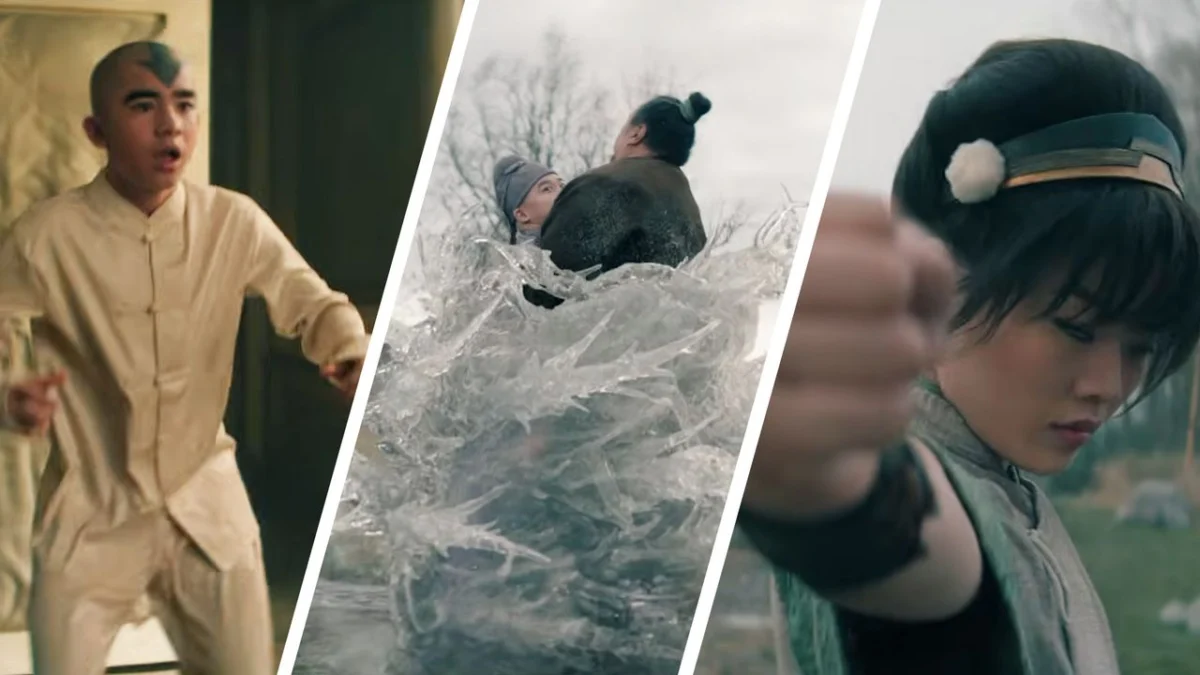
Netflix’s live-action adaptation of "Avatar: The Last Airbender" has captivated audiences once again with its breathtaking visual effects and dynamic action sequences, particularly in its second season. Beyond the compelling narrative and character arcs, it’s the series’ masterful depiction of elemental bending that has truly set it apart, drawing viewers into its fantastical world with an unprecedented sense of realism and visceral impact. This article delves into the intricate artistry and innovative techniques employed by the visual effects studio Outpost VFX to bring the raw power of earth, water, and air to life on screen, transforming abstract concepts into tangible, awe-inspiring spectacles.
The Spectacle of Elemental Power: A Visual Feast
The second season of "Avatar: The Last Airbender" on Netflix has been lauded for its exceptional visual effects, which have elevated the live-action adaptation to new heights. The series’ success lies in its ability to translate the beloved animated show’s iconic bending powers into believable, impactful cinematic moments.
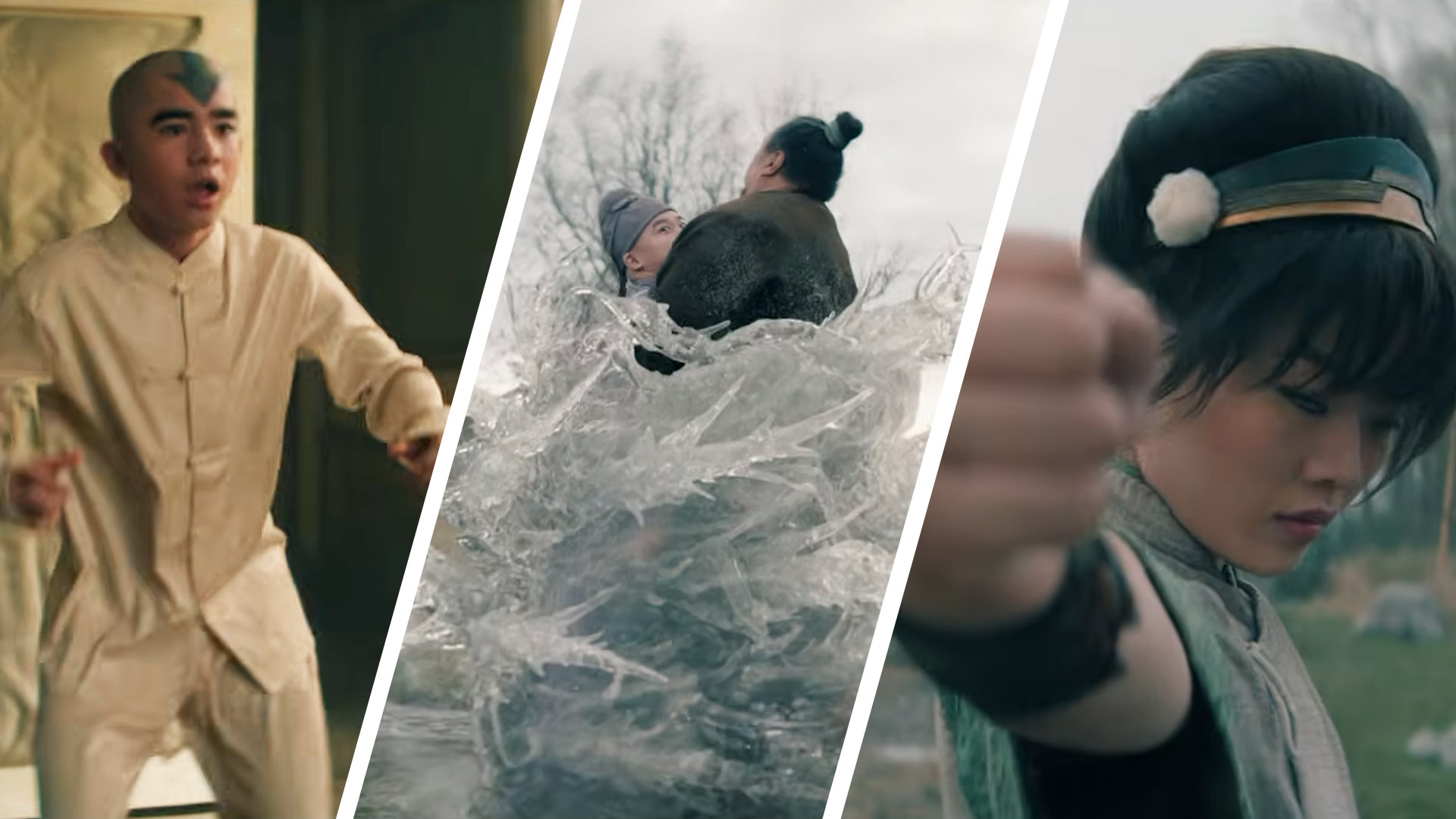
Earthbending is portrayed with a tangible weight and raw, untamed energy. The sheer force and destructive potential of this element are palpable, making each tremor and impact feel genuinely heavy and chaotic. The visual representation captures the essence of manipulating vast quantities of earth, from jagged rock formations erupting from the ground to pulverized dust clouds that obscure the battlefield.
Firebending, a notoriously difficult element to render convincingly, is brought to life with interactive light that casts realistic shadows and highlights on the actors’ skin. This technique imbues the flames with a physical presence, making the heat and danger feel immediate and real. The dynamic interplay between the fire and its environment, including its dissipation and spread, adds a layer of believability that immerses the audience in the intensity of the combat.
However, the most remarkable achievement lies in the visual representation of airbending. By its very nature, air is invisible, presenting a significant creative hurdle for VFX artists. The series sidesteps the common pitfall of relying on generic "magic wind" effects, instead opting for a more sophisticated and grounded approach. This innovative method gives airbending a distinct weight and velocity, making an invisible force a visually arresting element of the narrative.
The Behind-the-Scenes Alchemy: Outpost VFX’s Masterclass
The "how" behind these stunning visual feats has been a subject of great curiosity for fans. Fortunately, the visual effects studio Outpost VFX has generously shared insights into their creative process through captivating breakdown videos. These videos offer a fascinating glimpse into the complex workflows and artistic decisions that underpin the show’s visual spectacle, particularly focusing on the rendering of earth, water, and airbending.
Season 2: A Deep Dive into Air, Earth, and Water
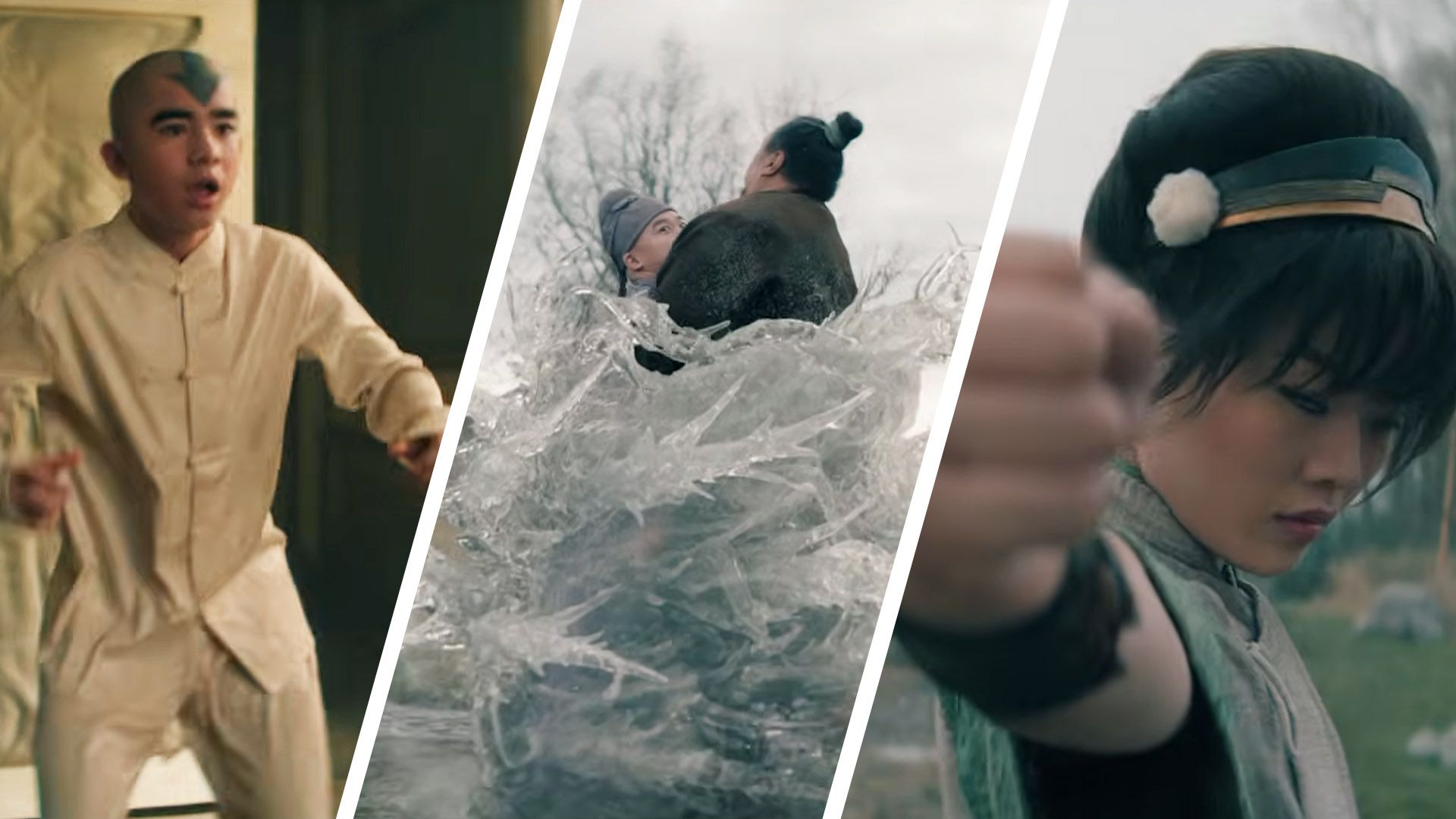
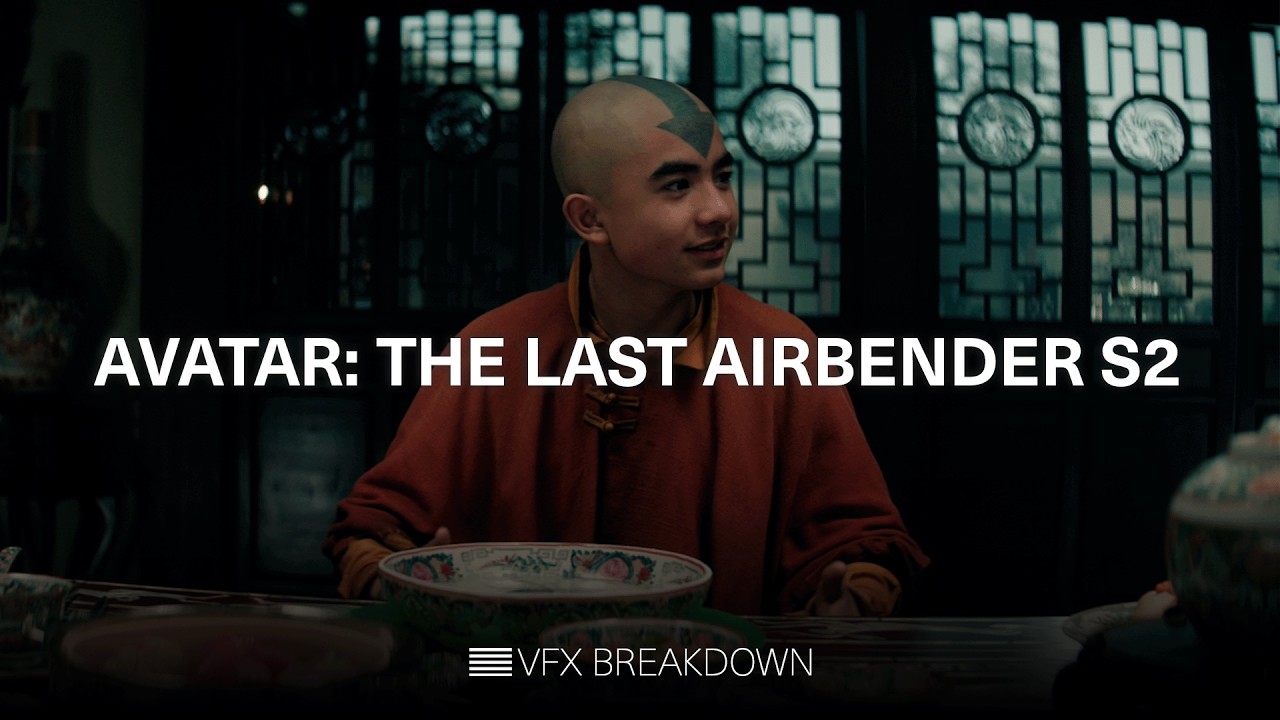
The VFX breakdown for "Avatar: The Last Airbender" Season 2 reveals the meticulous attention to detail that went into crafting each elemental power. Outpost VFX’s work on this season has been instrumental in translating the inherent challenges of depicting these forces into compelling on-screen realities.
-
Airbending’s Invisible Force: The team at Outpost VFX tackled the inherent invisibility of air by drawing inspiration from real-world phenomena. Instead of creating a visible "magic wind," they looked to the atmospheric distortion observed around the powerful exhaust of jet engines, such as those found on F-22 Raptors. This approach allowed them to imbue airbending with a tangible weight and discernible velocity by subtly manipulating and displacing surrounding environmental particles. This technique not only made the airbending visually dynamic but also gave it a sense of authentic power and consequence.
Caitlin Gilbert, a producer involved in the series, elaborated on this groundbreaking approach in a blog post. She stated, "When it came to the airbending, we were briefed on creating something that would be similar to the look of air around a jet engine. It was in this sequence that the airbending look was developed to then be used throughout the rest of the series." This pivotal development established the visual language for airbending that would be consistently applied across the season.
VFX Supervisor Laurent Joel Gillet further emphasized the collaborative nature of this process. "The airbending look was a challenge as we don’t see air movement in the real world, only elements flying through it," he explained. "We needed to find ways of making that motion visible. The director and client-side production team had a very clear idea of where they wanted to go with it, which made it a lot easier for us to translate those ideas into effects on screen." This close collaboration between the VFX team, directors, and the client-side production was crucial in achieving a cohesive and visually striking representation of an otherwise invisible force.
-
Earthbending’s Tactile Reality: The rendering of earthbending was another area where Outpost VFX excelled. Laurent Joel Gillet shared that the team explored numerous types of ground and soil to achieve the desired effect. "We started originally with a very sandy look with buried hard rocks, but we ended up going towards a more amalgamated dry sand look which crumbles as it breaks," he described. The rocks themselves were designed to appear as compacted dry soil, giving them a realistic tendency to crumble and break apart when subjected to the immense forces of earthbending. This attention to material properties ensured that the earthbending felt grounded and destructive, mirroring the raw power of the element.
-
Waterbending’s Fluid Dynamics: While the article focuses heavily on air and earth, it also mentions waterbending as part of the VFX breakdown. The visual representation of waterbending in "Avatar: The Last Airbender" typically involves fluid simulations that capture the grace and power of this element. The challenge lies in creating realistic water physics that allow for both delicate manipulation and explosive force, from swirling currents to tidal waves. The success of waterbending in the series is a testament to the studio’s expertise in complex fluid dynamics simulations.
Season 1: Laying the Foundation for Elemental Grandeur
Outpost VFX’s contribution to the "Avatar: The Last Airbender" universe began with the first season, where they were responsible for some of the most memorable and visually complex sequences.
One particularly noteworthy example is the epic battle sequence between Aang and King Bumi in episode four. This intricate scene involved a multifaceted interplay of earth, air, and waterbending, presenting a "slew of creative challenges," as Producer Caitlin Gilbert recounted. The complexity arose from the need for multi-layered simulations where each elemental effect interacted and collided with the others in a dynamic and believable manner. This early work set the stage for the advanced visual storytelling that would define the series.
The VFX breakdown for the first season further illuminates the studio’s dedication to bringing these fantastical powers to life. The visual storytelling employed in these breakdowns highlights the effort involved in creating dynamic simulations that realistically portray the physics and impact of each bending style.
Contextualizing the World of Avatar
For those unfamiliar with the "Avatar: The Last Airbender" universe, the series is set in a world divided into four distinct nations, each aligned with one of the classical elements: the Water Tribes, the Earth Kingdom, the Fire Nation, and the Air Nomads. Within these nations, individuals known as "benders" possess the extraordinary ability to manipulate their respective elements. The narrative centers on Aang, a twelve-year-old boy who is the last of the Air Nomads and the prophesied Avatar, a being capable of mastering all four elements and maintaining balance in the world. This rich lore provides a fertile ground for imaginative visual effects, allowing for a constant exploration of new ways to depict elemental power.
Official Statements and Creative Vision
The success of the visual effects in "Avatar: The Last Airbender" is not merely a technical achievement but a testament to a clear creative vision shared by the production team and the VFX studio. The insights from Caitlin Gilbert and Laurent Joel Gillet underscore a collaborative process driven by a desire to translate the spirit of the original animation into a live-action format that feels both familiar and innovative.
The emphasis on finding real-world inspirations, such as the visual characteristics of jet engine exhaust for airbending, demonstrates a commitment to grounding the fantastical elements in a sense of believable physics. This approach avoids superficial visual treatments and instead seeks to understand the underlying principles of natural phenomena to create something that feels authentic. The clear direction provided by the director and client-side production team was pivotal in enabling Outpost VFX to effectively translate these concepts into tangible on-screen effects.
Implications for the Future of Fantasy Visual Effects
The work done by Outpost VFX on "Avatar: The Last Airbender" has significant implications for the future of visual effects in fantasy and science fiction genres. The studio’s innovative solutions to depicting abstract concepts like airbending set a new benchmark for creative problem-solving in the industry. By demonstrating that seemingly impossible visual challenges can be overcome with ingenuity, research, and collaborative effort, they have paved the way for future productions to push the boundaries of what is visually achievable.
The detailed breakdown of their processes, particularly the focus on material properties for earthbending and atmospheric distortion for airbending, provides valuable case studies for aspiring VFX artists and studios. It highlights the importance of:
- Deep Research and Inspiration: Drawing from real-world phenomena can provide a solid foundation for fantastical effects.
- Collaborative Vision: Close partnerships between production and VFX teams are essential for cohesive and impactful results.
- Technical Innovation: Developing new techniques and workflows to overcome unique challenges.
- Attention to Detail: The subtle nuances in how elements behave, from crumbling earth to distorted air, contribute significantly to the overall believability.
As audiences continue to demand more immersive and visually stunning cinematic experiences, the techniques pioneered in "Avatar: The Last Airbender" serve as a powerful reminder of the artistry and technical prowess that lies behind the magic of modern filmmaking. The series stands as a testament to the power of visual effects to not only create spectacular action but also to imbue fictional worlds with a profound sense of reality and wonder. The journey of Aang and his friends, brought to life with such meticulous detail and imaginative flair, continues to inspire and awe, proving that even the most intangible forces can be made breathtakingly real on screen.