"Collect!": A Wild Safari into Accessible Tabletop Fun
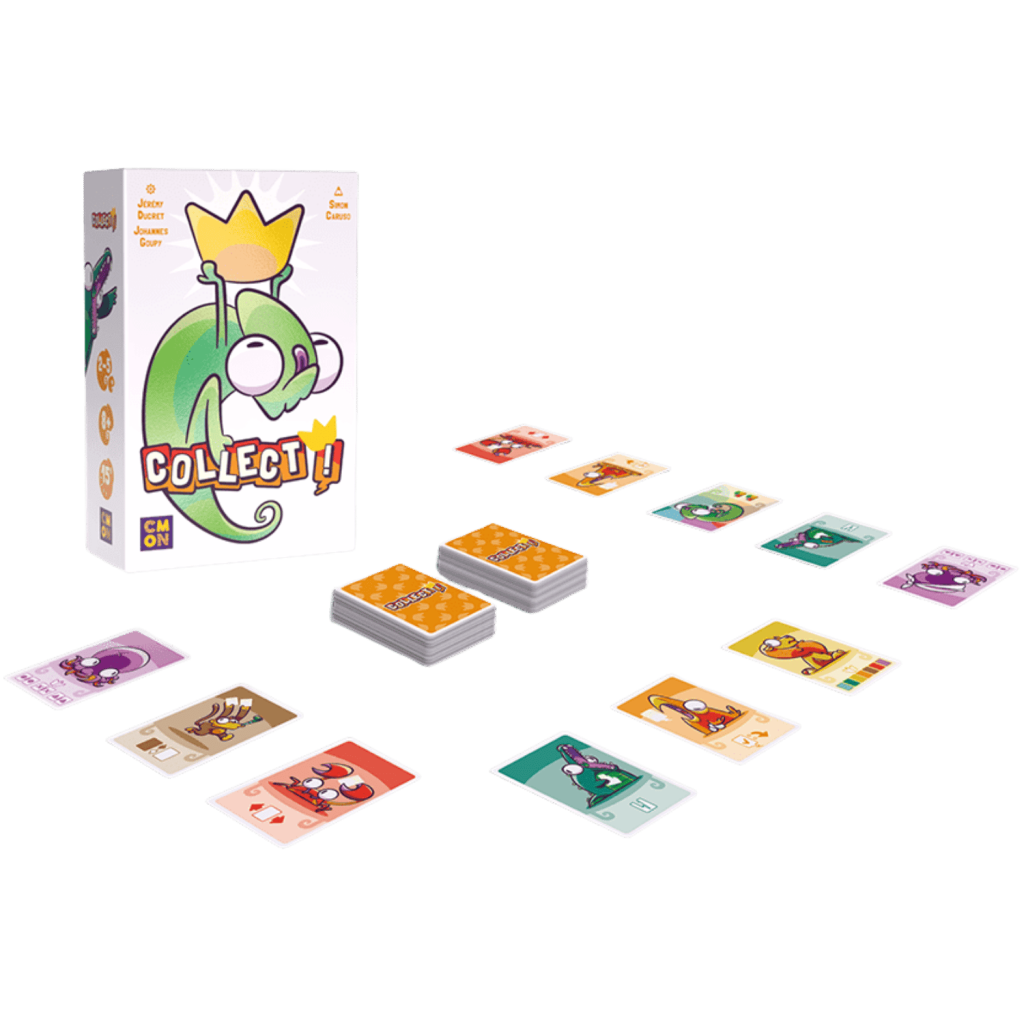
London, UK – In the ever-expanding universe of tabletop gaming, where complex rulebooks and intricate mechanics often dominate the landscape, a new contender has emerged, promising a refreshing return to simplicity without sacrificing strategic depth. Collect!, a vibrant card game from designers Jérémy Ducret and Johannes Goupy, published by CMON, positions itself as an antidote to the rule-explaining fatigue that often plagues game masters. It champions the immediate appeal of a game that can be taught in mere moments, inviting players of all experience levels to dive straight into its engaging animal-themed world. But beyond its accessible facade, does Collect! truly deliver on its promise of being both simple and profoundly fun?
The initial impressions are overwhelmingly positive for those who value a low barrier to entry. In a market saturated with titles demanding significant upfront investment in learning, Collect! stands out with its elegant design. The core objective – to gather a group of four adjacent animals in one’s personal row – is instantly understandable. Yet, as players delve deeper, the game reveals layers of tactical decision-making, driven by unique animal abilities and alternative win conditions, ensuring that its appeal extends beyond mere casual play. This blend of straightforward rules and surprising strategic nuances makes Collect! a compelling subject for review, particularly for families and groups seeking lively interaction without the burden of lengthy tutorials.
The game’s retail price point of £14 further enhances its accessibility, positioning it as an attractive entry-level option or a delightful filler game for seasoned enthusiasts. With an estimated play time of 15-30 minutes and accommodating 2-5 players aged 8 and up, Collect! is clearly designed for broad appeal, fitting comfortably into both the family and party game categories. Its proposition is clear: a quick, engaging, and visually appealing experience that prioritizes fun and interaction above all else.
The Genesis of "Collect!": From Concept to Tabletop
The journey of Collect! from a design concept to a polished tabletop product reflects a deliberate philosophy aimed at capturing the essence of approachable yet engaging gameplay. Designers Jérémy Ducret and Johannes Goupy, renowned for their contributions to various card and board game titles, appear to have channeled their expertise into creating a game that distills core mechanics into an intuitive package. Their likely intent was to craft an experience where the rules fade into the background, allowing the dynamic interplay between players and the emergent strategy to take center stage.
CMON (CoolMiniOrNot), the publisher behind Collect!, is typically recognized for its larger, more complex, and often miniatures-heavy games like Zombicide or Blood Rage. Their decision to publish Collect! signals a strategic diversification of their portfolio, acknowledging the significant demand for lighter, more accessible games that can appeal to a broader demographic. This move suggests a recognition that while epic, sprawling games have their dedicated audience, there’s a substantial market eager for quick, engaging experiences that don’t require hours of commitment. By venturing into the family and party game space with a title like Collect!, CMON aims to broaden its reach and establish itself as a publisher capable of delivering diverse gaming experiences. The game’s vibrant, eye-catching artwork, which is consistently praised, further supports this strategy, ensuring it stands out on shelves and attracts casual players.
A Turn-by-Turn Journey: Understanding the Flow of Play
At its core, Collect! simplifies the typical card-drafting mechanism into an elegant and engaging sequence of choices. Each turn is designed to be swift, keeping all players engaged and minimizing downtime, a crucial element for a successful party or family game.
The game begins with two facedown decks of animal cards. On a player’s turn, the primary action is to choose one of these two decks and reveal its top card. This initial reveal presents the player with their first crucial decision: do they want this animal card for their collection? This moment introduces a subtle but impactful push-your-luck element. If the player is satisfied with the revealed animal, they can immediately claim it.
However, if the chosen animal doesn’t align with their current strategy or desired collection, the player has the option to decline it. This isn’t a free pass, though. If they opt to place the initially revealed card back on its deck, they are then compelled to reveal the top card from the other deck and take it, regardless of whether it’s more desirable or not. This "take it or leave it, but you’re taking something" mechanic adds a delightful layer of tension and risk. Players must weigh the immediate usefulness of the first card against the unknown potential (or guaranteed detriment) of the second. This choice often leads to groans of frustration or cheers of triumph, injecting significant emotional engagement into each turn.
Once a card is acquired, it must be added to either the far left or the far right end of the player’s personal row of animals. This placement restriction is key to the game’s spatial puzzle, as the primary win condition revolves around having four adjacent animals of the same type. Players must constantly consider not only which animals to collect but where to place them to build their winning formations while simultaneously disrupting opponents’ plans. Play then proceeds clockwise, maintaining the rapid pace that is a hallmark of Collect!. This straightforward, yet strategically rich, turn structure ensures that new players can grasp the fundamentals within minutes, allowing the game’s deeper mechanics to unfold organically as they play.
The Heart of the Jungle: Unpacking Animal Abilities
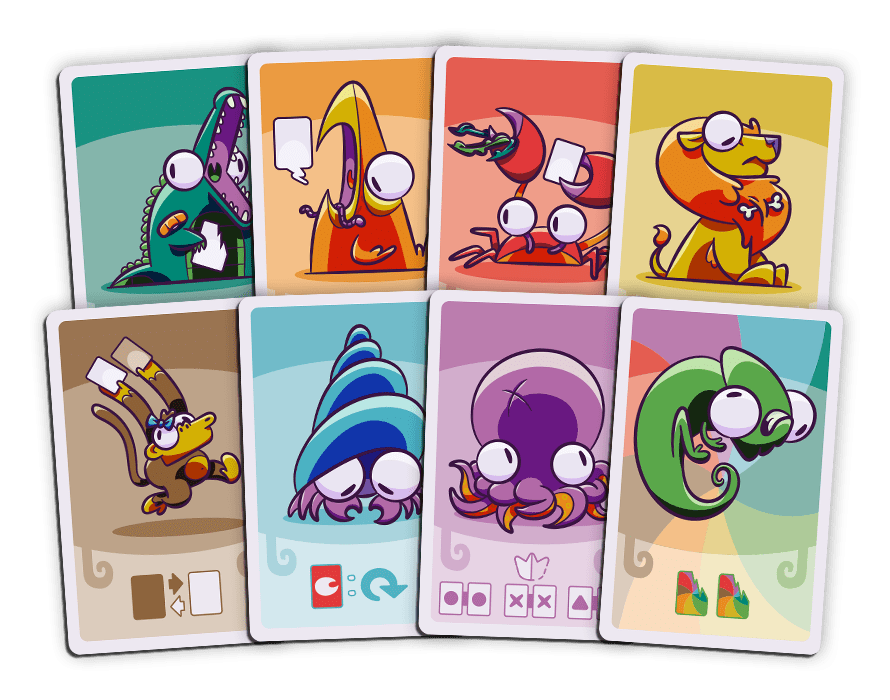
While the core mechanics of drawing and placing cards are straightforward, the true strategic depth and replayability of Collect! emerge from the unique "magic abilities" possessed by each of the eight distinct animal types. These powers are not mere thematic flourishes; they are dynamic tools that allow players to manipulate their own rows, disrupt opponents, and pivot strategies on the fly. This element transforms Collect! from a simple set-collection game into a highly interactive tactical arena.
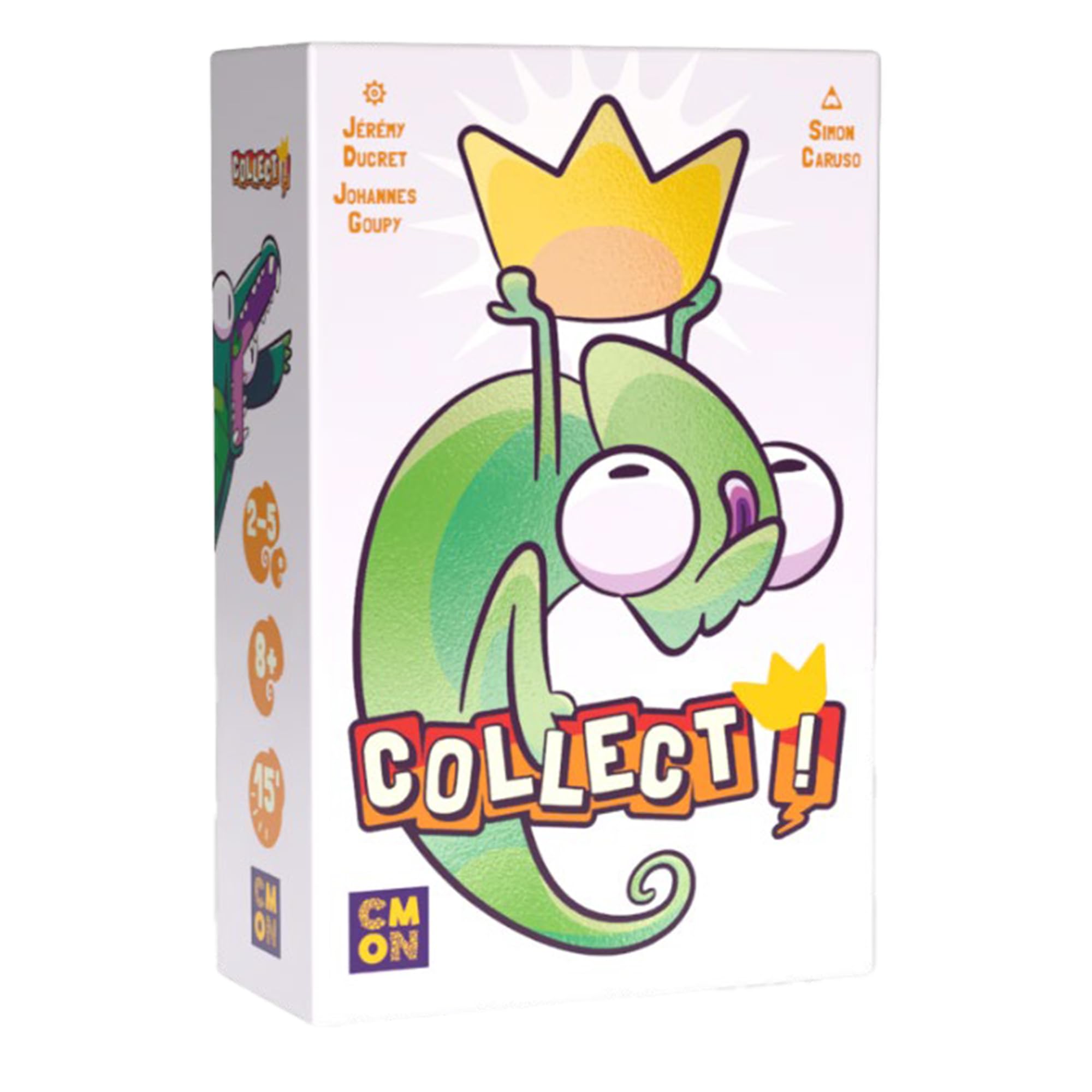
Let’s delve into some of these pivotal animal abilities and their impact on gameplay:
-
The Crocodile: This fearsome reptile embodies the "take that" spirit of Collect!. When a Crocodile is played, its ability allows the player to discard a card from any player’s row, including an opponent’s. This power is incredibly disruptive, capable of shattering an opponent’s carefully constructed adjacent set or removing a key animal they needed for an alternative win condition. The timing of playing a Crocodile can be critical, often leading to dramatic shifts in who is poised to win the round.
-
The Crab: In contrast to the Crocodile’s destructive power, the Crab offers precise manipulation. Its ability allows a player to move any card within a row (their own or an opponent’s) one space left or right. This might seem minor, but in a game where adjacency is paramount, the Crab is a tactical marvel. It can be used to complete one’s own set of four adjacent animals, prevent an opponent from forming theirs, or even set up future plays by repositioning crucial cards. The Crab’s flexibility makes it a valuable asset for both offense and defense.
-
The Monkey: The mischievous Monkey introduces an element of swapping. When played, its ability allows the player to swap the position of a newly placed Monkey card with any other card already in play (either in their own row or an opponent’s). This can be used to instantly create an adjacent set, break an opponent’s grouping, or move a powerful animal ability into a more advantageous position within a row. The Monkey’s ability adds a layer of unpredictable interaction, requiring players to constantly reassess the state of the board.
Beyond these, other animals contribute their unique flair. For instance, an animal might allow you to draw extra cards, peek at future cards, or even protect one of your animals from being discarded. Each animal’s power is designed to be simple to understand but offers a range of tactical applications, providing small yet significant decisions on every turn. The beauty lies in their versatility: an ability can be leveraged for personal gain, such as completing a set or refining one’s row, or deployed as a direct counter-measure against an opponent’s burgeoning collection. This creates a constant ebb and flow of strategic maneuvers and reactive plays, ensuring that no two games of Collect! feel identical.
Beyond the Basic Hunt: Alternative Paths to Victory
One of the most ingenious aspects of Collect! is the introduction of alternative win conditions, primarily facilitated by two specific animal cards: the Lion and the Octopus. These conditions prevent the game from becoming a singular race for four adjacent animals, adding layers of strategic depth, flexibility, and dramatic comeback potential.
-
The Lion (Seven Different Animals): If a player has a Lion card in their row, they can win the round by successfully collecting seven different animal types in their row. This radically shifts a player’s focus from mere adjacency to diversification. Instead of hoarding multiple copies of the same animal, a player with a Lion will actively seek out unique species. This condition is particularly valuable if a player finds themselves struggling to form adjacent sets due to unfavorable draws or aggressive "take that" actions from opponents. It offers a viable alternative strategy, encouraging players to adapt and pursue a broader collection.
-
The Octopus (Three Different Pairs): Similarly, the Octopus card unlocks another path to victory: having three different pairs of animals anywhere in your row. This means a player needs two Crocodiles, two Crabs, and two Monkeys (for example), or any three distinct pairs. Like the Lion, the Octopus provides a safety net or a completely different strategic vector. It allows players to win even if their animals are scattered across their row, as long as they meet the pair requirement. This condition can be particularly sneaky, as opponents might be so focused on preventing adjacent sets that they fail to notice a player quietly accumulating pairs.
These alternative win conditions are not just welcome additions; they are game-changers. During playtests, it’s common for players to be "blindsided" by an opponent who seemed out of contention, only for them to suddenly reveal an Octopus or Lion-fueled victory. This element keeps every player engaged until the very end, as even a seemingly disadvantaged position can transform into a winning one with the right card draw and a clever pivot in strategy. They significantly enhance replayability and encourage players to constantly monitor all potential win states, both their own and their opponents’.
The "Take That" Tango: Interaction and Player Dynamics
The robust interaction, particularly the "take that" elements, forms a significant part of Collect!’s identity. As highlighted by the Crocodile’s ability to discard an opponent’s card, players are not just building their own collections; they are actively dismantling others. This can be a polarizing feature, creating distinct camps among players.
For those who relish direct interaction, strategic disruption, and the thrill of "gotcha" moments, Collect! is an absolute delight. There’s a particular satisfaction in perfectly timing a Crocodile play to prevent an opponent from winning or using a Crab to subtly shift their animals out of alignment. These moments inject a vibrant, sometimes chaotic, energy into the game, fostering laughter, playful accusations, and memorable experiences around the table. Players who enjoy games where they can directly influence (and often hinder) their opponents will find Collect! to be right up their alley.
Conversely, players who prefer solitary optimization, minimal direct conflict, or get easily frustrated by having their plans thwarted might find the "take that" aspect less appealing. The feeling of being on the verge of victory, only to have a crucial animal discarded by an opponent, can be disheartening for some. However, the game’s rapid pace acts as a significant mitigating factor. Since a round of Collect! can conclude in just 15-30 minutes, any frustration from a disrupted plan is typically short-lived. A new round, or even a new game, is just moments away, offering a fresh opportunity to turn the tables. This quick turnaround ensures that even those less fond of direct conflict don’t stew in their frustration for long. The high level of interaction ensures that all players remain invested in what everyone else is doing, rather than simply focusing on their own board.
Luck vs. Strategy: Finding the Balance
Like many card games, Collect! inherently involves an element of luck, primarily through the random draw of cards from the two decks. Sometimes, the perfect card appears; other times, both options are unhelpful. This can lead to moments where a player feels at the mercy of the deck, unable to make significant progress towards their goals.
However, the game designers have thoughtfully incorporated mechanisms to mitigate pure luck and inject player agency. The most prominent is the "take it or leave it" decision for the initial card draw. Players are never entirely forced into taking the first card they see. They have the tactical choice to discard it and try their luck with the other deck. While this second draw is mandatory, the initial choice provides a crucial layer of decision-making that can either confirm a good draw or attempt to rectify a bad one. This mechanism transforms a simple draw into a micro-decision point, where players must weigh the known against the unknown.
Furthermore, the existence of eight different animal abilities and the two alternative win conditions significantly reduces the impact of a single bad draw. If a player isn’t getting the animals they need for an adjacent set, they can pivot towards collecting different animals for a Lion victory or pairs for an Octopus win. The versatile abilities of animals like the Crab or Monkey can also help players recover from unfavorable draws by allowing them to manipulate their existing rows.
Crucially, the game’s short playtime ensures that luck never overstays its welcome. Even if a player experiences a string of bad draws, the round will likely conclude quickly, offering a fresh start and a new chance for better luck in the next game. This rapid cycle prevents individual unlucky moments from defining the entire gaming experience, reinforcing Collect!’s identity as a light, fun, and fast-paced game where strategic adaptation is as important as a lucky draw.
Visual Appeal and Production Quality
A significant contributor to Collect!’s immediate appeal is its delightful, eye-catching artwork. The vibrant illustrations of the various animals are not only aesthetically pleasing but also clear and easily distinguishable, which is crucial for quick identification during gameplay. The art style is inviting and engaging, perfectly complementing the game’s accessible nature and family-friendly target audience. The visual presentation alone helps to draw players in and makes the game feel approachable and fun even before the first card is played.
Beyond the artwork, the production quality, as expected from CMON, is solid. The animal cards are well-made and durable enough to withstand repeated shuffling and handling, which is essential for a game that sees frequent play. The inclusion of three "Half crown tokens" and a "Full crown token" adds a tangible element to tracking victories across multiple rounds, enhancing the overall tactile experience. The rules leaflet is concise and clearly written, adhering to the game’s philosophy of being easy to teach. The overall package is designed for functionality and enjoyment, ensuring that the components contribute positively to the gameplay experience.
Designer Intent: Crafting Accessible Fun
The design ethos behind Collect! by Jérémy Ducret and Johannes Goupy appears to be rooted in the principle of maximum engagement with minimal friction. Their intent was likely to create a game that could serve as an excellent "gateway" experience for newcomers to tabletop gaming, while simultaneously offering enough strategic nuance to keep seasoned players entertained as a light filler. The balance between simple core mechanics and the depth introduced by the animal abilities and alternative win conditions speaks to a thoughtful design process. They seem to have aimed for a game where the "fun" starts almost immediately, unburdened by lengthy setup or rules explanations.
For CMON, publishing Collect! represents a clear move to diversify their market footprint. Known primarily for their more complex, hobbyist-focused games, this title allows them to tap into the lucrative and growing casual and family gaming segments. It suggests a strategic understanding that a broader portfolio, encompassing games of varying complexity and playtimes, strengthens their position in the competitive board game industry. The success of Collect! could pave the way for CMON to explore more accessible titles in the future, appealing to a wider audience than their traditional base.

Collect! in the Family Game Landscape
Collect! carves out a distinct niche within the crowded family and party game landscape. Its blend of quick turns, direct player interaction, and multiple paths to victory positions it as a highly engaging option for diverse groups. It successfully bridges the gap between purely luck-driven children’s games and more complex strategic titles, offering a satisfying experience for players aged 8 to adult.
A pertinent comparison can be drawn with Sea Salt & Paper, another popular card game that shares some thematic and mechanical similarities. Both games feature charming animal artwork, involve set-collection mechanics, and incorporate "gotcha" moments. However, Collect! distinguishes itself with even more straightforward rules. While Sea Salt & Paper introduces nuances in scoring and ending the round, Collect!‘s win conditions, particularly the primary "four adjacent animals," are arguably more immediately intuitive. The direct card manipulation through animal abilities in Collect! also feels more immediate and impactful on a turn-by-turn basis compared to the end-of-round scoring focus of Sea Salt & Paper. For players who appreciate the core concepts of Sea Salt & Paper but desire an even swifter and more directly interactive experience, Collect! presents itself as an excellent next step or an equally compelling alternative. It fits perfectly into a game night as a warm-up, a palate cleanser, or a primary offering for a quick and lively session.
The Verdict: A Worthy Addition?
After a thorough examination of its mechanics, player dynamics, and market positioning, the verdict for Collect! is a resounding "Yes." It unequivocally delivers on its promise of being a fun, fast-paced family game that is incredibly easy to teach. Its straightforward rules are a breath of fresh air, making it an ideal choice for introducing new players to the hobby or for those evenings when a heavy strategic commitment simply isn’t desired.
The game’s strengths lie in its delightful, eye-catching artwork, which immediately draws players into its charming animal world. More importantly, the clever integration of eight unique animal abilities provides unexpected strategic depth and a high degree of player interaction. While the "take that" element might not appeal to every player, it fosters a dynamic and often hilarious atmosphere around the table, ensuring that every turn remains engaging. The inclusion of alternative win conditions via the Lion and Octopus cards is a stroke of genius, offering strategic flexibility and creating memorable comeback opportunities that keep everyone guessing until the very end.
While luck certainly plays a factor in card draws, the game’s rapid playtime and the strategic choices offered by the two-deck system and versatile animal powers effectively mitigate its impact. A bad draw is quickly forgotten in the excitement of the next turn or the next round. Collect! is a game that prioritizes fun and accessibility, and in that, it excels admirably.
Beyond the Box: Potential for Expansion or Community Impact
Given the modular nature of animal abilities, Collect! holds significant potential for future expansions. New animal cards introducing novel abilities or even entirely new win conditions could easily be integrated, adding fresh layers of strategy and replayability without overcomplicating the core rules. Imagine new aquatic creatures with powers that affect the ends of rows, or avian species that allow for card peeking or trading. Such expansions could keep the game fresh for years to come and cater to its growing fanbase.
As a gateway game, Collect! has the power to introduce countless new individuals to the joys of tabletop gaming. Its low entry barrier, coupled with genuine strategic depth, makes it an excellent stepping stone for those curious about the hobby. Its quick play time and engaging interaction also make it a strong candidate for casual game nights, family gatherings, and even as a travel-friendly option. Its positive reception could inspire similar designs that prioritize accessibility without sacrificing depth, contributing to a more diverse and inclusive tabletop gaming community.
Key Game Information at a Glance
- Category: Family & Party
- Designers: Jérémy Ducret, Johannes Goupy
- Publisher: CMON
- Time to Play: 15-30 minutes
- Players: 2-5 Players
- Age: 8+
- RRP: £14
What’s in the Box?
- 64 Animal cards
- 3 Half crown tokens
- Full crown token
- Rules leaflet
Sometimes we may include links to online retailers, from which we might receive a commission if you make a purchase. Affiliate links do not influence editorial coverage and will only be used when covering relevant products.