Breach and Clear: Analyzing the Tactical Ambition of Geronimo in VR
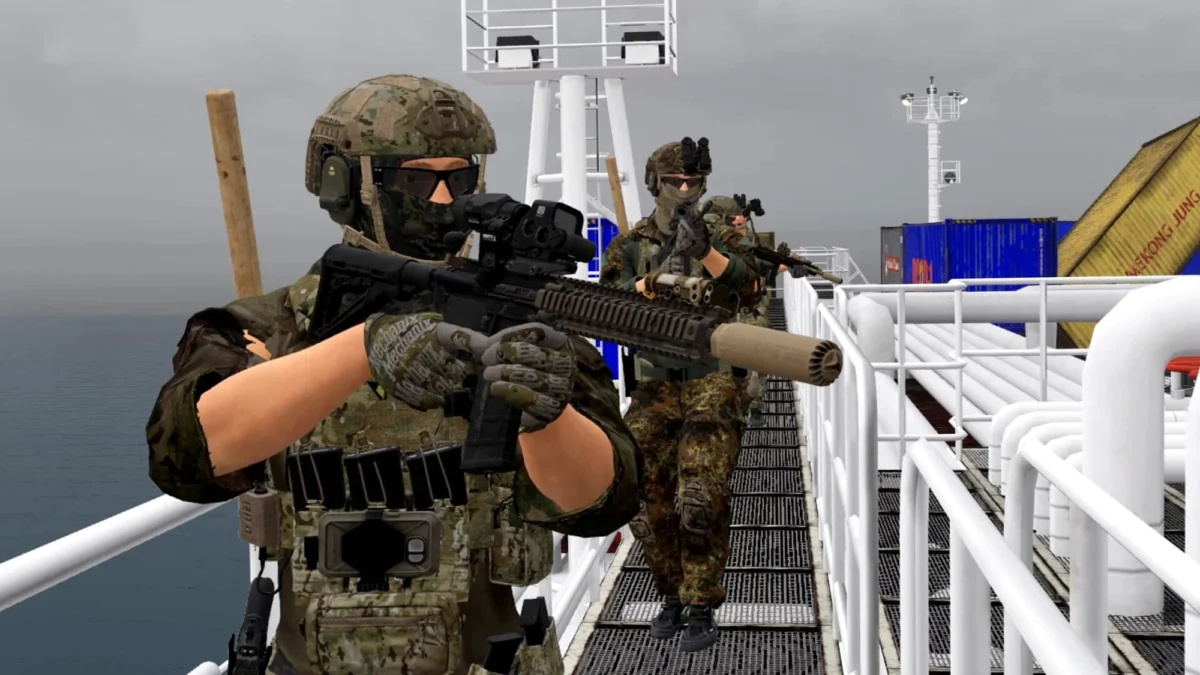
The landscape of tactical shooters is undergoing a radical transformation. While the genre has long been defined by keyboard-and-mouse precision in titles like Rainbow Six or Ready or Not, a new frontier is emerging within the realm of virtual reality. Dark Matter Studios has recently staked its claim in this high-stakes territory with the Steam Early Access release of Geronimo. Designed as an uncompromising, squad-based tactical simulation, Geronimo aims to bridge the gap between hardcore military simulation (milsim) and the visceral immersion that only VR can provide.
As the title navigates the turbulent waters of Early Access, it presents a compelling case study in foundational excellence versus technical refinement. Despite the "jank" often associated with independent VR development, Geronimo manages to capture the granular tension of close-quarters battle (CQB) with a level of authenticity that signals a potential shift in the VR shooter hierarchy.
1. Main Facts: The Foundation of Dark Matter’s Vision
Geronimo enters a market that is increasingly hungry for "hardcore" experiences. Unlike arcade-style shooters that prioritize movement speed and high time-to-kill (TTK), Geronimo is built on the pillars of lethality, environmental interaction, and deliberate pacing.
The Core Premise
The game places players in the boots of elite special operations operators. The primary loop revolves around meticulous planning, equipment selection, and the execution of high-risk missions. Whether played solo or in a six-player cooperative environment, the game emphasizes that the mission is won or lost before the first shot is even fired.
Key Features at Launch:
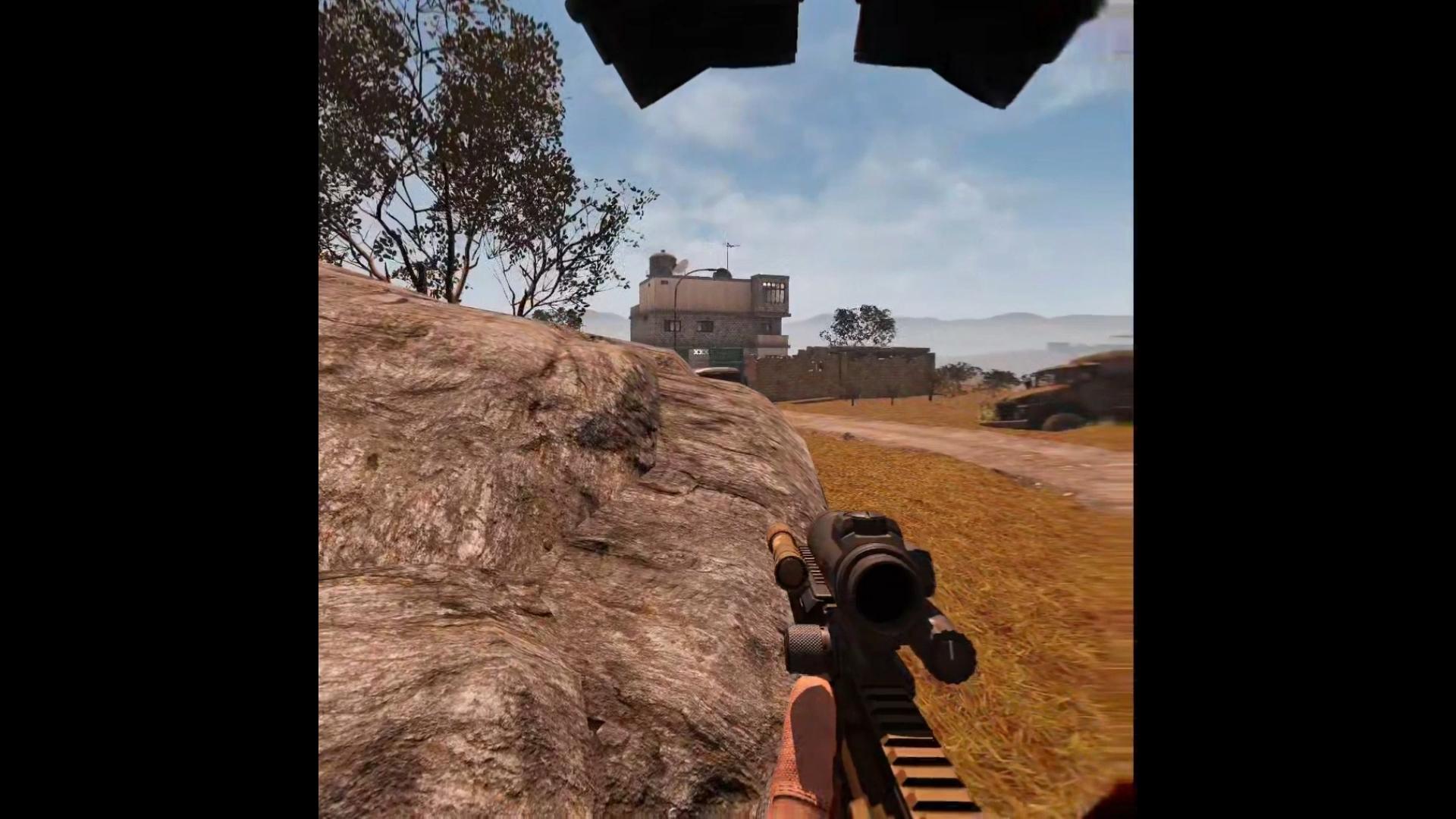
- Physics-Driven Gunplay: A robust collision system ensures that weapons interact realistically with the environment, preventing "clipping" and forcing players to manage their muzzle awareness in tight corridors.
- Dynamic Breaching: A variety of entry methods—ranging from mechanical breaching (sledgehammers, battering rams) to explosive and ballistic methods (breaching shotguns)—allow for diverse tactical approaches.
- High-Stakes Lethality: A "one or two shots" death model with no revive mechanics during active operations, heightening the psychological pressure of every encounter.
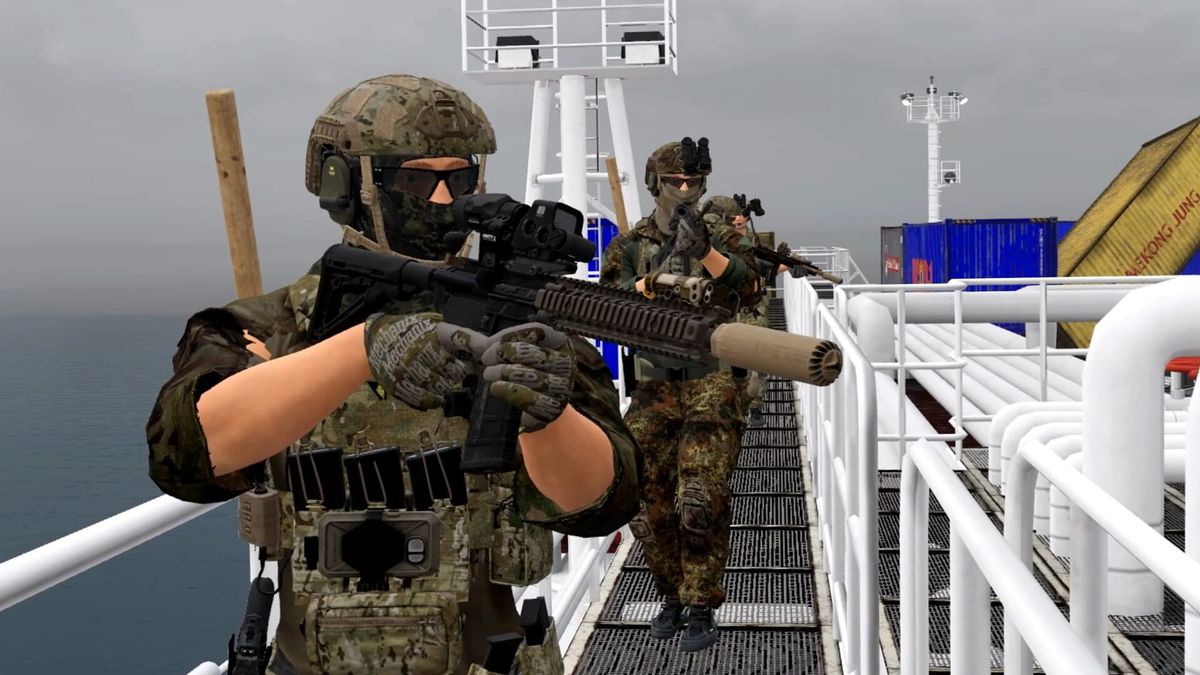
- Diverse Environments: Maps include multi-story residential buildings, intricate tunnel networks, and massive maritime vessels, each requiring distinct tactical shifts.
2. Chronology: From Concept to Early Access Reality
The development of Geronimo has been closely watched by the VR community for several years. Dark Matter Studios positioned the game as a response to the perceived "gamification" of other VR shooters.
- The Announcement Phase: Early teasers focused heavily on the physics of the weapons. The developers promised a "weighty" feel that would discourage the "floaty" gunplay seen in many mobile-to-PC VR ports.
- Community Integration: Throughout its pre-alpha stages, the developers engaged with tactical enthusiasts to refine the "manual of arms" for the various weapon platforms included in the game.
- The Early Access Launch: Upon arriving on Steam, the game was immediately recognized for its "rough-around-the-edges" charm. It launched not as a finished product, but as a proof of concept for its core mechanics.
- The Current State: Today, the game exists as a "living" project. Dark Matter Studios is currently in a cycle of rapid hotfixes, addressing the physics glitches and AI inconsistencies that were highlighted by the initial wave of players.
3. Supporting Data: The Mechanics of Immersion
To understand why Geronimo stands out, one must look at the data of its gameplay systems. The "Gearing Up" phase is not merely cosmetic; it is a functional requirement for success.
Tactical Customization and Loadouts
Players are granted an extensive suite of customization options. This includes:
- Functional Equipment Placement: Players can adjust where magazines, grenades, and tools sit on their plate carriers. This is vital in VR, where "muscle memory" dictates how quickly a player can reach for a flashbang under pressure.
- Specialist Gear: The inclusion of Night Vision Goggles (NVG) and various breaching tools forces squads to designate roles. A team without a dedicated breacher may find themselves funneled into "fatal funnels" (doorways) with no way to create an alternative entry point.
The Physics of the Breach
The breaching mechanic is perhaps the game’s most lauded feature. In many shooters, a "breach" is a canned animation. In Geronimo, it is a physics-based event.

- Sledgehammers and Rams: These require actual physical swinging motions from the player. If the angle is wrong or the force is insufficient, the door remains barred.
- Ballistic Breaching: Using a shotgun to take out hinges requires precise aim.
- The Sound Factor: The game utilizes a sophisticated audio propagation system. A failed breach alert enemies, who will then "stack up" on the other side of the door or begin firing through the wood (wall-banging), utilizing the game’s high-lethality damage model to end the player’s run instantly.
Performance and Technical Metrics
Despite the visual fidelity—aided by impressive lighting and shadow work—performance remains a hurdle. Initial reports indicate that even on high-end hardware (e.g., RTX 3080/4090 equivalents), players often experience frame-time stuttering. Many users report needing to drop settings to "Medium" to maintain the 90Hz or 120Hz refresh rates necessary for a comfortable VR experience. This suggests that while the assets are high-quality, the optimization of the physics engine and AI routines is still in its infancy.
4. Official Responses and Developer Stance
Dark Matter Studios has been transparent about the "work in progress" nature of the title. While they have not released a formal "apology" for the bugs—as the game is explicitly labeled Early Access—their communication through Discord and Steam forums indicates several priority areas:
- AI Consistency: The developers have acknowledged that the enemy AI can oscillate between "super-soldier" accuracy and "catatonic" unresponsiveness. They have stated that the AI is being rebuilt to better utilize the environmental cover and to react more dynamically to sound cues.
- Physics "Jank": Issues with "ghost doors" (doors that appear closed but are physically open) and floating tools are being addressed through a revision of the interaction layer.
- Onboarding: Recognizing that the current tutorial is insufficient for VR newcomers, the studio has hinted at an expanded "Kill House" training course that will teach advanced techniques like "pieing corners" and proper magazine indexing.
5. Implications: The Future of Tactical VR
The emergence of Geronimo has broader implications for the VR industry and the tactical shooter genre at large.
The Shift Toward "Slow" Gameplay
For years, VR shooters were dominated by fast-paced titles like Pavlov or Contractors. Geronimo represents a shift toward "slow" gameplay, where minutes are spent in silence, and seconds are spent in chaotic, lethal action. This mirrors the success of Ready or Not on PC, suggesting that there is a significant market for "stress simulators" rather than just "action games."
The Social Contract of Tactical Gaming
One of the most profound implications of Geronimo is its reliance on human communication. Because there is no "ping" system or HUD-based map, players must use their voices.
- Communication as a Mechanic: Forgetting to call "Frag out!" or "Cross!" (crossing a teammate’s line of fire) results in immediate friendly fire deaths.
- Community Self-Regulation: Because the game is difficult, a culture of mentorship has emerged. Experienced players are frequently seen guiding "blue-on-blue" novices through missions, creating a community bond that is often absent in more competitive, toxic shooters.
The Hardware Barrier
The technical demands of Geronimo highlight a growing divide in the VR market. As the game pushes for realistic lighting and complex physics, it moves further away from being playable on standalone headsets like the Meta Quest 3 without a PC link. This positions Geronimo as a "premium" PCVR experience, catering to the enthusiast market that values fidelity over accessibility.
Conclusion: A Diamond in the Rough
Geronimo is a testament to the power of core mechanics. While it currently suffers from the traditional ailments of Early Access—inconsistent AI, performance bottlenecks, and physics bugs—it succeeds in the one area that matters most: the feel.
The weight of the weapons, the tension of a darkened hallway, and the sheer satisfaction of a perfectly executed room clear provide a foundation that few other VR titles can match. For the tactical enthusiast, the "jank" is a small price to pay for a simulation that treats the player with respect and demands discipline in return. As Dark Matter Studios continues to polish the experience, Geronimo is well-positioned to become the gold standard for tactical counter-terrorism in the virtual space. For now, it remains a thrilling, albeit volatile, glimpse into the future of immersive combat.