"Hello Wizard I Have a Problem" Conjures Laughter with Incompetent Sorcery: A Deep Dive into the Quirky New TTRPG
FOR IMMEDIATE RELEASE
In a realm saturated with stoic heroes and epic quests, a refreshing gust of chaotic magic is sweeping across the tabletop roleplaying game (TRPG) landscape. "Hello Wizard I Have a Problem," a brand-new collaborative TRPG, invites players to step into the hilariously ill-fitting robes of powerful yet utterly incompetent spellcasters. Poised to inject a much-needed dose of absurdist humor and improvisational delight into game nights, this innovative title, spearheaded by designer Sam Armstrong and artist Evlyn Moreau, recently concluded a successful crowdfunding campaign, signaling its imminent arrival to eager players worldwide.
Main Facts: The Unveiling of a Magical Mishap
"Hello Wizard I Have a Problem" is an upcoming tabletop roleplaying game designed for any number of players, offering a unique narrative experience centered around a band of chaotic wizards whose magical endeavors invariably go awry. Unlike traditional TRPGs that often emphasize heroic competence and strategic prowess, this game revels in the comedic potential of failure, drawing inspiration from celebrated absurdist comedies such as the works of Monty Python, The Mighty Boosh, and the mockumentary stylings of "What We Do in the Shadows."
At its core, the game features an innovative, player-driven system where the roles of player character and game master are shared and rotated among the group. Each scene sees a single player taking the spotlight as their wizard, attempting to impress their peers with grand magical feats. The twist, however, lies in the collective role of the other players, who act as a communal GM, dictating how these ambitious spells inevitably cascade into comical disaster. This collaborative sabotage is facilitated by a unique "Problem Generator" included in the rulebook, boasting over 200,000 potential prompts for spell-gone-wrong scenarios, ensuring endless replayability and unpredictable fun.
The game is the brainchild of Sam Armstrong, a prolific indie TRPG designer known for his diverse portfolio, including the fantasy TRPG "All Bastard" and the horror game "Slasher." Armstrong’s vision for "Hello Wizard" is brought to life by the distinctive artwork of illustrator Evlyn Moreau, whose previous contributions to titles like "Liminal High School" suggest a perfect aesthetic fit for this whimsical, chaotic world. The game’s straightforward rules and quick setup promise accessibility for both seasoned roleplayers and newcomers, aiming to foster an environment of creative improvisation and shared laughter.
Following a highly anticipated Kickstarter campaign that garnered significant support, "Hello Wizard I Have a Problem" is slated for a physical release in June, with a digital PDF version also available, making it an accessible and exciting addition to the burgeoning indie TRPG scene.
The Genesis of Chaotic Magic: A Closer Look at the Game’s Core
"Hello Wizard I Have a Problem" isn’t merely another fantasy game; it’s a statement on the inherent humor of imperfection and the collaborative joy of storytelling. It actively subverts conventional TRPG tropes, inviting players to embrace the spectacle of magical incompetence rather than striving for flawless execution. This foundational premise is what sets it apart, promising a fresh, lighthearted experience for those seeking a departure from more serious, rules-heavy adventures.
Embracing Incompetence: A Fresh Take on Fantasy RPGs
In the vast tapestry of tabletop roleplaying games, the archetypal wizard is often depicted as a figure of immense intellect, arcane mastery, and formidable power. From the meticulous spellcasting of a Dungeons & Dragons archmage to the reality-bending feats of a Mage: The Ascension adept, competence is typically the cornerstone of a spellcaster’s identity. "Hello Wizard I Have a Problem" boldly flips this script, positing a world where power is abundant, but precision, foresight, and common sense are conspicuously absent. Players are not just powerful; they are powerfully incompetent.
This deliberate embrace of magical ineptitude serves as the game’s primary comedic engine. Imagine a wizard attempting to conjure a refreshing beverage, only to accidentally summon a deluge of sentient jelly, or a teleportation spell intended for a short hop across a chasm instead depositing the caster into a dragon’s nest – and then the dragon’s stomach. The humor stems from the dramatic irony and the escalating absurdity of these situations. It’s a game where the journey of failure is far more entertaining than any successful outcome, fostering a unique brand of character-driven comedy.
The influences cited by the creators – Monty Python, The Mighty Boosh, and "What We Do in the Shadows" – are crucial for understanding the game’s intended tone. Monty Python’s sketches are legendary for their surreal humor, non-sequiturs, and rapid-fire absurdity, often building to chaotic climaxes. The Mighty Boosh, with its neo-gothic, surrealist humor and fantastical scenarios, shares this love for the bizarre and the unexpected. "What We Do in the Shadows," both the film and the television series, masterfully blends supernatural elements with mundane, relatable problems, creating comedy through the juxtaposition of the extraordinary and the utterly pathetic. "Hello Wizard" appears to distill these elements into a tabletop experience, prioritizing rapid scenes, character-focused mishaps, and a constant undercurrent of the strange and unexpected. The joy isn’t just in the magic, but in the glorious, unpredictable ways it can spectacularly backfire.
Collaborative Chaos: The Innovative GM-less (or GM-shared) System
One of the most compelling innovations in "Hello Wizard I Have a Problem" is its departure from the traditional single-Game Master model. Instead, the game employs a fluid, collaborative system where players take turns stepping into the dual roles of active player character and collective Game Master. This mechanic is not just a novelty; it’s fundamental to the game’s comedic and improvisational heart.
When a player assumes the role of the active spellcaster, their goal is simple: describe the grand, impressive spell their wizard is attempting to cast, aiming to "impress their fellow sorcerers." This setup immediately creates a meta-narrative layer, as players are not just telling a story, but also performing for each other, enhancing the game’s inherent theatricality. The true genius, however, lies in what happens next. The other players, collectively, become the Game Master for that scene. Their task is to decide how the active player’s magnificent spell goes wrong. This dynamic ensures that no single player bears the full burden of world-building and narrative direction, distributing creative load and surprising the active player with unforeseen consequences.
This GM-shared model offers several significant benefits. Firstly, it democratizes the storytelling process, ensuring that every player has agency in shaping the narrative’s direction and comedic beats. Secondly, it fosters a heightened sense of surprise and spontaneity. The active player, having meticulously crafted their spell, is genuinely caught off guard by the collective GM’s interpretation of its failure, leading to more organic and often funnier reactions. Thirdly, it reduces the barrier to entry for new players or those intimidated by the extensive preparation often required of a traditional GM. Everyone contributes, everyone laughs, and no one person is solely responsible for carrying the narrative weight.
The objective of "impressing their fellow sorcerers" and the eventual tallying of "points" – described as a "loose improv system" – speaks to the game’s emphasis on performance and creative contribution over strict rules adherence. These "points" likely aren’t about numerical victory in a competitive sense, but rather a playful acknowledgment of who contributed the most memorable, hilarious, or dramatically impactful magical mishap. It reinforces the idea that the game’s true reward is the shared experience of creative chaos and the laughter it generates.
The Crafting of Calamity: Design and Artistic Vision
The success of a narrative-driven TRPG like "Hello Wizard I Have a Problem" hinges not only on its core mechanics but also on the tools it provides to facilitate emergent storytelling and the aesthetic world it builds. From its unique "Problem Generator" to its accessible rulebook and distinctive artwork, every element is meticulously designed to enhance the experience of magical mayhem.
The Problem Generator: Fueling Unpredictable Spells
A central pillar of "Hello Wizard I Have a Problem" is its "Problem Generator," a tool embedded within the rulebook designed to inspire the collective GM players in crafting disastrous outcomes for spells. The creators boast that this generator is capable of producing "over 200,000" unique prompts for potential magical mishaps. This astounding figure is not merely a marketing gimmick; it’s a testament to the game’s commitment to replayability and spontaneous creativity.
In practice, such a generator likely functions through a system of tables, keywords, or interconnected concepts that, when combined, create a specific scenario of failure. For example, a player might roll on a table for the type of magical backfire (e.g., "uncontrolled elemental release," "sentient object manifestation," "personal transformation"), then on another table for the target or scope of the failure (e.g., "affects only the caster," "affects the entire room," "affects the nearest livestock"), and perhaps a third for a specific quirk or complication (e.g., "the effect is permanent," "the effect is musical," "the effect requires a specific ritual to undo"). The combinatorial possibilities quickly explode, ensuring that even after dozens of sessions, players will rarely encounter the exact same problem twice.
This structured randomness is vital for an improvisational game. While players are encouraged to be creative, a well-designed generator acts as a springboard, providing unexpected twists that challenge players to adapt and build upon the new, chaotic reality. It prevents creative fatigue and ensures that the "GM" players aren’t always forced to come up with completely novel ideas from scratch, instead offering inspiring prompts that can be interpreted and elaborated upon. The Problem Generator, therefore, is not just a mechanism for failure, but a powerful catalyst for narrative invention and comedic escalation.
Accessibility and Augmentation: Rules for Every Wizard
Beyond its innovative mechanics, "Hello Wizard I Have a Problem" places a strong emphasis on player accessibility. The rules system is described as "very straightforward and intended to be easy for players to learn," with setup designed to be "quick and easy." This focus on a low barrier to entry is particularly significant for a game that relies heavily on improvisation and collaborative storytelling. Complex rulesets can often stifle creativity and make it difficult for new players to jump in without feeling overwhelmed. By streamlining the core mechanics, "Hello Wizard" ensures that the focus remains squarely on the narrative, the characters, and the comedic interactions.
The promise of a quick setup is equally important. In a world where many TRPG sessions require hours of preparation and explanation, the ability to jump into a game with minimal fuss is a major selling point. This suggests that the game’s core loop – active player casts a spell, collective GM makes it go wrong, repeat – is intuitive and easily grasped, allowing groups to spend less time on logistics and more time on shared storytelling.
Furthermore, the rulebook will contain "advice and optional rules" to augment playthroughs. This thoughtful inclusion caters to a diverse player base. The advice will likely guide players on how to lean into the game’s comedic tone, how to effectively collaborate as a collective GM, and how to maximize the fun of magical mishaps. The optional rules could offer ways to introduce more structure, add complexity, or tailor the experience to specific group preferences, allowing the game to evolve with a group’s familiarity and desires. This flexibility ensures that "Hello Wizard" can appeal to both casual players looking for a quick laugh and more dedicated groups seeking a deeper, albeit still hilarious, narrative experience.
Visualizing the Absurd: Evlyn Moreau’s Artistic Contribution
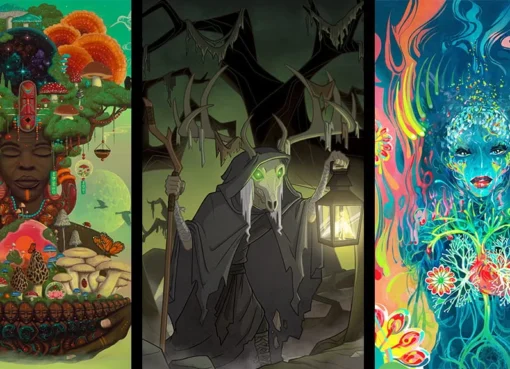
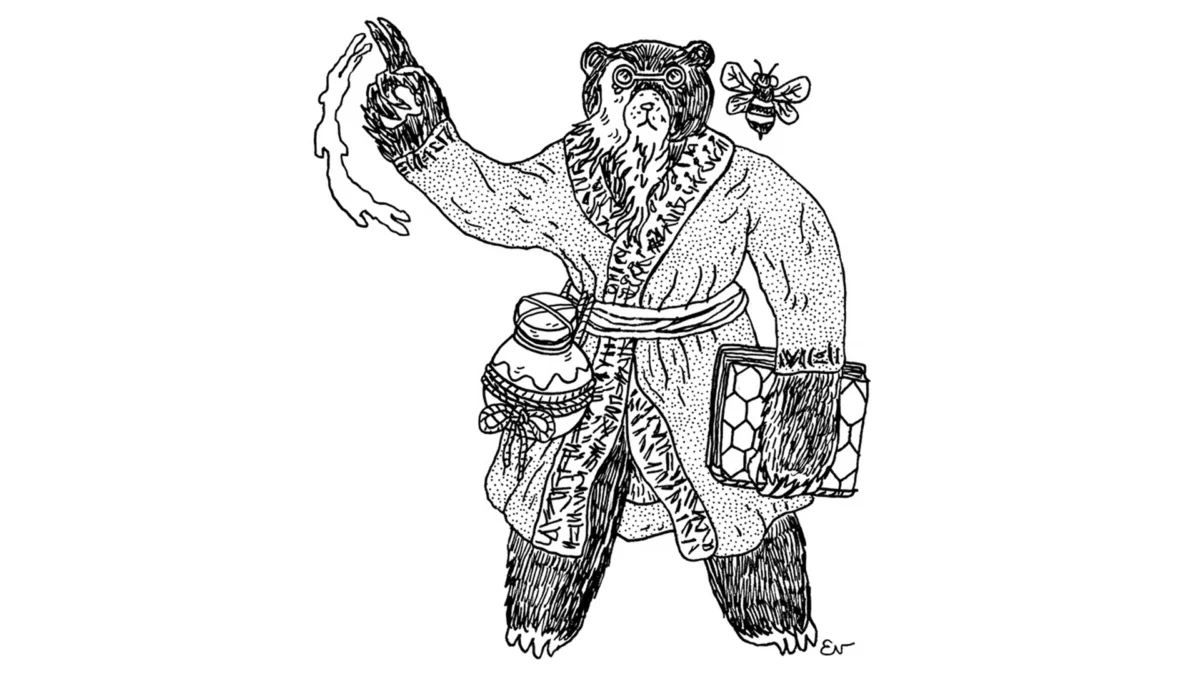
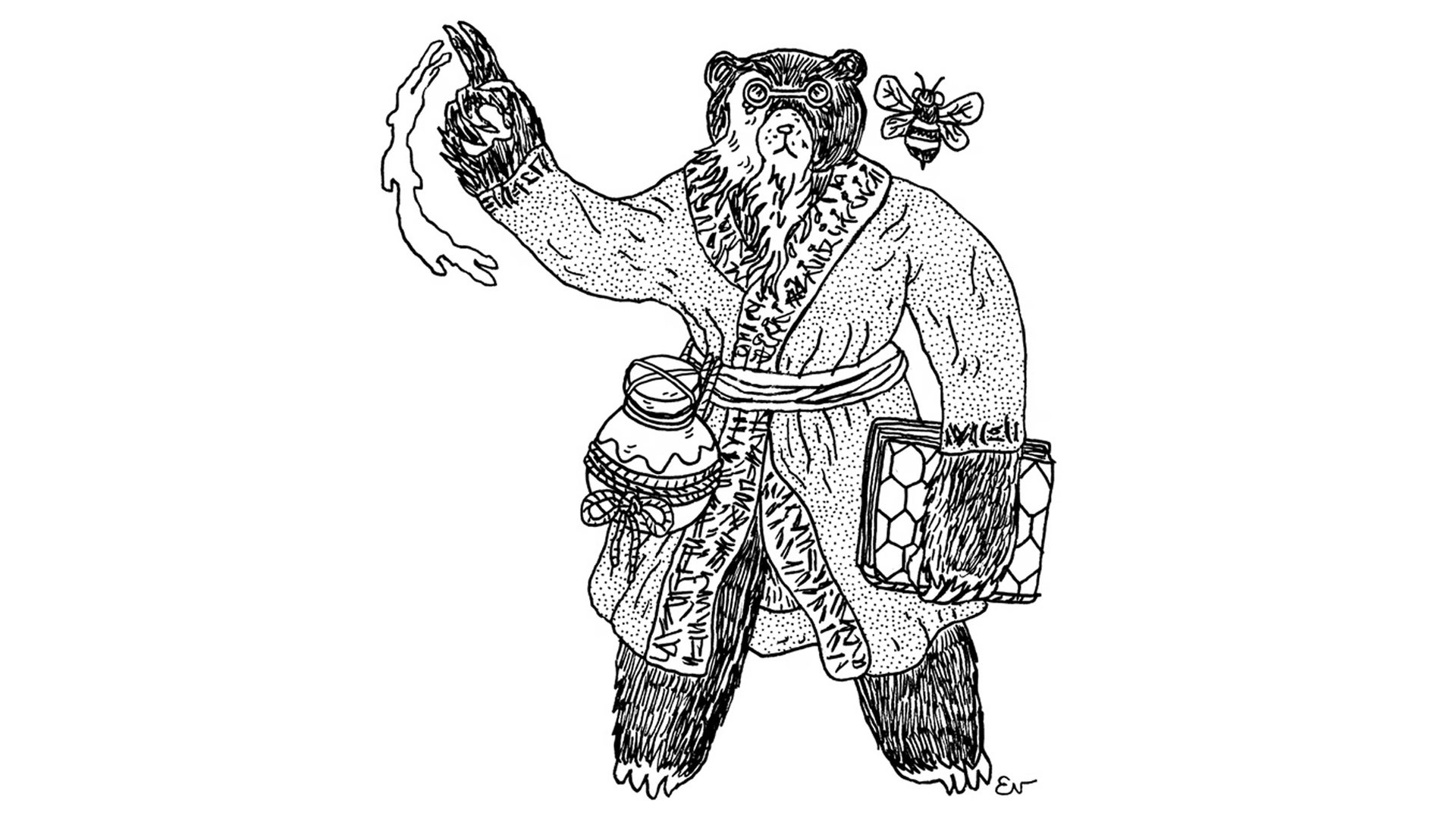
The visual identity of a game is paramount in setting its tone and drawing players into its world. For "Hello Wizard I Have a Problem," the artwork of Evlyn Moreau is critical in translating the game’s unique blend of power and incompetence into a cohesive aesthetic. Based on the provided images, Moreau’s style appears to be perfectly suited for the whimsical and chaotic nature of the game.
The artwork (e.g., "artwork-2.png" and "artwork.png") seems to evoke a fantastical, yet slightly off-kilter world. While specific details cannot be fully analyzed without direct access to the art, the overall impression from the thumbnails suggests a style that is both expressive and capable of conveying humor. Moreau’s illustrations likely contribute to the game’s absurdist charm, perhaps featuring characters with exaggerated expressions, dynamic poses indicative of magical mishaps, or fantastical creatures rendered with a touch of the bizarre. The art needs to be able to communicate the inherent comedy of a powerful spell going wrong without resorting to outright ugliness or fear; it needs to be funny failure, not tragic failure.
Moreau’s previous work on RPGs like "Liminal High School" indicates an artist comfortable with creating evocative visuals for unconventional settings. "Liminal High School" likely required a blend of the mundane and the supernatural, a knack for which would translate well to "Hello Wizard’s" world of powerful wizards facing everyday (or extraordinary) magical bungles. Her ability to craft engaging visuals for unique narratives will undoubtedly play a significant role in establishing the immersive, comedic atmosphere of "Hello Wizard I Have a Problem," making the fantastical failures all the more delightful.
The Arcane Architect: Sam Armstrong’s Design Philosophy
The creative force behind "Hello Wizard I Have a Problem" is Sam Armstrong, a tabletop RPG designer whose burgeoning portfolio demonstrates a clear penchant for innovative mechanics and distinctive narrative themes. His work on "Hello Wizard" is not an isolated experiment but rather fits within a pattern of designing games that challenge conventional expectations and offer unique player experiences.
From Bragging Heroes to Horrific Slashers: Armstrong’s Diverse Portfolio
Sam Armstrong’s prior projects offer valuable insight into his design philosophy and the creative trajectory that led to "Hello Wizard I Have a Problem." His earlier titles, "All Bastard" and "Slasher," showcase a remarkable breadth of thematic exploration and mechanical ingenuity.
"All Bastard" is described as a fantasy TRPG where players adopt the roles of either "a band of bragging heroes or the bastards they defeated." This premise alone suggests Armstrong’s interest in narrative inversion and exploring different perspectives within a familiar genre. By allowing players to embody the "villains" or the often-ignored consequences of heroic action, "All Bastard" likely delves into themes of reputation, perception, and the messy realities behind grand narratives. This willingness to explore unconventional character roles and narrative structures is a clear precursor to "Hello Wizard’s" focus on incompetent protagonists and collaborative storytelling. Both games prioritize a unique angle on established fantasy tropes, inviting players to engage with the genre in a fresh, often humorous, way.
On the other end of the spectrum is "Slasher," a horror roleplaying game. While seemingly a stark contrast to the comedic fantasy of "Hello Wizard," "Slasher" likely demonstrates Armstrong’s mastery of tone and atmosphere, as well as his ability to craft mechanics that serve a specific genre experience. Designing for horror often requires careful pacing, tension building, and mechanics that emphasize vulnerability and difficult choices. The fact that Armstrong can effectively design for both horror and absurdist comedy speaks volumes about his versatility as a game designer and his capacity to tailor mechanics to suit a desired emotional or narrative outcome. It highlights a designer who is not afraid to experiment with genre and who possesses the skills to execute diverse visions.
A Pattern of Innovation in Indie TTRPGs
Sam Armstrong’s body of work, particularly "Hello Wizard I Have a Problem," positions him as a significant voice within the broader indie TTRPG scene. This sector of the industry is characterized by its willingness to innovate, experiment with mechanics, and explore niche themes that larger publishers might overlook. "Hello Wizard," with its GM-shared system, focus on comedic incompetence, and narrative-first approach, perfectly encapsulates several prevailing trends in indie TRPG design.
There’s a growing appetite for narrative-focused games that prioritize story and character interaction over complex combat systems or intricate rulebooks. Similarly, GM-less or GM-light systems are gaining traction, appealing to groups where no one wants the full burden of game mastering, or who simply enjoy the dynamic surprise of shared narrative control. "Hello Wizard" effectively taps into these desires, offering a streamlined, accessible, and highly creative experience.

Armstrong’s work reflects a designer who understands how to leverage simple mechanics to create profound narrative depth and engagement, whether that depth is terrifying (as in "Slasher") or uproariously funny (as in "Hello Wizard"). His continued exploration of unique player roles and collaborative storytelling models establishes him as an innovator, contributing significantly to the rich and diverse ecosystem of modern tabletop roleplaying games.
Funding the Folly: The Kickstarter Campaign and Future Prospects
The journey from a designer’s vision to a tangible game often relies on the support of a dedicated community, and "Hello Wizard I Have a Problem" found precisely that through its crowdfunding campaign. The success of its Kickstarter not only validates the game’s unique concept but also secures its future availability to players.
A Race Against the Clock: Campaign Details and Backer Tiers
The crowdfunding campaign for "Hello Wizard I Have a Problem" on Kickstarter recently concluded, having successfully reached and likely surpassed its funding goals. The original article mentioned the campaign was active "until later this afternoon," indicating a final push for backers. This period of intense activity is crucial for Kickstarter projects, often seeing a surge in pledges as the deadline approaches.
The campaign offered several appealing tiers designed to make the game accessible to a wide audience. For those eager to get their hands on a physical copy of the rulebook, a pledge of £8 (approximately $10 USD) secured a printed edition, with delivery anticipated in June. This price point is remarkably affordable for a physical TRPG rulebook, making it an attractive option for many. For players who prefer digital access or a more budget-friendly option, a PDF version of the game was available for just £4 (approximately $5 USD). These flexible tiers likely contributed significantly to the campaign’s success, catering to different preferences and financial capacities. The rapid conclusion of the campaign with strong support underscores the immediate appeal of "Hello Wizard’s" premise and Armstrong’s reputation.
Post-Campaign Distribution and Accessibility
The successful completion of the Kickstarter campaign marks the beginning of the next phase: production and distribution. While physical copies are slated for delivery in June, backers of the PDF tier likely received their digital versions much sooner, allowing them to jump into the chaotic magic almost immediately.
Beyond the Kickstarter, the article notes the potential for "Hello Wizard I Have a Problem" to be made available on Sam Armstrong’s Itch.io page. Itch.io has become a vital platform for independent game developers, particularly in the TRPG space. It provides a storefront and community hub that allows creators to sell digital and sometimes physical copies of their games directly to players, often with a more creator-friendly revenue share than other platforms. Its presence on Itch.io would ensure continued accessibility for players who missed the Kickstarter, providing a permanent home for the game and allowing Armstrong to continue selling it long-term. This distribution strategy is common among indie TRPG designers, fostering a direct relationship with their audience and supporting the continued growth of the independent scene. The combination of a successful crowdfunding launch and ongoing digital distribution ensures "Hello Wizard" will reach a broad and enthusiastic player base.
Implications for the Tabletop RPG Landscape
"Hello Wizard I Have a Problem" is more than just a new game; it’s a reflection of evolving trends within the tabletop RPG community and a potential harbinger of future design philosophies. Its unique approach to gameplay, humor, and accessibility carries significant implications for how we perceive and engage with TRPGs.
The Growing Appeal of Narrative-Driven and Comedic RPGs
For decades, the TRPG landscape was largely dominated by combat-heavy, dungeon-crawling adventures, epitomized by early editions of Dungeons & Dragons. While these remain incredibly popular, there has been a noticeable shift in recent years towards narrative-driven games that prioritize storytelling, character development, and emotional engagement over intricate tactical combat. "Hello Wizard I Have a Problem" fits perfectly into this evolving trend, but with a specific comedic twist.
The game’s emphasis on collaborative storytelling and improvisational humor speaks to a desire among players for lighter, less strenuous experiences. Not every game night needs to be an epic, world-saving saga. Sometimes, the most memorable sessions are those filled with laughter, unexpected character moments, and absurd situations. "Hello Wizard" directly caters to this niche, providing a framework for pure comedic entertainment. It contrasts sharply with "crunchier" systems that require extensive rules mastery and strategic planning, instead offering a free-flowing, character-centric experience where the fun is in the journey of failure itself. This growing appreciation for comedic and narrative-focused games suggests a maturing market that values diverse play experiences and welcomes innovation beyond traditional genre boundaries.
Fostering Creativity and Accessibility in Play
The design principles of "Hello Wizard I Have a Problem" inherently foster creativity and enhance accessibility within tabletop gaming. By removing the traditional burden of a single Game Master and distributing narrative control among all players, the game significantly lowers the barrier to entry. New players, who might be intimidated by the prospect of running a complex campaign, can easily participate in the shared GM role, contributing ideas and reacting to the unfolding chaos without needing extensive preparation. This model also encourages more players to step out of their comfort zones and engage actively in shaping the story, transforming passive participants into active co-creators.
The improvisational nature, coupled with the "Problem Generator," serves as a powerful catalyst for creative thinking. Players are constantly challenged to think on their feet, build upon unexpected outcomes, and weave a cohesive, albeit chaotic, narrative together. This dynamic process hones storytelling skills, encourages imaginative problem-solving (or problem-creating), and strengthens the collaborative bonds within a gaming group. The game’s straightforward rules and quick setup further ensure that the focus remains on creative expression rather than mechanical minutiae, making it an ideal choice for casual gatherings, one-shot sessions, or as an introduction to the broader world of TRPGs for newcomers.
A Beacon for Indie Developers
The success of "Hello Wizard I Have a Problem" on Kickstarter serves as an inspiring example for other independent game developers. It demonstrates that niche concepts, when executed with passion and a clear vision, can find a dedicated audience. In an industry often dominated by established franchises, indie titles like "Hello Wizard" prove that there is ample room for experimentation, innovation, and unique voices.
Sam Armstrong’s ability to consistently produce distinct and engaging TRPGs, from horror to comedic fantasy, highlights the vibrant creativity thriving within the indie scene. His work, along with that of artists like Evlyn Moreau, showcases how independent creators can leverage crowdfunding and platforms like Itch.io to bring their imaginative projects to life and connect directly with a global community of players. "Hello Wizard" stands as a testament to the power of original ideas and community support in shaping the future of tabletop gaming, encouraging other designers to explore unconventional themes and mechanics, pushing the boundaries of what a TRPG can be.
Conclusion: A Magical Mishap Worth Experiencing
"Hello Wizard I Have a Problem" emerges as a standout title in the contemporary tabletop RPG scene, offering a refreshing antidote to more serious or complex games. Its core premise of powerful yet spectacularly incompetent spellcasters, combined with an innovative collaborative GM-shared system and a hilarious "Problem Generator," promises an experience rich in laughter, improvisational delight, and shared storytelling.
Sam Armstrong’s distinctive design philosophy, brought to life by Evlyn Moreau’s charming artwork, has crafted a game that is not only accessible and easy to learn but also deeply engaging and endlessly replayable. As the game makes its way to players’ tables following a successful crowdfunding campaign, it stands ready to carve out a unique niche, appealing to fans of absurdist humor and anyone looking for a genuinely fun, low-pressure RPG experience. "Hello Wizard I Have a Problem" isn’t just a game about magic gone wrong; it’s about the magic of shared laughter and the joy of embracing glorious, chaotic failure. Prepare your spellbooks, wizards – and brace yourselves for the inevitable, hilarious consequences.