Beyond Gaming: The Evolution of Immersive Cinema on Apple Vision Pro and Meta Quest
The perception of Virtual Reality (VR) is undergoing a fundamental shift. For years, the medium was pigeonholed as a niche playground for hardcore gamers. However, with the launch of the Apple Vision Pro and the continued refinement of the Meta Quest ecosystem, a new frontier of "Immersive Cinema" has emerged. This medium transcends traditional filmmaking by offering depth, presence, and spatial storytelling that a flat-screen television—no matter how large—simply cannot replicate.
As the hardware matures, the question for many users has shifted from "What games can I play?" to "What can I actually watch?" This guide explores the current state of immersive media, the technical milestones achieved by industry leaders, and the definitive list of titles that prove VR is the future of narrative entertainment.
The Main Facts: A New Era of Spatial Storytelling
The current VR video landscape is defined by three distinct formats, each offering a different level of engagement:
- Apple Immersive Video (Spatial Video): Utilizing 180-degree 3D 8K footage combined with Spatial Audio, this is currently the gold standard for visual fidelity. It is exclusive to the Apple Vision Pro and focuses on hyper-realism.
- Interactive VR Narratives: Found primarily on the Meta Quest and PC VR (SteamVR), these experiences use real-time game engines. They allow the viewer to walk around the scene or interact with characters, blurring the line between a movie and a play.
- 3D Cinematic Content: Traditional Hollywood blockbusters (like Avatar or Dune) viewed on a virtual massive screen. While not "immersive" in the sense of being inside the scene, VR headsets provide the highest-quality 3D experience available to consumers today.
The hardware divide is clear: Meta Quest remains the king of accessibility and interactive storytelling, while the Apple Vision Pro has claimed the throne for premium, high-bitrate cinematic experiences.
Chronology: From 360-Degree Clips to Scripted Masterpieces
The journey of VR film began roughly a decade ago with grainy, low-resolution 360-degree videos that often left viewers nauseous. Early pioneers like Baobab Studios and Oculus Studios began experimenting with short animations such as Invasion! (2016), which proved that viewers could form emotional bonds with characters in a virtual space.
By 2019, the medium matured with documentaries like Traveling While Black and Space Explorers: The ISS Experience, which utilized professional-grade camera rigs to capture reality in a way that felt immediate and urgent.
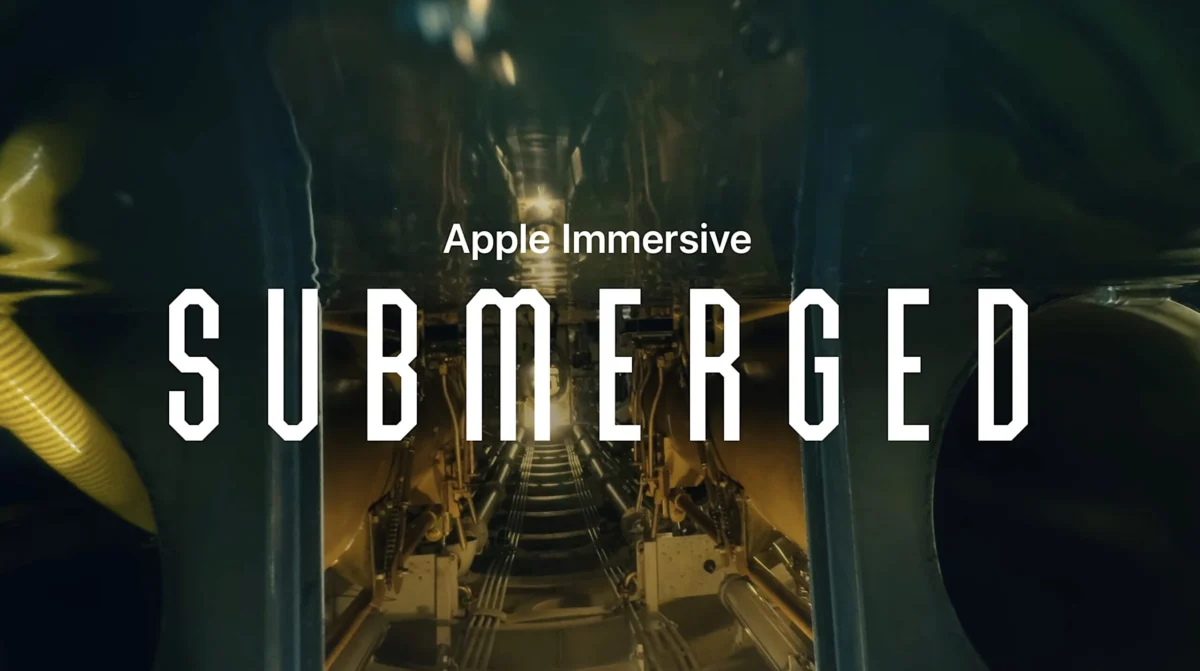
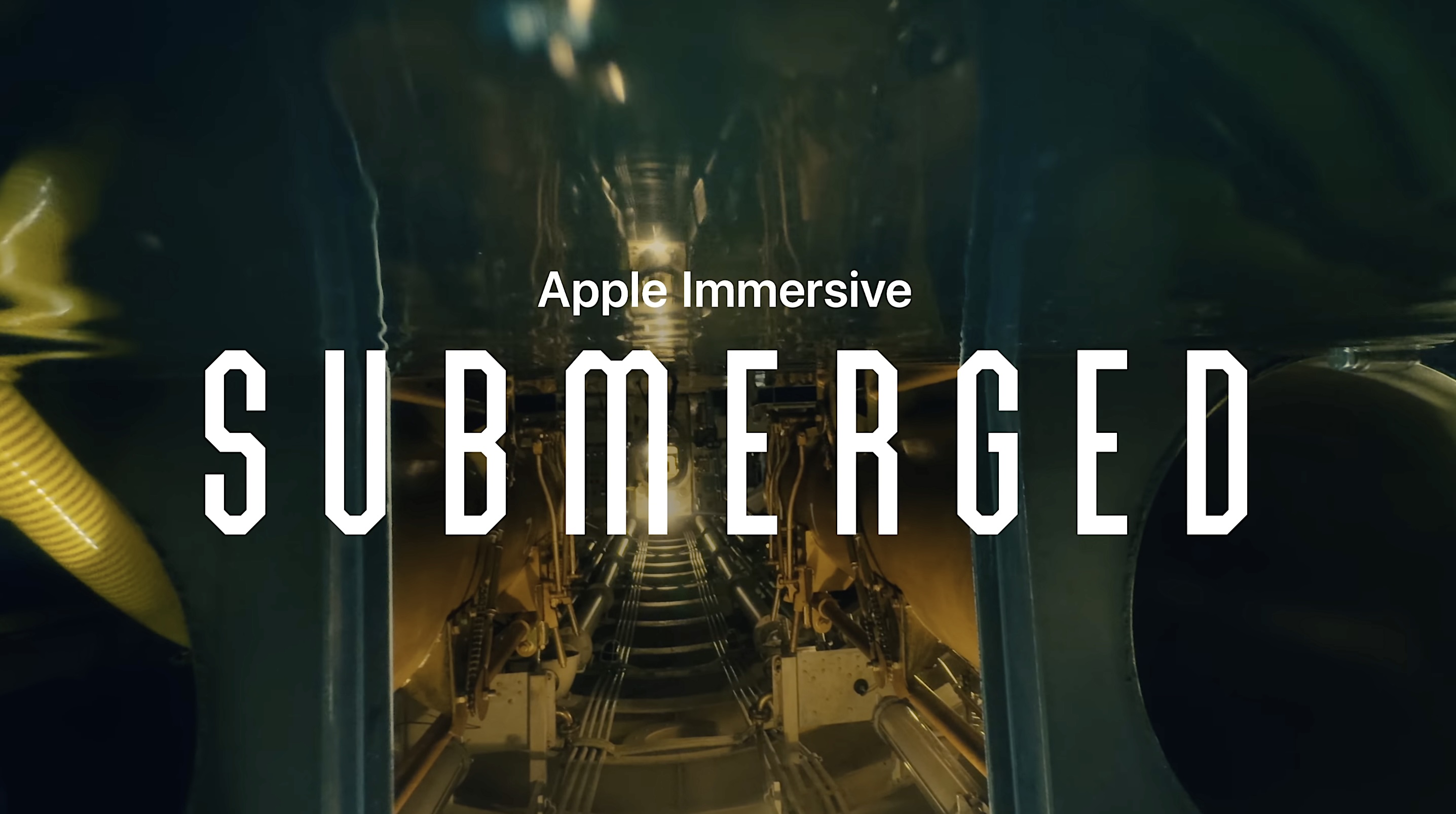
The most recent milestone occurred in late 2024 with the release of Submerged on the Apple Vision Pro. As the first scripted short film shot specifically for Apple Immersive Video, it signaled the entry of high-budget, "Hollywood-style" production values into the spatial medium. Directed by Academy Award winner Edward Berger, Submerged represents a pivot from experimental tech demos to legitimate narrative cinema.
Supporting Data: The Definitive Watchlist
To understand the breadth of this medium, one must look at the titles that utilize the technology to enhance the story, rather than just using it as a gimmick.
1. Scripted Thrillers and Dramas
- Submerged (Apple Vision Pro): This WWII submarine thriller is the current benchmark for immersive fiction. The "cramped" nature of a submarine is perfect for VR; the proximity of the crew and the tactile nature of the metal walls create a sense of claustrophobia that a flat screen cannot convey.
- Madrid Noir (Meta Quest, SteamVR): A 45-minute mystery that feels like an interactive stage play. It uses a stylized, "film noir" aesthetic to guide the viewer’s eye through 1930s Madrid.
2. Documentaries and Educational Presence
- Space Explorers: The ISS Experience (Meta Quest): Produced by Felix & Paul Studios, this is the most ambitious documentary ever filmed in space. It provides a "god-eye view" of Earth and an intimate look at life aboard the International Space Station.
- Traveling While Black (Meta Quest): Directed by Roger Ross Williams, this documentary uses the intimacy of VR to place the viewer in a booth at Ben’s Chili Bowl in D.C., listening to stories of the restricted movement of Black Americans. The sense of "sitting at the table" is a powerful tool for empathy.
- Notes on Blindness VR (Meta Quest, PC VR): An abstract, emotional journey that uses binaural audio and minimalist visuals to simulate the experience of losing one’s sight.
3. Interactive Animation
- Wolves in the Walls (Meta Quest): Based on the work of Neil Gaiman, this title is famous for its character AI. The protagonist, Lucy, acknowledges the viewer’s presence, hands them objects, and looks them in the eye, creating a groundbreaking sense of "co-presence."
- The Line (Meta Quest): A winner of a Primetime Emmy, this is a short, narrated story about two dolls in a miniature world. It is the perfect "first-time" VR experience for non-gamers.
4. Premium Music and Performance
- Alicia Keys: Rehearsal Room (Apple Vision Pro): This is not a concert film; it is a private session. The spatial audio allows you to hear the piano as if you are standing next to it, providing a level of intimacy previously impossible in recorded media.
- The Weeknd: Open Hearts (Apple Vision Pro): A surrealist, cinematic music video that uses 3D space to create a dream-like environment that moves around the viewer.
Technical Analysis: Why Some Content Fails
A common complaint among new VR users (as noted in the original article regarding the author’s mother) is that many videos look "blurry" or "unimpressive." There are several technical reasons for this:
- Resolution vs. Field of View: A 4K video stretched over 360 degrees results in very low pixel density. For a video to look "retina-quality" in a headset, it generally needs to be 8K or higher.
- Monoscopic vs. Stereoscopic: Many YouTube VR videos are "flat" (monoscopic). True immersion requires "stereoscopic" (3D) video, where each eye receives a slightly different image to create depth.
- Bitrate Constraints: Streaming platforms like Netflix and YouTube often compress video to save bandwidth. In VR, compression artifacts (pixelation) are magnified because the screen is inches from your eyes. This is why Apple’s locally-cached "Immersive Video" looks significantly better than most streaming content.
Official Responses and Industry Outlook
While Apple and Meta are leaning heavily into immersive content, traditional streaming giants have remained cautious. Netflix notably opted not to develop a native app for the Apple Vision Pro at launch, with Co-CEO Greg Peters stating the device was "subscale" for them at the moment.
However, the "Big Screen" cinema app developers and companies like Disney+ have taken the opposite approach. Disney+ has integrated 3D movies with custom virtual environments (such as the Avengers Tower or Tatooine), reporting high engagement levels. This suggests that while mass-market streamers are waiting, "prestige" content providers see VR as a way to add value to their premium subscriptions.
The film industry is also watching closely. The Cannes Film Festival and Venice International Film Festival now have dedicated "Immersive" categories, legitimizing VR as a new branch of the cinematic arts.
Implications: The Future of the Home Theater
The rise of high-quality VR cinema has several long-term implications for the entertainment industry:
- The Death of the Physical 3D TV: 3D televisions failed in the 2010s due to the need for glasses and poor viewing angles. VR solves every technical hurdle of 3D, positioning headsets as the only viable way to watch 3D films moving forward.
- Spatial Directing: Directors must learn a new language. In VR, you cannot "cut" as frequently as in traditional film without disorienting the viewer. The art of directing now involves using light and sound to "nudge" the viewer to look in the right direction.
- The "Personal Cinema" Trend: As headsets become lighter (like the Meta Quest 3S), the "virtual big screen" will likely replace bedroom TVs. The ability to watch a movie on a 100-foot screen while lying in a small apartment is a powerful value proposition.
Summary Recommendation Table
| Headset | Primary Use Case | Best Entry Point |
|---|---|---|
| Apple Vision Pro | Ultra-premium 8K cinema and 3D movies | Submerged / Avatar: The Way of Water |
| Meta Quest 3/3S | Interactive stories and social viewing | Space Explorers / Madrid Noir |
| PC VR (SteamVR) | High-fidelity artistic animations | Gloomy Eyes / The Line |
Conclusion
We are currently in the "silent film era" of spatial cinema. The tools are being built, the language of storytelling is being written, and the hardware is finally catching up to the vision of creators. For those who own a headset today, the experience is no longer about the novelty of the technology—it is about the power of the story. Whether it is the claustrophobic tension of a WWII submarine or the silent majesty of the International Space Station, VR has proven that the best seat in the house isn’t in front of the screen—it’s inside it.