Riftbound: Unleashed – A TCG Forged in Feedback, Ready to Conquer the Tabletop
The journey of a new trading card game (TCG) is often fraught with peril, a delicate balance between initial hype, market realities, and the ever-evolving demands of its player base. For Riot Games’ Riftbound, a digital-born TCG that translated the beloved League of Legends universe into physical cards, its inaugural chapters were a testament to both its immense potential and the growing pains of a nascent franchise. While its lofty ambitions garnered significant acclaim from critics and players alike, early prints were notoriously difficult to acquire, leading to inflated secondary market prices that deterred many potential enthusiasts. Now, with the release of its pivotal third set, Riftbound: Unleashed, the game has not only stabilized its distribution but has also unveiled a newfound maturity, reflecting a deep understanding of its audience and a refined design philosophy that promises to cement its place in the competitive tabletop landscape.
From Scarcity to Stability: The Main Facts of Riftbound’s Evolution
When Riftbound first launched, leveraging the gargantuan popularity of Riot Games’ flagship MOBA, League of Legends, it was met with an eager reception. Players were drawn to the tactical depth and the chance to interact with their favourite champions in a new, tangible format. However, this initial success quickly highlighted significant logistical challenges. Early print runs were insufficient to meet global demand, resulting in rapid sell-outs across numerous markets. This scarcity fueled a burgeoning secondary market where cards, particularly sought-after rares and foils, commanded exorbitant prices far exceeding their retail value. For many, the barrier to entry became less about the game’s mechanics and more about the prohibitive cost of acquiring even a basic collection.
The launch of Riftbound: Unleashed marks a decisive turning point. Riot Games appears to have addressed these foundational issues, ensuring a more robust and accessible supply chain. This stability is not merely a logistical triumph but a strategic one, allowing the game to shed its "rough around the edges" reputation and present itself as a polished, confident product. This third set, therefore, isn’t just an expansion; it’s a declaration of intent, signaling Riot’s long-term commitment to Riftbound and its community. The core promise of Unleashed is a game that feels complete, thoughtfully designed, and readily available, transforming initial frustrations into a renewed sense of optimism.
A Chronology of Growth: Learning from the Rift
The trajectory of Riftbound can be traced through distinct phases, each shaping its current form. Its initial release, while successful in generating buzz and attracting a dedicated core audience, served as a crucial learning experience for Riot Games. The overwhelming demand for early prints, which led to the aforementioned market scarcity and inflated prices, underscored the immense potential of the League of Legends IP in the physical TCG space but also exposed the need for more agile and expansive manufacturing and distribution strategies. This period, characterized by a fervent but often frustrated player base, provided invaluable data on player engagement, preferred archetypes, and desired quality-of-life improvements.
Following this initial phase, the development cycle for subsequent sets, culminating in Unleashed, was heavily influenced by the millions of players who engaged with the game and vocalized their feedback. Online forums buzzed with discussions about card balance, mechanical intricacies, and the overall player experience. This direct line of communication between players and developers is a cornerstone of modern game development, and Riftbound appears to have embraced it fully. The "newfound confidence" observed in Unleashed stems directly from this iterative process – a clear indication that Riot Games has meticulously analyzed player data, listened to community sentiments, and refined its design philosophy to create a product that resonates deeply with its audience. This chronological evolution from a promising but flawed debut to a mature, player-informed third set is a testament to the game’s adaptive development and Riot’s strategic vision.
Supporting Data: Mechanics, Products, and Market Insights
Riftbound‘s strength lies in its core mechanic of building decks around a single champion, imbuing each deck with a distinct personality and strategic focus. This system provides a clear identity for players, allowing them to embody their favorite League of Legends characters through their gameplay choices. Unleashed exemplifies this philosophy with its introduction of two distinct Champion Decks: Vi and Vex. These aren’t merely introductory products; they are robust, well-rounded archetypes designed to offer compelling gameplay right out of the box.
The Aggressive Precision of the Vi Champion Deck
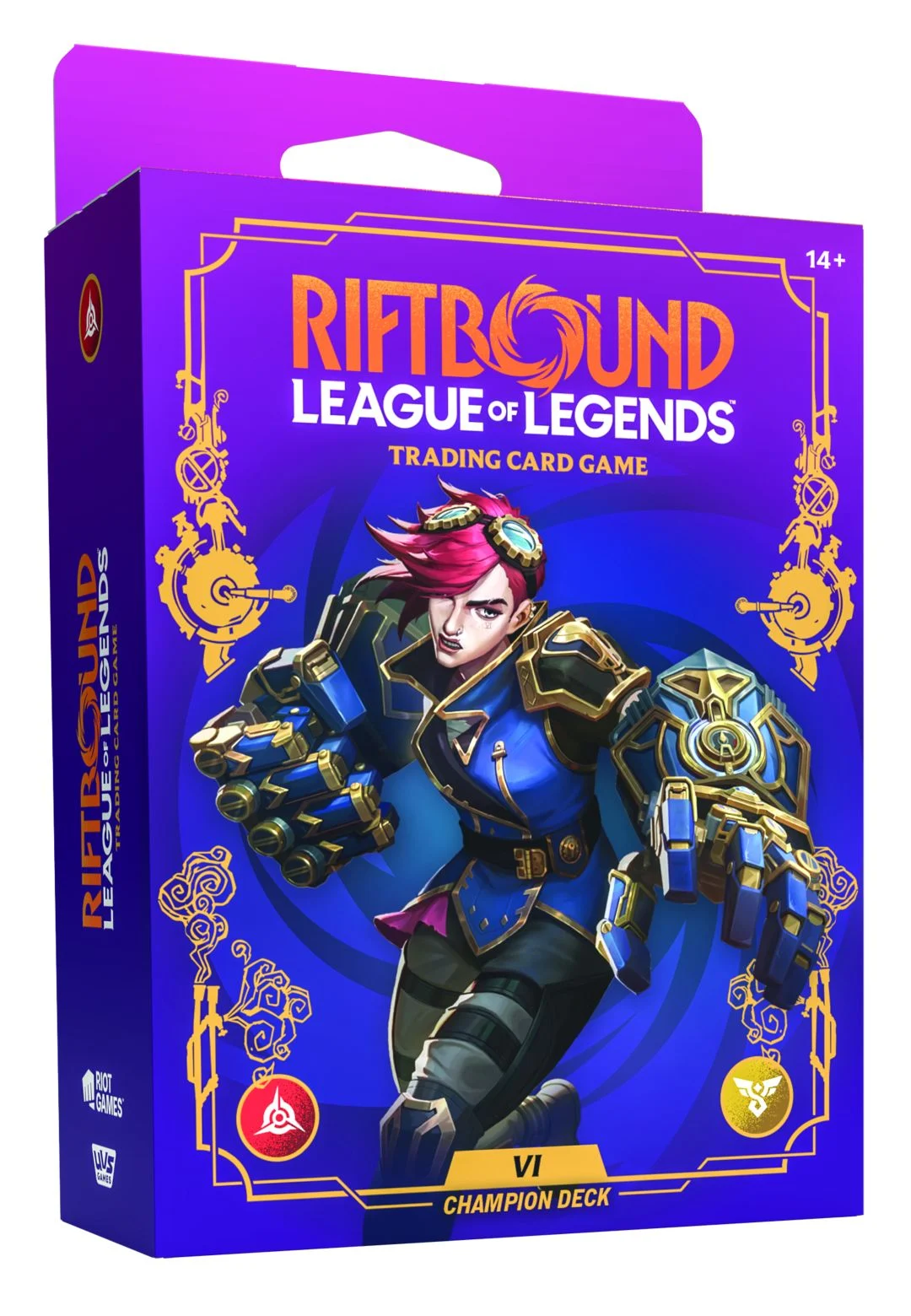
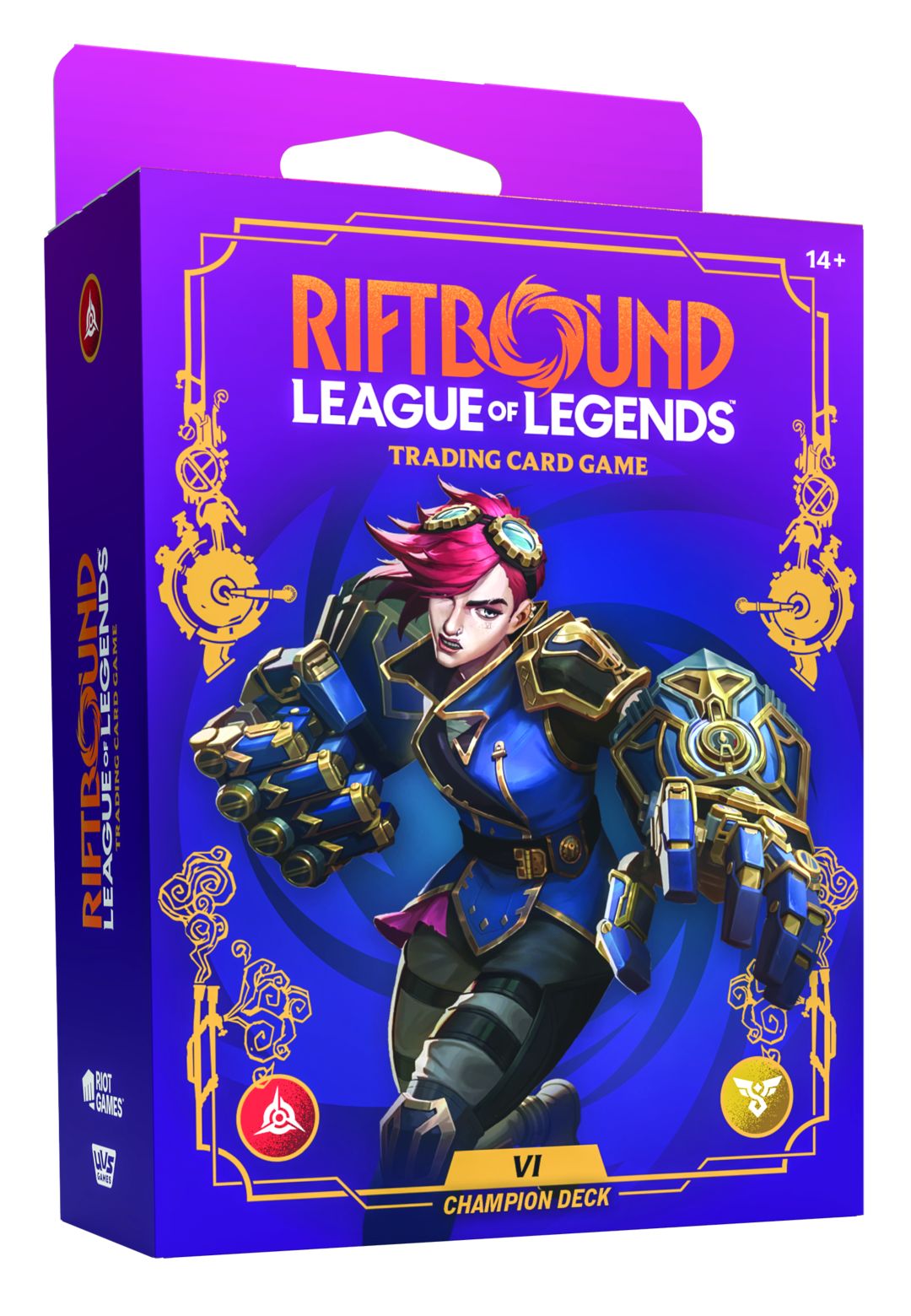
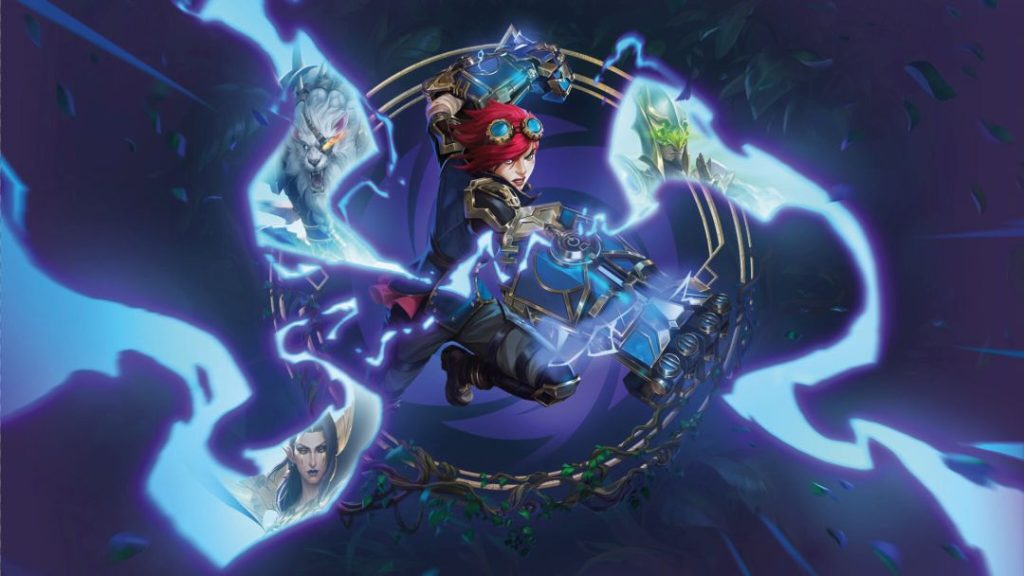
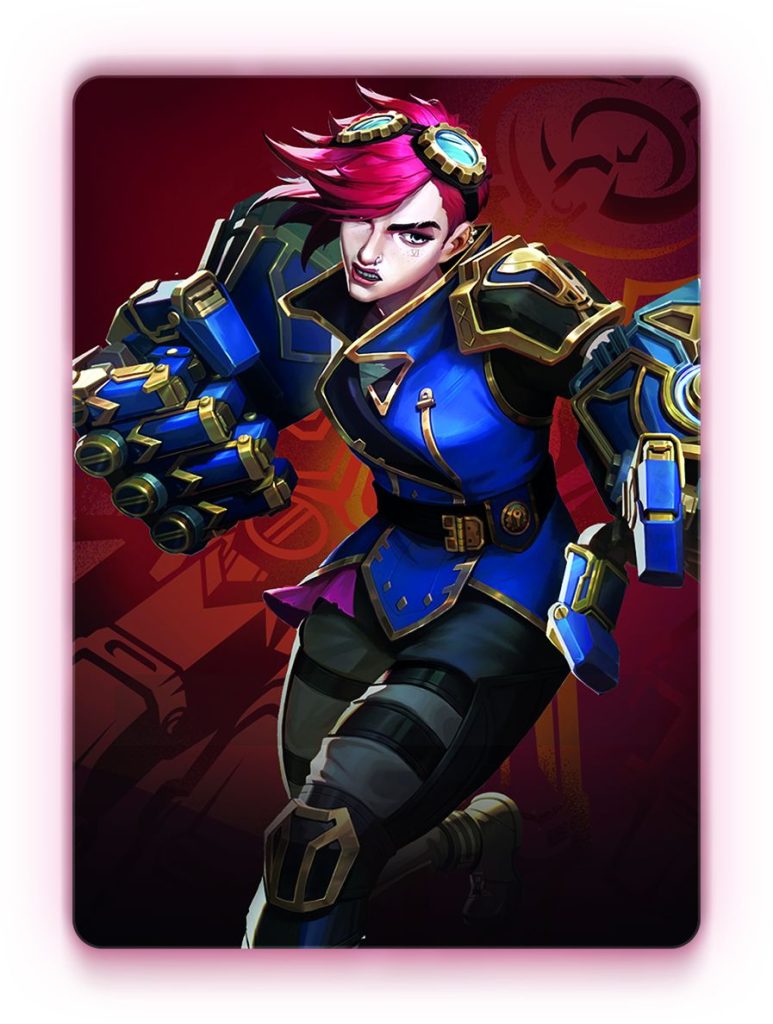
The Vi Champion Deck, centered around the Piltover Enforcer, is a masterclass in aggressive strategy. True to Vi’s in-game persona, with her gigantic, metallic gauntlets, this deck is designed for relentless offense. Its core strategy revolves around constantly attacking, applying pressure, and aiming for quick, decisive victories. This is achieved through a suite of low-cost, high-impact units, often complemented by "combat tricks" – instant-speed abilities that provide temporary power boosts, evasive maneuvers, or unexpected removal. These cards allow Vi players to dictate the pace of the game, forcing opponents into reactive positions and punishing any hesitation.
For new players, the Vi deck is an excellent entry point. Its straightforward game plan – deploy threats, attack, and eliminate the opponent – minimizes complex decision trees, allowing beginners to grasp the fundamental flow of Riftbound without feeling overwhelmed. The deck functions effectively from the moment it’s opened, requiring no immediate upgrades to be competitive, which is a significant boon for accessibility. However, its aggressive nature comes with a caveat: if a Vi player fails to close out the game quickly, they risk "running out of gas." This common TCG term refers to depleting one’s hand and board presence, leaving them vulnerable if the opponent manages to stabilize and mount a counter-offensive. Despite this potential pitfall, the Vi deck remains a solid choice, offering explosive combat and a clear path to victory for those who enjoy proactive gameplay.
The Strategic Depth of the Vex Champion Deck
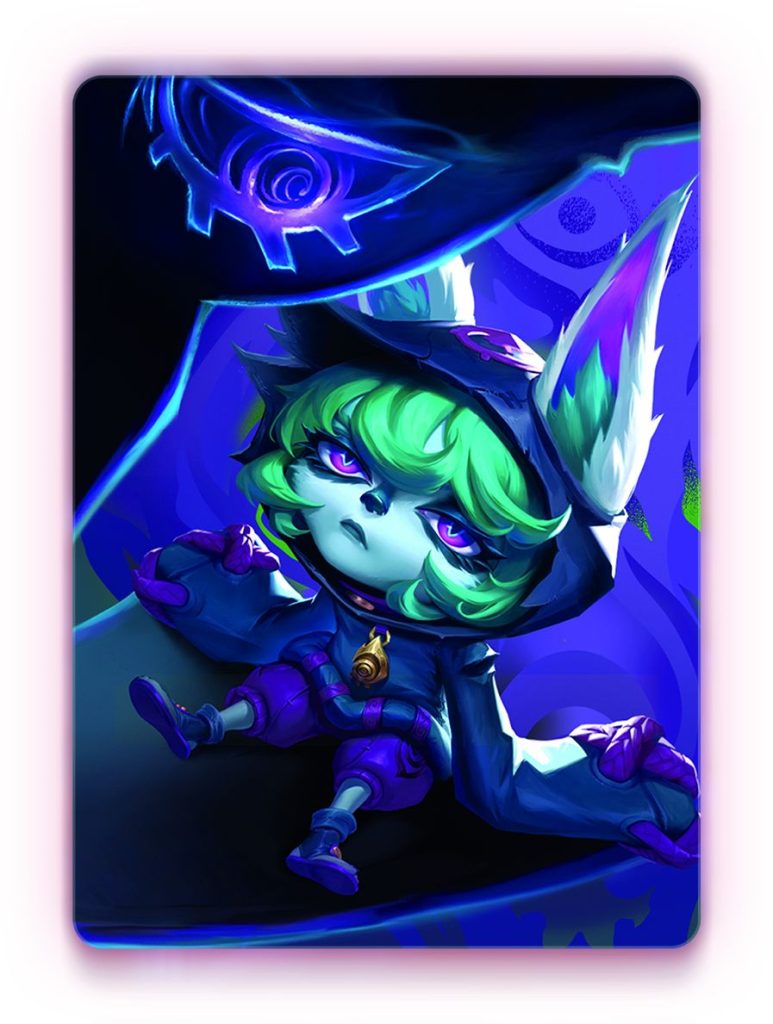
In stark contrast, the Vex Champion Deck, featuring the Gloomist, caters to players who prefer a more cerebral and controlling playstyle. Vex’s deck offers significantly more depth and demands intricate decision-making, rewarding patience, foresight, and a keen understanding of board states. Its primary objective is to outmaneuver the opponent through card advantage, battlefield control, and strategic disruption.
The core mechanic of the Vex deck revolves around "holding battlefields" to generate incremental value and draw additional cards through Vex’s unique ability. This means meticulously managing board presence, identifying key targets for removal, and timing plays to maximize efficiency and resource accrual. Players will find themselves drawing more cards than their opponent, enabling them to sculpt their hand, find answers to threats, and execute complex multi-turn plans. While the Vex deck can be harder to pilot, requiring more difficult sequencing decisions that can lead to misplays, the potential for slower, highly satisfying matches is considerably higher. Mastering Vex involves predicting opponent’s moves, understanding the optimal timing for disruption, and leveraging card advantage to systematically dismantle their strategy. In head-to-head testing, the reviewer noted that Vi’s quick-off-the-blocks style slightly edged out Vex, suggesting a delicate balance where aggressive pressure can sometimes overcome even the most well-laid control plans.
The Vault: A Strategic Investment in Player Experience
Beyond the Champion Decks, Riftbound: Unleashed introduces a new product line that addresses a critical concern for any growing TCG: storage and collection management. The Vault is more than just a booster bundle; it’s a statement about the game’s long-term vision and Riot’s understanding of its player base. By the third set, players accumulate a substantial number of cards, making efficient and secure storage paramount. Given that valuable trading cards can fetch significant sums – as famously exemplified by Logan Paul’s $16.5 million Pokémon Illustrator card – the need for robust protection is not merely aesthetic but financial.
The Vault essentially functions as a durable, reusable card-storage box designed to safeguard a player’s growing collection. Inside, it offers a compelling package: six Unleashed booster packs to immediately expand one’s card pool, 36 basic runes (six of each type) to ensure players have the necessary resources to power multiple decks, three double-sided full-art tokens that add aesthetic appeal and utility, and two dividers for organized storage. This product, while debuting with Unleashed, has been explicitly confirmed by Riot Games to become a standard offering with all future sets. This commitment highlights Riot’s strategic foresight, recognizing the importance of player convenience and collection longevity, further signaling their dedication to building a lasting TCG ecosystem.
Echoes of Runeterra: A Familiar Digital Parallel
For those familiar with Riot Games’ digital TCG, Legends of Runeterra, the feel and mechanics of Riftbound will immediately resonate. Legends of Runeterra, also set in the League of Legends universe, shares a similar design philosophy, emphasizing champion-centric gameplay, intricate combat interactions, and strategic depth. This parallel provides a familiar entry point for digital players considering the physical counterpart and reinforces the consistency of Riot’s approach to adapting the League of Legends IP across different gaming genres. It suggests a cohesive vision where the core tenets of Runeterra’s lore and gameplay translate seamlessly between digital and physical formats, offering players a continuous experience within a beloved universe.
Official Responses and Strategic Intent
While the article does not feature direct quotes from Riot Games developers regarding Unleashed, the product itself and its accompanying strategy speak volumes about the publisher’s evolving approach. The most explicit "official response" comes in the form of the Vault‘s introduction and the commitment that "Riot Games says it will release the same product as standard with future sets." This seemingly minor detail is, in fact, a powerful declaration of long-term intent. It indicates that Riot is not merely testing the waters with Riftbound but is investing in its infrastructure and anticipating the needs of a growing, dedicated player base for years to come. This commitment to robust product lines beyond just booster packs, catering to storage and foundational card needs, suggests a publisher that is thinking strategically about the longevity and collector appeal of its TCG.
Furthermore, the evident design refinement in Unleashed – particularly the distinct and well-honed playstyles of the Vi and Vex decks – serves as a tacit "official response" to early player feedback. The "newfound confidence" in the game’s design is a direct consequence of listening to the community. By "trusting its audience to handle complexity and strategic depth without sacrificing accessibility," Riot is responding to the call for a TCG that can cater to both casual fans and hardcore strategists. This balancing act, delivering beginner-friendly products like the Vi deck while simultaneously offering high-skill-ceiling options like Vex, demonstrates a nuanced understanding of the diverse TCG market. It’s a strategic pivot from potentially cautious early designs to a bolder, more confident assertion of Riftbound‘s unique identity and mechanical strengths.
Implications: Riftbound’s Future in the TCG Arena
The release of Riftbound: Unleashed carries significant implications for the game’s future and its standing within the broader trading card game market. This third set marks a crucial inflection point, positioning Riftbound not merely as a novelty tie-in to League of Legends but as a serious contender in its own right.
Cementing Market Position
By addressing initial distribution woes and refining its design, Riftbound is now better equipped to compete with established giants like Magic: The Gathering, Pokémon, and Yu-Gi-Oh!, as well as newer challengers. The ability to consistently supply products and deliver a polished player experience is fundamental to attracting and retaining a large player base. Unleashed suggests that Riot is ready to play in the big leagues, leveraging its massive IP while demonstrating a genuine commitment to TCG excellence. This could lead to an increased market share, drawing players who might have been deterred by earlier issues or are looking for a fresh, engaging TCG experience.
Attracting Diverse Player Segments
The clear differentiation between the Vi and Vex Champion Decks highlights a strategic effort to cater to a wider spectrum of players. The accessible, aggressive playstyle of Vi serves as an ideal entry point for newcomers and those who prefer fast-paced games. Conversely, the intricate, control-oriented nature of Vex appeals directly to veteran TCG players who crave strategic depth and complex decision-making. This dual approach is critical for long-term growth, as it ensures that Riftbound can onboard new players effectively while simultaneously satisfying the demands of its more experienced community. The game feels less like it’s trying to be everything to everyone and more like it understands its specific niches.
Fostering a Competitive Scene
With a more refined design philosophy that embraces both accessibility and strategic depth, Riftbound: Unleashed lays the groundwork for a robust competitive scene. Clearer archetypes, improved balance, and a steady supply of product are all essential ingredients for organized play. If Riot Games continues to support the game with consistent releases, official tournaments, and community engagement, Riftbound has the potential to develop a thriving esports ecosystem, much like its digital brethren. The emphasis on distinct champion identities also lends itself well to competitive narrative and player-champion allegiance, enhancing spectator appeal.
Long-Term Viability and Collector Appeal
The introduction of the Vault product line is a strong indicator of Riot’s long-term vision for Riftbound. By providing dedicated storage solutions and foundational cards, Riot is not only enhancing the player experience but also acknowledging the collectible aspect of TCGs. This foresight can significantly bolster the game’s longevity, as players are more likely to invest time and money into a game they believe will be supported for years to come. Furthermore, a stable secondary market, supported by consistent supply and clear design, is crucial for collector confidence and the overall health of the game’s economy. The Unleashed release signals that Riftbound is here to stay, evolving into a mature and well-supported TCG.

Conclusion: Unleashing Riftbound’s True Potential
Riftbound: Unleashed represents a significant evolution for Riot Games’ foray into the physical trading card game world. It is the first set where Riftbound truly looks comfortable in its own skin, shedding the "rough around the edges" moniker and embracing a sharper, more confident design philosophy. The game now trusts its audience to engage with complexity and strategic depth, while simultaneously maintaining accessibility for new players.
The distinct identities and polished gameplay of the Vi and Vex Champion Decks are irrefutable proof of this evolution. Vi’s full commitment to aggression and battlefield pressure makes every turn purposeful and every attack meaningful, offering an exhilarating experience. Vex, on the other hand, elevates the skill ceiling, rewarding patience, meticulous planning, and masterful battlefield control. Coupled with the strategic introduction of the Vault product line, which addresses crucial player needs for storage and collection management, Unleashed is far more than just a new set; it’s a statement of intent.
With this release, Riftbound feels as if it has truly "levelled up," living up to its name, Unleashed. The game has navigated its early challenges, learned from its community, and emerged as a refined, engaging, and confidently designed TCG. The future of Riftbound looks bright, promising an exciting and strategically rich experience for both long-time League of Legends fans and TCG enthusiasts alike. We can’t wait to see what comes next.
Play it?
With this release, Riftbound feels as if it’s levelled up, living up to the name Unleashed.

Try This if you Liked
LEGENDS OF RUNETERRA
If you’ve played Riftbound, you’ll immediately understand the feel of Legends of Runeterra, a digital League of Legends TCG also from Riot. Legends of Runeterra offers a similar champion-centric gameplay experience, rich with tactical decisions and deep lore, making it a natural progression or a complementary experience for fans of Riftbound.
About Riftbound: Unleashed
Category: Card Games
Designer: Nikolaus Davidson
Publisher: Riot Games
Time to Play: Approximately 50 minutes per game
Players: 2-4 Players
Age: 14+
RRP: £19.99-£149.99 (reflecting various product offerings from Champion Decks to the Vault)
What’s in the Box?
Riftbound: Unleashed Champion Decks
- 1x 40-Card pre-constructed deck
- 1x Riftbound: Unleashed booster pack
- 1x Character-themed storage box
- 1x Playmat
- 1x Instructions booklet
Riftbound: Unleashed Vault
- 1x Reusable durable storage box
- 2x Card Dividers
- 6x Riftbound: Unleashed booster packs
- 36x Basic Runes (six of each type)
- 3x Double-sided Full-Art Tokens