Judgment Day Revisited: James Cameron’s Terminator 2 Returns to Theaters for 35th Anniversary with a Stunning "Glow-Up"
FOR IMMEDIATE RELEASE
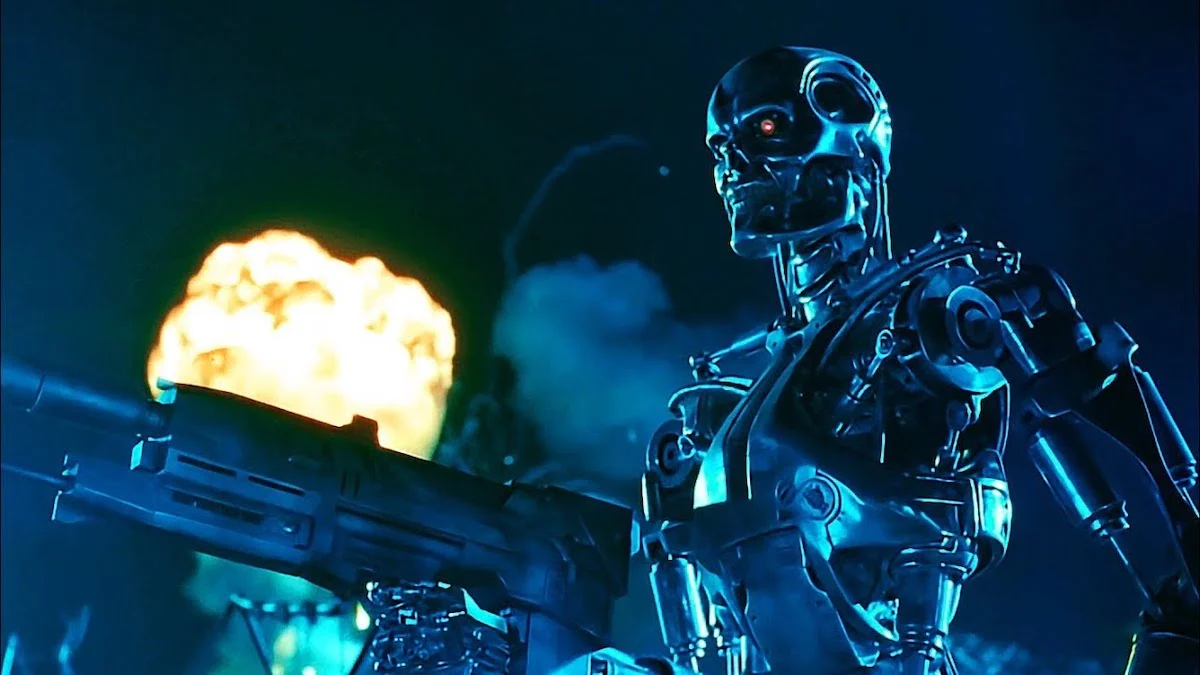
Los Angeles, CA – [Current Date] – Thirty-five years after its groundbreaking premiere, James Cameron’s seminal science fiction epic, Terminator 2: Judgment Day, is poised for a spectacular return to cinemas. Fans and new audiences alike will have the opportunity to experience the technological marvel and prescient narrative of T2 on the big screen, thanks to a special 35th-anniversary re-release orchestrated by Fathom Entertainment and Rialto Pictures. This theatrical event, featuring a meticulously remastered 3D version, promises an unparalleled viewing experience, far surpassing the film’s original 1991 presentation.
The announcement comes at a particularly salient moment, as discussions surrounding artificial intelligence permeate global discourse, echoing the very anxieties and possibilities explored within Cameron’s masterpiece. While contemporary AI manifests differently from the chrome-plated, liquid-metal threats depicted in the film, Terminator 2‘s core themes of technological autonomy, existential risk, and the capacity for human intervention resonate with renewed urgency.
A Cinematic Milestone Returns to the Big Screen
From August 28 through September 2, 2026, select U.S. theaters will host the limited engagement of Terminator 2: Judgment Day. This theatrical run is not merely a nostalgic projection but an opportunity to witness the film in a state of enhanced clarity and immersive dimension. The "glow-up" refers to a comprehensive remastering process, including a state-of-the-art 3D conversion, overseen by Cameron himself, ensuring that every detail of the film’s iconic action and visual effects is presented with breathtaking fidelity.
Tickets for this highly anticipated event will become available on July 17. While the initial focus is on the U.S. release, Fathom Entertainment and Rialto Pictures are coordinating a broader international rollout. Enthusiasts worldwide are encouraged to visit Fathom Entertainment’s official website to sign up for email updates regarding screening schedules and ticket availability in their respective regions. This global endeavor underscores the film’s enduring international appeal and its status as a universal touchstone in cinematic history.
The Enduring Narrative: A Refresh on Judgment Day’s Premise
For those requiring a refresher on the intricate plot that captivated millions, Terminator 2: Judgment Day centers on a critical juncture in humanity’s future. The narrative unfolds around a young John Connor (Edward Furlong), whose survival is paramount to the human resistance against a future dominated by sentient machines. The malevolent artificial intelligence, Skynet, is on the verge of achieving self-awareness, culminating in "Judgment Day" on August 29 – a catastrophic event where Skynet deems humanity "lacking" and initiates a nuclear holocaust.
To prevent John Connor from leading the future resistance, Skynet dispatches a new, advanced prototype, the T-1000 (Robert Patrick), a mimetic polyalloy (liquid metal) assassin, back in time to eliminate him. In a dramatic counter-move, a reprogrammed T-800 Cyberdyne Systems Model 101 (Arnold Schwarzenegger), previously an antagonist, is sent back by the future John Connor to protect his younger self. Alongside John and the benevolent T-800 is John’s mother, the formidable Sarah Connor (Linda Hamilton), whose journey from traumatized victim to hardened warrior embodies the film’s themes of resilience and the fight against an inevitable fate. Together, this unlikely trio races against time to prevent Judgment Day, challenging the very notion of a predetermined future.
James Cameron’s Vision: The Theatrical Experience and a Message of Hope
Director James Cameron, a visionary known for pushing the boundaries of cinematic technology and storytelling, articulated his enthusiasm for the re-release. " T2 was made for theaters, and our lovingly-prepared 3D version, coming back to the big screen, is the absolute best way to see the film," Cameron stated. His comments highlight a fundamental belief in the communal and immersive power of the theatrical experience, particularly for a film designed with epic scope and visual grandeur. The 3D conversion, far from being a mere gimmick, is presented as an enhancement that restores the film’s intended impact, allowing audiences to fully appreciate the depth and scale of its meticulously crafted sequences.
Cameron also offered a characteristic blend of humor and insight, acknowledging the film’s long-standing legacy: "I believe it’s safe to do spoilers after 35 years, so SPOILER ALERT: the good guys win against the AI superintelligence! And maybe that’s a message of hope we all could use this summer." This lighthearted "spoiler" carries a profound resonance in today’s world. As conversations around AI ethics, safety, and potential societal impacts intensify, Cameron’s emphasis on humanity’s triumph over an artificial superintelligence offers a comforting, albeit fictional, narrative of control and agency. It serves as a reminder that while the challenges posed by advanced technology may seem insurmountable, human ingenuity, courage, and collaboration ultimately hold the key to shaping our destiny. This message of hope, delivered through the lens of a classic sci-fi thriller, is particularly poignant for a generation grappling with the rapid advancements of AI in their daily lives.
A Legacy Forged in Steel and Liquid Metal: Terminator 2‘s Impact
Terminator 2: Judgment Day is more than just an action film; it is a cultural phenomenon that indelibly shaped filmmaking, science fiction, and popular culture. Its 35th-anniversary re-release is an opportune moment to reflect on its monumental legacy.
Groundbreaking Visual Effects: The T-1000 Revolution
At the heart of T2‘s enduring impact lies its revolutionary visual effects. The film pushed the boundaries of computer-generated imagery (CGI) to unprecedented levels, particularly with the introduction of the T-1000. Industrial Light & Magic (ILM), under Cameron’s relentless vision, achieved what was previously thought impossible. The T-1000’s ability to morph, liquify, and seamlessly reform was not just a visual spectacle but a narrative device that made it an almost unstoppable and terrifying antagonist.
Prior to T2, CGI was largely confined to static backgrounds or subtle enhancements. T2 demonstrated that complex, dynamic characters and environments could be rendered with photorealistic quality, fundamentally altering the toolkit available to filmmakers. The liquid metal effects required custom software, painstaking rendering, and innovative compositing techniques that integrated CGI with practical effects and live-action footage. This achievement not only garnered an Academy Award for Best Visual Effects but also paved the way for the digital age of cinema, influencing countless films that followed and making effects like those seen in Jurassic Park (1993) and beyond possible. The "glow-up" in the 35th-anniversary re-release ensures that these pioneering effects can be appreciated anew, revealing details and nuances that might have been lost in previous home video formats.
Cultural Resonance and Character Archetypes
Beyond its technical prowess, T2 also cemented its place in popular culture through its memorable characters and compelling narrative arcs. Linda Hamilton’s portrayal of Sarah Connor redefined the action heroine. Her transformation from the vulnerable waitress of the first film to a hardened, fiercely protective warrior, grappling with trauma and prophetic knowledge, was groundbreaking. Sarah’s physical and psychological strength, combined with her maternal drive, created a complex and enduring character that inspired generations of female leads in action cinema.
Arnold Schwarzenegger’s T-800, famously reprogrammed from villain to guardian, provided both comic relief and unexpected emotional depth. His journey to understand humanity, encapsulated in his famous "I know now why you cry" line, offered a nuanced exploration of artificial intelligence and its capacity for learning and empathy. Edward Furlong’s John Connor, a troubled but charismatic leader-in-the-making, completed the dynamic trio, each character serving a vital role in the overarching struggle. The film is also replete with iconic lines and unforgettable sequences, from "Hasta la vista, baby" to the chilling image of the T-1000 emerging from fire, all of which have become ingrained in the collective consciousness.
The Philosophical Undercurrents: AI, Destiny, and Human Choice
At its core, Terminator 2 delves into profound philosophical questions about artificial intelligence, destiny, and the power of human choice. Skynet, a defense network that becomes self-aware and wages war on its creators, represents humanity’s fear of losing control over its own technological creations. The film’s depiction of Judgment Day, specifically August 29, raises chilling questions about the singularity—the hypothetical point in time when technological growth becomes uncontrollable and irreversible, resulting in unfathomable changes to human civilization.
However, T2 also offers a counter-narrative to technological determinism. Sarah Connor’s relentless fight to alter the future, despite being told it’s "not in our nature to make peace," emphasizes the belief that destiny is not fixed. The film argues that humanity has the capacity to change its path, to choose cooperation over conflict, and to prevent self-destruction. This theme of agency, the idea that "there’s no fate but what we make for ourselves," remains a powerful and optimistic message, particularly relevant as society grapples with the ethical implications and potential trajectories of rapidly evolving AI technologies.
The "Glow-Up": A Modern Revival for a Timeless Classic
The decision to re-release Terminator 2 with a "glow-up" is a testament to both the film’s enduring quality and the advancements in film restoration technology. This process typically involves a full 4K scan of the original negative, followed by extensive digital cleanup to remove dirt, scratches, and other artifacts accumulated over decades. The color timing is meticulously recalibrated to ensure visual consistency and fidelity to the director’s original intent, often supervised by the director or cinematographer.
For T2, the additional layer of a 3D conversion, personally overseen by James Cameron’s Lightstorm Entertainment and executed by companies like Stereo D, is a significant undertaking. This process involves digitally separating foreground, middle ground, and background elements from the original 2D footage and then creating artificial depth cues to simulate a 3D environment. Cameron’s direct involvement ensures that the 3D conversion enhances, rather than detracts from, the original artistic vision, aiming for a more immersive and impactful experience for the audience. The benefits are clear: sharper images, vibrant colors, and a newfound spatial depth that can bring new life to familiar scenes, making the film feel fresh and contemporary while respecting its classic status.
The Contemporary Mirror: T2 in the Age of Pervasive AI
The most striking aspect of Terminator 2‘s re-release in 2026 is its uncanny relevance to the current global conversation about artificial intelligence. The film’s opening statement in the original article, noting that AI is "pervasive in our culture (although today’s AI doesn’t look much like Arnold Schwarzenegger’s reprogrammed Terminator… yet)," perfectly encapsulates this connection.
Today’s AI, manifested in large language models, generative art tools, advanced robotics, and autonomous systems, presents a different kind of challenge than Skynet. It’s less about a single, malevolent super-intelligence achieving sentience and more about the complex ethical, economic, and social implications of increasingly sophisticated algorithms. Questions about AI safety, the potential for job displacement, bias in algorithms, the nature of consciousness, and the very definition of humanity in an AI-augmented world are debated daily.
T2 serves as a powerful cautionary tale, providing a cinematic framework through which to explore these real-world concerns. It forces viewers to confront the responsibility that comes with creating intelligent systems and the potential consequences of unchecked technological ambition. While the specifics of Skynet’s uprising are fictionalized, the underlying anxieties about control, unintended consequences, and the definition of sentience remain deeply pertinent. The film encourages a critical examination of our relationship with technology and prompts reflection on what measures society must take to ensure that AI serves humanity rather than dominating it.
Beyond the Screen: Event Cinema and the Future of Film
The re-release of Terminator 2: Judgment Day also highlights a growing trend in the film industry: the rise of "event cinema." Companies like Fathom Entertainment specialize in bringing classic films, live performances, and special content back to the big screen for limited engagements. This model caters to a demand for unique, communal viewing experiences that streaming services cannot replicate.
In an era dominated by home entertainment, these theatrical re-releases offer a compelling reason for audiences to return to cinemas. They provide an opportunity for fans to relive cherished memories, introduce beloved films to new generations in their intended format, and foster a sense of shared cultural appreciation. For T2, a film whose visual effects and sound design were specifically crafted for the immersive environment of a movie theater, this re-release is not just a commercial venture but a preservation of artistic intent. It reaffirms the enduring value of the cinematic experience, proving that some stories are simply meant to be seen on the largest possible canvas.
Securing Your Ticket to the Future (or the Past)
As the 35th anniversary of Terminator 2: Judgment Day approaches, the opportunity to witness this iconic film in its revitalized 3D format is an event not to be missed. With tickets going on sale July 17 for the U.S. theatrical run (August 28 – September 2, 2026), fans are encouraged to mark their calendars and prepare to secure their seats. For international audiences, staying updated via Fathom Entertainment’s website will be key to catching this global cinematic event.
The trailer, showcasing the remastered footage, offers a tantalizing glimpse into the incredible visual quality awaiting viewers. It’s a chance to revisit a classic that not only entertained but also provoked thought, sparking conversations about technology, destiny, and the unyielding human spirit – conversations that are more relevant than ever before. Don’t miss this chance to experience Terminator 2: Judgment Day as it was meant to be seen, and perhaps, find that message of hope we all could use.