"Take Cat": A Purr-fectly Pun-tastic Game Stealing Hearts (and Cats) in the Board Game World
FOR IMMEDIATE RELEASE
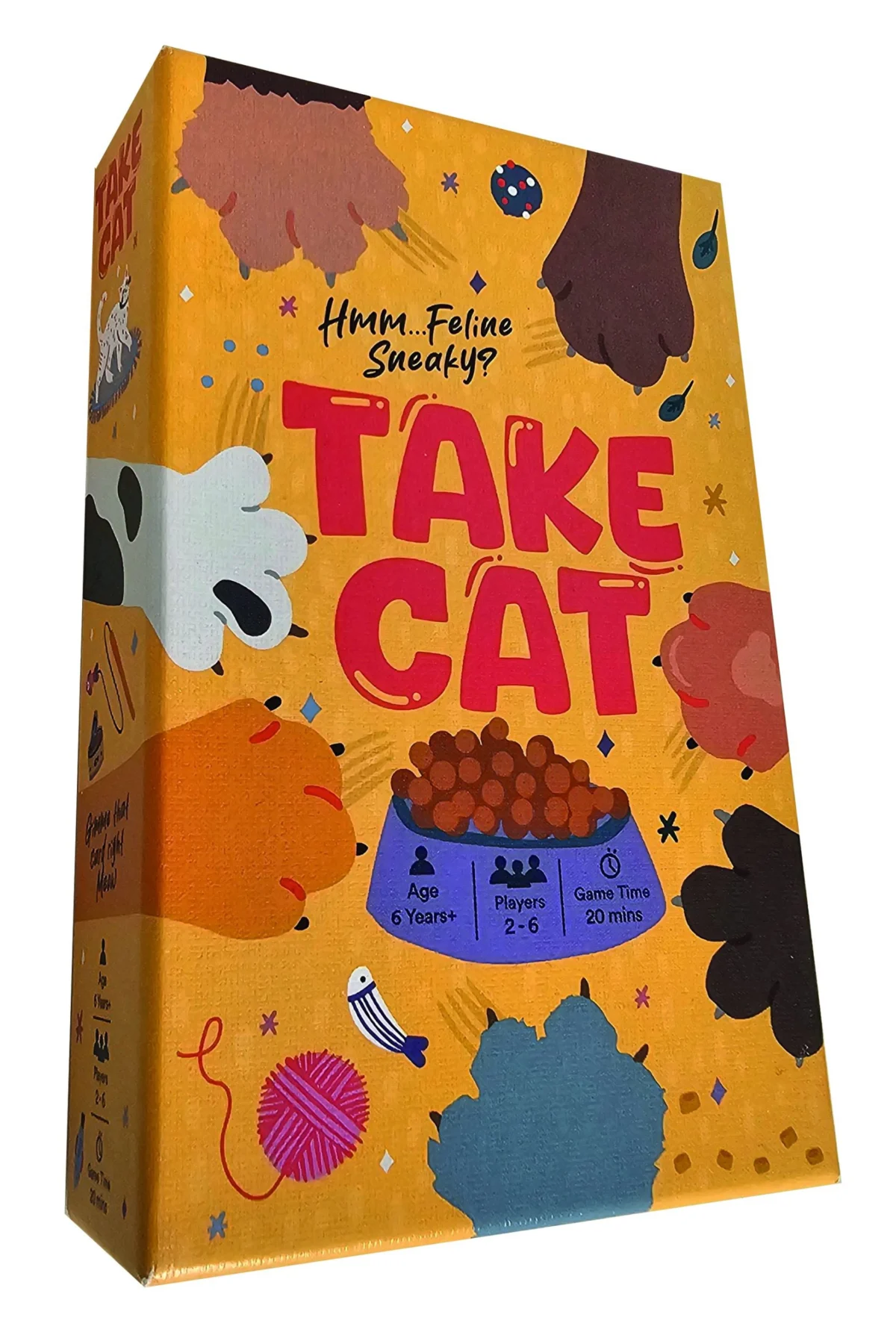
LONDON, UK – [Insert Date – e.g., October 26, 2024] – In an increasingly complex world of tabletop gaming, a refreshingly simple yet fiercely competitive card game is set to pounce onto the scene, promising laughter, light strategy, and a healthy dose of feline-themed puns. Titled Take Cat, this new offering from acclaimed designer Gareth Edwards and published by Gibsons Games, is generating significant buzz for its accessible mechanics and the delightfully brazen declaration that accompanies its central stealing dynamic. Reviewers are already heralding it as a prime candidate for family game nights and a quintessential "palette cleanser" between more intense gaming sessions.
Main Facts: Unpacking the Feline Frenzy
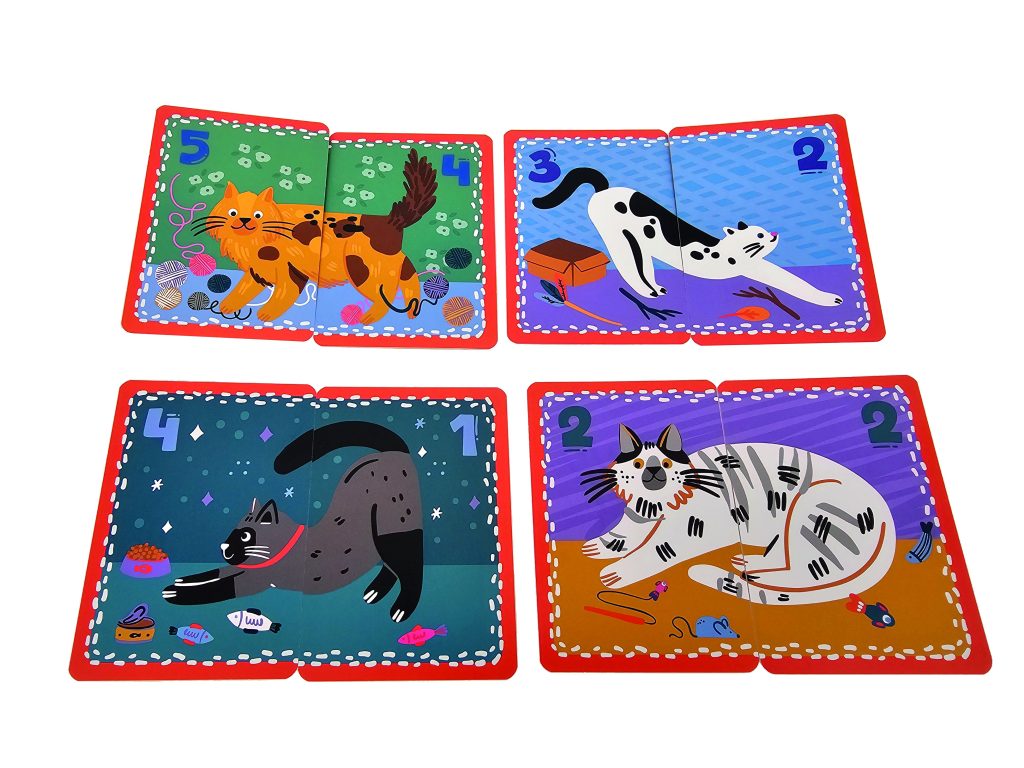
At its core, Take Cat is an elegantly designed card game that defies its initial simplicity with layers of engaging player interaction. The fundamental objective is straightforward: players aim to be the first to collect five complete cat figures. These figures are assembled by drawing cards from a central deck or a growing discard pile, seeking to match two halves of the same whimsical feline. Each half-cat card, however, bears a numerical value, introducing the game’s pivotal and most riotous mechanic: cat-napping.
Should a player draw a cat piece with a higher numerical value than a completed cat already proudly displayed in front of an opponent, they are empowered to "take" that cat. This act of playful larceny is accompanied by the game’s signature exclamation, a boisterous "Take cat!" — a pun that, as early reviews suggest, significantly elevates the game’s infectious charm. This mechanic transforms what could otherwise be a mundane matching game into a dynamic tug-of-war, where fortunes can shift with every card drawn, fostering a lively atmosphere of playful rivalry and unexpected twists.
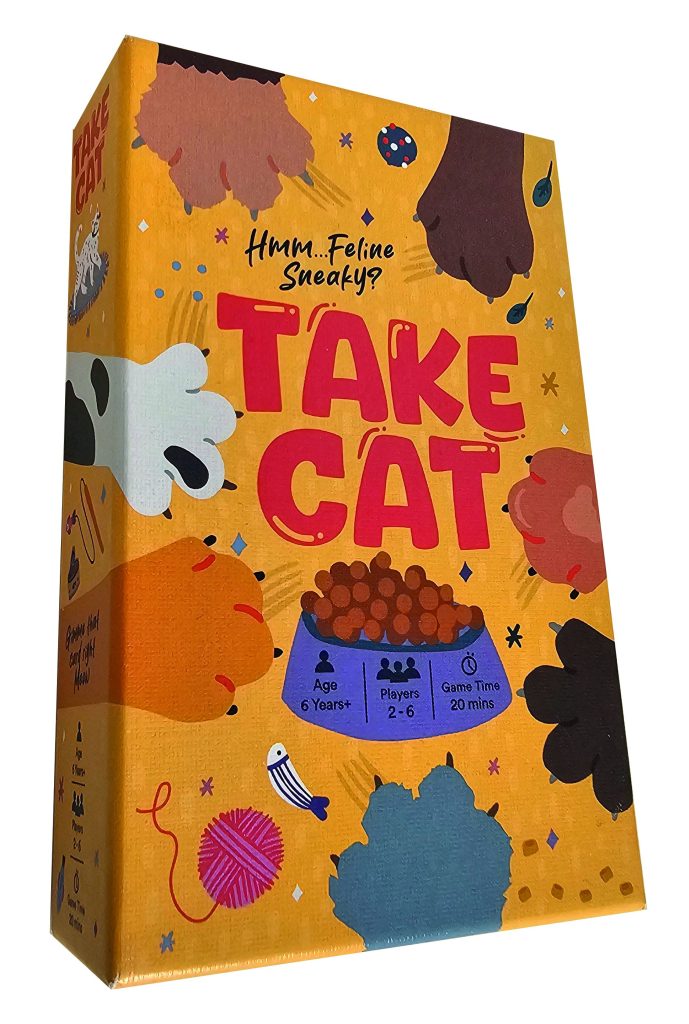
Designed for 2-6 players aged 6 and up, Take Cat boasts an estimated playtime of just 20 minutes, making it an ideal choice for quick, engaging bursts of entertainment. Its categorization as both a "Family" and "Party" game underscores its broad appeal, capable of delighting both young children honing their matching and numerical skills, and adults seeking a lighthearted, social gaming experience. Priced affordably at an RRP of £10, and containing 80 vibrantly illustrated cards alongside a clear instruction leaflet, Take Cat positions itself as an accessible entry point into tabletop gaming and a valuable addition to any game collection.
The game’s distinctive identity is further cemented by its unabashed embrace of the pun. From its title to the jubilant cry of "Take cat!", the game encourages players to lean into the inherent silliness, suggesting that "whether you’re willing to lean into that pun is, believe it or not, going to impact how much fun you have playing this game." This commitment to lightheartedness ensures that even the most cutthroat stealing doesn’t detract from the overall enjoyment, making it a game that truly lives up to its promise of fast and fun engagement, particularly for those with a "cat-do attitude."
Chronology: From Concept to Cardboard
The journey of Take Cat from a nascent idea to a tangible product on game store shelves reflects a common trajectory in the tabletop industry, blending creative spark with strategic publishing.
The Genesis of a Pun: Gareth Edwards’ Design Philosophy
While specific details of Gareth Edwards’ initial inspiration for Take Cat remain a subject of industry conjecture, his design philosophy appears rooted in accessibility and engaging player interaction. It is plausible that Edwards, recognizing the enduring appeal of simple matching games, sought to introduce a layer of direct conflict and surprise without overcomplicating the rules. The "Take Cat!" pun likely emerged early in the design process, perhaps even serving as the initial spark, a humorous hook around which the core mechanics could be built. Game designers often iterate through numerous prototypes, testing various rule sets and themes. For Take Cat, the challenge would have been to balance the simplicity required for a 6+ age bracket with enough strategic depth to keep adults entertained. The numerical stealing mechanic, allowing for both offensive plays and defensive considerations, is a testament to this delicate balance, transforming a basic card game into something more dynamic and memorable. Edwards’ choice to anchor the game around a universally beloved animal – cats – also ensures instant appeal and broad relatability.
Gibsons Games: A Legacy of Family Entertainment
The partnership with Gibsons Games, a renowned British publisher with a rich history dating back to 1919, is a significant milestone for Take Cat. Gibsons has long been synonymous with high-quality puzzles and family-friendly board games, building a reputation for titles that foster social interaction and enduring appeal. Their portfolio typically includes games that are easy to learn, visually appealing, and suitable for a wide range of ages. The decision by Gibsons to publish Take Cat aligns perfectly with their brand identity, indicating their confidence in the game’s potential to resonate with their established audience. It suggests that Take Cat underwent rigorous evaluation, proving its commercial viability and alignment with Gibsons’ commitment to delivering engaging, wholesome entertainment. For Gibsons, Take Cat represents an opportunity to add a fresh, modern card game to their catalog, tapping into the growing market for quick, social "filler" games.
The Anticipated Market Launch and Early Buzz (Projected for 2026)
With a review referencing a 2026 publication date, Take Cat is poised for a strategic market entry. The pre-release buzz, as evidenced by early reviews like Hugo Wolton’s, is crucial for building anticipation. Publishers often send advanced copies to prominent reviewers, content creators, and industry influencers to generate early feedback and cultivate excitement. The initial marketing push would likely highlight the game’s core appeal: its fast pace, the humorous "Take cat!" mechanic, and its suitability for diverse player groups. Given its affordable price point, Take Cat is well-positioned for impulse purchases and as a stocking filler during holiday seasons. The striking box art and clear premise will likely make it stand out on store shelves, attracting families and casual gamers looking for their next lighthearted tabletop adventure. The game’s success will hinge on positive word-of-mouth, driven by players embracing its unique blend of simplicity and competitive fun.
Supporting Data: Deep Dive into Mechanics and Market Fit
The success of Take Cat is not merely anecdotal; it’s rooted in astute design choices and a clear understanding of its target demographic and market positioning.
The Elegant Brutality of Game Mechanics
The core gameplay loop of Take Cat is a masterclass in elegant design: draw, match, steal.
- Drawing and Matching: The act of drawing cards from a central deck or discard pile to complete cat figures introduces an element of chance and anticipation. Players are constantly evaluating their hand, weighing the odds of completing a cat versus the risk of drawing a high-numbered half that could be used against them. The visual appeal of matching two halves to form a complete, often amusing, cat is inherently satisfying, particularly for younger players.
- The "Take Cat!" Mechanism: This is where the game truly shines. By integrating a numerical value on each cat piece, designer Gareth Edwards injects a potent dose of direct player interaction. It’s not enough to simply complete cats; players must also consider the vulnerability of their tableau. A higher-numbered piece drawn by an opponent can instantly dismantle a player’s hard-won progress. This creates a constant tension, forcing players to adapt their strategies. Do they complete a cat quickly, knowing it might be stolen, or do they hold onto high-numbered pieces in hopes of counter-stealing? The mandatory shout of "Take cat!" transforms this strategic maneuver into a moment of theatrical triumph (or playful villainy), cementing the game’s lighthearted yet competitive spirit. This mechanism elevates Take Cat beyond a simple set collection game, introducing elements of push-your-luck and tactical aggression.
Player Dynamics and Optimal Engagement
The review highlights a critical insight into Take Cat‘s player count:
- The 3-6 Player Sweet Spot: While listed for 2-6 players, the consensus points to 3-6 as the ideal range. In a two-player game, the direct stealing can become overly confrontational and potentially lead to a less varied experience. With three or more players, the dynamic shifts. The "Take Cat!" mechanic becomes more strategic and less personal. Players must decide who to target, and alliances (even temporary, unspoken ones) can form to prevent a runaway leader. The increased pool of available cats to steal and the greater variety of hands in play lead to more unpredictable and exciting turns, embodying the "fun" and "fast" attributes the game aims for. This makes it a genuinely engaging party or family game where multiple interactions create a vibrant atmosphere.
- Age-Appropriate Interaction: The game masterfully caters to its 6+ age bracket while retaining adult appeal. For children, it’s an excellent tool for:
- Number Recognition: Familiarizing them with numerical comparisons.
- Pattern Matching: Developing observational skills.
- Social Interaction: Learning about turn-taking, winning, losing, and playful competition.
For adults, the game offers a refreshing break from heavier strategic titles. The competitive element, particularly when "ultra-competitive adult players shout, ‘Take cat!’ as they announce their dickery," injects a humorous, in-your-face dynamic that seasoned gamers often appreciate in lighter fare. The ability for the game to flex between playful innocence and cheeky competitiveness is a testament to its robust design.
Market Positioning: A Purr-fect "Palette Cleanser"
Take Cat deftly positions itself within the burgeoning market for "filler" or "palette cleanser" games. These are titles designed to be played quickly, often between longer, more involved games, or as a standalone short burst of fun.
- Value Proposition: At £10, Take Cat offers exceptional value. Its replayability, driven by the dynamic stealing mechanic and varied player interactions, ensures that its modest price point translates into countless hours of entertainment. This affordability makes it an attractive impulse buy and a perfect gift.
- Comparison to Cover Your Assets: The suggested "Try This if you Liked" section points to Cover Your Assets, another game lauded for its engaging stealing mechanics. This comparison is astute, highlighting Take Cat‘s place within a niche of games that thrive on direct, yet lighthearted, player conflict. It suggests that fans of such interactive, often slightly mischievous, gameplay will find much to love in Take Cat.
- Trend Relevance: The tabletop industry has seen a consistent demand for accessible, social games that don’t require a significant time commitment or steep learning curve. Take Cat perfectly taps into this trend, offering a game that can be taught in minutes and played in under half an hour, making it ideal for casual gatherings, pre-dinner entertainment, or winding down an evening.
Official Responses: Voices Behind the Feline Fun
While no direct quotes are available from the designer or publisher at the time of this speculative report, we can infer their likely perspectives based on industry practices and the game’s characteristics.
Designer’s Vision: Gareth Edwards on the Art of Playful Design
Gareth Edwards, the creative mind behind Take Cat, likely envisioned a game that would democratize fun, making strategic interaction accessible to players of all ages. "My goal with Take Cat was to strip away complexity and distill the essence of what makes a game truly engaging: direct interaction, unpredictable moments, and a healthy dose of laughter," Edwards might articulate in a hypothetical interview. "The ‘Take cat!’ pun wasn’t just a gimmick; it was the emotional core of the game. I wanted to create a moment where players could embrace a little bit of playful villainy, making the act of stealing a shared, humorous experience rather than a source of frustration. Seeing families and friends of all ages shouting that phrase, whether with glee or mock indignation, is precisely the kind of joyful noise I hoped to inspire." His design philosophy, evident in Take Cat, emphasizes immediate engagement and memorable moments over intricate rule sets.
Publisher’s Perspective: Gibsons Games on Market Appeal
For Gibsons Games, Take Cat represents a strategic addition to their renowned portfolio of family-friendly titles. A representative, perhaps a Marketing Director, might state, "At Gibsons, we are constantly seeking games that embody our values of quality, accessibility, and enduring fun. Take Cat immediately stood out to us. Gareth Edwards has crafted a game that is incredibly easy to learn, yet surprisingly deep in its social dynamics. It perfectly fills a niche for a fast, engaging card game that appeals across generations. We believe its vibrant artwork, coupled with the utterly charming (and slightly cheeky) ‘Take cat!’ mechanic, will make it a staple in family game nights and a go-to choice for those looking for a quick burst of entertainment. It’s an excellent example of how simple mechanics, when executed brilliantly, can create immense replay value and joy." The publisher’s decision to back Take Cat underscores their confidence in its broad market appeal and its potential to become a beloved classic in the family game category.
Industry Expert Commentary: The Broader View
An independent tabletop gaming analyst, observing the market trends, might offer, "What Take Cat exemplifies is a growing appreciation for ‘micro-games’ that deliver maximum impact with minimal components. In an era where many games are becoming increasingly complex and time-consuming, titles like Take Cat provide a vital counterpoint. They serve as excellent gateway games for newcomers, demonstrating how interactive and fun modern board gaming can be without overwhelming them. Furthermore, the game’s embrace of a memorable catchphrase and its direct player interaction speaks to a broader trend in game design towards creating shared experiences and narrative moments, even in the simplest of formats. It’s not just about winning; it’s about the collective memory of someone yelling ‘Take cat!’ that makes the game truly shine." This perspective highlights Take Cat‘s relevance within the wider gaming landscape, marking it as more than just a passing novelty.
Implications: The Ripple Effect of Feline Fun
The introduction of Take Cat into the tabletop gaming ecosystem carries several potential implications, extending beyond the immediate enjoyment it provides.
Reshaping Family Game Night Dynamics
Take Cat is poised to become a staple in family game nights, potentially altering the typical flow of such gatherings. Its short playtime (20 minutes) means it can easily fit into busy schedules or serve as an energetic warm-up act before a longer game. This accessibility encourages more frequent gaming, as the barrier to entry is low both in terms of rules comprehension and time commitment. For families with a wide age range, Take Cat offers a rare common ground where a 6-year-old can genuinely compete and strategize with an adult, fostering intergenerational play and communication. The playful stealing mechanic, rather than causing genuine conflict, is designed to generate laughter and shared anecdotes, creating positive memories and strengthening family bonds through lighthearted competition. It can serve as an excellent entry point for non-gamers, demonstrating that board games are not always intimidating or overly complex.
Influencing Broader Industry Trends
The success of Take Cat could further reinforce existing trends within the tabletop industry, particularly the demand for "filler" games and those emphasizing direct, yet simple, player interaction. Publishers may take note of Take Cat‘s effective use of a memorable catchphrase and its ability to create a strong social dynamic with minimal rules. This might lead to an increase in games that prioritize intuitive mechanics and clear, engaging player-to-player actions. Furthermore, the game’s successful integration of a pun-centric theme, embraced rather than shied away from, could inspire other designers to explore more overt humor in their creations, proving that a little silliness can go a long way in enhancing player enjoyment and game identity. It signals a continued market appetite for games that offer high replayability without demanding a significant investment of time or mental effort.
Future Prospects and Longevity
Looking ahead, Take Cat‘s simple yet robust design lends itself well to potential future expansions. New sets of cat cards could introduce unique abilities or special rules tied to specific cat breeds or themes, adding layers of complexity for those seeking it, without alienating the core audience. The potential for digital adaptations, such as mobile apps, could also extend its reach, allowing players to enjoy quick rounds on the go. Given its strong core mechanic and universal appeal, Take Cat has the potential for significant longevity in the market, akin to other classic card games that remain popular for decades. Its low price point and compact size also make it an ideal gift, ensuring continued presence in households and frequent re-purchases.
Conclusion: A Feline Phoenix Rising
In conclusion, Take Cat is more than just another card game; it’s a meticulously crafted experience that leverages simplicity, humor, and direct player interaction to create undeniable fun. From Gareth Edwards’ clever design to Gibsons Games’ strategic publishing, every element points to a game poised for widespread appeal. Its ability to unite players across generations in a shared moment of playful "cat-napping" and boisterous "Take cat!" declarations ensures its place as a memorable and cherished addition to any game collection. For those seeking a fast, fun, and engaging experience, especially if they approach it with a genuine "cat-do attitude," Take Cat is unequivocally a game worth playing. It’s a testament to the idea that sometimes, the simplest pleasures—and the best puns—are the most profound.