Unveiling the Inner Workings: Ukiyo-e Prints as Anatomical Guides
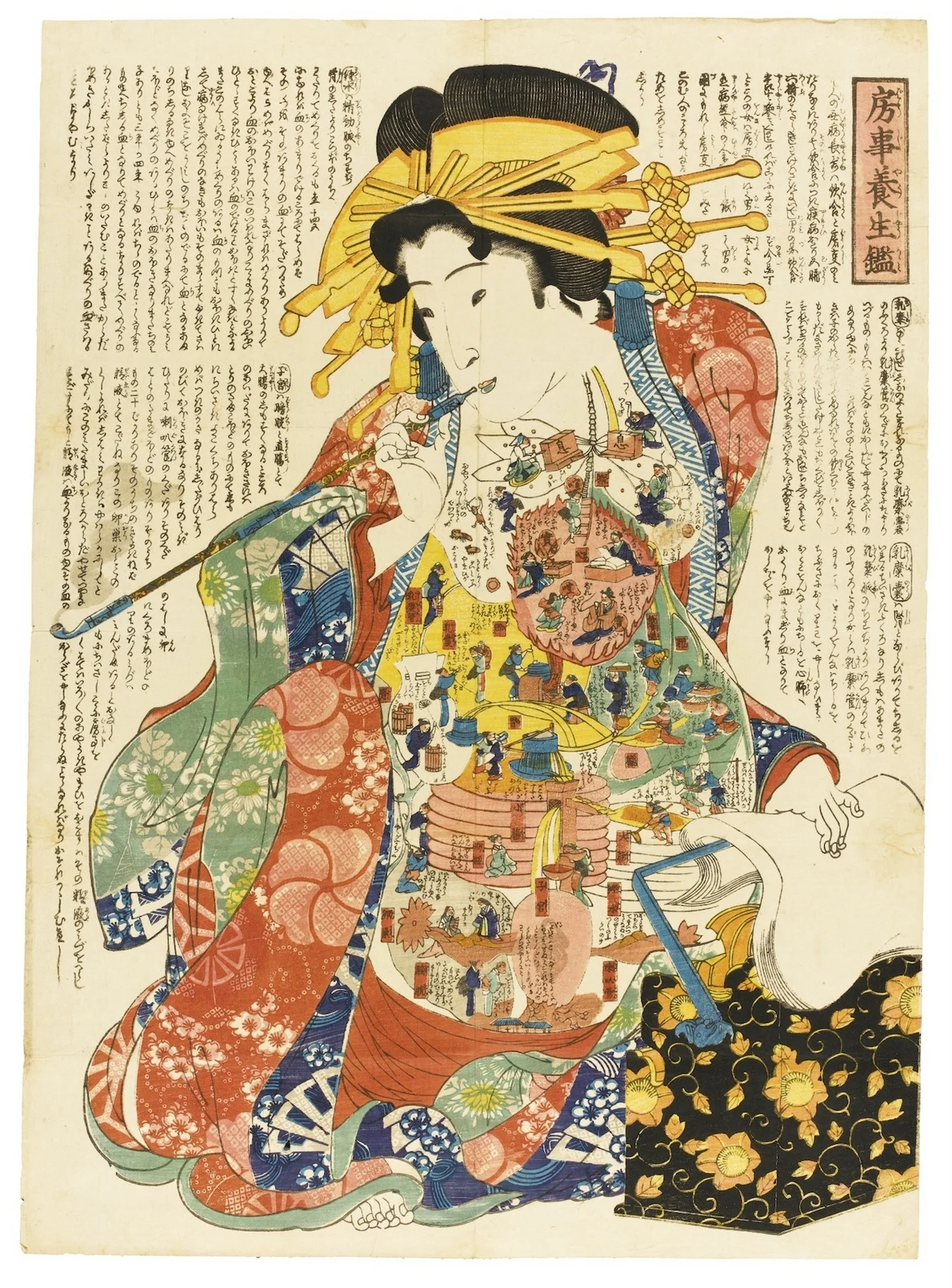
July 24, 2026 – Beyond the iconic depictions of geishas, samurai, and breathtaking landscapes, the art form of Japanese ukiyo-e woodblock prints once served a surprisingly educational and even whimsical purpose: illustrating the intricate workings of the human body. Emerging from the vibrant cultural milieu of 17th to 19th century Japan, these prints offer a unique window into historical understandings of health, physiology, and the human condition, presented through a distinctly artistic lens. While familiar to many for their aesthetic appeal, these anatomical illustrations reveal a fascinating didactic intent, transforming the complex internal landscape of the body into a bustling, anthropomorphized world.
The Ukiyo-e Tradition: Beyond Fleeting Beauty
The term ukiyo-e, often translated as "pictures of the floating world," typically conjures images of ephemeral pleasures and the vibrant urban life of Edo-period Japan. However, this artistic tradition was far more multifaceted, encompassing a broad spectrum of subjects. While courtesans, kabuki actors, and scenic vistas dominated popular imagination, ukiyo-e also served as a medium for instruction and moral guidance. It is within this less-explored didactic dimension that we find a collection of remarkable anatomical prints, designed to demystify the human body and promote well-being through imaginative representation.
These prints stand as a testament to a pre-modern approach to health education, predating the sophisticated medical imaging and scientific understanding we possess today. Instead of sterile diagrams, Japanese artists employed a rich tapestry of metaphor and personification, envisioning the body as a complex, functioning society. This approach, while seemingly fantastical, aimed to convey essential truths about bodily functions and the importance of maintaining balance and moderation.
A Chronology of Internal Exploration: From Kunisada to His Students
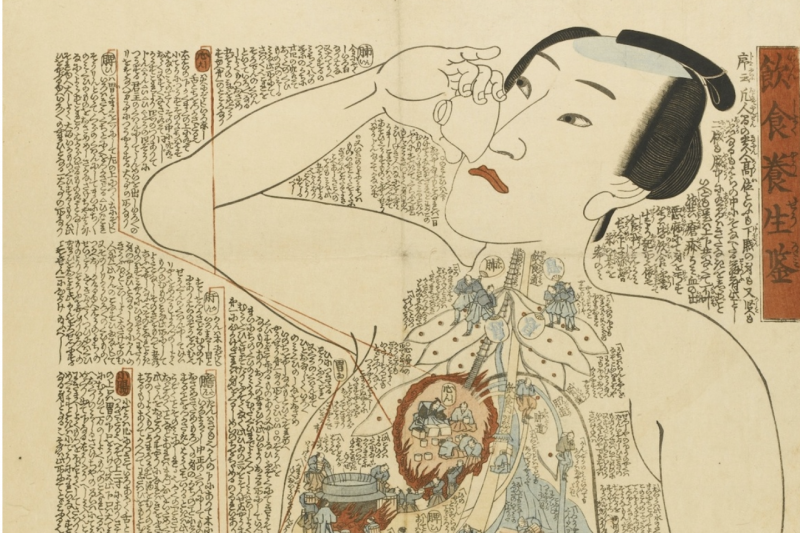
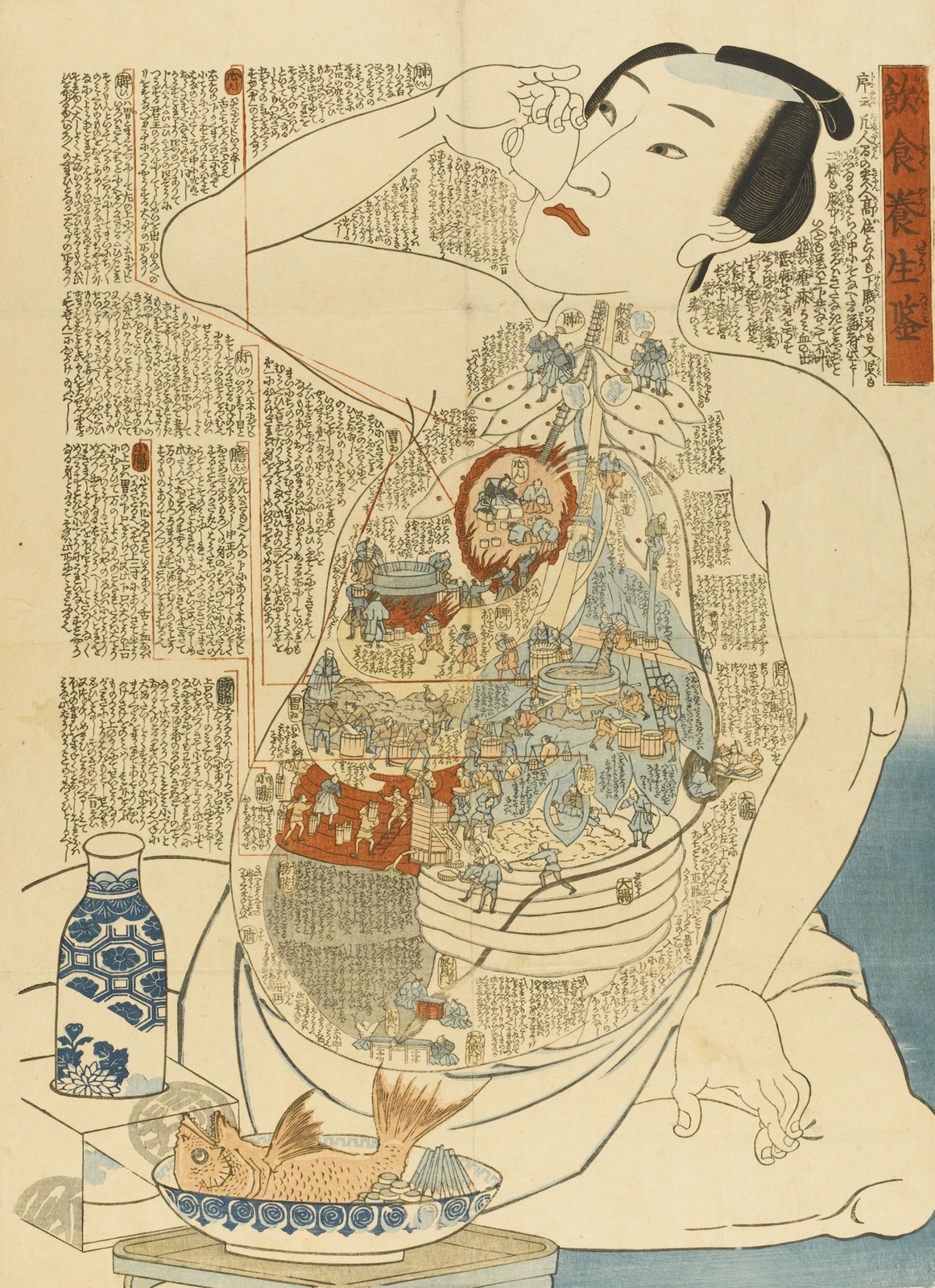
The genesis of these illustrative anatomical prints can be traced to prominent artists of the ukiyo-e school, most notably Utagawa Kunisada (1786–1865). Kunisada, a prolific and influential artist, is credited with producing works that depict the internal organs and processes of the human body as a miniature, industrious populace. These prints were not merely artistic curiosities; they were intended as educational tools, offering insights into how the body functioned and the consequences of overindulgence.
One of Kunisada’s seminal works in this genre is the series titled Inshoku Yojo Kagami (Mirror of the Physiology of Drinking and Eating). This series, and others like it, meticulously illustrated the digestive system and its associated functions. In these prints, the human gut becomes a bustling town or village, populated by diminutive figures diligently performing their roles. A central scene might depict individuals stoking a fiery furnace beneath the heart, symbolizing its vital energy, while others are seen tending to a pool wrapped in intestines, representing the processing of food and drink. Scholars are often depicted nearby, diligently consulting reference materials, perhaps signifying the body’s innate wisdom or the importance of knowledge in maintaining health.
Perhaps one of the most striking and memorable aspects of these prints is the personification of bodily excretions. Kunisada’s works often feature small, isolated figures guarding what are euphemistically termed the "urine gate" and the "feces gate." These "gatekeepers" are depicted in solitary vigilance, a stark visual metaphor for the essential, albeit less glamorous, processes of elimination. The artist’s imaginative portrayal of these functions underscores a commitment to illustrating the complete spectrum of bodily operations, no matter how mundane.
Following in Kunisada’s footsteps, his students also contributed to this unique genre. A particularly noteworthy contribution comes from a student who created a print specifically for female viewers, titled Boji Yojo Kagami (Rules of Sexual Life). This artwork shifts the focus to the reproductive organs, and intriguingly, the miniature laborers depicted within are exclusively women. This detail has been interpreted as a subtle nod to gender equality in the context of bodily functions and reproduction, a progressive notion for the era. The Boji Yojo Kagami aimed to educate women about their reproductive health and the intricacies of their physiology, presenting complex biological processes in an accessible and engaging manner.
Supporting Data: Visualizing Health and Moral Lessons
The primary "supporting data" for these anatomical prints lies in their visual narratives and the implicit messages they conveyed. These were not scientific treatises but rather visual aids designed to impart practical wisdom and moral guidance.
Key themes and elements observed in these prints include:
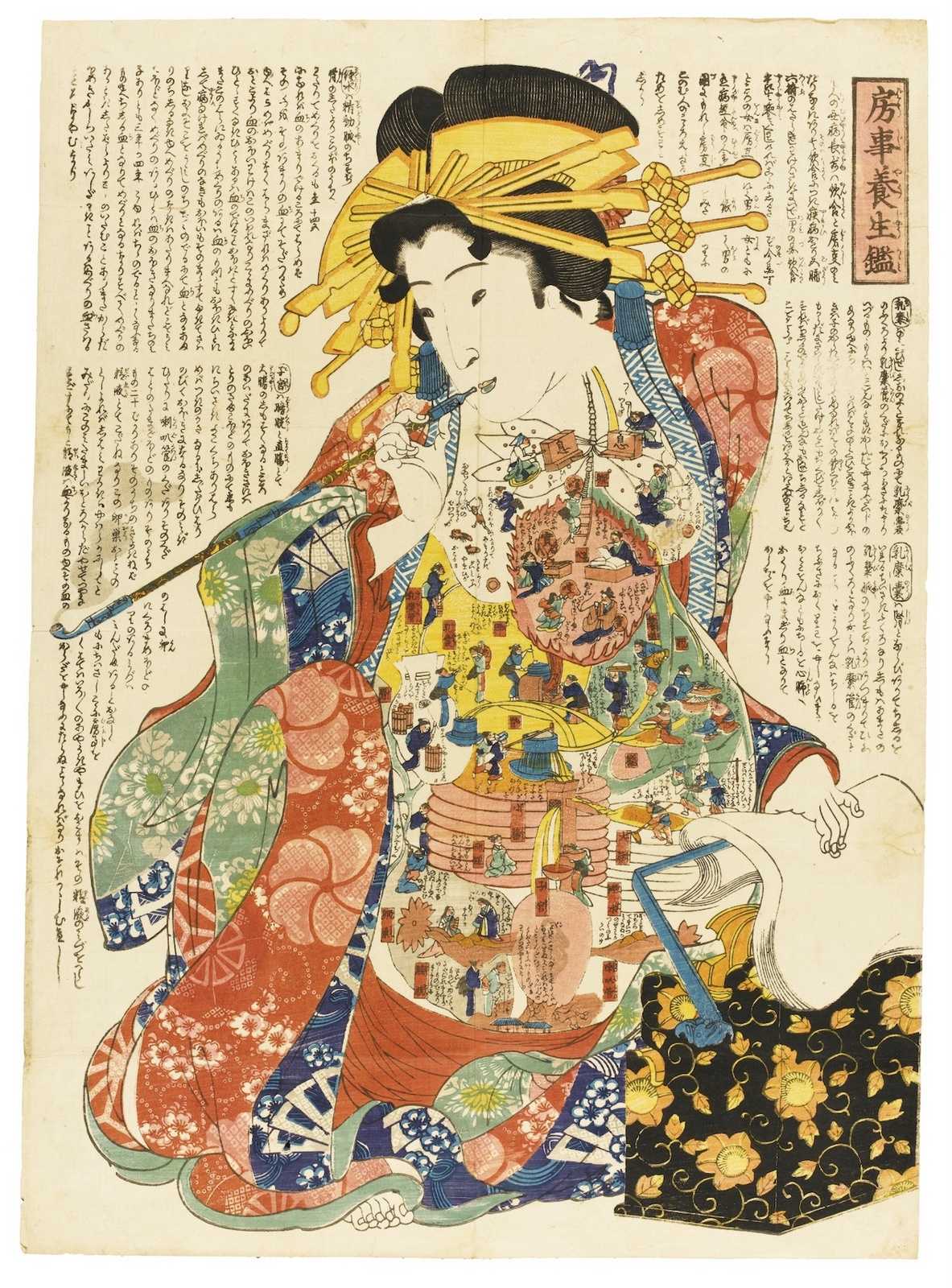
- The Body as a Microcosm: The overarching metaphor is that of the human body as a miniature society or a well-oiled machine. This allowed for the personification of internal organs and processes, making them relatable and understandable.
- The Importance of Balance and Moderation: Many prints served as cautionary tales against overindulgence. The depictions of excessive eating, drinking, or unhealthy practices were often juxtaposed with the consequences of such actions, illustrated by overworked or chaotic internal "workers."
- The Digestive System as a Central Focus: The journey of food and drink through the body, its processing, and eventual elimination were frequently depicted. This emphasis suggests a societal concern with diet and its impact on overall health.
- Gendered Representations of Physiology: The distinction between prints for men and women, particularly concerning reproductive health, highlights a recognition of differing physiological needs and concerns. The presence of all-female workers in the Boji Yojo Kagami is a compelling example of this.
- Symbolic Representation of Vital Functions: The heart, often depicted with a fiery furnace, symbolized life force and energy. The kidneys and bladder, associated with fluid regulation, and the intestines, central to digestion, were all given distinct visual representations.
- The Buddhist Influence: One particularly intriguing print depicts a pregnant woman whose abdomen contains a representation of the Buddhist concept of the Tainai jukkai no zu (Ten Realms within the body). This fusion of anatomical representation with spiritual philosophy reveals a holistic worldview where physical and spiritual well-being were intertwined.
Beyond these two prominent examples, the ukiyo-e tradition produced other inventive anatomical illustrations. Some featured children playing familiar games within the abdomen and back, perhaps symbolizing growth and vitality. Others ingeniously used popular kabuki actors to represent various organs, adding a layer of cultural familiarity and theatricality to the anatomical subject matter. The suggestion of a modern remake for such a concept, as noted in the original article, speaks to the enduring appeal and conceptual richness of these ideas.
Official Responses and Interpretations: A Glimpse into Edo-Period Health Philosophy
While there are no "official responses" in the modern sense to these historical prints, their existence and dissemination within Edo-period society provide valuable insights into prevailing attitudes towards health and the body.
- Public Health Awareness: The creation and circulation of these prints suggest a societal interest in public health and a desire to educate the populace about maintaining well-being. The prints were likely distributed through print shops and available to a broad audience, indicating that anatomical knowledge was not confined to scholarly circles.
- Moral and Ethical Instruction: Beyond mere biological illustration, these prints carried strong moral undertones. They reinforced societal values related to moderation, self-discipline, and the consequences of unhealthy lifestyles. This aligns with the broader Confucian and Buddhist ethical frameworks prevalent in Japan at the time.
- Artistic Innovation and Cultural Exchange: The ingenuity of these anatomical representations reflects the artistic dynamism of the ukiyo-e period. It also hints at a receptiveness to new ideas and a willingness to adapt them for educational purposes, potentially drawing inspiration from traditional Chinese medical texts and concepts.
- The Role of the Artist as Educator: These prints underscore the perception of artists not just as entertainers but as educators and disseminators of knowledge. Their ability to translate complex scientific (or proto-scientific) concepts into visually engaging and accessible forms was highly valued.
Implications for Understanding Historical Perspectives on the Body
The study of these ukiyo-e anatomical prints offers profound implications for our understanding of historical perspectives on the human body and health:
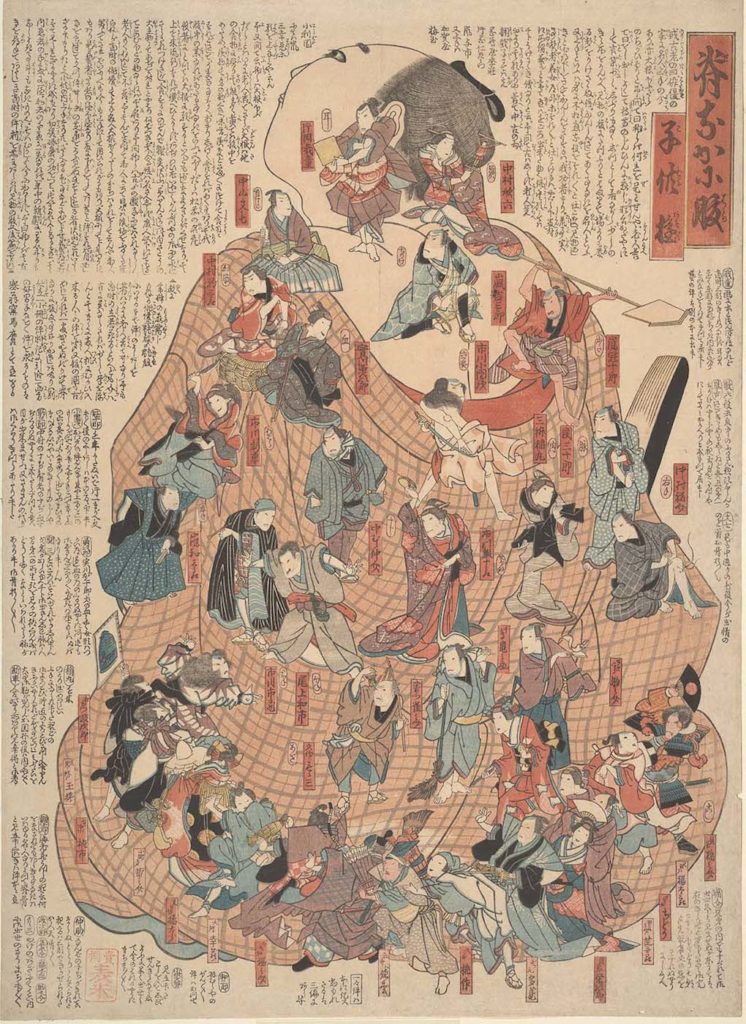
- Bridging Art and Science: These prints demonstrate a historical period where the lines between art and science were more fluid. Artistic expression was a valid and effective tool for conveying scientific information, especially when direct empirical observation was limited.
- The Power of Metaphor and Symbolism: The anthropomorphization of internal organs and bodily processes highlights the enduring power of metaphor and symbolism in human understanding. By creating relatable characters and narratives, artists could make the abstract tangible and the complex comprehensible.
- Cultural Specificity of Health Concepts: The unique ways in which the Japanese depicted bodily functions reflect a distinct cultural framework for understanding health. The emphasis on balance, moderation, and the interconnectedness of physical and spiritual well-being are notable.
- Challenging Modern Perceptions: In an age of hyper-specialized medical knowledge, these prints serve as a valuable reminder of more holistic approaches to understanding the human body. They encourage us to consider the aesthetic and narrative dimensions of biological understanding.
- The Evolution of Medical Illustration: Comparing these early illustrative efforts with modern medical diagrams reveals the significant evolution of scientific representation. However, the charm and educational effectiveness of the ukiyo-e approach remain undeniable.
- A Legacy of Visual Pedagogy: The ukiyo-e anatomical prints stand as a testament to the long-standing tradition of visual pedagogy. They demonstrate how art can be a powerful vehicle for transmitting knowledge, shaping attitudes, and fostering a deeper understanding of ourselves and our place in the world.
In conclusion, these fascinating ukiyo-e anatomical prints are far more than mere artistic curiosities. They are historical documents that reveal a creative and insightful approach to health education, demonstrating how art can illuminate the intricacies of the human body, promote well-being, and offer timeless lessons on the importance of balance and self-awareness. They invite us to appreciate the diverse ways in which humanity has sought to understand and represent the miracle of the human form across centuries and cultures.