The Evolving Landscape of Aging: Embracing Growth Beyond the Years
Byline: [Your Name/Pseudonym]
Introduction: A Dual Journey of Existence
The human journey is intrinsically defined by two profound and transformative processes: growing up and growing old. These are not merely biological stages but encompass the very essence of human consciousness, representing significant achievements and ongoing challenges. As we navigate the complexities of life, our ability to perceive the world around us, both objectively through our senses and subjectively through our minds, evolves. Yet, as the aging process unfolds, a subtle yet critical divergence can emerge. While many strive to maintain the acuity of their physical senses, a psychological withdrawal from the ever-changing currents of daily life can become a prevailing tendency. This retreat into the familiar, the comfortable past, can inadvertently diminish the vital spark of consciousness and the will to live vibrantly. This article delves into the multifaceted nature of aging, exploring the psychological and existential challenges, and highlighting the profound impact of continued engagement and growth on the quality of life in later years, drawing on personal reflections and timeless philosophical insights.
The Perceptual Dichotomy: Sensing the World, Experiencing Life
H2: The Objective Lens: Engaging with the Physical Realm
At its core, human consciousness is equipped with a remarkable dual capacity. Firstly, there is our ability to objectively perceive the existential and physical realities that surround us. This is the domain of our five senses – sight, sound, smell, taste, and touch – which act as our primary conduits to the external world. Through these senses, we construct a foundational understanding of our environment, registering the tangible aspects of our daily existence. The rustling leaves of autumn, the aroma of freshly brewed coffee, the warmth of the sun on our skin – these are the raw data points that inform our perception of reality. Maintaining the sharpness of these sensory faculties is a conscious effort for many as they age, a testament to the innate human desire to remain connected to the tangible world. This engagement with the physical realm provides a grounding, a constant reminder of the present moment and the enduring existence of the world beyond our internal states.
H3: The Subjective Symphony: The Inner World of Meaning
Secondly, and equally crucial, is our capacity for subjective experience. This realm is orchestrated by the intricate workings of our mind and brain, where perceived happenings are imbued with psychological meaning. It is here that feelings, thoughts, and evaluations intertwine, creating the rich tapestry of our emotional and cognitive lives. The same sensory input that objectively registers a sunset can subjectively evoke feelings of awe, nostalgia, or a sense of peace. This internal processing is what gives depth and significance to our experiences, transforming mere events into cherished memories, valuable lessons, or sources of profound reflection. The intensity and range of these subjective experiences are what truly define our engagement with life, shaping our understanding of ourselves and our place in the universe.
The Shifting Sands of Engagement: The Allure of the Past
H2: The Paradox of Perceptual Maintenance and Psychological Withdrawal
As individuals age, a peculiar paradox often emerges. While there is a strong inclination to keep the senses alert and engaged with the external world, a concurrent tendency towards psychological withdrawal from the dynamic nature of contemporary life can take root. This is not necessarily a conscious decision but rather a subtle shift in focus. The constant flux of societal values, technological advancements, and evolving social norms can feel overwhelming, prompting a retreat into the more predictable and familiar landscape of the past.
H3: The Comfort of the Familiar: A Shield Against Change
For many aging individuals, the past represents a well-trodden path, a landscape of established memories and deeply ingrained beliefs. This fixed and familiar structure of the mind offers a sense of security and comfort. Revisiting cherished memories, reminiscing about bygone eras, and holding onto established perspectives can feel easier and, in some ways, more meaningful than confronting the challenges of adapting to new ways of thinking and feeling. The effort required to re-evaluate long-held attitudes and to integrate novel perspectives can be perceived as arduous, even irritating. This resistance to mental recalibration stems from a deep-seated human preference for cognitive stability and the avoidance of cognitive dissonance.
H3: The Erosion of Consciousness: The Unseen Cost of Retreat
However, this retreat from new intellectual and emotional challenges carries a profound, albeit often unconscious, consequence. By diminishing the expanding range of consciousness that nature’s aging process might otherwise foster, the very will to continue living vibrantly can be weakened. Nature, in its wisdom, often propels us towards continued growth and adaptation. When we resist these prompts, we inadvertently stifle the vital force that fuels our engagement with life. This diminishing of consciousness can manifest as a gradual disengagement from the world, a fading of curiosity, and a lessening of the intrinsic drive to explore and understand.
The Timeless Wisdom: A Call to Action
H2: The Ancient Proverb: A Blueprint for Lifelong Growth
The adage, "Keep the Body in motion, and the Mind in action," serves as a timeless blueprint for navigating the complexities of aging. This simple yet profound statement encapsulates the essence of sustained vitality and the pursuit of lifelong growth. It suggests that the key to truly "growing up" rather than simply "growing old" lies in the synergistic interplay between physical activity and mental engagement. This principle underscores the interconnectedness of our physical and cognitive well-being, emphasizing that neither can thrive in isolation.
H3: The Interdependence of Body and Mind
The body, when kept in motion, not only maintains its physical capabilities but also stimulates neural pathways, enhances circulation, and releases endorphins that positively impact mood and cognitive function. Similarly, a mind that remains active, engaged in learning, problem-solving, and creative pursuits, fosters neuroplasticity, builds cognitive reserve, and guards against mental decline. When these two forces work in concert, they create a powerful engine for continued personal development, allowing individuals to approach each stage of life with a sense of purpose and vitality.
A Candid Conversation: The Weight of Age and the Resignation of Spirit
H2: An Encounter in the Coffee House: A Stark Illustration
The profound impact of these principles was brought into sharp relief during a recent encounter in a local coffee house. While engaged in conversation with an elderly gentleman, his perspective on his own aging process offered a poignant, and frankly, disheartening, illustration of the challenges discussed. At 75 years of age, he expressed a profound sense of resignation, stating he had ceased contemplating his daily existence and saw no inherent value in dwelling on past events.
H3: The Declaration of "Being Old": A Self-Imposed Limit
His pronouncement, "I was now 75 years of age, an old man," carried a weight that suggested a self-imposed limitation. He articulated a lack of strong opinions, a passive acceptance of his current state, and a feeling of simply "growing old," of "coasting to the end." This sentiment, while perhaps understandable on a surface level, represented a surrender to the passive definition of aging, a relinquishing of the active engagement that fuels continued growth.
H3: The Futility of Argument: A Moment of Understanding
In such moments, one often senses the futility of direct argument or even protracted discussion. The individual’s mindset appeared deeply entrenched, and the prospect of engaging him in a dialogue about the ongoing quest for consciousness seemed unlikely to spark genuine interest. His perspective highlighted the stark reality that for some, the cessation of active mental engagement marks a significant turning point, a perceived endpoint rather than a transition.
The Unending Quest: A Personal Testimony of Lifelong Growth
H2: The Persistent Question: "Why and Wherefore?"
The elderly gentleman’s perspective stood in stark contrast to a deeply ingrained personal experience. There are moments when the individual’s own life narrative compels a continuation of the internal dialogue, a persistent questioning of existence: "Why and wherefore, to what end?" This intrinsic curiosity, this drive to understand the purpose and direction of life, is a hallmark of an actively engaged consciousness, regardless of age.
H3: The Active Life as a Catalyst for the Mind
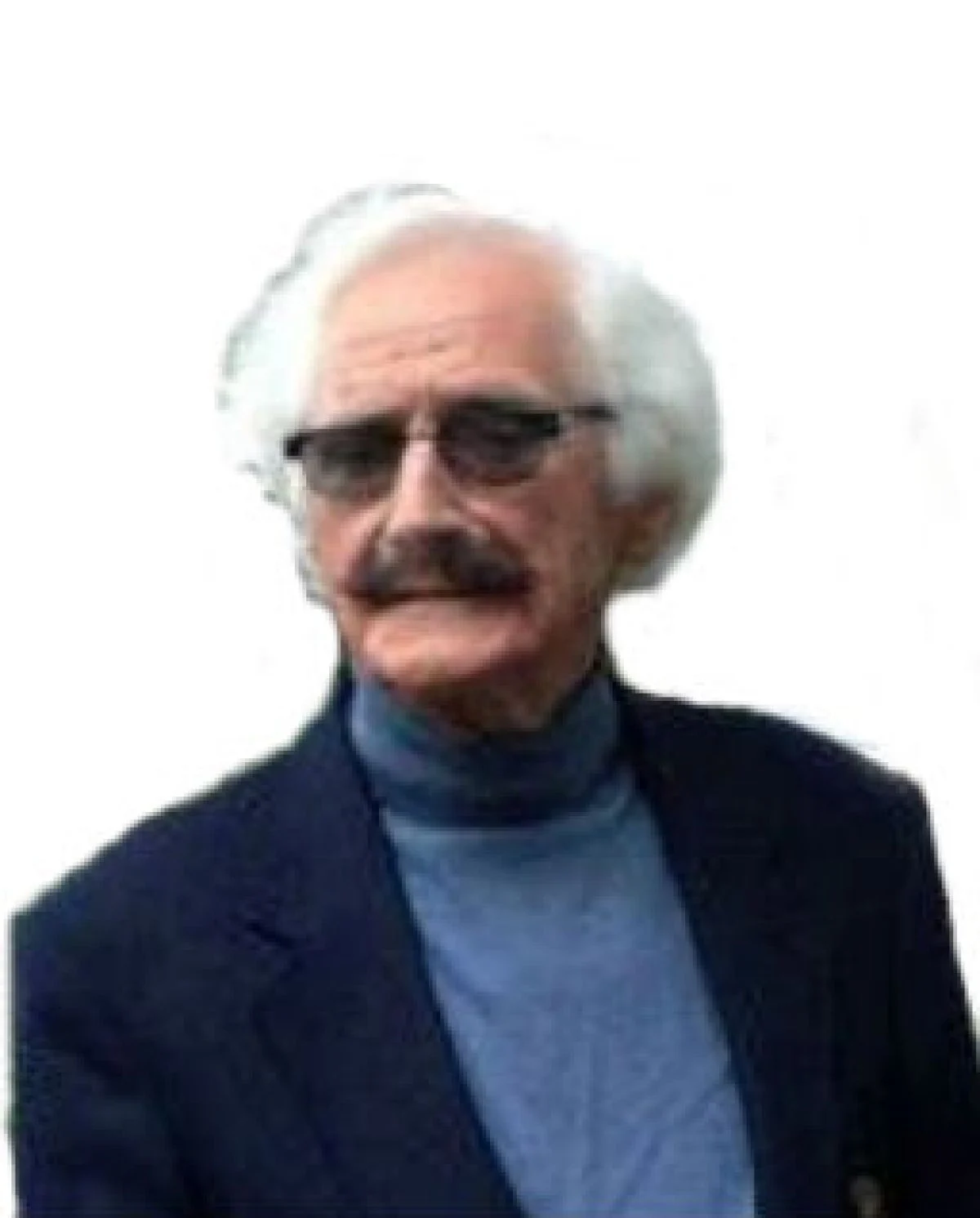
From personal experience, particularly following a recent 94th birthday, the principle of remaining active as long as physically possible has proven to be a powerful catalyst for mental engagement. The conscious effort to avoid the passive comfort of the armchair and to embrace an active lifestyle has demonstrably intensified the mind’s quest for understanding. This physical impetus, in turn, propels the mind forward, fostering a dynamic interplay that sustains intellectual vitality.
H3: The Intensification of the Quest: A Journey of Discovery
The result of this sustained active engagement is a continuous process of psychological growth. The mental overview of life, far from becoming static, continues to evolve. Reflecting on the past, the intensity and frequency of these existential questions were notably less pronounced at 75 compared to the present. This suggests that the active engagement with life, the continuous probing of existence, not only sustains but amplifies the mind’s capacity for inquiry and understanding as one ages. It is a testament to the fact that "growing up" can indeed be a lifelong endeavor.
Echoes Through Time: Philosophical Perspectives on Aging
H2: Ancient Wisdom and Modern Reflections: Two Sides of the Coin
The dialogue surrounding aging, its challenges, and its potential for fulfillment has resonated throughout human history. Two poignant quotations, separated by approximately 2,500 years, offer profound insights into the multifaceted nature of old age and the human condition. These timeless reflections provide a valuable framework for understanding the enduring themes that accompany the aging process.
H3: Plato’s Vision: The Calm Freedom of Release
From the ancient world, the philosopher Plato offered a perspective that emphasizes the potential for a profound sense of calm and freedom in old age. He stated, "Old age has a great sense of calm and freedom. When the passions have relaxed their hold, you have escaped not from one master, but from many." Plato suggests that as the intensity of youthful passions subsides, individuals are liberated from the often-demanding grip of desires, ambitions, and emotional volatility. This liberation allows for a greater sense of inner peace and a more objective, perhaps even serene, engagement with the world. It speaks to a state of being where the internal turmoil of youth gives way to a more settled and reflective existence.
H3: Oscar Wilde’s Paradox: The Tragedy of Stagnation
In stark contrast, the celebrated playwright and wit, Oscar Wilde, offered a more paradoxical and perhaps unsettling observation: "The tragedy of old age is not that one is old, but that one is young." Wilde’s statement can be interpreted in several ways, but it powerfully suggests that the true tragedy of aging lies not in the physical decline or the passage of years, but in the failure to continue growing, learning, and evolving. To be "young" in Wilde’s context likely refers to a state of mental inertia, of clinging to youthful impulsivity or a lack of intellectual or emotional maturity that persists into old age. It implies that the greatest loss is not the vibrancy of youth, but the loss of the capacity for continued growth and adaptation that characterizes a truly youthful spirit.
Conclusion: The Choice to Flourish
The journey of aging is not a predetermined descent into decline but a dynamic process shaped by our choices and our engagement with life. While the allure of the past and the comfort of the familiar can be strong, the profound benefits of continued mental and physical activity are undeniable. By embracing the principle of keeping the body in motion and the mind in action, we can transcend the passive definition of "growing old" and actively cultivate a state of lifelong "growing up." The philosophical insights of Plato and Wilde, though seemingly disparate, ultimately converge on the importance of conscious engagement. Plato speaks of the freedom found in release from the passions, a freedom that can be best appreciated when the mind remains active and reflective. Wilde’s tragedy lies in the arrested development, the failure to evolve, highlighting the imperative for continuous growth.
Ultimately, the decision to remain intellectually curious, emotionally open, and physically engaged rests with each individual. The experience of those who have lived vibrantly into their later years, such as the 94-year-old reflecting on their intensified quest, serves as a powerful testament to the transformative potential of sustained growth. The challenge of aging is not to escape its realities but to embrace its possibilities, to continually seek new horizons, and to ensure that the journey through life remains a testament to the enduring power of human consciousness. The choice, as always, is ours: to coast to the end, or to continue the lifelong process of growing up, enriching our existence with every passing year.