The Enigma of Generation 10: Unearthing the "Yellow Shellos" and the Future of Pokémon Winds and Waves
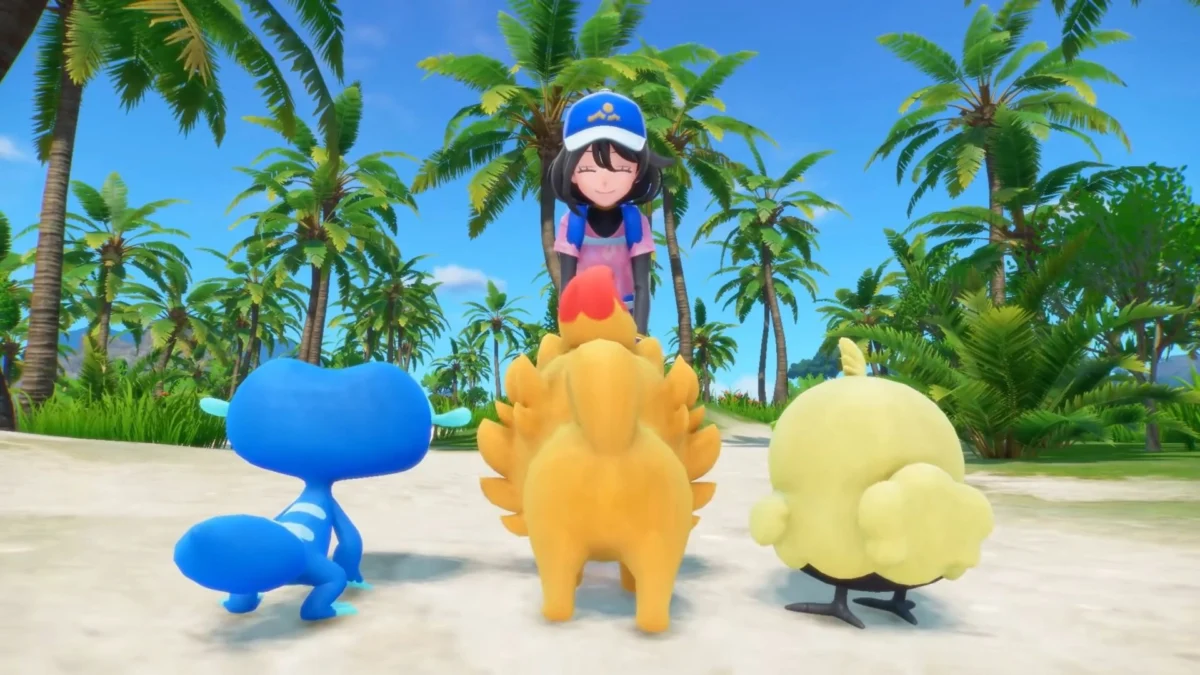
The Pokémon franchise has long existed in a state of dual reality: the polished, official narrative presented by The Pokémon Company and Nintendo, and the shadowy, speculative world of "leaks" and data-mining that keeps the fanbase in a perpetual state of fervor. Currently, the spotlight is fixed on the purported tenth generation of the series, tentatively titled Pokémon Winds and Waves. While official information remains scarce—consisting of little more than a singular, cryptic trailer—the digital archaeology of the series’ past has recently unearthed a potential goldmine of information regarding the future.
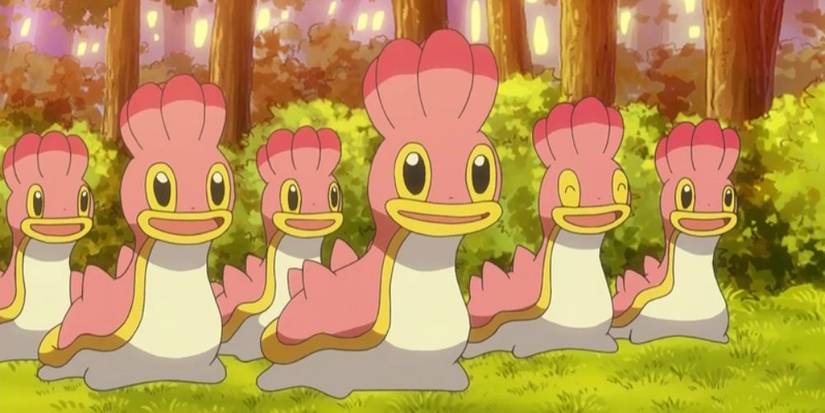
Central to this latest wave of speculation is a discovery that bridges the gap between 2006’s Pokémon Diamond and Pearl and the upcoming Gen 10. Through the archival work of prominent Pokémon historians and the analysis of decades-old development footage, a "lost" design for the sea-slug Pokémon, Shellos and Gastrodon, has surfaced. This discovery suggests that a new regional variant—a yellow Shellos—may finally be making its debut in Pokémon Winds and Waves, over twenty years after its initial conception.
Main Facts: The "Winds and Waves" Landscape
As of mid-2026, the Pokémon community is navigating a sea of rumors regarding the next mainline entries. While The Pokémon Company has not officially confirmed the title Winds and Waves, the name has gained significant traction following a series of high-profile leaks that have accurately predicted developmental milestones in the past.
The core facts surrounding the current state of Gen 10 include:
- The Scope of the Pokédex: Leaks suggest that Winds and Waves will introduce an unprecedented number of new species, with some sources claiming as many as 300 new Pokémon. This would shatter previous records for a single generation.
- Pricing and Platform: Rumors indicate a potential price increase to $69.99, aligning with current industry standards for "AAAA" titles, likely coinciding with the launch of Nintendo’s successor to the Switch.
- The "Yellow Shellos" Connection: A prototype design found in a Game Freak documentary from the mid-2000s depicts a golden-yellow variant of Gastrodon with distinct anatomical differences (such as rudimentary legs). This design is now being linked to lore found in Pokémon Pokopia (a reference to the Pokétopia setting or related promotional materials), which explicitly mentions the search for a "heretofore unknown yellow Shellos."
Chronology: From Sinnoh Prototypes to Modern Discoveries
To understand the significance of the yellow Shellos, one must look back at the convoluted development history of Generation 4.
2004–2006: The Sinnoh Development Cycle
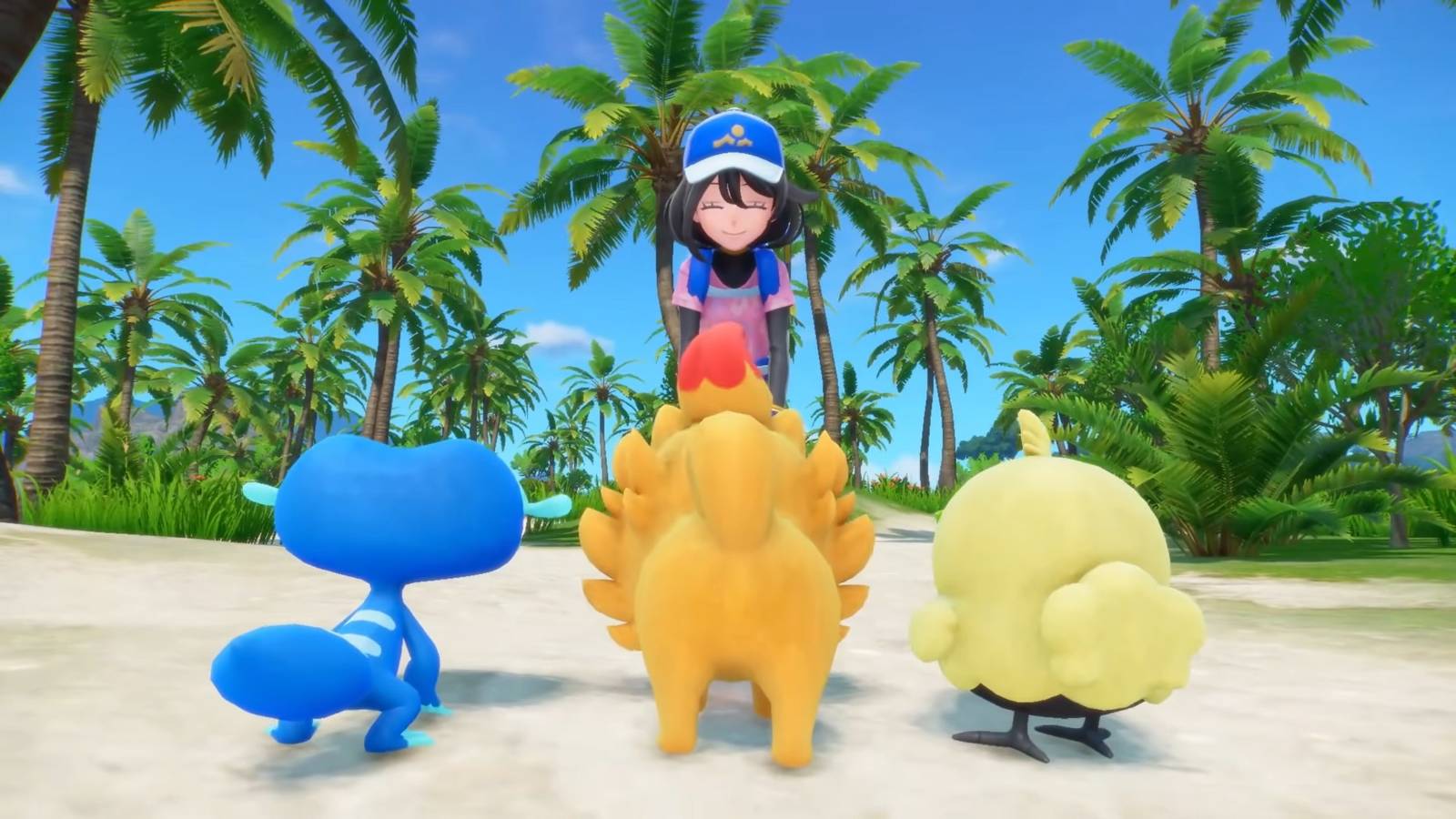
During the production of Pokémon Diamond and Pearl, Game Freak experimented heavily with the concept of environmental adaptation. Shellos and Gastrodon were the poster children for this mechanic, featuring "West Sea" (Pink) and "East Sea" (Blue) forms depending on which side of Sinnoh’s Mt. Coronet they were caught. However, internal documents and recent video archives suggest that a third form was originally considered.
July 2026: The Lewtwo Archive
The current firestorm of speculation was ignited by YouTuber and Pokémon historian Lewtwo. In a comprehensive documentary analysis, Lewtwo highlighted a quick panning shot from an old Game Freak "making-of" video. At the 18:35 mark, a sketch of a creature with the unmistakable silhouette of Gastrodon appears. Unlike the slug-like forms we know, this version possessed four small appendages and a striking golden-yellow, black, and orange color scheme.
The "Pokopia" Connection
Following the video’s release, fans connected the sketch to a specific piece of lore found in Pokémon Pokopia. The text reads: "Shellos changes its color and appearance based on its diet and the environment it lives in. We are researching day and night in an attempt to create a heretofore unknown yellow Shellos." For nearly two decades, this was dismissed as "flavor text"—a minor world-building detail with no mechanical weight. In the context of the Gen 10 leaks, it is now being viewed as a long-term "seed" planted by Game Freak.
Supporting Data: Analyzing Biology and Design Patterns
The potential inclusion of a yellow Shellos in Winds and Waves is supported by Game Freak’s historical habit of "recycling" discarded ideas.
The "Reserved Design" Strategy
Game Freak is notorious for holding onto designs for years, or even decades, before finding the right home for them.

- Example A: Munna, the Dream Eater Pokémon, was referenced by an NPC in Gen 1 ("I wish there was a pink Pokémon with a floral pattern…") but didn’t appear until Gen 5.
- Example B: Shellos itself was originally designed for Gen 3 (Ruby and Sapphire) but was pushed back to Gen 4 due to time constraints.
Given this pattern, the "Yellow Gastrodon" prototype is a prime candidate for a regional variant in a new environment.
Anatomical Differences
The prototype Gastrodon seen in the Lewtwo archive is not merely a color swap. The presence of legs suggests a "transitional" form or a variant that lives in a vastly different habitat—perhaps a sandy desert or a shallow reef where crawling is more advantageous than swimming. This aligns with the "Winds and Waves" theme, which suggests a focus on diverse coastal and aerial biomes.
The Scale of Gen 10
If the rumors of 300 new Pokémon are even partially true, Game Freak would need to rely heavily on regional variants to fill the Pokédex without diluting the "uniqueness" of the brand. Reintroducing a "lost" form of a fan-favorite like Gastrodon provides a sense of continuity and rewards long-term fans for their knowledge of the series’ history.
Official Responses and Developer Modus Operandi
As is standard practice, Nintendo and The Pokémon Company have declined to comment on the Winds and Waves leaks or the specific rumors regarding the yellow Shellos. The Pokémon Company’s legal team has historically been aggressive in taking down leaked assets, yet they rarely issue formal denials, preferring to let the official marketing cycle eventually override the rumor mill.
However, industry analysts point to Game Freak’s recent hiring trends and technological shifts as a silent confirmation of a massive project. The move to a more powerful hardware platform would allow for the high-fidelity rendering of environmental variants that were technically impossible during the DS era. The "Yellow Shellos" might have been cut in 2006 because the DS couldn’t handle three distinct high-quality sprites for a single, relatively common Pokémon, whereas modern hardware faces no such limitations.
Implications: What This Means for the Pokémon Franchise
The discovery of the yellow Shellos and its potential inclusion in Pokémon Winds and Waves carries several significant implications for the future of the franchise.
1. The Deepening of Regional Lore
By reaching back to the Diamond and Pearl era, Game Freak is signaling that the "Pokémon World" is a cohesive, interconnected ecosystem. It suggests that researchers in one region (Sinnoh) are aware of biological possibilities in others, creating a sense of a living, breathing scientific community within the games.
2. A Shift in Regional Variant Philosophy
Previously, regional variants (like Alolan Vulpix or Galarian Weezing) were often radical departures from the original design. The yellow Shellos represents a different approach: the "completion" of an original vision. This could mean that Gen 10 will feature other "lost" designs, such as the original, more draconic versions of Garchomp or the scrapped pre-evolutions for Ponyta and Doduo.
3. Expectations for "Winds and Waves"
The title Winds and Waves itself suggests a focus on fluid dynamics and environmental shifts. If Shellos changes based on "diet and environment," Gen 10 may introduce a more dynamic version of this mechanic—perhaps Pokémon that change color or form in real-time based on the weather or the specific terrain they inhabit during a battle.
Conclusion
While the "Yellow Shellos" remains, for now, a ghost in the machine of Pokémon’s past, its emergence from the archives has provided a rare glimpse into the creative process at Game Freak. Whether it appears as a regional variant in Pokémon Winds and Waves or remains a tantalizing "what if," the discovery underscores the enduring mystery that makes the Pokémon franchise a global phenomenon. For trainers waiting for the next great adventure, the message is clear: the answers to the future are often hidden in the sketches of the past.