Burger King’s "Boomer King" Campaign: A Nostalgic Gamble with Gen Z’s Approval
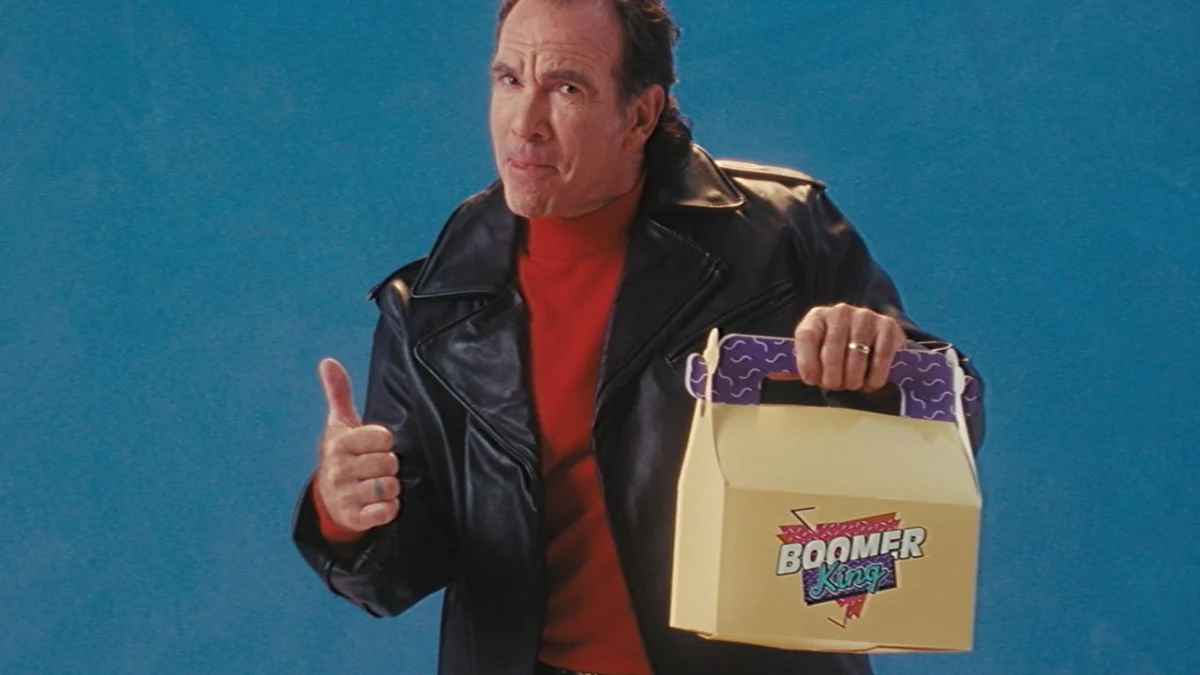
Burger King’s latest marketing endeavor, the "Boomer King" campaign, is a bold and unapologetic dive into nostalgia, targeting a demographic that might seem an unlikely customer base for a fast-food giant. This campaign, spearheaded by the creative agency Buzzman, playfully co-opts the term "boomer" to celebrate the pop culture of the 1980s and 1990s, offering a limited-edition menu and branded merchandise that evokes a bygone era. While the internet’s penchant for nostalgia is well-documented, Burger King’s approach is refreshingly direct, embracing a trend to the point of self-parody. This strategy, however, begs the question: can a campaign that leans so heavily on the past truly resonate with today’s consumers, particularly the younger generations who are often driving cultural conversations?
The campaign’s success hinges on its ability to tap into a collective memory, offering a sense of comfort and familiarity in a rapidly evolving world. By explicitly linking its offerings to iconic ’80s and ’90s television shows and films, Burger King aims to create an emotional connection with consumers who grew up with these touchstones. This isn’t just about selling burgers; it’s about selling an experience, a trip down memory lane, and a gentle, humorous acknowledgment of aging and the passage of time.
The Genesis of "Boomer King": Tapping into the Nostalgia Wave
The internet’s enduring fascination with nostalgia is a powerful force in modern marketing. From reboots of beloved films and television shows to the resurgence of retro fashion and music, brands have increasingly recognized the commercial potential of the past. This trend, often referred to as "nostalgia marketing," leverages the emotional resonance of past experiences to build brand loyalty and drive sales. Burger King’s "Boomer King" campaign is a prime example of this strategy, but it distinguishes itself through its overt and playful approach.
The campaign’s name itself is a deliberate provocation, playfully appropriating the term "boomer," which has often been used pejoratively to describe older generations perceived as out of touch. By embracing this label, Burger King flips the script, transforming it into a badge of honor for those who fondly remember the cultural landscape of the 1980s and 1990s. This self-aware irony is central to the campaign’s appeal, demonstrating a willingness by the brand to engage in a bit of playful self-deprecation.
The creative agency Buzzman, known for its innovative and often boundary-pushing campaigns, is behind the "Boomer King" concept. Their work for Burger King France demonstrates a keen understanding of contemporary marketing trends and a willingness to take risks. The campaign’s visual identity and advertising materials are steeped in retro aesthetics, evoking the vibrant and sometimes kitschy styles of the decades it celebrates. This meticulous attention to detail ensures that the nostalgia feels authentic and immersive, rather than superficial.
A Blast from the Past: The "Boomer King" Menu and Merchandise
At the heart of the "Boomer King" campaign lies a specially curated menu and a collection of exclusive merchandise designed to transport consumers back in time. While the specifics of the menu might vary, the underlying theme is a celebration of classic fast-food comfort food, potentially with a retro twist. This could involve reimagined versions of popular items from past decades or entirely new creations inspired by ’80s and ’90s culinary trends.
However, the true stars of the "Boomer King" offering are the branded merchandise. These items are carefully selected to appeal to the pop culture sensibilities of the target demographic. Examples include:
- "Saved by the Bell" Socks: Referencing the iconic high school sitcom, these socks likely feature bold colors and patterns reminiscent of the show’s vibrant aesthetic.
- "Knight Rider" T-shirt: A nod to the classic ’80s series, this merchandise taps into the era’s fascination with futuristic technology and crime-fighting heroes.
- "Charmed" Mug: Evoking the popular supernatural drama of the late ’90s, this mug offers a cozy way for fans to enjoy their morning coffee or tea.
- "Beverly Hills, 90210" Branded Glass: This item plays on the glamorous and aspirational world of the quintessential ’90s teen drama, offering a touch of West Coast cool.
The inclusion of these specific items is strategic. They are not just random trinkets but recognizable cultural artifacts that carry significant emotional weight for those who grew up with them. By associating its brand with these beloved pieces of pop culture, Burger King aims to create a deeper, more personal connection with its audience. The campaign doesn’t just sell food; it sells memories and a shared cultural experience.
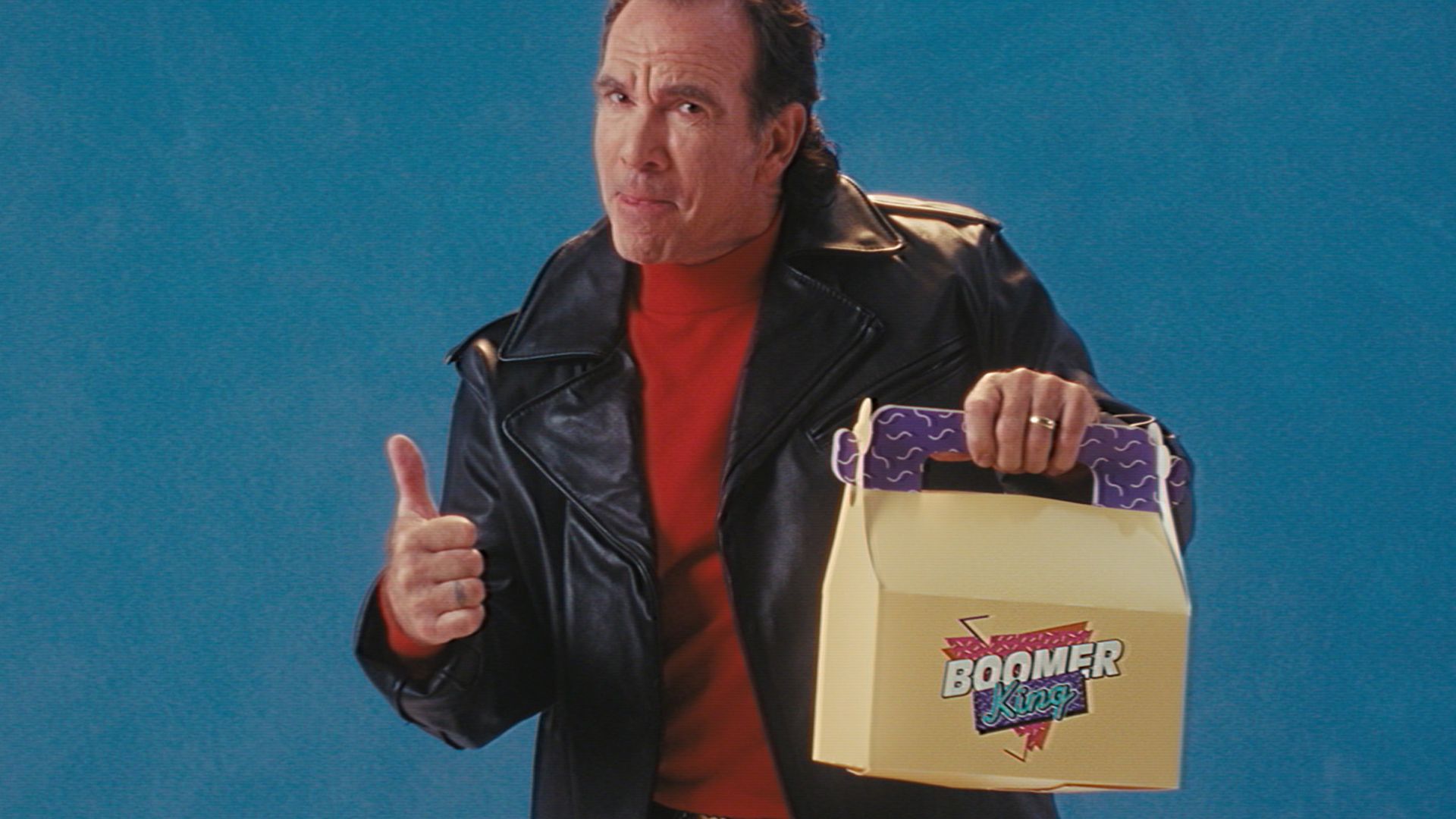
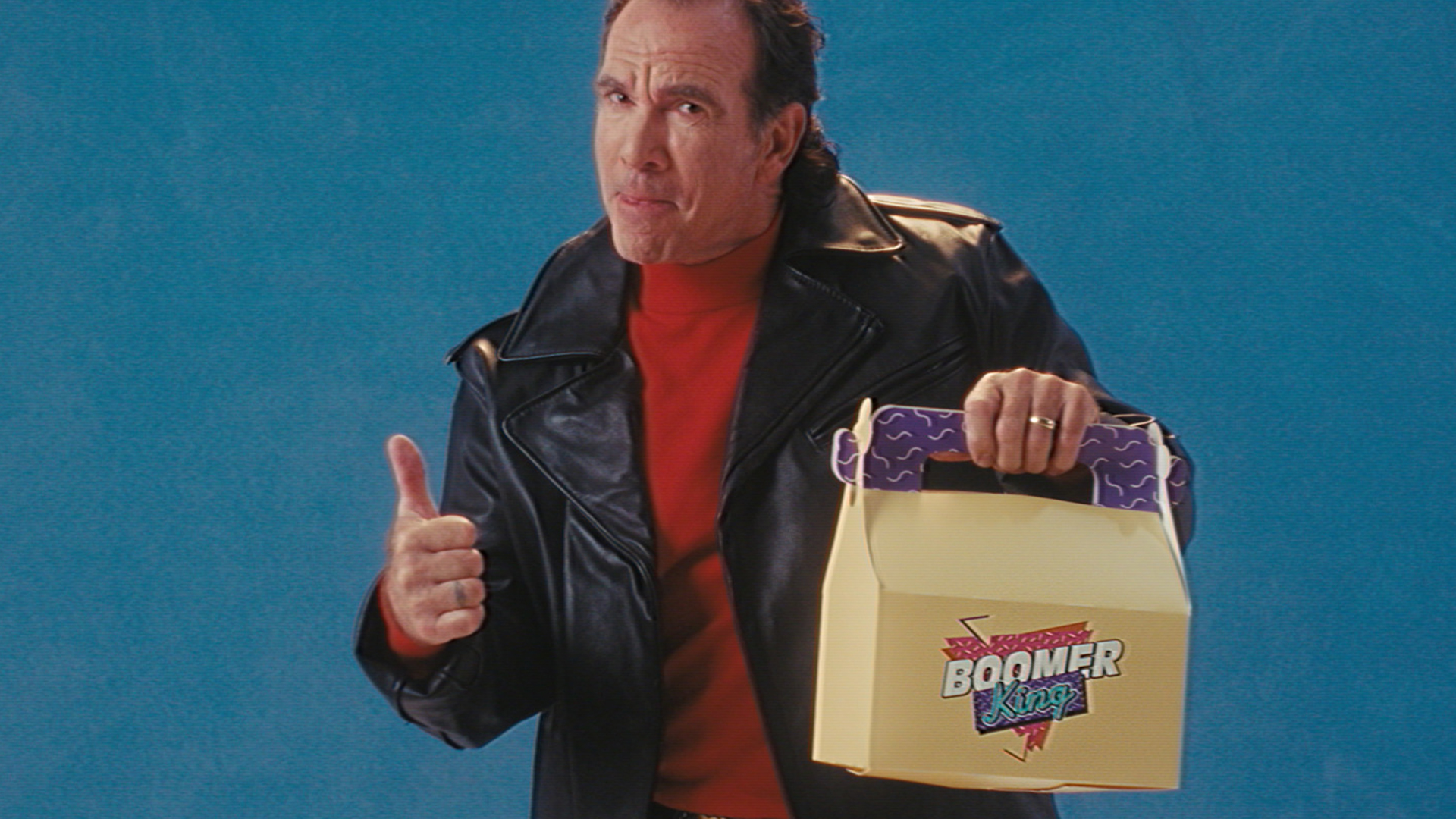
The accompanying advertisement for the "Boomer King" campaign is a masterclass in playful provocation. It reportedly features visual gags and scenarios that humorously exaggerate the stereotypes associated with aging, such as bald spots, back pain, and flying wigs. This self-deprecating humor is key to the campaign’s success, as it allows the brand to poke fun at its target audience without being offensive, fostering a sense of camaraderie and shared understanding.
The Strategic Implications: Why This Campaign Could Work
Burger King’s "Boomer King" campaign is more than just a fleeting marketing gimmick; it represents a strategic shift in how brands can engage with diverse consumer segments. In an era where younger generations often lead cultural conversations and set trends, brands are increasingly looking for innovative ways to connect with a broader audience. This campaign, while seemingly targeting an older demographic, has the potential to resonate across generations for several reasons.
Cross-Generational Appeal Through Shared Pop Culture:
While the "Boomer King" campaign explicitly targets nostalgia for the ’80s and ’90s, the influence of this era’s pop culture extends far beyond those who directly experienced it. Gen Z and Millennials, who were either children or too young to fully appreciate these cultural touchstones during their original run, have been exposed to them through reboots, streaming services, and the general cyclical nature of trends. This means that the references can still be understood and appreciated by younger audiences, albeit through a different lens. The campaign’s humor and self-awareness can also appeal to younger consumers who value authenticity and brands that don’t take themselves too seriously.
Leveraging Authenticity and Self-Awareness:
In a crowded marketplace, authenticity is a valuable commodity. Burger King’s "Boomer King" campaign excels in this regard by being unapologetically self-aware. The brand acknowledges the prevalence of nostalgia marketing and embraces it with a wink and a nudge. This meta-commentary on advertising trends makes the campaign more engaging and less likely to be perceived as a cynical cash grab. By poking fun at itself and its target audience, Burger King builds trust and a sense of shared experience.
Disrupting Traditional Marketing Paradigms:
Traditional advertising often focuses on aspirational lifestyles or immediate product benefits. "Boomer King," however, taps into a different kind of desire: the longing for comfort, familiarity, and the positive memories associated with one’s formative years. This emotional connection can be more powerful and enduring than fleeting trends or superficial appeals. By choosing to celebrate a demographic often overlooked in mainstream marketing, Burger King is carving out a unique niche and challenging the conventional wisdom of targeting solely younger consumers.
Building Brand Personality and Memorability:
Memorable campaigns are often those that evoke strong emotions and spark conversation. The "Boomer King" campaign, with its bold name and playful execution, is highly likely to generate buzz. Whether through amusement, surprise, or even mild controversy, the campaign will undoubtedly leave a lasting impression. This memorability is crucial for brand recall and can translate into increased customer engagement and loyalty.
A Tactical Approach to Market Segmentation:
While the campaign playfully labels its target audience as "boomers," it’s important to recognize that this is a broad and potentially diverse group. The ’80s and ’90s encompassed a wide range of cultural experiences, and the campaign’s merchandise and menu likely cater to various sub-segments within this demographic. By offering a variety of nostalgic touchpoints, Burger King increases its chances of resonating with a wider swathe of consumers who share these formative memories. This sophisticated approach to market segmentation, disguised as a lighthearted campaign, is a testament to effective marketing strategy.
Official Responses and Reactions
The "Boomer King" campaign, as a creative endeavor, has been met with a mix of amusement, appreciation, and a touch of online dissection. While direct "official responses" from Burger King corporate beyond promotional materials are scarce, the campaign’s reception on social media and within marketing circles provides valuable insights.
Positive Reception and Social Media Buzz:
The campaign’s playful and self-aware tone has generally been well-received. Many consumers, particularly those who identify with the ’80s and ’90s generation, have expressed delight at the nod to their past. Social media platforms have been abuzz with discussions about the campaign, with users sharing their favorite nostalgic references and expressing enthusiasm for the branded merchandise. The humorous advertisements, which lean into stereotypes of aging, have also garnered appreciation for their bold and lighthearted approach.
Marketing Industry Acclaim:
The "Boomer King" campaign has been recognized within the marketing and advertising industry for its innovative approach. Agencies and marketing professionals have praised its ability to tap into a powerful cultural trend with a unique and engaging execution. The campaign’s success highlights the effectiveness of nostalgia marketing when done with creativity and a strong sense of brand personality. Buzzman’s role in crafting such a memorable campaign has also been noted, further cementing their reputation as a forward-thinking creative agency.
Potential for Generational Bridging:
While the campaign’s primary target might be those who lived through the ’80s and ’90s, its success in generating discussion across social media platforms suggests a potential for intergenerational appeal. Younger consumers, while not directly experiencing the nostalgia, can appreciate the humor and the cultural references. This can lead to conversations between different age groups about shared pop culture, fostering a sense of connection and understanding. The campaign, therefore, can serve as a bridge between generations, sparking dialogue around shared cultural touchstones.
The "Canada Dry" Analogy:
The article’s mention of "they’re bringing back Canada Dry" is a clever, albeit slightly obscure, reference. In the context of nostalgia, it likely refers to the resurgence of a classic, perhaps once overlooked, brand or product that evokes a sense of comforting familiarity. This analogy subtly reinforces the campaign’s theme of revival and the enduring appeal of established, well-loved entities.
Broader Implications and Future Trends
The "Boomer King" campaign is not just a standalone marketing effort; it reflects broader trends in consumer behavior and brand strategy. Its success could signal a shift in how brands approach market segmentation and engagement.
The Evolving Definition of "Nostalgia":
As time progresses, the definition of "nostalgia" itself evolves. What was once considered "old" becomes "retro," and then eventually, "classic." Burger King’s campaign recognizes this fluidity, targeting a generation whose formative years are now firmly in the rearview mirror. This suggests that brands will continue to explore different eras of nostalgia, potentially looking towards the early 2000s or even the late 2000s as future sources of inspiration.
The Power of Emotional Resonance in Marketing:
In an increasingly saturated digital landscape, brands are finding it more challenging to cut through the noise. Emotional resonance, rather than purely functional benefits, is becoming a key differentiator. Campaigns that evoke positive feelings, trigger memories, and create a sense of connection are more likely to be memorable and impactful. The "Boomer King" campaign, by tapping into the emotional landscape of its target audience, exemplifies this trend.
The Rise of Self-Aware and Ironic Marketing:
Consumers, particularly younger ones, are increasingly drawn to brands that exhibit self-awareness and a sense of humor. They are less receptive to overly earnest or overtly promotional messaging. Campaigns that acknowledge their own marketing efforts, employ irony, and engage in playful self-deprecation are more likely to resonate. Burger King’s willingness to use the term "boomer" in a humorous context is a prime example of this growing trend.
The Blurring Lines Between Demographics:
While the "Boomer King" campaign has a specific target audience in mind, its success highlights the diminishing clarity of traditional demographic lines. Pop culture is increasingly democratized and shared across generations. This means that campaigns designed for one demographic can inadvertently, or intentionally, appeal to others. Brands may need to adopt more nuanced strategies that acknowledge this cross-pollination of interests and influences.
The Future of Brand Storytelling:
Burger King’s campaign is a testament to the power of storytelling in brand marketing. By weaving a narrative around nostalgia and cultural touchstones, the brand creates a richer and more engaging experience for consumers. The future of brand storytelling will likely involve more immersive and interactive narratives that invite consumers to participate and connect on a deeper level.
In conclusion, Burger King’s "Boomer King" campaign is a masterclass in leveraging nostalgia with a bold, self-aware, and ultimately charming approach. By playfully embracing the term "boomer" and celebrating the pop culture of the ’80s and ’90s, the fast-food giant has managed to create a buzz that transcends its primary target demographic. The campaign’s success lies not only in its nostalgic merchandise and humorous advertising but also in its understanding of contemporary marketing trends, its ability to foster emotional connections, and its willingness to take risks. As brands continue to navigate an increasingly complex and fragmented media landscape, the "Boomer King" campaign serves as a compelling case study in how to engage consumers by tapping into shared memories and a healthy dose of playful irony. The question remains: what era will Burger King revisit next?