The Enduring Legacy of the Mother Wound: Understanding and Healing the Internalized "Death Mother"

[Main Facts/Core Thesis]
The pervasive human experience of loneliness, emptiness, anxiety, and an unfulfilled longing for unconditional love often traces its roots to a profoundly impactful, yet frequently unacknowledged, source: the wounded child within. Across various psychotherapeutic and spiritual disciplines, a central truth emerges – much adult suffering stems from unresolved childhood traumas, particularly those involving early attachment figures. Among these, the "mother wound" stands out due to the mother’s foundational role as our first home and primary connection to the world.
This article delves into the intricate nature of the mother wound, exploring its origins in neglectful, abandoning, or otherwise abusive upbringings. It introduces the psychological concept of the "Death Mother" archetype, examining how its external manifestation can lead to a deeply internalized critic and saboteur. Crucially, this exploration is not about assigning blame but fostering understanding, empowering individuals to embark on a proactive healing journey through the transformative practice of self-mothering.
The Foundational Role of Early Attachment
From the moment of conception, the mother-child bond shapes an individual’s sense of self, security, and capacity for connection. This initial relationship forms the blueprint for all subsequent relationships and for how one perceives the world and their place within it. When this primary bond is characterized by emotional unavailability, criticism, neglect, or overt abuse, a profound "mother wound" can develop. This wound isn’t merely a past event; it’s an active, influencing force that manifests in adult patterns of behavior, emotional regulation, and self-perception. The insatiable craving for unconditional love, often felt keenly by adults, is a direct echo of the unmet needs of this wounded inner child.
Dispelling the Blame Narrative: Towards Understanding and Healing
A common critique leveled against the concept of childhood trauma suggests that "blaming your parents for your struggles as an adult is ridiculous." However, this perspective fundamentally misunderstands the objective of trauma-informed healing. The discourse around the mother wound, or any childhood trauma, is emphatically not about shaming parents or engaging in a fruitless exercise of blame. Instead, it is an essential process of acknowledging the truth of what happened and understanding its indelible impact on one’s psychological architecture.
Psychological healing is predicated on awareness. Denial, conversely, serves only to perpetuate old patterns, keeping individuals trapped in cycles of suffering, self-sabotage, and unfulfilling relationships. By shining a light on these formative experiences, we move beyond victimhood towards empowerment. The goal is to understand the mechanisms through which early relational dynamics continue to operate in adulthood, thereby enabling individuals to reclaim their agency and embark on a path of growth and thriving. As many practitioners and individuals attest, it is our inherent right to live from our whole selves, and the process of "re-mothering" oneself offers a potent pathway to achieving this, universally applicable to men, women, and non-binary individuals alike. As articulated in the Adult Children of Alcoholics/Dysfunctional Families World Service Organization’s Loving Parent Guidebook, "Becoming our own loving parent is at the core of healing from a dysfunctional childhood and the gateway to the gifts of the child within."
[Chronology/Development of Concepts]
The "Death Mother" Archetype: A Deep Dive into Psychological Origins
The concept of the "Death Mother" or "Devouring Mother" is a powerful psychological archetype with roots in analytical psychology, first articulated by Swiss psychiatrist Carl Jung. Later, Jungian analyst Marion Woodman significantly expanded upon this archetype, offering deeper insights into its manifestation and impact on the psyche. This archetype represents the shadow side of the nurturing, life-giving "Great Mother" – a universal symbol of creation, sustenance, and unconditional love. While the Great Mother embodies warmth, acceptance, and growth, her shadow counterpart embodies stagnation, control, and the suffocation of the individual spirit.

Carl Jung, Marion Woodman, and the Shadow of the Great Mother
Carl Jung’s theory of archetypes posits universal, archaic patterns and images that derive from the collective unconscious and are the psychic counterpart of instinct. The Great Mother is one such primal archetype, representing the feminine principle of creation, fertility, and nourishment. However, Jung recognized that every archetype possesses a shadow aspect – a destructive or negative potential. For the Great Mother, this shadow manifests as the Devouring Mother, an entity that, rather than fostering life, seeks to absorb, control, or annihilate it, preventing individuation and autonomous development.
Marion Woodman, through her extensive work with women’s psychology and addiction, deepened the understanding of the Death Mother. She observed how this archetype, often internalized, can manifest as a powerful inner critic, a force that stifles creativity, passion, and authentic self-expression. Woodman’s contributions illuminated the subtle, insidious ways this archetype operates, not just through overtly abusive parents, but also through emotionally absent, enmeshed, or perfectionistic maternal figures.
Manifestations in Culture and Personal Experience
The disturbing and often chilling idea of the Death Mother archetype frequently appears in fiction, serving as a powerful narrative device to explore themes of psychological oppression and arrested development. Iconic examples include:
- Coraline (2009): The "Other Mother," with her button eyes and sinister agenda, perfectly embodies the devouring mother who promises unconditional love and fulfillment but seeks to consume the child’s soul.
- Hereditary (2018): Annie Graham, tormented by her own mother’s legacy and her complex relationship with her children, inadvertently perpetuates a cycle of trauma, mirroring aspects of the Death Mother’s destructive influence.
- Carrie (1976): Margaret White, Carrie’s fanatically religious and abusive mother, crushes her daughter’s spirit and independence, a literal and symbolic death to her individuality.
- Miss Havisham from Great Expectations: Trapped in perpetual grief and bitterness, she grooms Estella to exact revenge on men, effectively devouring Estella’s capacity for genuine love and happiness.
- Mrs. Lisbon from The Virgin Suicides: Her suffocating religiosity and inability to connect with her daughters contribute to their tragic isolation and eventual self-destruction, representing a passive but equally potent form of the Death Mother.
These fictional portrayals resonate because they tap into a deeply unsettling psychological reality. The Death Mother, as the shadow side of the nurturing Great Mother, embodies aspects of external and internalized maternal energy that are:
- Controlling and Manipulative: Seeking to dictate the child’s choices, thoughts, and feelings, often under the guise of "knowing best."
- Emotionally Unavailable: Incapable of providing genuine empathy, comfort, or attunement, leaving the child feeling unseen and unheard.
- Highly Critical and Shaming: Constantly finding fault, undermining self-worth, and instilling a sense of inadequacy.
- Neglectful (Physical or Emotional): Failing to meet basic needs for safety, care, or emotional connection.
- Overly Enmeshed/Smothering: Erasing the child’s boundaries, living vicariously through them, and preventing their individual development.
- Indifferent: Displaying a lack of interest or concern for the child’s well-being and experiences.
- Perfectionistic: Projecting impossibly high standards onto the child, leading to chronic anxiety and fear of failure.
- Sacrificing the Child’s Needs for Her Own: Prioritizing her own emotional, psychological, or material needs above the child’s.
- Envious: Secretly or overtly resenting the child’s youth, beauty, talents, or opportunities.
While this list highlights common characteristics, the manifestation of the Death Mother archetype can be incredibly varied and nuanced. Any pattern of maternal behavior that consistently stifles, diminishes, or fails to nourish the child’s burgeoning self can contribute to this wound. At its core, the Death Mother represents the "ice queen" – a Medusa-like figure whose emotional gaze turns one to stone, incapable of authentic expression or self-love.
Characteristics of the External "Death Mother"
When individuals are raised by mothers who exhibit traits associated with toxicity, narcissism, emotional immaturity, or dysfunction, they inevitably experience the debilitating energy of the Death Mother. This can manifest in numerous ways:
- Narcissistic Mothers: See their children as extensions of themselves, valuing them only for what they can provide (e.g., status, emotional support) rather than as independent beings. They are often incapable of genuine empathy.
- Emotionally Immature Mothers: Struggle with their own emotions, leading to inconsistent parenting, emotional outbursts, or complete withdrawal. They often rely on their children to meet their own emotional needs.
- Controlling Mothers: Micromanage every aspect of their child’s life, stifling autonomy and decision-making skills.
- Critical Mothers: Instill deep-seated feelings of inadequacy and shame through constant negative feedback.
- Neglectful Mothers: Fail to provide adequate physical or emotional care, leaving children feeling abandoned and unworthy.
The abandonment and abuse, whether overt or subtle, from such maternal figures accumulate over time, leading to significant psychological distress in adulthood. Common impacts include Complex Post-Traumatic Stress Disorder (CPTSD), various attachment disorders, addictive patterns as coping mechanisms, and a spectrum of mental health struggles such as depression, anxiety, and eating disorders.
[Supporting Data/Illustrations]
The Internalized "Death Mother": When the Wounds Become Self-Inflicted
The most insidious aspect of the Death Mother archetype is its capacity for internalization. As Jungian analyst Marion Woodman explained in a 2009 interview for the Journal of Archetype and Culture, "If we face Death Mother while growing up, we will inevitably internalize her, and if we have internalized her, then we will either project Death Mother onto others – seeing her in our boss, our lover, or our children, or we will act her out by directing her energy onto others, and/or onto ourselves. Until we begin to examine what we are carrying within our own psyches, we risk being possessed by the Death Mother archetype."
This internalization process means that the harsh, critical, or neglectful voice of the primary caregiver becomes an internal voice, a self-critic that perpetuates the original wound. This phenomenon is not gender-specific; it affects women, men, and non-binary individuals equally, as the archetype operates on a psychological level beyond biological sex.
The Mechanism of Internalization and Its Projections
Children, especially in their early developmental stages, are highly impressionable and dependent on their caregivers for their sense of reality and self-worth. When a mother consistently exhibits traits of the Death Mother, the child, in an attempt to make sense of their environment and maintain a sense of attachment (even if unhealthy), internalizes these messages and behaviors. They adapt to survive. This introjection means taking the external dynamic into the self, often believing that they are inherently flawed or unlovable, thus justifying the parent’s behavior.
Once internalized, this "Death Mother" energy can manifest in two primary ways:
- Projection onto Others: Individuals may unconsciously project this archetype onto authority figures, romantic partners, or even their own children, perceiving them as critical, controlling, or abandoning, even when objective evidence suggests otherwise. This can lead to cycles of conflict, mistrust, and relational instability.
- Direction onto Oneself: More commonly, the internalized Death Mother becomes a relentless inner critic, engaging in self-sabotage, self-neglect, and a profound sense of unworthiness. This internal dialogue often mirrors the exact criticisms and emotional deprivations experienced in childhood.
Recognizing the Echoes Within: Signs of an Internalized Wound
If the Death Mother archetype has been introjected, individuals may experience a range of debilitating signs, deeply impacting their daily lives and overall well-being. These can include:
- Chronic Self-Criticism: A relentless inner voice that judges, shames, and devalues one’s actions, appearance, and worth.
- Perfectionism and Fear of Failure: An intense drive to achieve flawless outcomes, coupled with paralyzing anxiety about making mistakes.
- Self-Sabotage: Unconsciously undermining one’s own success, happiness, or relationships.
- Difficulty with Trust: A profound inability to trust oneself or others, leading to isolation or superficial connections.
- Emotional Numbness or Hyper-Reactivity: A struggle to experience or express emotions authentically, often swinging between dissociation and overwhelming emotional responses.
- Chronic Feelings of Unworthiness and Shame: A pervasive belief that one is inherently flawed, unlovable, or not "good enough."
- Self-Neglect: A consistent disregard for one’s own physical, emotional, or spiritual needs.
- Difficulty Setting Boundaries: An inability to assert oneself or protect personal space, leading to exploitation or feeling overwhelmed.
- People-Pleasing: An excessive need for external validation, often at the expense of one’s own needs and desires.
- Addictive Behaviors: Turning to substances, activities, or relationships to cope with emotional pain or numb internal distress.
- Fear of Intimacy: A deep-seated fear of true connection, often leading to avoidance or pushing others away.
- Anhedonia: The inability to feel pleasure or joy in activities that are usually pleasurable.
- Procrastination: A chronic delay in starting or completing tasks, often linked to fear of judgment or failure.
- Body Image Issues: Dissatisfaction with one’s physical appearance, often stemming from internalized criticisms or feelings of inadequacy.
- Difficulty with Decision-Making: A pervasive indecisiveness, stemming from a lack of trust in one’s own judgment.
- Feeling "Lost" or Lacking Purpose: A profound sense of aimlessness or disconnection from one’s authentic self.
The solution to this pervasive internalized Death Mother energy lies in the process of reparenting, and more specifically, self-mothering. As Woodman eloquently states, "Children who are not loved in their very beingness do not know how to love themselves. As adults, they have to learn to nourish, to mother their own lost child." This conscious, intentional act of providing oneself with the care, validation, and unconditional love that was absent in childhood is the cornerstone of healing.

[Implications/Path to Healing]
Reclaiming Wholeness: The Transformative Power of Self-Mothering
The journey towards healing the mother wound and liberating oneself from the internalized Death Mother is a profound act of self-reclamation. It requires courage, introspection, and a commitment to nurturing the parts of oneself that were historically neglected or wounded. This process, often referred to as self-mothering, is beautifully encapsulated by the poet and teacher Jeff Foster:
If abandonment is the core wound
the disconnection from mother
the loss of wholeness
then the most potent medicine
is this ancient commitment
to never abandon
Yourself
to discover wholeness in the whole-mess
to be a loving mother
to your insides
to hold the broken bits
in warm open awareness
and to illuminate the sore places
with the light
of love
Learning how to mother oneself is a structured process that begins with foundational steps:
- Awareness: Recognizing the existence of the mother wound and its current impact on one’s life.
- Acknowledgment: Accepting the truth of past experiences and their consequences, without judgment or denial.
- The Vow to Stop Abandoning Yourself: A conscious, unwavering commitment to prioritize one’s own well-being and needs, breaking cycles of self-neglect.
The Pillars of Inner Work: A Holistic Approach
Inner work provides a comprehensive framework for navigating this healing path. It typically involves several interconnected "pillars" that guide individuals through the complexities of their inner landscape:
- Getting Embodied: Reconnecting with the physical body as a source of information, sensation, and groundedness. Many trauma survivors live disembodied, disconnected from their physical selves as a coping mechanism.
- Practicing Self-Compassion: Cultivating kindness, understanding, and acceptance towards oneself, especially in moments of suffering or perceived failure. This directly counters the internalized critic.
- Healing the Inner Child: Directly addressing the unmet needs, fears, and wounds of one’s younger self, offering the care and validation that was previously missing.
- Befriending the Shadow Self: Integrating disowned or repressed aspects of the personality – those parts deemed unacceptable or undesirable – to achieve greater wholeness.
These pillars are not linear steps but rather ongoing practices that collectively foster profound inner transformation. Resources such as comprehensive inner work guides or specialized journals can offer structured support for individuals embarking on this journey.
Practical Pathways to Self-Mothering: Three Foundational Practices
The renowned psychoanalyst Donald Kalsched, in Trauma and the Soul, observes, "In every adult there lurks a child—an eternal child, something that is becoming, is never completed, and calls for unceasing care, attention and education. That is the part of the human personality which wants to develop and become whole." This "eternal child," or divine child, within us all yearns for love, joy, and wholeness. Irrespective of gender identity, every individual possesses the innate capacity for self-kindness and nurturance. It is a matter of acquiring new skills and consciously unlearning detrimental patterns.
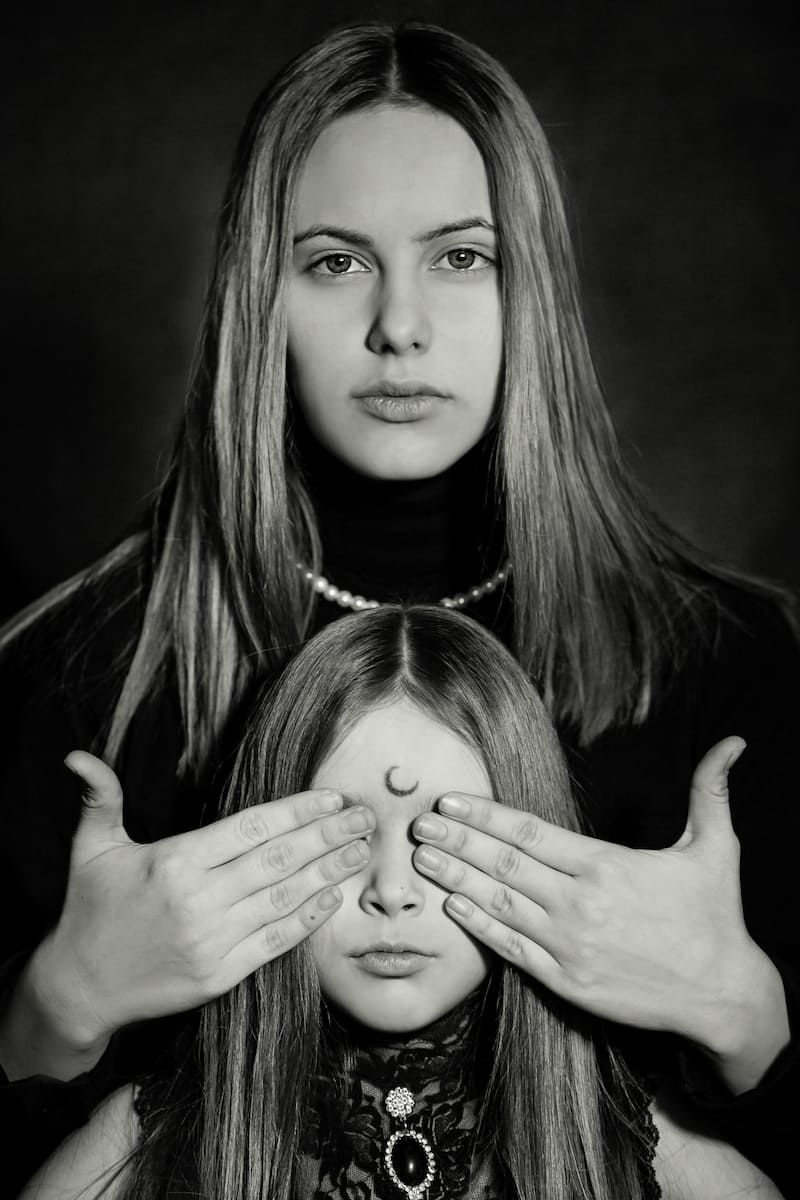
Self-mothering is widely regarded by practitioners and individuals alike as one of the most precious and deeply healing practices available. It facilitates a shift from self-hatred to self-compassion, from self-abandonment to self-care, and from self-sabotage to self-sovereignty. It’s a practice that can be woven into daily life through various techniques. For those ready to embark on this journey, three foundational self-healing practices are highly recommended:
1. Cultivating Somatic Awareness and Nervous System Regulation
Dr. Eugene Gendlin, the founder of the somatic healing practice known as Focusing, eloquently states, "You must learn to be with your negative feelings as you would be with a hurting child." He further emphasizes, "Real learning can occur only in dialogue with one’s body."
Befriending one’s body is the indispensable first step on the inner work path. Without this connection, individuals often exist in states of frozen dissociation or chronic hyper-arousal (fight-or-flight), preventing genuine emotional processing and healing. Self-mothering inherently involves caring for the physical vessel, finding groundedness, and re-establishing peace within one’s physiology. This includes fundamental self-care practices: consuming nutritious food, maintaining adequate hydration, engaging in regular physical activity, and ensuring sufficient sleep.
While these may seem basic, they are the bedrock of all psychospiritual healing. A healthy, regulated, and resilient nervous system is not merely desirable but essential for thriving physically, emotionally, mentally, and spiritually. Without this foundation, efforts at deeper psychological work may falter. Learning techniques for nervous system regulation, such as deep breathing exercises, mindfulness, or progressive muscle relaxation, provides the stability necessary for profound internal shifts.
2. Nurturing Self-Reflection Through Journaling
Journaling offers a uniquely powerful avenue for self-mothering due to its multi-sensory engagement. The act of physically writing or typing, articulating internal thoughts and feelings, and then visually processing those words on paper or screen, creates a potent therapeutic space.
Journaling serves as a doorway to seeing oneself and holding space for one’s innermost thoughts, fears, desires, and dreams. It can function as a therapeutic outlet for venting frustrations and a profound portal for accessing the deeper wisdom of one’s Soul. This habit can be integrated into daily life with as little as 3 minutes or extended to 30 minutes or more, depending on individual capacity and need.
For those who prefer a structured approach, guided journals specifically designed for healing the mother wound offer prompts to facilitate self-mothering. Alternatively, a free-wheeling approach, dedicating 5-10 minutes daily to explore themes related to the mother wound, can be equally effective. Simple daily questions, such as "How did I mother myself today?" or "What did my inner child need today?", can provide consistent opportunities for self-reflection and connection. Integrating this practice into one’s daily schedule ensures consistency and reinforces the commitment to self-care.

3. Disentangling from the Wounded Inner Child: Techniques for Adult Sovereignty
In Internal Family Systems (IFS) therapy, practitioners often speak of being "blended" or "enmeshed" with certain parts of oneself, with the wounded inner child being a prime example. It is entirely possible for adults to operate predominantly from the emotional state and perspective of their wounded younger selves without conscious awareness. This results in "5-year-olds-in-adult-bodies," navigating complex adult challenges with the coping mechanisms and emotional regulation capacities of a child. This state is largely unconscious and habitual, perpetuated by unaddressed past experiences.
Individuals who frequently experience chronic anxiety, are easily triggered by others’ moods or behaviors, exhibit heightened sensitivity to rejection, or feel overwhelmed and struggle to cope with daily life, are likely blended with their younger selves. The key to moving beyond this lies in the process of disentanglement.
This disentanglement involves several powerful techniques:
- Meditation Techniques: Practices that cultivate present moment awareness, such as learning to observe thoughts without judgment, create a vital distance between the adult self and the inner child’s emotional state.
- Mirror Work: Engaging in direct communication with one’s reflection in a mirror can be a potent way to acknowledge and speak to the inner child, establishing a conscious separation and fostering a nurturing relationship.
- Grounding Practices: Techniques that anchor one to the present moment through sensory awareness (e.g., focusing on breath, bodily sensations, or the immediate environment) help regulate the nervous system and bring the adult self back into a place of stability.
- Journaling: As mentioned previously, journaling provides a safe space to dialogue with the inner child, explore their fears, and offer reassurance.
- Practicing Self-Kindness: Intentionally choosing to respond to oneself with compassion and understanding, rather than criticism, gradually re-patterns internal responses.
Guided meditations specifically designed for inner child healing can also be invaluable tools, offering a structured and supportive environment to connect with and nurture these vulnerable parts of the self.
The Journey Forward: Gentleness, Consistency, and the Promise of Wholeness
The path of self-mothering is diverse, with numerous routes available for exploration. As Pete Walker, a psychotherapist specializing in complex trauma, affirms, "The most essential task of self-mothering is building a deeply felt sense that we are lovable and deserve to be loved. Self-mothering is the practice of loving and accepting the inner child in all phases of his mental, emotional, and physical experience."
Given the inherent pain and sensitivity associated with the mother wound, which often intertwines with fundamental core wounds, a gentle and consistent approach is paramount. Individuals are encouraged to proceed slowly, extending profound gentleness and patience towards themselves throughout the process. Concurrently, consistency is key. Integrating a "self-fathering" energy – which provides structure, discipline, and accountability – by dedicating a small, consistent segment of each day to this inner work can be highly beneficial. Adding these practices to a daily schedule ensures that the commitment is honored. Small, regular doses of this transformative work tend to yield the most sustainable and impactful results.
By consciously engaging in self-mothering practices, individuals can gradually heal the deep-seated wounds of the past, dismantle the internalized Death Mother, and cultivate an unshakeable sense of self-worth and inner peace. This journey ultimately leads to a profound reclamation of one’s whole self, fostering authentic connection, emotional resilience, and a life lived with greater purpose and joy.