Into the Heart of Rogax: Analyzing the Arrival of ‘Discovery: Rogue Planet’
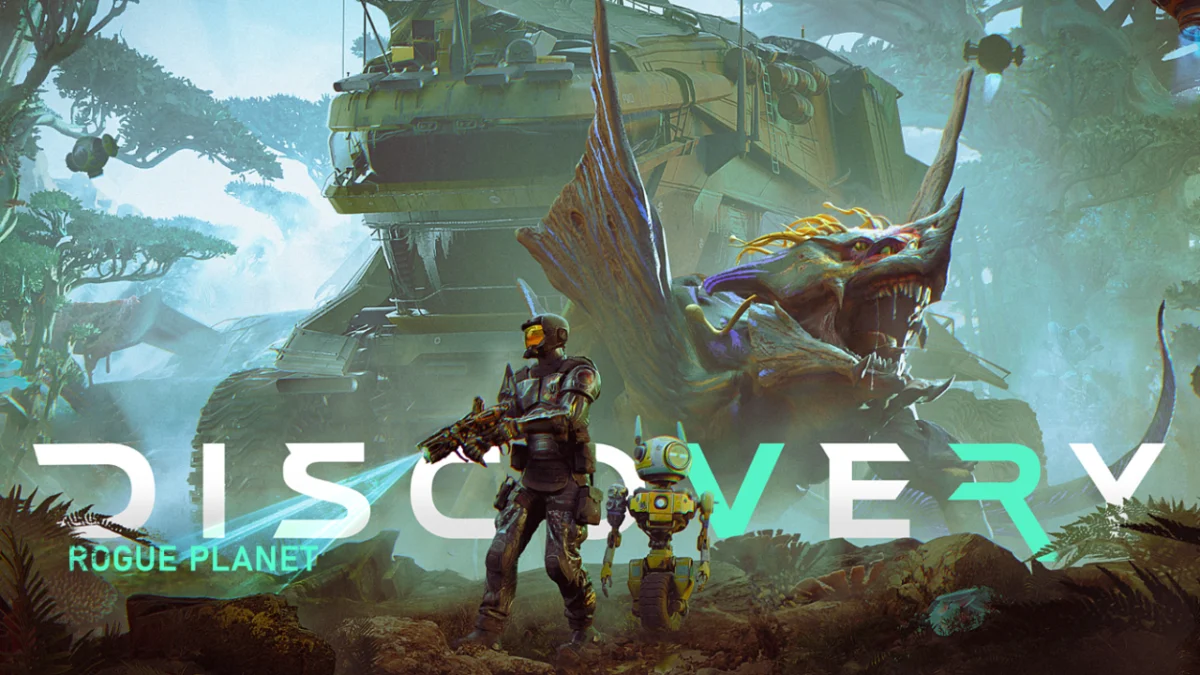
The virtual reality landscape is preparing for a significant addition to its narrative-driven library. Immersmind, an emerging developer in the immersive technology space, has officially announced the upcoming launch of Discovery: Rogue Planet. Positioned as a high-stakes, science-fiction narrative first-person shooter (FPS), the title is slated to arrive on Meta Quest 3 headsets on August 6. While the announcement has generated considerable excitement among VR enthusiasts hungry for deeper storytelling, it has also raised several questions regarding platform availability and release timelines.
This report provides a comprehensive deep dive into the development, gameplay mechanics, and market implications of Discovery: Rogue Planet, exploring why this title represents a pivotal moment for standalone VR gaming.
1. Main Facts: A New Frontier in Standalone VR
At its core, Discovery: Rogue Planet is designed to move beyond the "tech demo" feel that has historically plagued many VR shooters. Developed by Immersmind, the game is built specifically to leverage the hardware capabilities of the Meta Quest 3, promising a level of environmental fidelity and narrative depth that challenges the current standards of standalone VR.
Key Details at a Glance:
- Discovery: Rogue Planet
- Developer: Immersmind
- Primary Platform: Meta Quest 3
- Secondary Platform: PC VR (SteamVR – status currently pending)
- Release Date: August 6
- Genre: Narrative Sci-Fi First-Person Shooter
- Setting: The hostile frontier planet of Rogax
The game distinguishes itself by rejecting the "wave shooter" or "arena-only" labels that characterize much of the VR FPS market. Instead, it offers a structured campaign that takes players through a variety of biomes, ranging from claustrophobic abandoned mines to sprawling, high-tech urban centers. By focusing on a "narrative FPS" framework, Immersmind aims to capture the audience that enjoys titles like Half-Life: Alyx or Metro, adapted for the portability of the Quest ecosystem.
2. Chronology: From Listing to Launch
The journey of Discovery: Rogue Planet from a clandestine project to a highly anticipated release has been marked by a series of confusing digital breadcrumbs and official clarifications.
The Initial Meta Store Appearance
In mid-July, eagle-eyed VR enthusiasts noticed a new listing on the Meta Horizon store. At the time, the listing contained several placeholders, including a curious release window of August 2026. This led to speculation that the game was still in early development. However, industry analysts noted that "2026" is often used as a long-term placeholder in digital storefronts when a specific launch date is being finalized behind the scenes.
The Gameplay Reveal
Shortly after the store listing appeared, Immersmind released a gameplay trailer that showcased the visual breadth of the project. The trailer highlighted the "Rogax" setting, featuring footage of alien fauna, high-velocity gunfights, and environmental interactions. This visual evidence suggested the game was much further along than the 2026 placeholder indicated.
The August 6 Confirmation
In a subsequent press release, Immersmind corrected the timeline, setting an official launch date of August 6. This rapid shift from a perceived multi-year wait to an imminent release caught the community by surprise, shifting the narrative from "distant prospect" to "immediate must-watch."
The PC VR Discrepancy
While the developer’s press materials explicitly mention SteamVR as a supported platform, a corresponding Steam listing has remained conspicuously absent as of late July. This has created a period of uncertainty for PC VR users, who are questioning whether the August 6 date applies only to the Meta ecosystem or if a simultaneous multi-platform launch is still on the table.
3. Supporting Data: Gameplay Mechanics and World-Building
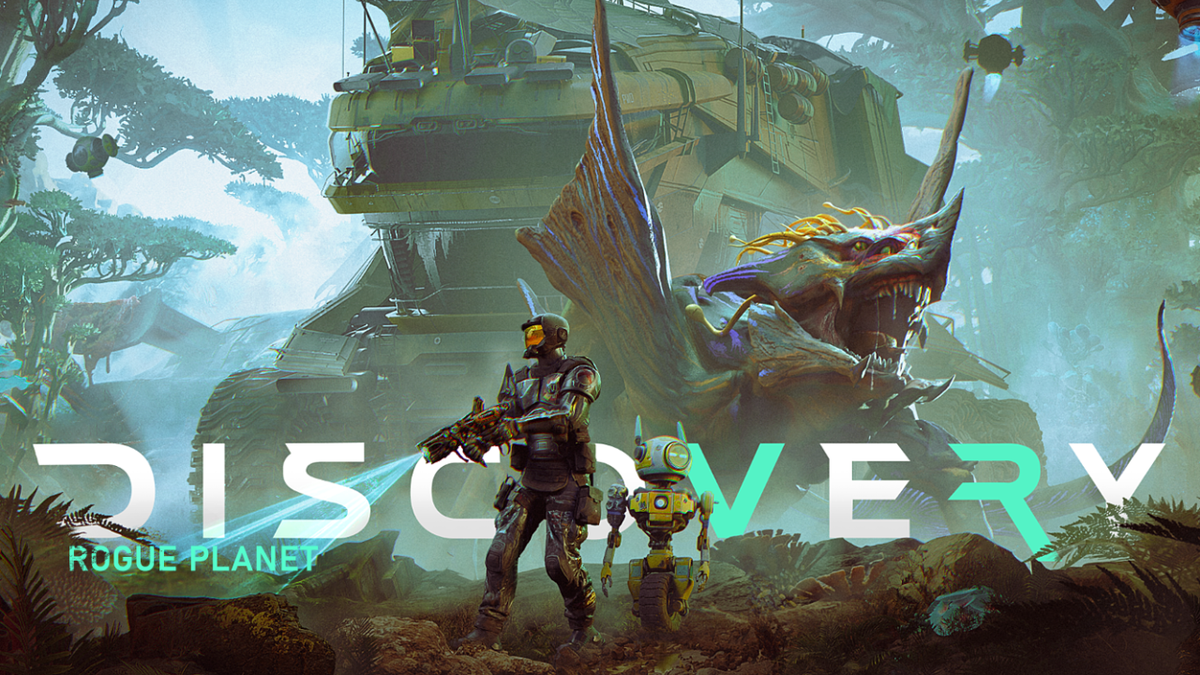
To understand the potential impact of Discovery: Rogue Planet, one must look at the specific gameplay elements Immersmind is introducing. The game is set on Rogax, a world characterized by its "frontier" status—a lawless, dangerous environment where the player is often outnumbered and outgunned.
Environmental Diversity
One of the most ambitious aspects of the title is its commitment to varied environments. Standalone VR titles often struggle with asset reuse due to memory constraints, but Discovery: Rogue Planet promises four distinct zones:
- Abandoned Settlements: Ghost towns that serve as the narrative backbone, providing clues to the planet’s history.
- Forgotten Mines: Dark, narrow corridors designed to heighten tension and utilize the Quest 3’s improved lighting and shadow capabilities.
- Swamplands: Open-ended areas featuring aggressive alien flora and fauna, testing the player’s ability to navigate hazardous terrain.
- Guarded Cities: High-density urban environments that introduce tactical, cover-based combat against sophisticated AI opponents.
Combat and Interaction
The gameplay trailer suggests a physics-based interaction system. Players are seen manipulating environmental objects and engaging in gunplay that requires manual reloading and tactile feedback—features that have become the gold standard for immersion in VR.
The "Arena" Controversy
There has been some internal contradiction regarding the game’s genre. While the press release emphasizes that the game is not a wave-based arena shooter, a video recently uploaded to Immersmind’s official YouTube channel showcases a dedicated "Arena Mode."
Data suggests that this is likely a secondary, "horde-style" mode intended to provide replayability after the main campaign is completed. This dual-structure (a narrative campaign paired with a mechanical arena) is a common strategy in modern VR to satisfy both story-driven players and those seeking a "pick-up-and-play" arcade experience.
4. Official Responses and Developer Stance
The communication from Immersmind has been focused on the "narrative-first" philosophy. In their official press kit, the developers stated:
"Our goal with Rogue Planet was to create a world that felt lived-in and dangerous. We wanted to move away from the repetitive nature of many VR shooters and give players a reason to explore every corner of Rogax. It is about the mystery of the planet as much as it is about the combat."
Addressing the Platform Confusion
Journalists have reached out to Immersmind regarding the missing Steam listing. While a definitive public statement has not yet been issued to reconcile the press release (which lists SteamVR) with the empty storefront, sources close to the development suggest that the PC VR version may be undergoing final optimization to ensure it offers a significant graphical leap over the mobile version.
The developer’s focus remains primarily on the Quest 3, which is currently the most lucrative platform for VR software sales. The August 6 date is confirmed for the Meta Horizon Store, with the PC VR community awaiting a "coming soon" page or a revised release window.
5. Implications: What This Means for the VR Industry
The release of Discovery: Rogue Planet carries weight beyond its own sales figures. It serves as a litmus test for several trends currently shaping the virtual reality industry.
The Quest 3 Performance Standard
As the first major narrative FPS designed with the Quest 3 as a primary target, the game will demonstrate how much power developers can actually squeeze out of the Snapdragon XR2 Gen 2 chipset. If Discovery: Rogue Planet successfully delivers high-fidelity environments without the need for a tethered PC, it will further solidify the Quest 3’s position as the dominant force in the market, potentially marginalizing dedicated PC VR hardware even further.
The Shift Toward Narrative
For years, the VR market was saturated with "experiences" and "wave shooters"—games that offered 2-3 hours of gameplay with little story. The emergence of Discovery: Rogue Planet signals a maturing market where consumers are demanding full-length, 8-12 hour narrative campaigns. This shift is essential for VR to transition from a niche hobby to a mainstream gaming platform.
The Risk of the "August 6" Window
Launching a major title with less than a month of active marketing (following the correction of the 2026 placeholder) is a risky move. It relies heavily on "word-of-mouth" within the VR community and the visibility provided by the Meta Horizon store’s "New Releases" section. The success or failure of this launch strategy will be closely watched by other independent developers.
Conclusion: A High-Stakes Gamble on Rogax
Discovery: Rogue Planet is more than just another shooter; it is an attempt to bring "AAA-lite" narrative sensibilities to the standalone VR space. While the discrepancy between the SteamVR announcement and the lack of a Steam listing remains a point of frustration for some, the core promise of the game—a deep, atmospheric journey through a hostile alien world—is exactly what the Quest 3 library needs.
When the calendar turns to August 6, the VR community will finally see if Rogax is a world worth saving, or if the "Rogue Planet" is too dangerous for even the most seasoned digital explorers. For now, the countdown has begun, and the eyes of the industry are fixed on Immersmind to see if they can deliver on their ambitious vision.