The Asphalt Time Machine: How ‘Bomb the Hill’ is Redefining the VR Skateboarding Subgenre
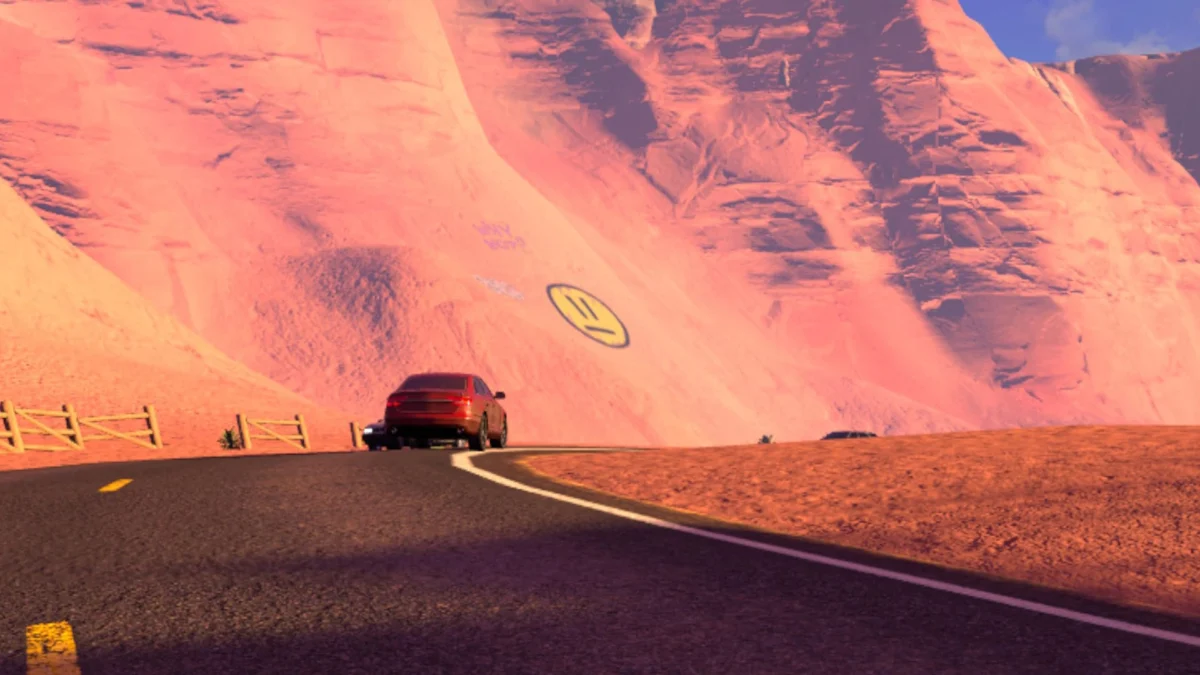
The intersection of digital entertainment and skateboarding culture has long been a fertile ground for innovation. From the pixelated revolutions of the Tony Hawk’s Pro Skater series to the physics-heavy realism of Skate, the industry has spent decades attempting to bottle the lightning of "sidewalk surfing." However, as the medium shifts toward total immersion, Georgia-based Pokodzima Studio is attempting something more ambitious than a mere mechanical simulator.
With their latest release, Bomb the Hill, the developers are not just offering a game; they are offering a visceral, high-speed portal into the rebellious, sun-drenched zeitgeist of the 1970s. Released into Early Access on Meta Quest on September 10, 2026, the title seeks to bridge the gap between adrenaline-fueled gameplay and a poignant, history-driven narrative.
Main Facts: A New Contender in Virtual Extreme Sports
Bomb the Hill enters a niche but growing market of VR skating titles, following in the footsteps of predecessors like VR Skater and Virtual Skate. Yet, where those titles focused primarily on street-style tricks and skatepark maneuvers, Pokodzima Studio has pivoted toward the dangerous and exhilarating world of downhill "bombing."
Technical and Commercial Overview
- Developer: Pokodzima Studio (based in Georgia, USA).
- Platform Availability: Currently available on Meta Quest; scheduled for a PC VR (Steam) release in Q4 2026.
- Pricing Structure: $19.99 (Early Access).
- Core Mechanics: Gesture-based movement including arm-swiping for propulsion, leaning for steering, and trigger-based sliding.
- Narrative Scope: A 15-episode campaign set against the backdrop of the American Midwest, heavily influenced by authentic 1970s skating history.
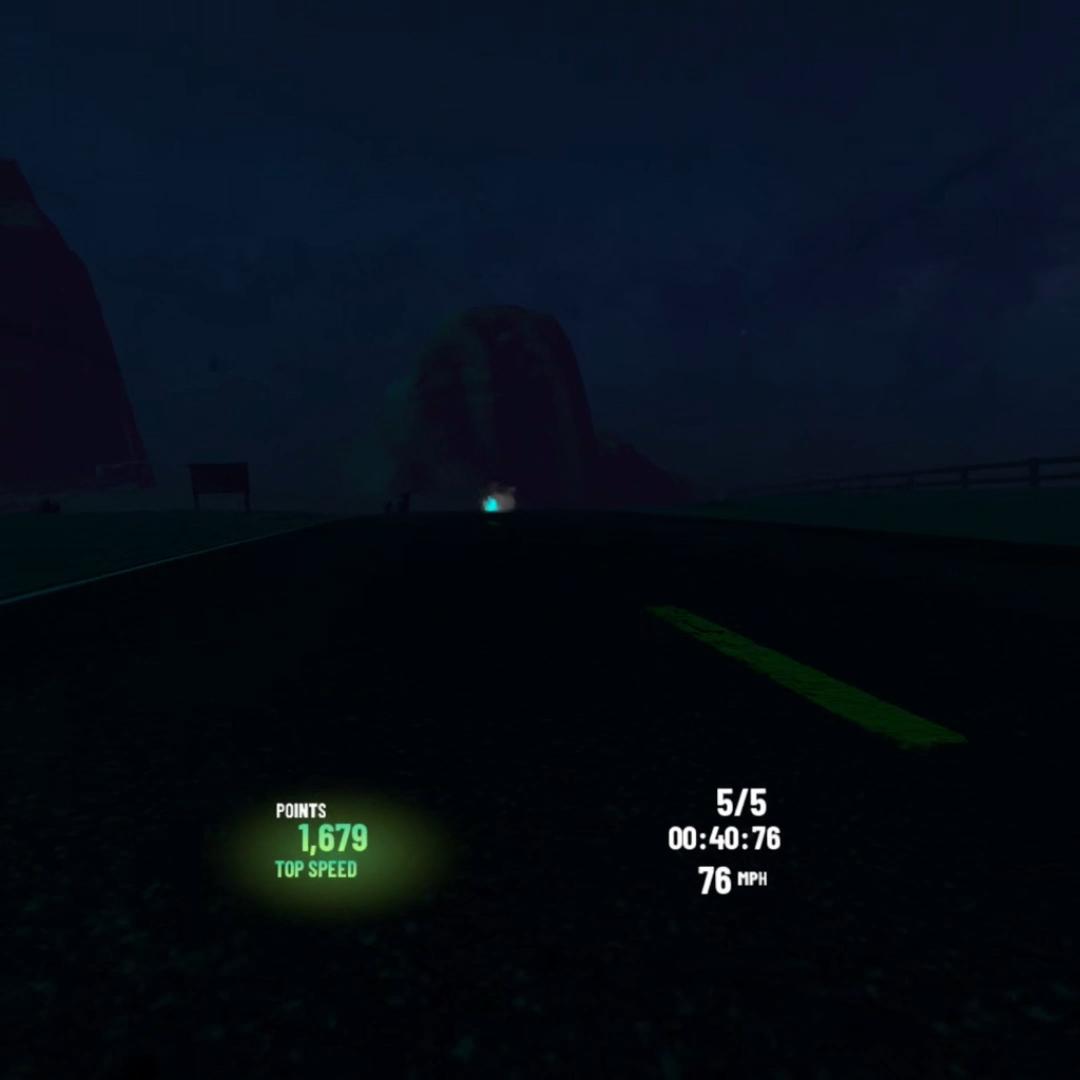
The game stands out for its commitment to a specific aesthetic. Eschewing the modern X-Games polish of contemporary sports titles, Bomb the Hill opts for a nostalgic, grain-heavy atmosphere that mirrors the Super 8 film style of early skate photography. It is a calculated risk that aims to attract both younger VR enthusiasts looking for speed and older players seeking a digital connection to the sport’s formative years.
Chronology: The Road to Early Access
The development of Bomb the Hill serves as a case study for the current state of independent VR production. The project did not emerge from a vacuum; rather, it was the beneficiary of strategic industry support systems designed to bolster the Meta Quest ecosystem.
The Ignition Phase
The journey began as a technical prototype funded by the Oculus Publishing Ignition program. This initiative, designed to provide seed funding and resources to promising indie developers, allowed Pokodzima Studio to experiment with the physics of downhill momentum—a notoriously difficult sensation to replicate in VR without inducing motion sickness.
The Summer Reveal
By early 2026, the project had gained enough traction to be featured during the UploadVR Showcase Summer 2026. The reveal trailer emphasized the game’s unique control scheme and its focus on "bombing"—the act of riding down steep hills at maximum speed. This appearance solidified the game’s status as one of the year’s most anticipated VR sports titles.
Beta Testing and Launch
In the months leading up to the September release, an open beta test was conducted on the Meta Quest platform. This allowed the developers to fine-tune the "leaning" mechanics and the responsiveness of the arm-swiping propulsion system. On September 10, 2026, the game officially entered Early Access, with a roadmap leading toward a more expansive PC VR release by the end of the year.
Supporting Data: Narrative Depth and Mechanical Innovation
While the primary draw of Bomb the Hill is its speed, the "enrichment" of the experience comes from its structural complexity and narrative weight.
A Story Written in Asphalt
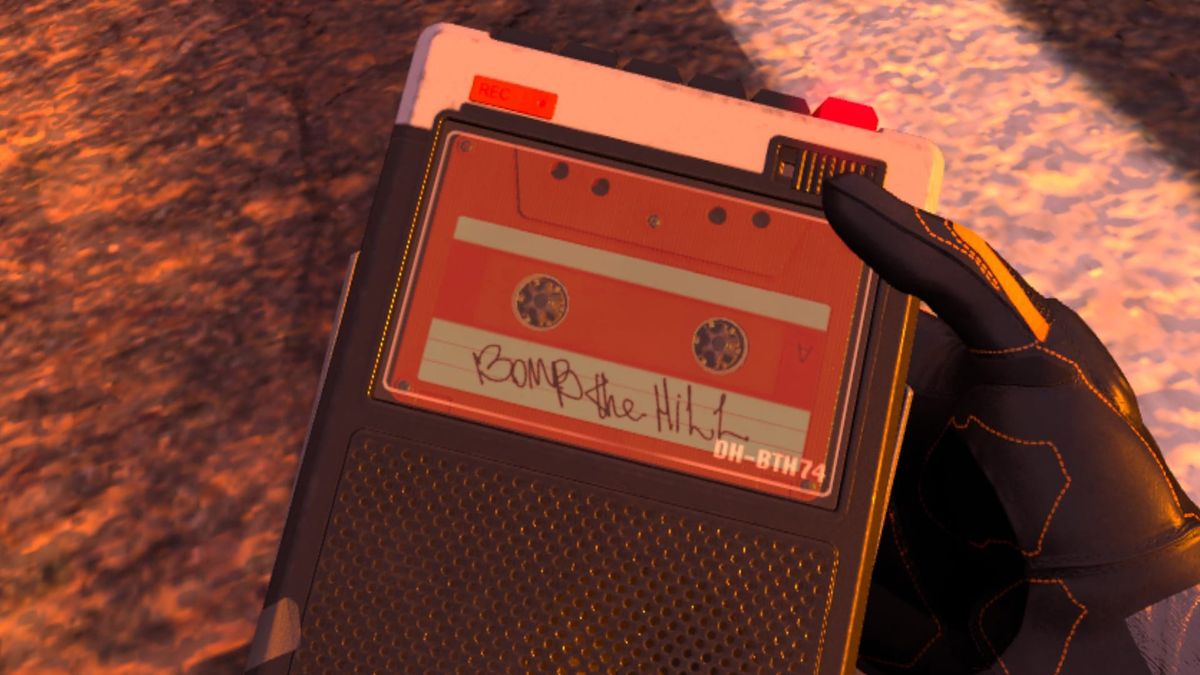
The game features a narrative campaign told across 15 distinct Chapters (or Episodes). The protagonist’s journey is framed by a series of found-footage style tape recordings. This narrative device serves a dual purpose: it provides tactical advice for the upcoming tracks and unfolds a deeply personal story about family, regret, and the search for community.
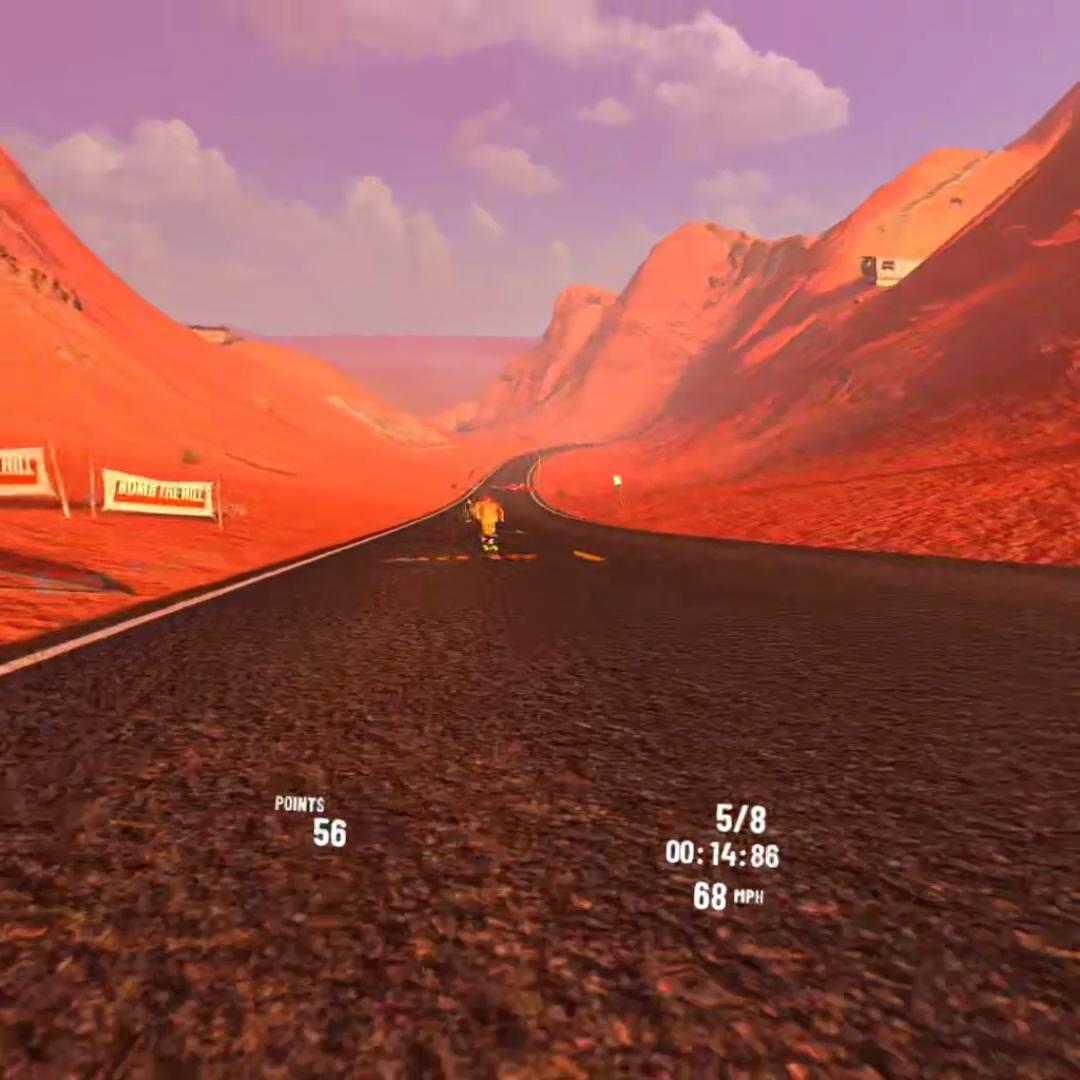
The setting—the hills and canyons of the Midwest—serves as a character in itself. As players dodge police cruisers and navigate suburban sprawl, they are treated to a story that explores why people were drawn to such a dangerous pastime in the 70s. The game concludes with a historical gallery featuring actual photographs and captions from early skating competitions, grounding the fictional experience in real-world heritage.
The Kinesthetics of Virtual Skating
Pokodzima Studio has implemented a dual-mode control scheme to maximize accessibility:
- Standing Mode (Full Immersion): Players stand sideways, mimicking a skater’s stance. Speed is built through rhythmic arm-swiping, simulating the "push" of a foot on pavement. Steering is handled through physical leaning, utilizing the Quest’s internal gyroscopes to translate body weight into board movement.
- Seated Mode (Comfort-Focused): Recognizing the physical demands of downhill racing, the game automatically adjusts for seated players. While the core gestures remain, the sensitivity is recalibrated to allow for a more controlled experience, which many early reviewers have noted is actually more precise for high-speed steering.
Gameplay Variety
The episodes are not merely races to the finish. The gameplay is subdivided into three primary challenges:
- Timed Runs: Pure tests of navigation and speed.
- CPU Races: Competitive bouts against rival skaters that utilize glowing trails to assist with drafting and pathfinding.
- Speed Targets: Challenges that require the player to hit a specific velocity before crossing the finish line, often necessitating the "crouch" mechanic (activated by ducking or pressing the A button) to minimize wind resistance.
Official Perspective: The Developer’s Vision
While official press releases from Pokodzima Studio have been focused on technical milestones, the design philosophy evident in the game speaks to a desire for "cultural preservation." Developers have noted in community forums that Bomb the Hill was designed to capture the "rebellious spirit" of an era before skateboarding was a multi-billion dollar industry.
The inclusion of high-energy punk rock juxtaposed with "cool" jazz tracks reflects the duality of the 70s scene—the aggression of the ride versus the laid-back culture of the participants. The studio’s choice to include a "field-narrowing" comfort setting also indicates a commitment to the "VR for everyone" philosophy, even if some hardcore players find the visual restriction distracting.
Implications: The Future of VR Extreme Sports
The release of Bomb the Hill has broader implications for the VR industry and the sports gaming genre at large.
The Physicality of Gaming
Bomb the Hill reinforces the trend of "accidental exercise" in VR. By requiring arm movements and core engagement for steering, the game occupies a space between traditional gaming and fitness apps. This physical involvement increases the "presence" of the player, making the "wipeouts" feel more consequential.
Historical Storytelling in Sports
Most sports games treat history as a "classic teams" roster or a set of unlockable vintage jerseys. Bomb the Hill suggests a different path: using the sport as a lens to tell a human story. By focusing on the nostalgia and the social challenges of the 1970s, Pokodzima has created a blueprint for how future sports titles can utilize narrative to provide more than just mechanical satisfaction.
Market Positioning
At a $19.99 price point, the game is positioned as a high-value indie title. Its success in Early Access will likely determine the level of polish seen in the upcoming SteamVR version. If Bomb the Hill can maintain its momentum, it may encourage other developers to look toward specific sub-cultures and historical eras for inspiration, rather than always chasing the "next big thing" in modern sports.
Conclusion
Bomb the Hill is a rare example of a VR title that understands the importance of "vibe." It successfully marries the frantic, heart-pounding sensation of downhill racing with a quiet, reflective look at a transformative era in American subculture. As it rolls toward a full release and a PC VR debut, it stands as a testament to the power of immersive technology to not only entertain but to educate and evoke the spirit of the past. For those with a Quest headset and a penchant for speed, the hills are calling—just be sure to keep your balance.