The Subversion of a Legend: Hugh Jackman’s "The Death of Robin Hood" Set for Digital Debut
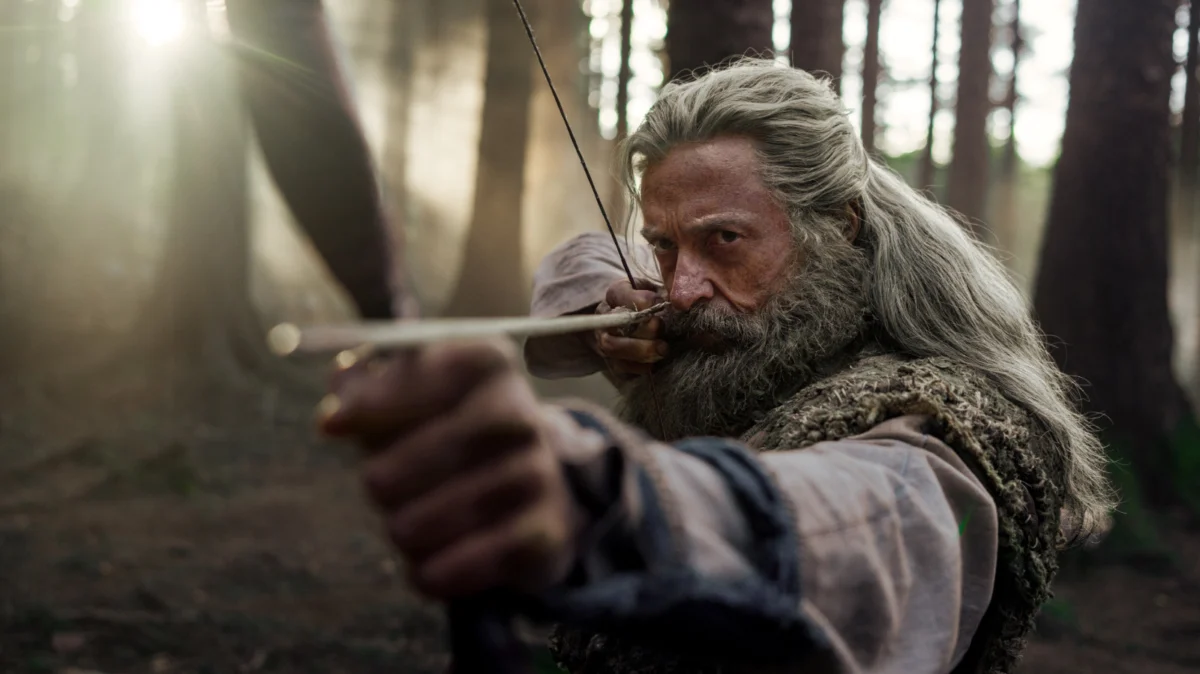
The legend of the Prince of Thieves is as old as the hills of Nottinghamshire, but rarely has it been stripped of its romanticism with such visceral intent as in Michael Sarnoski’s latest feature. Following a brief and polarizing theatrical run, A24 has officially announced that "The Death of Robin Hood," starring Academy Award nominee Hugh Jackman, will be available for home viewing on digital platforms starting July 28, 2026.
This release marks a significant moment for the film, which attempted to dismantle centuries of folklore in favor of a grim, uncompromising look at a man broken by a lifetime of violence. For those who missed the film’s fleeting appearance in cinemas, the digital launch offers a chance to engage with a version of Robin Hood that the marketing campaign starkly warns: "He was no hero."
Main Facts: A New Chapter for a Darker Robin Hood
"The Death of Robin Hood" is not the swashbuckling adventure audiences have come to expect from the IP. Distributed by A24, the film is a revisionist drama that portrays the titular character as a weary, morally bankrupt fugitive. The film’s transition to digital platforms—available for both rent and purchase—comes after a theatrical window that saw the film struggle to find a mainstream audience despite its high-profile cast.
The production is led by director Michael Sarnoski, who previously garnered critical acclaim for the Nicolas Cage-led "Pig" and the blockbuster "A Quiet Place: Day One." In this project, Sarnoski reunites with the themes of isolation and the weight of the past, casting Hugh Jackman in the lead role. Jackman is joined by Bill Skarsgård, who portrays a reimagined, disillusioned Little John (now going by the name Edward), and Jodie Comer, who plays Brigid, a nun whose path crosses with Robin’s during his final, bloody days.
The July 28 digital release will include the film in 4K UHD on major platforms such as Apple TV, Amazon Prime Video, and Vudu. While A24 has not yet confirmed a physical media release or a specific streaming date for their partner platform, Max, the digital purchase option serves as the primary gateway for viewers to experience Sarnoski’s "bleak and brutal" vision.
Chronology: From Concept to Digital Screen
The journey of "The Death of Robin Hood" has been one of creative ambition met with a challenging market reality.
- Initial Development (Early 2024): The project was first announced with Sarnoski attached to direct, promising a "demythologized" take on the character. The casting of Jackman and Comer immediately positioned it as a "prestige" genre film, a staple of the A24 brand.
- Production (2025): Filming took place across rugged terrains, aiming for a grounded, medieval aesthetic that avoided the glossy "Robin Hood: Prince of Thieves" (1991) or the stylized "Robin Hood" (2018).
- Theatrical Release (Summer 2026): The film opened in wide release to a crowded summer market. While it generated significant buzz at film festivals for Jackman’s transformative performance, it faced stiff competition from traditional summer blockbusters.
- Theatrical Decline: By its second weekend, the film saw a sharp drop in box office returns. Its uncompromising R-rated violence and nihilistic tone proved a difficult sell for general audiences looking for escapism.
- Digital Announcement (July 2026): Following its rapid exit from theaters, A24 pivoted to a home-video strategy, setting the July 28 date to capitalize on the critical conversation surrounding the film’s "mixed but passionate" reviews.
Supporting Data: Critical Reception and Box Office Context
The performance of "The Death of Robin Hood" provides a fascinating case study in the current cinematic landscape. Sarnoski’s previous works established him as a director capable of blending "art-house" sensibilities with "high-concept" premises. "Pig" was a critical darling that reinvented Nicolas Cage’s career, while "A Quiet Place: Day One" proved he could handle a massive franchise.
However, "The Death of Robin Hood" has proven more divisive. On review aggregator sites, the film currently sits with a "Rotten" or "Mixed" score from general audiences, while critics remain split. Those in favor, such as /Film’s Chris Evangelista, have praised the film for its "unflinching brutality" and its refusal to offer the audience easy catharsis. Conversely, detractors have criticized the film for its unrelenting bleakness, arguing that the "demythologization" goes so far that it strips the story of its narrative engine.
Data from the film’s theatrical run suggests that it struggled to find its footing. Opening against major franchise sequels, "The Death of Robin Hood" earned significantly less than Sarnoski’s "A Quiet Place" entry. Industry analysts point to the "A24 Effect"—where films often perform better as "cult classics" on digital platforms than as wide-release theatrical hits—as the primary reason for the quick transition to VOD. The film’s "weak" box office returns necessitated a strategy shift to ensure the film reached its target demographic: the mature, home-streaming audience.
Official Responses and Creative Vision
Director Michael Sarnoski has been vocal about his intent to strip away the "Disney-fied" layers of the Robin Hood legend. In early press junkets, Sarnoski explained that he wanted to explore what happens to a man who spends his life as a "thief and a murderer" once the adrenaline of youth fades.
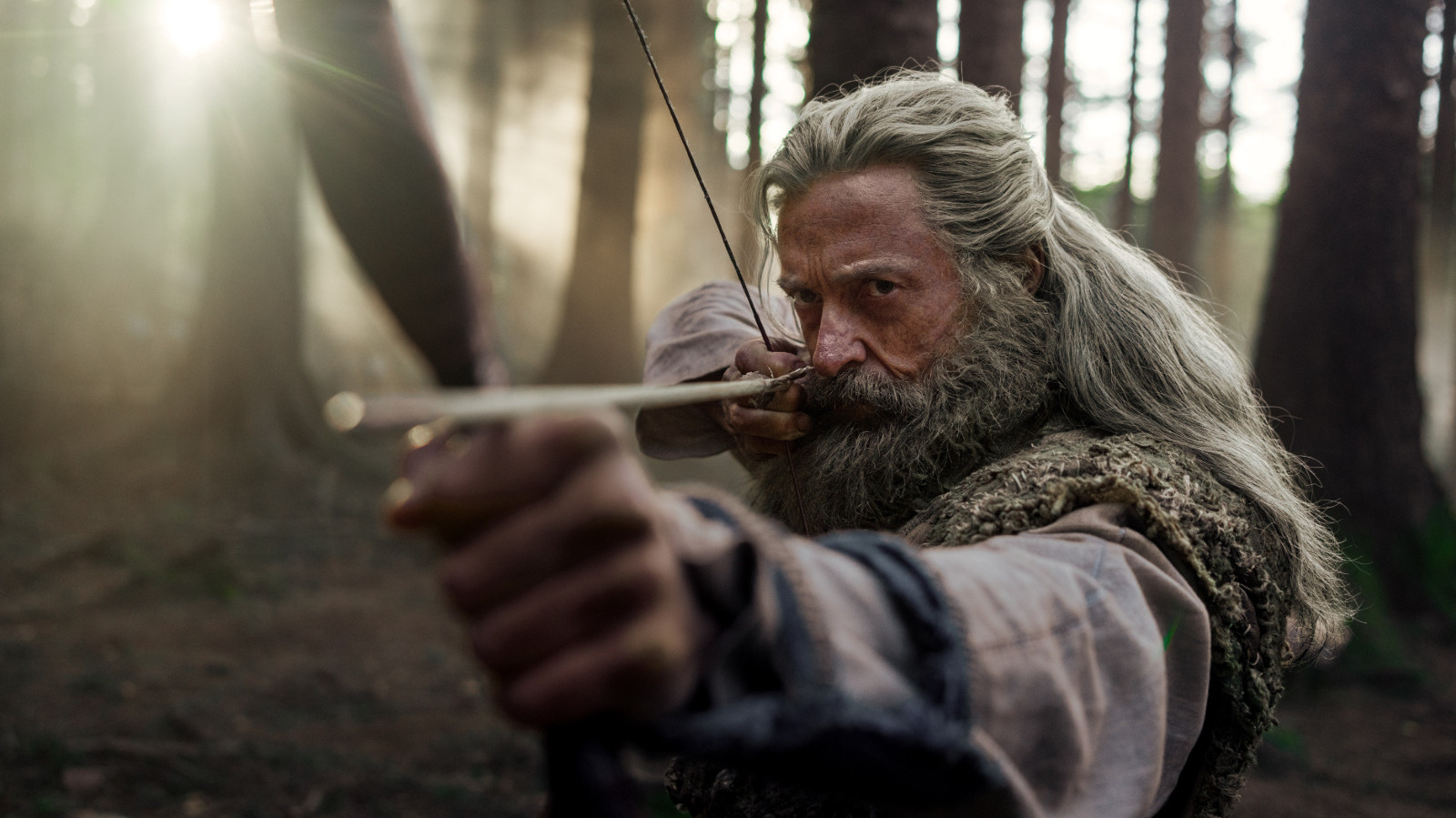
"The legend usually ends with a wedding or a victory," Sarnoski stated during the film’s premiere. "We wanted to look at the bill coming due. Robin has spent decades living a life of savagery. This movie is about the physical and spiritual cost of that life."
Hugh Jackman, who has spent much of the last two decades playing the heroic Wolverine, reportedly jumped at the chance to play a character defined by his flaws and failures. Sources close to the production noted that Jackman underwent a rigorous physical transformation to portray a Robin Hood who is physically broken and morally exhausted.
A24’s official marketing materials have leaned into this controversy. By utilizing the tagline "He was no hero," the distributor intentionally alienated fans of the traditional legend to attract a more "prestige-horror" or "grit-drama" audience. Their decision to move the film to digital platforms by late July is seen as a tactical move to maintain the film’s relevance while the critical debate is still active.
Implications: The Future of Revisionist Cinema
The digital release of "The Death of Robin Hood" carries several implications for the film industry and the future of historical storytelling.
1. The Deconstruction of the "IP"
In an era dominated by Intellectual Property (IP), "The Death of Robin Hood" represents a growing trend of "anti-IP" films—projects that take a well-known name and use it to subvert audience expectations. Much like David Lowery’s "The Green Knight," Sarnoski’s film uses the familiarity of a name to lure viewers into a much more challenging, philosophical experience. Its commercial struggle in theaters may suggest a limit to how much "subversion" the general public is willing to pay for at the box office.
2. The Shift in Distribution Models
The fact that a Hugh Jackman-led film moved to digital platforms so quickly after a wide release highlights the shrinking theatrical window for non-franchise dramas. For A24, the "home" market is becoming the primary battlefield. The digital release allows for a long-tail revenue stream where word-of-mouth on social media can turn a "theatrical flop" into a "streaming sensation."
3. A New Chapter for Hugh Jackman
For Jackman, this film marks a definitive pivot toward "darker" character studies. As he balances his return to the Marvel Cinematic Universe with these grittier indie projects, "The Death of Robin Hood" serves as a testament to his range. Even if the film didn’t conquer the box office, his performance is already being discussed as a career-best by many critics, potentially positioning him for awards consideration later in the year.
4. The Legacy of Robin Hood
Finally, the film forces a re-evaluation of the Robin Hood myth itself. By focusing on the "savagery and ill-gotten gains," Sarnoski asks the audience to consider the reality of medieval outlaws. While Errol Flynn’s Robin Hood gave us a hero for the 1930s, and Kevin Costner gave us a hero for the 1990s, Sarnoski and Jackman have given us a Robin Hood for the 2020s: a man defined by the consequences of his actions in a world that has no room for heroes.
As "The Death of Robin Hood" arrives on digital platforms this July, it invites viewers to look past the green tunic and the bow, and instead look into the eyes of a man facing the end of a long, dark road. Whether it is remembered as a misunderstood masterpiece or a grim misstep remains to be seen, but one thing is certain: you will never look at the legend the same way again.