
The New Frontier of Backyard Biodiversity: How Pro-Grade Camera Traps are Revolutionizing Wildlife Photography
Main Facts: High-End Technology Meets Amateur Habitats
In the realm of wildlife photography, the gap between the casual "trail cam" enthusiast and the professional field researcher has long been a chasm of both cost and quality. While consumer-grade bird feeder cameras and budget infrared monitors have democratized the observation of nature, the resulting images often lack the resolution, dynamic range, and artistic composition required for professional portfolios or international competitions. However, a recent paradigm shift is occurring, driven by the integration of professional DSLR technology with sophisticated remote-triggering systems.
The catalyst for this movement is "Camtraptions," a specialized suite of Passive Infrared (PIR) sensors and wireless triggers developed by award-winning wildlife photographer Will Burrard-Lucas. Recently recognized at the Sony World Photography Awards (SWPA) 2026 for his stunning remotely-captured series in Kenya’s Maasai Mara National Reserve, Burrard-Lucas has proven that the most intimate portraits of nature are often taken when the photographer is nowhere to be found.
By pairing "obsolete" professional DSLRs—cameras that have been superseded by mirrorless models but still possess robust weather sealing and large sensors—with high-precision infrared triggers, photographers can now capture "studio-quality" images of elusive nocturnal and diurnal creatures in their own backyards. This approach prioritizes image quality, utilizing RAW files and professional optics, over the low-bitrate JPEGs and grainy video traditionally associated with remote wildlife monitoring.
Chronology: From the Maasai Mara to the English Garden
The journey into high-end remote capture began at the SWPA 2026 ceremony, where Burrard-Lucas showcased his victory in the wildlife and nature category. His work, featuring rhinos and giraffes captured with remotely-triggered Canon DSLRs, challenged the industry’s obsession with the latest mirrorless autofocus systems. Following this encounter, a field test was commissioned to determine if these professional results could be replicated in a domestic setting using a "legacy" Nikon D800.
Stage 1: The Simple Daytime Setup
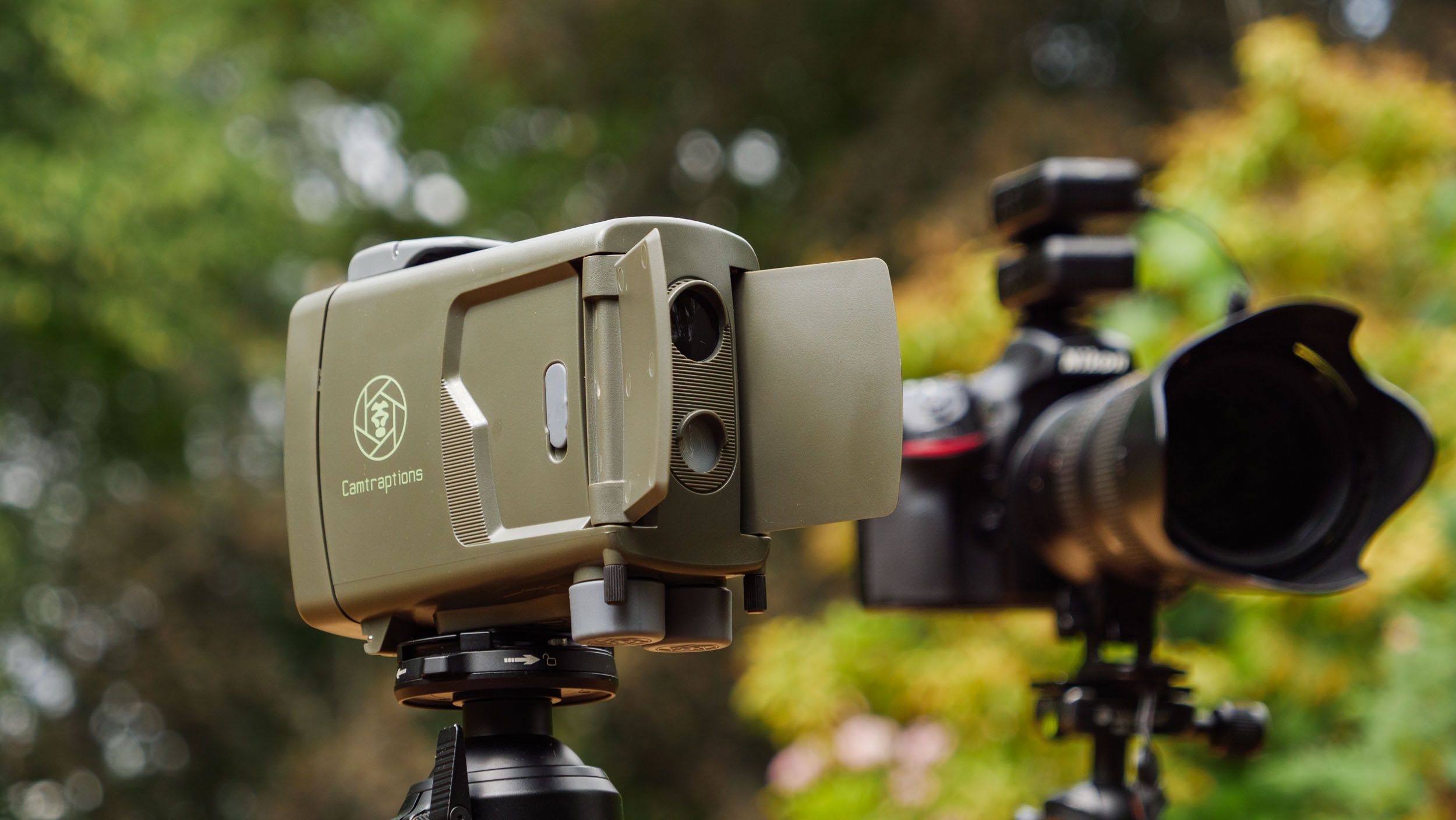
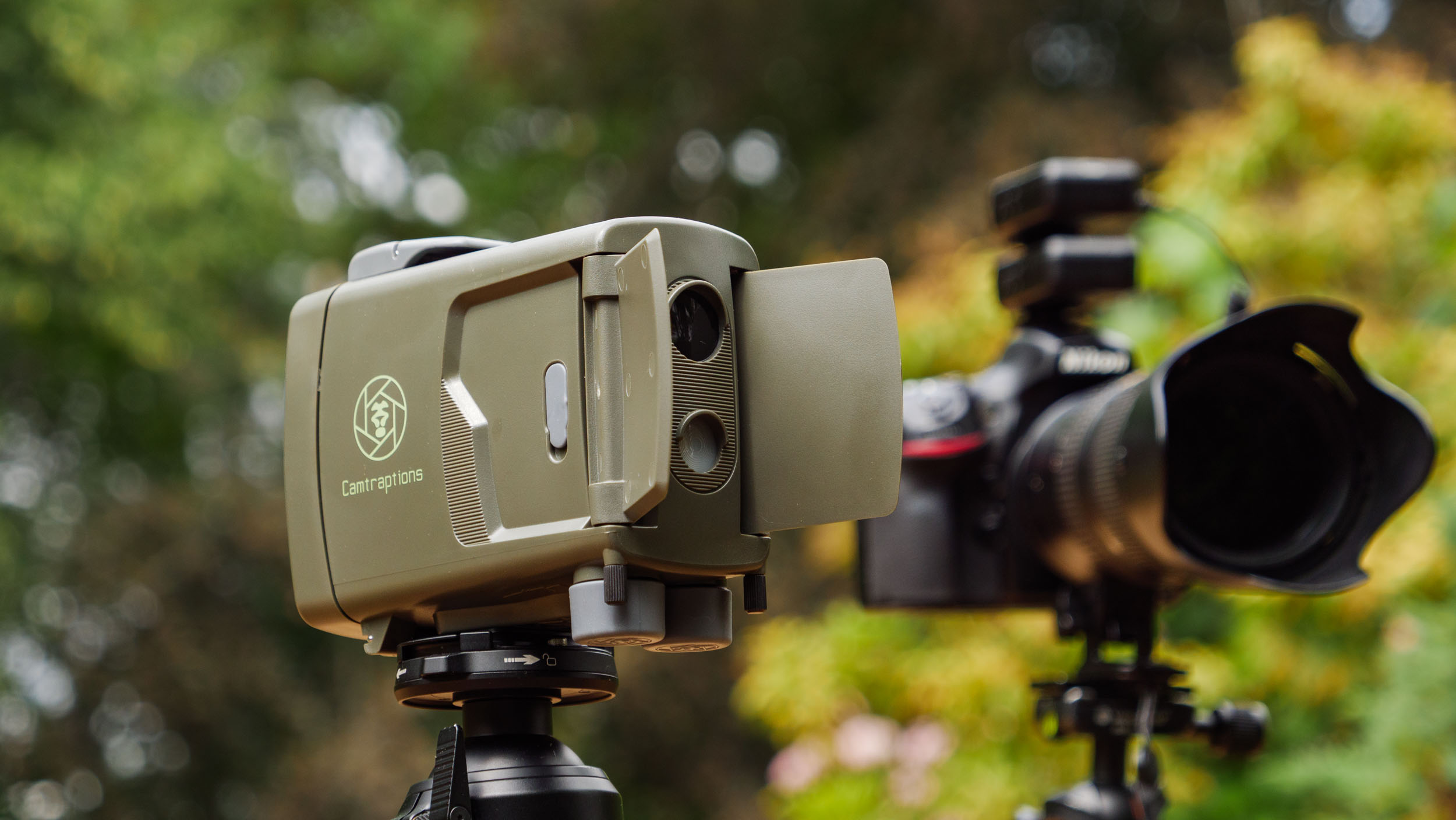
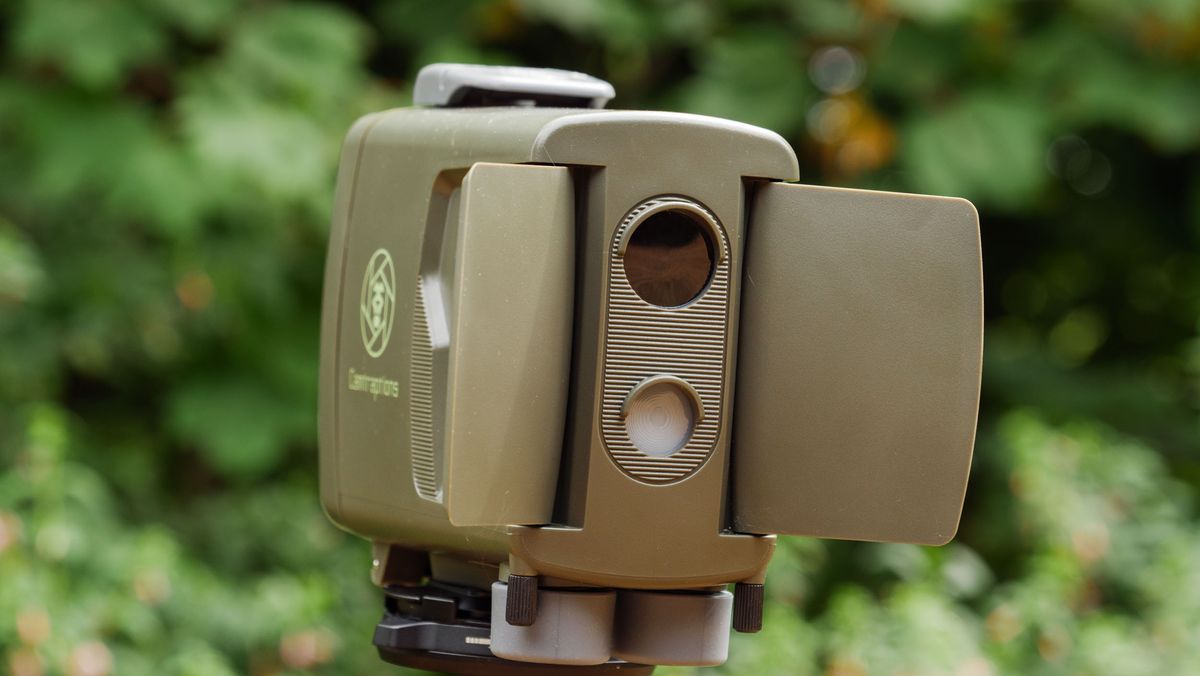
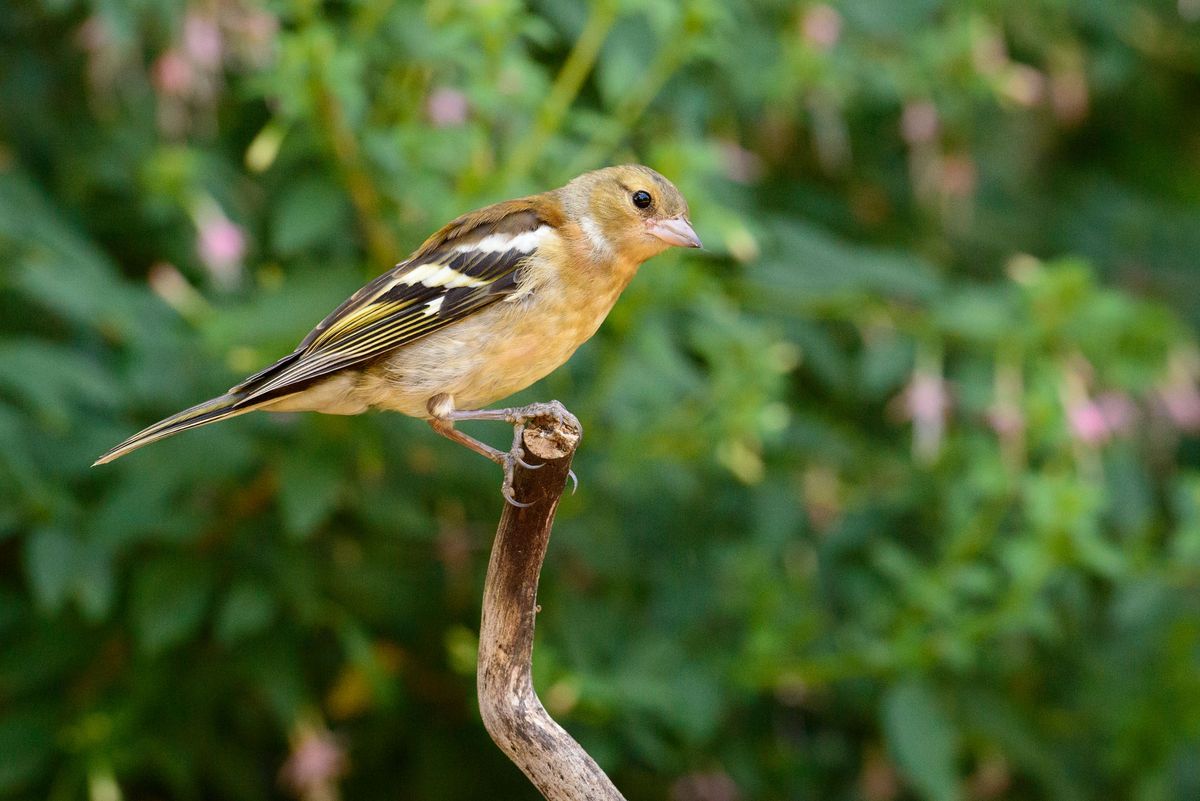
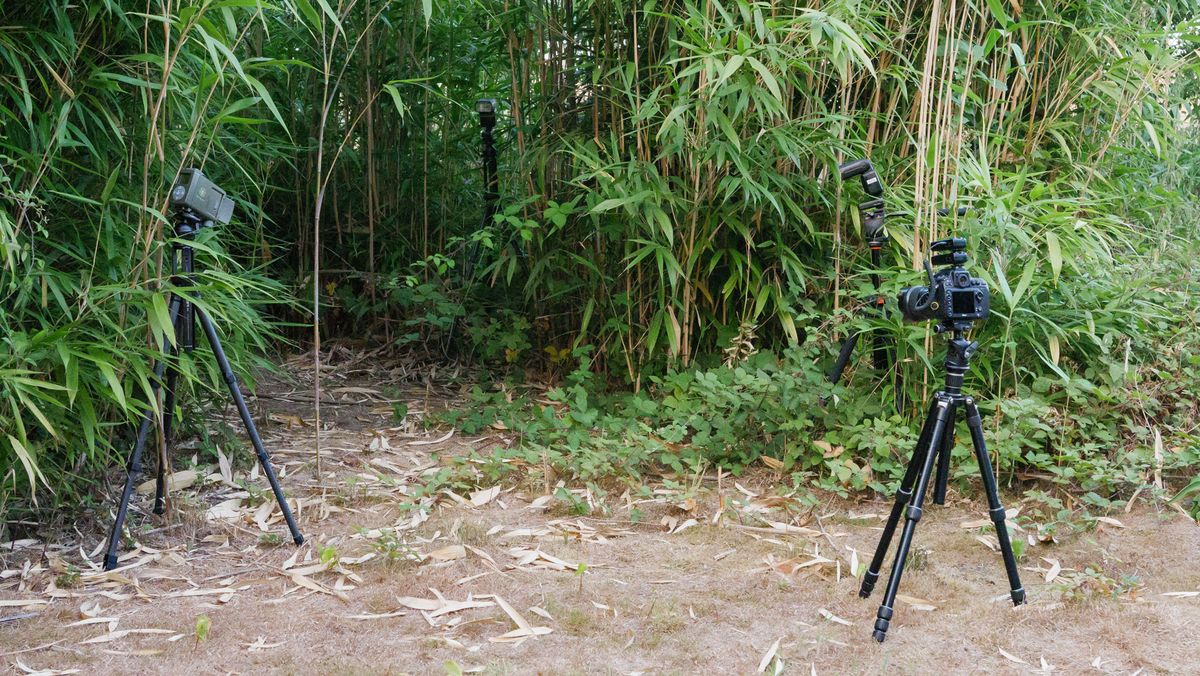
The experiment commenced in a "wild" section of a domestic garden during the summer months. The initial goal was to capture high-speed avian activity. Unlike traditional bird photography, which requires hours of patient waiting in a blind, the Camtraptions PIR V4 sensor was deployed to act as the "eyes" of the camera.
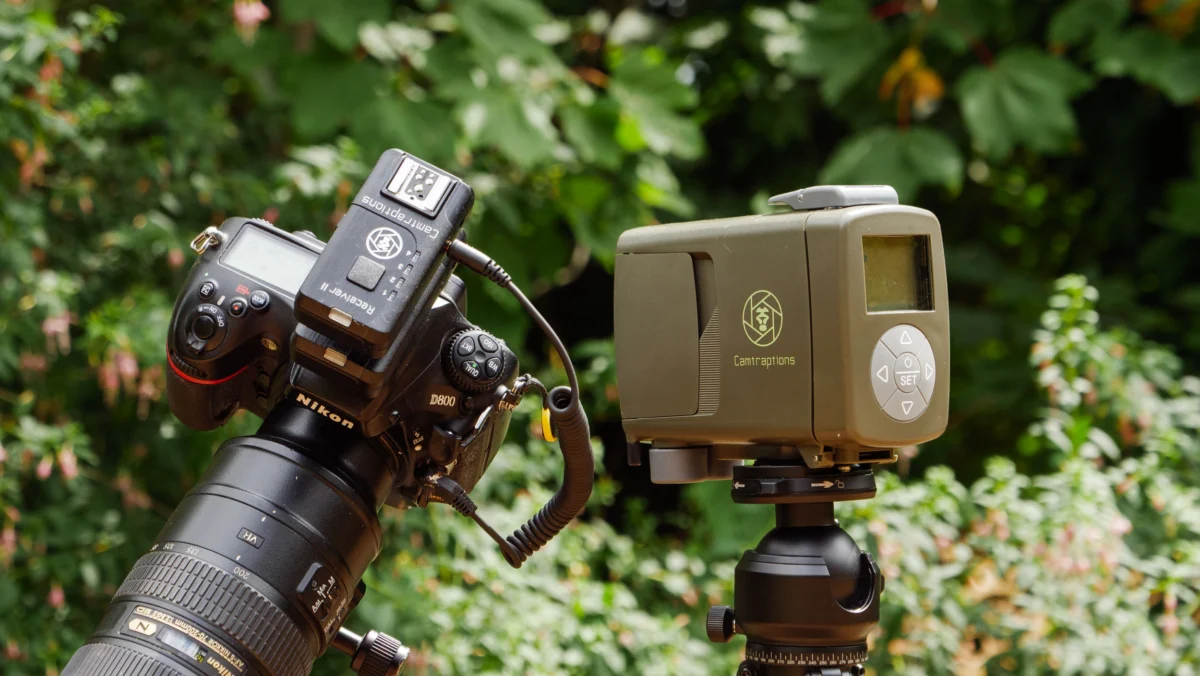
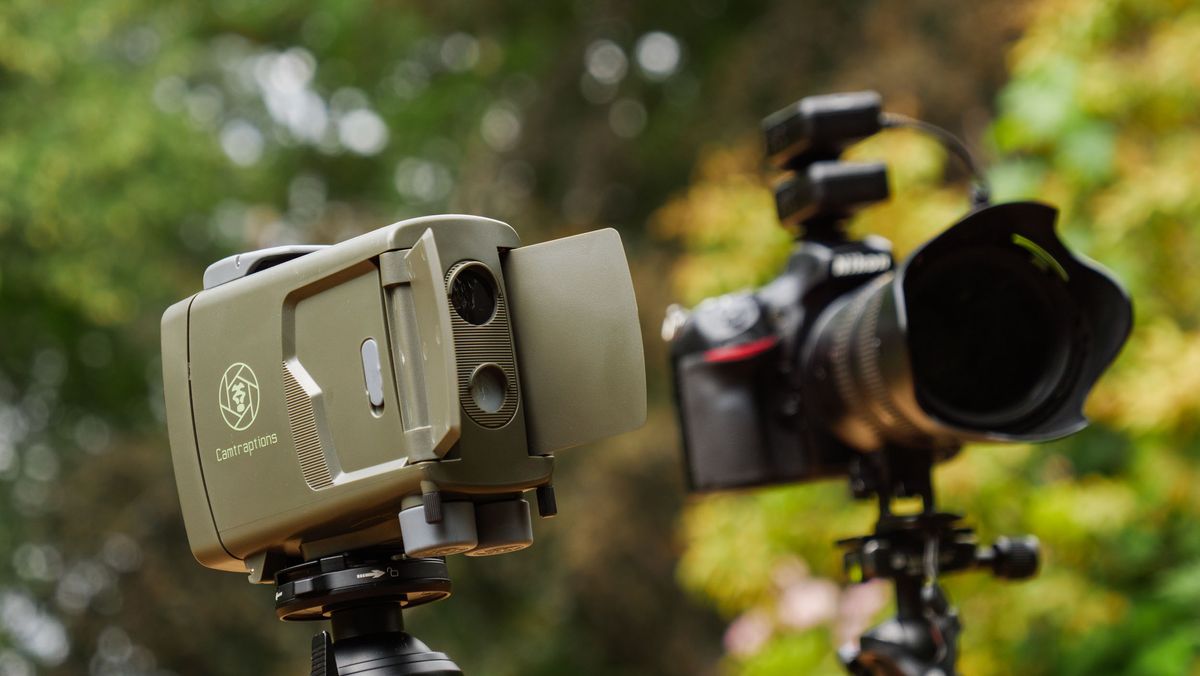
The setup involved a Nikon D800 paired with a 70-200mm f/2.8 lens, mounted on a tripod and focused on a baited branch. The PIR sensor was positioned a few feet away, scanning a specific "strike zone." Within hours of deployment, the system had captured dozens of perfectly composed, high-resolution images of common garden birds, including nuanced shots during the "blue hour" of dusk—a timeframe usually too dark for consumer-grade trail cams to handle effectively.
Stage 2: The Complexity of the Night
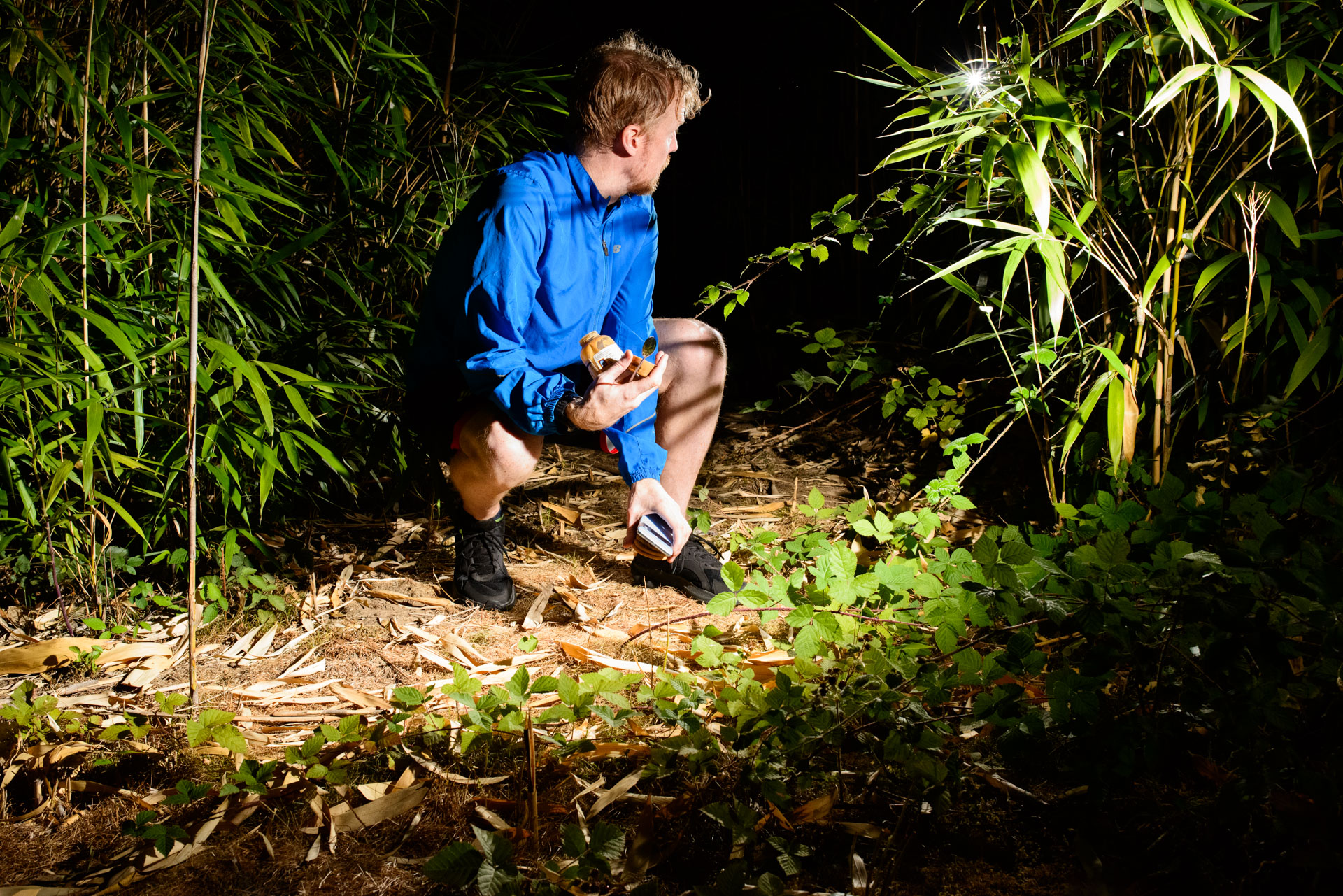
The second phase of the chronology involved a transition to nocturnal mammals, such as foxes, badgers, and deer. This required a significant escalation in technical complexity. On a warm, rainless evening, the setup was expanded to include a multi-point lighting system.
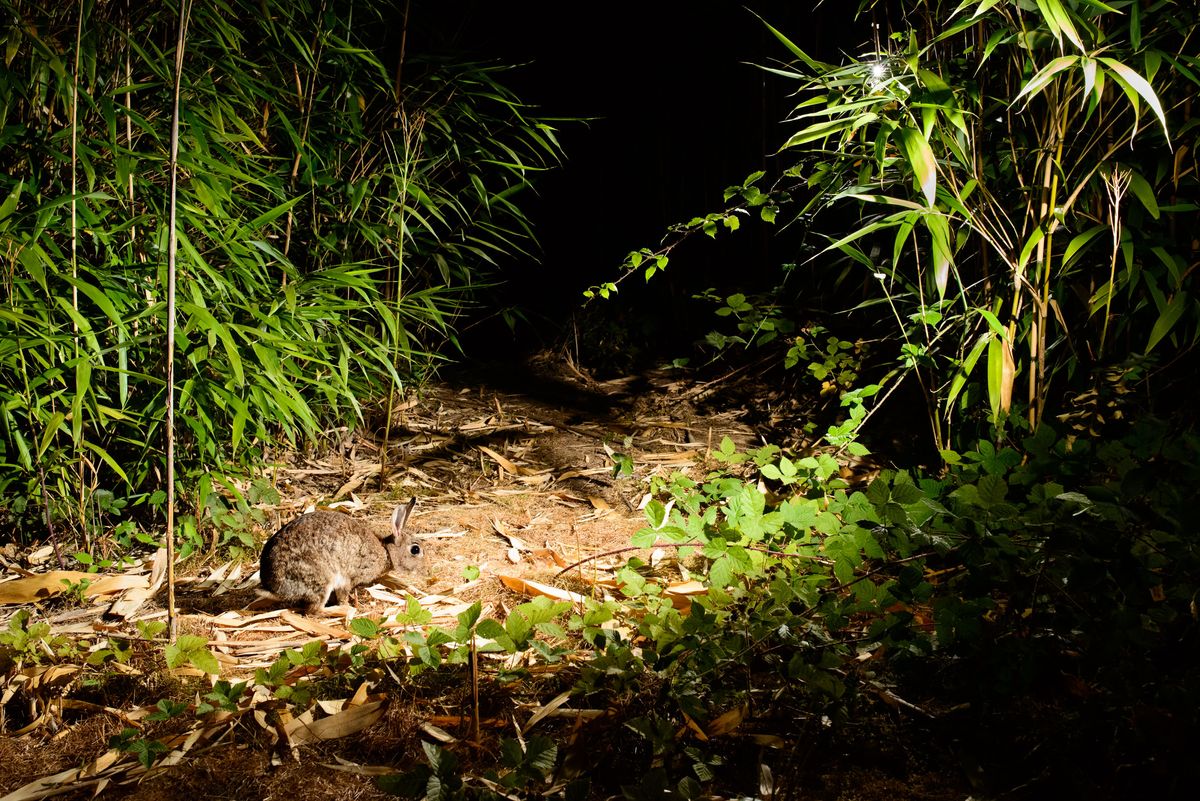
Because the Nikon D800 (a 2012 model) struggles with high-ISO noise compared to modern sensors, the use of off-camera flash became mandatory. This involved a "chain of command" synchronization: the PIR sensor detects motion, wirelessly triggers the camera receiver, which then triggers a transmitter mounted on the camera’s hot shoe, which finally fires two remote Z2 Camera Trap Zoom Flashes. After a period of "hedge-betting" on animal paths and utilizing peanut butter as a non-invasive lure, the system successfully captured its first high-fidelity nocturnal portraits of wild rabbits, demonstrating a level of detail and lighting control previously reserved for professional field assignments.
Supporting Data: The Technical Requirements of Remote Capture
Transitioning from a casual observer to a high-end camera trapper requires an understanding of the hardware and power management involved. The "Camtraptions" ecosystem is not a singular "point-and-shoot" device but a modular network of components.
Hardware Investment and Pricing
To replicate the results seen in the SWPA 2026 winning entries, the following technical components are typically required (based on current market rates):
- The Sensor: The Camtraptions PIR V4 (approx. £175/€205) serves as the brain of the operation, featuring adjustable scan areas and sensitivity.
- The Power Source: A 6xAA to NP-F Battery Adapter (£8) is often used to ensure the sensor can remain active for weeks or months.
- The Lighting: Z2 Camera Trap Zoom Flashes (£89 each) allow for "studio" lighting in the wild.
- The Connectivity: Wireless receivers and transmitters (approx. £23 each) are required for every link in the trigger chain.
Battery Logistics
One of the most significant data points for long-term deployment is power consumption. A full nighttime setup can require a staggering number of batteries:
- Wireless Transmitters/Receivers: 2x AAA each.
- Flashguns: 4x AA each.
- PIR Sensor: 6x AA (or Sony FZ-style lithium batteries).
- Total: For a two-flash setup, a photographer may need up to 22 rechargeable batteries running simultaneously.
Camera Settings for Success
In the field test, the following data-driven settings were found to be optimal for the Nikon D800:
- Daytime Birds: 1/500sec, f/9, Auto ISO (Max 3200), -0.7EV exposure compensation to preserve highlight detail in feathers.
- Nighttime Mammals: 1/200sec (Flash Sync Speed), f/10, Manual Flash Power (1/32 for key light, 1/64 for fill/background).
Official Responses: The Burrard-Lucas Philosophy
Will Burrard-Lucas, the architect of this methodology, maintains that the "obsolescence" of older DSLRs is actually their greatest strength in this field. In discussions regarding his award-winning work, Burrard-Lucas emphasizes three core reasons for utilizing secondhand DSLR gear over modern mirrorless alternatives:
- Cost-to-Risk Ratio: "I tend to leave cameras on location for months at a time," Burrard-Lucas notes. Using a secondhand Nikon D800 or Canon 5D Mark III allows the photographer to deploy a high-resolution full-frame sensor into potentially hazardous environments (weather, theft, or animal damage) without the financial anxiety of risking a £4,000 modern flagship.
- Flash Reliability: DSLRs often have more consistent "wake-from-sleep" cycles when paired with traditional flash triggers, a critical factor when an animal may only be in the frame for a fraction of a second.
- Battery Longevity: Without the power-hungry Electronic Viewfinders (EVF) of mirrorless cameras, DSLRs can remain in a low-power "standby" mode for significantly longer periods.
Burrard-Lucas suggests that for those looking to begin, talking with specialized teams to match the kit to the specific environment—be it a rainforest or a suburban garden—is essential for avoiding technical failure in the field.
Implications: The Democratization of Professional Wildlife Imagery
The successful application of Camtraptions technology in a domestic garden has several far-reaching implications for the future of photography and conservation.
Environmental Education and Conservation
By capturing professional-grade images of local biodiversity, amateur photographers are contributing to a "hyper-local" form of conservation. High-resolution imagery of badgers, foxes, and local bird species can be used to engage local communities in protecting suburban habitats. When the "common" garden visitor is rendered with the same artistic dignity as a lion in the Serengeti, it fosters a deeper emotional connection to local wildlife.
The Sustainability of "Legacy" Gear
This movement provides a secondary market and a functional "afterlife" for millions of DSLRs that would otherwise be relegated to electronic waste. The high megapixel counts of cameras like the Nikon D800 (36MP) remain more than sufficient for large-scale prints and competition entries, proving that the "latest and greatest" gear is not a prerequisite for world-class results.
The Shift in Creative Process
Remote capture represents a fundamental shift in the creative process. The photographer moves from being a "hunter" of moments to an "architect" of scenes. The skill shifts from manual dexterity and reaction time to pre-visualization, lighting design, and an intimate understanding of animal behavior. This "automated" obsession requires more patience than traditional photography—sometimes waiting weeks for a single frame—but the reward is an intimate, wide-angle perspective of nature that is physically impossible to achieve while holding the camera.

As technology continues to bridge the gap between amateur spaces and professional standards, the "backyard" is no longer just a place for observation—it is a legitimate studio for the next generation of award-winning wildlife photography.


