Kei Nishikori on the Brink: A Legend’s Farewell Tour Begins Amidst Injury and Emerging Talent
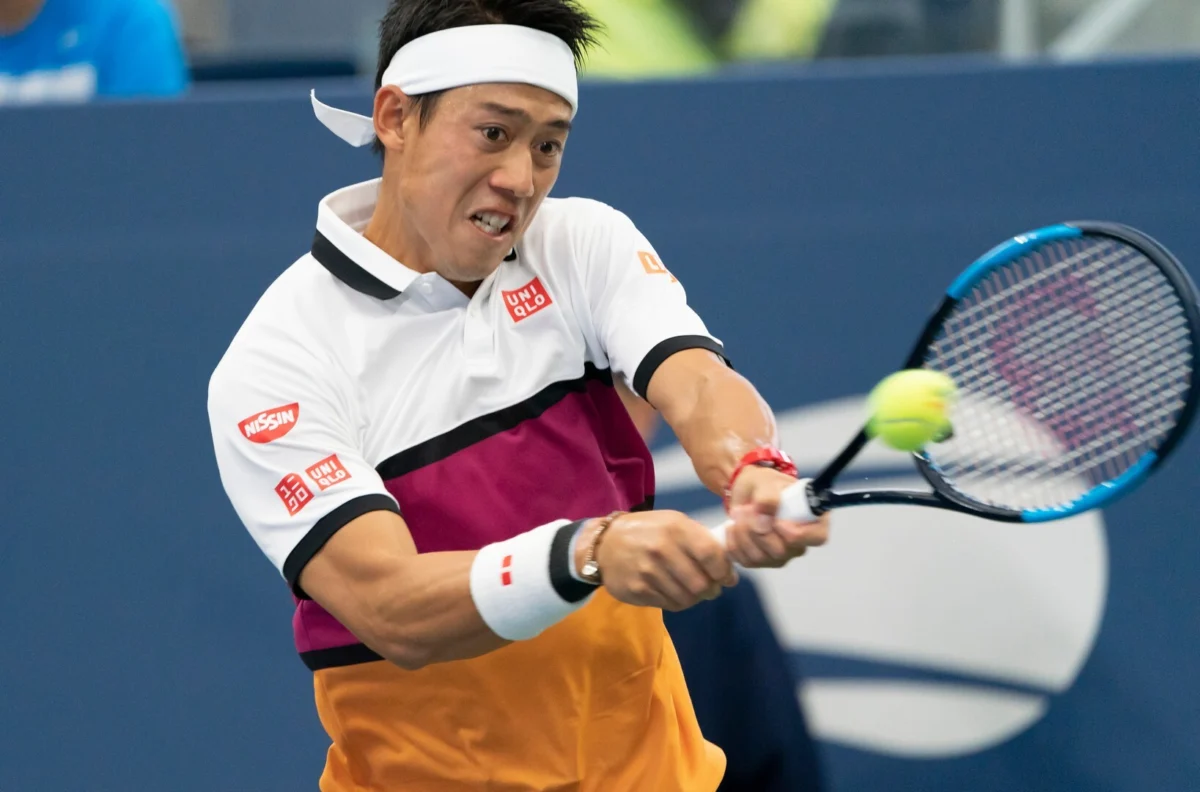
Tokyo, Japan – The air in the Japanese tennis world is thick with a bittersweet sentiment. Kei Nishikori, the undisputed titan of Japanese men’s tennis in the Open Era, is nearing the twilight of a distinguished career. Once a formidable presence in the top echelons of the sport, ranked as high as World No. 4, Nishikori’s current standing at World No. 721 paints a stark picture of the challenges he has faced. A prolonged battle with injuries has seen him unable to accumulate ranking points over the past 52 weeks, yet a wildcard entry into the Washington Open, a tournament he triumphed in back in 2015, signals the beginning of his farewell tour. The poignant reality is that Nishikori will officially hang up his racquet after the upcoming Japanese Open in September, marking the end of an era.
A Glimpse of the Past, a Nod to the Future
At 36 years old, Nishikori’s return to competitive action, even for a brief period, was met with a mixture of nostalgia and anticipation. His first-round victory at the Washington Open, a hard-fought comeback against the young Chinese talent Shang Juncheng, marked his first tour-level win in an astounding 14 months. This tenacious display, reminiscent of the fighter’s spirit that defined much of his career, offered a fleeting glimpse of the Nishikori of old.
However, the harsh realities of professional tennis, particularly at the highest level, were swiftly brought into focus in the round of 16. Nishikori faced Rafael Jódar, a 19-year-old Spanish sensation who has emerged as one of the breakout stars of the current ATP season. Jódar, ranked a respectable World No. 24, proved to be a formidable opponent, his youthful exuberance and powerful game overwhelming Nishikori with a decisive 6-3, 6-2 victory.
"It was a horrible match for me," Nishikori admitted in the post-match press conference, acknowledging the physical superiority of the Spanish teenager. Jódar, in his debut ATP season, spoke with reverence for his vanquished opponent. "Kei is one of the best players of all time. He’s won so many titles. It’s a pleasure to play against him, a legend like Kei," he stated, underscoring the respect Nishikori commands within the locker room, even as he transitions out of it. Jódar’s impressive run continued as he advanced to the quarter-finals, where he is set to face World No. 15 Lorenzo Musetti in what will be their first-ever encounter.
A Career Defined by Resilience and Historic Achievements
Kei Nishikori’s career is a tapestry woven with threads of remarkable resilience, groundbreaking achievements, and an enduring impact on Japanese sports. His journey has been far from a smooth ascent; rather, it has been characterized by overcoming significant physical setbacks to consistently perform at the highest level.
Key Career Milestones:
- 12 ATP Titles: Over his illustrious career, Nishikori has amassed an impressive 12 ATP singles titles, reaching a total of 15 finals. This consistent success speaks volumes about his talent and dedication.
- US Open 2014 Final: Arguably the pinnacle of his singles career, Nishikori reached the final of the US Open in 2014. In a stunning semi-final upset, he defeated then-World No. 1 Novak Djokovic, a feat that reverberated globally. Though he ultimately fell to Marin Cilic in the final, this achievement cemented his place in Grand Slam history and inspired a nation.
- Olympic Bronze Medal (Rio 2016): Nishikori achieved another historic milestone by securing a bronze medal at the 2016 Rio Olympics. In a thrilling bronze medal match, he defeated Spanish legend Rafael Nadal, becoming the first Japanese male tennis player to win an Olympic medal in singles.
- Former World No. 4: His career-high ranking of World No. 4 is a testament to his consistent performance and ability to compete with the sport’s elite for an extended period.
Nishikori’s impact extends beyond his individual accolades. He served as a trailblazer, breaking down barriers for Japanese tennis players on the international stage and paving the way for future generations. His dynamic playing style, characterized by exceptional speed, potent groundstrokes, and a tenacious fighting spirit, captivated audiences worldwide.
The Road to Retirement: A Farewell Tour Orchestrated by Wildcards
The decision to retire is never easy, especially for athletes who have dedicated their lives to their sport. For Nishikori, the path to this inevitable conclusion has been largely dictated by his persistent battle with injuries. While his ranking may have slipped dramatically, his name still carries significant weight in the tennis world, allowing him opportunities for a fitting send-off.
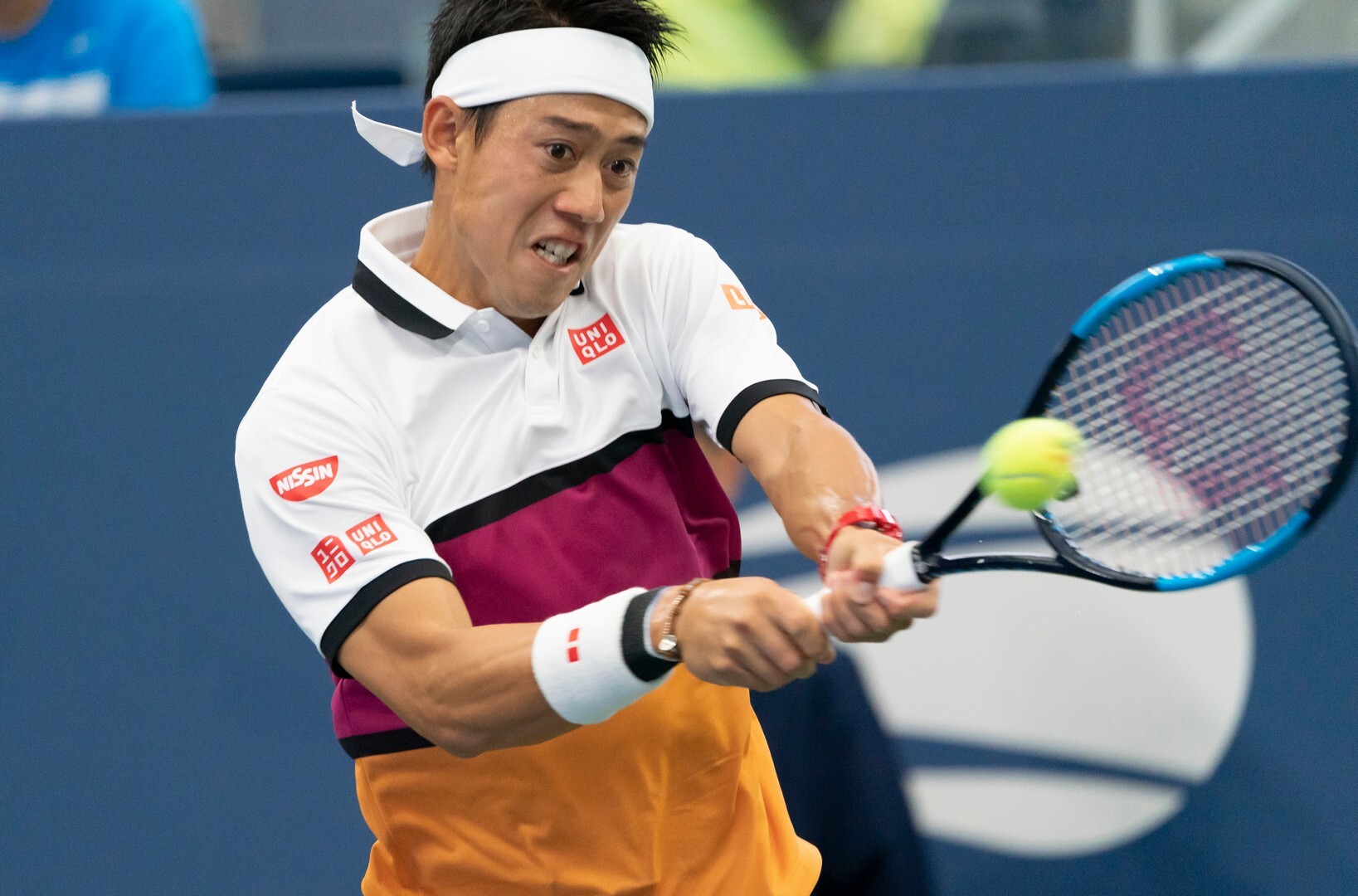
The wildcard into the Washington Open was a clear indication of this sentiment. The tournament holds a special place in his history, having won it in 2015, a victory that underscored his capabilities on hard courts. This invitation provided him with a chance to compete again on a familiar stage and test his body before his final performances.
The announcement that he will retire after the Japan Open in September carries immense symbolic importance. The Japan Open, an ATP 500 tournament, is a prestigious event held on home soil. Nishikori has a strong connection to this tournament, having won it twice in his career, in 2012 and 2014. This homecoming event will undoubtedly be an emotional occasion for Nishikori, his fans, and the entire Japanese tennis community, offering a chance to celebrate his legacy in front of a supportive home crowd. This final tournament will be a testament to his enduring love for the sport and his desire to bow out on his own terms, surrounded by the nation that has cheered him on for so long.
The Emerging Talent: A New Generation Rises
While Nishikori’s departure marks the end of an era, it also signifies the dawning of a new one. The emergence of young talents like Rafael Jódar serves as a reminder that the future of men’s tennis is in capable hands. Jódar’s impressive performance against Nishikori, coupled with his strong showing throughout the season, highlights his potential to become a significant force in the years to come.
Jódar’s journey in his first ATP season has been nothing short of remarkable. His ranking has steadily climbed, and his ability to compete and defeat seasoned professionals is a testament to his skill and mental fortitude. His matchup against Lorenzo Musetti in the quarter-finals of the Washington Open further exemplifies the exciting talent pool emerging on the ATP tour.
The dynamic between seasoned veterans and rising stars is a constant in professional sports. As Nishikori takes his final bow, the torch is being passed to a new generation of players eager to make their mark. This transition, while bittersweet for fans of the retiring legend, is a healthy sign for the sport, ensuring its continued evolution and the emergence of new rivalries and storylines. The performances of players like Jódar indicate that the competitive landscape of men’s tennis will remain as captivating as ever, even as the game bids farewell to one of its most beloved figures.
A Legacy Beyond Numbers: Impact and Inspiration
Kei Nishikori’s legacy will extend far beyond his statistical achievements and rankings. He has become an icon of perseverance, a symbol of national pride, and an inspiration to countless aspiring athletes in Japan and across Asia. His journey, marked by overcoming physical adversity and consistently challenging the world’s best, has resonated deeply with a global audience.
His presence in the latter stages of Grand Slams and his Olympic medal victory transcended the sport, capturing the imagination of a nation and elevating tennis to new heights of popularity in Japan. He demonstrated that with dedication, talent, and an unwavering spirit, even players from smaller tennis nations could compete and succeed on the biggest stages.
As Nishikori embarks on his farewell tour, the tennis world prepares to celebrate a career that has been both brilliant and inspiring. The Washington Open and the upcoming Japan Open will serve as poignant farewells, offering fans a final opportunity to witness the magic of Kei Nishikori on court and to acknowledge the profound impact he has had on the sport. His retirement will undoubtedly leave a void, but the memories of his electrifying performances and his indomitable spirit will continue to inspire for generations to come. The narrative of his career, from his early promise to his Grand Slam final appearance and Olympic triumph, will be etched in the annals of tennis history, a testament to a true champion who defied expectations and left an indelible mark on the game.