Onimusha: Way of the Sword – A Glorious, Gory Return to Form, Marred by Repetitive Journeys
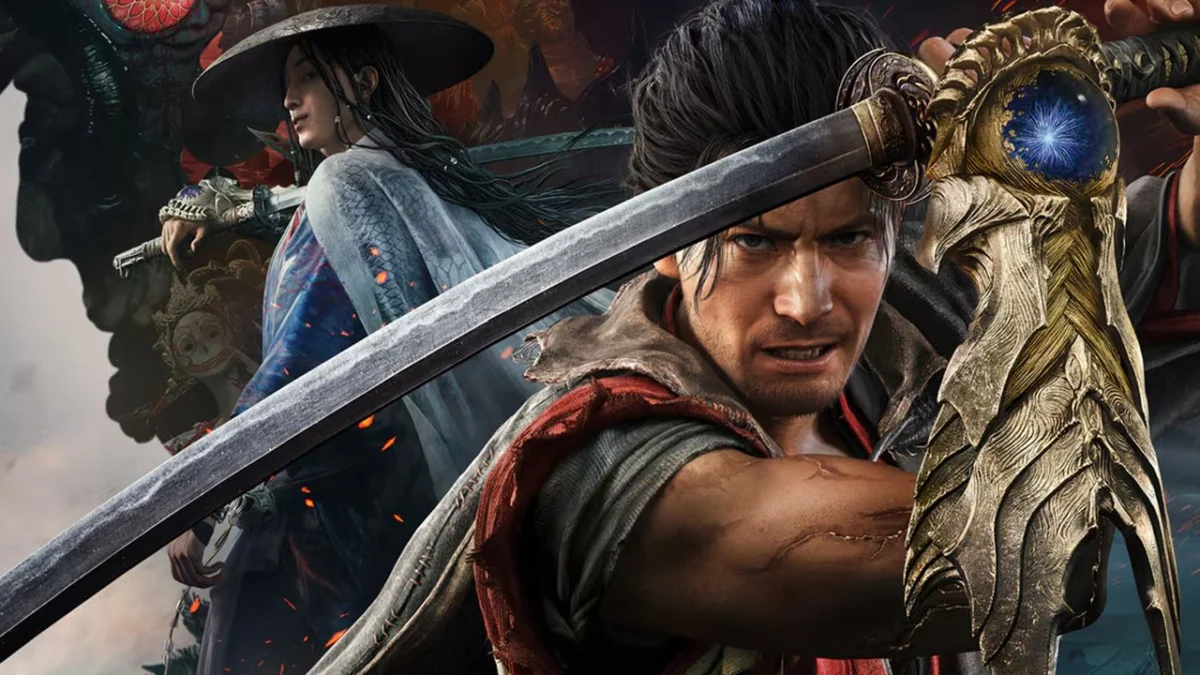
Capcom’s revered samurai horror series makes a triumphant comeback with Onimusha: Way of the Sword, a title that masterfully blends sublime swordplay and spectacular samurai horror. While the core combat is a revelation, offering a deeply satisfying dance of death, the overall experience is somewhat hampered by an abundance of repetitive busywork that prevents it from reaching true legendary status.
The Verdict: A Thrilling Return with Familiar Flaws
Onimusha: Way of the Sword arrives after a lengthy hiatus, aiming to recapture the magic that made its predecessors beloved. For the most part, it succeeds. The game plunges players back into a world brimming with demonic creatures and the stoic, yet stylish, samurai warriors tasked with their extermination. The combat system, in particular, is a standout achievement, offering a fluid and responsive experience that rewards precision and strategic thinking. However, the narrative’s progression and the activities sprinkled throughout the journey often feel like padding, detracting from the otherwise stellar core gameplay.
Key Details: A Familiar Foundation Reimagined
Publisher: Capcom
Developer: Capcom
Release Date: September 4
Platforms: PlayStation 5 (reviewed), Nintendo Switch 2, Xbox Series X/S, PC
Engine: RE Engine
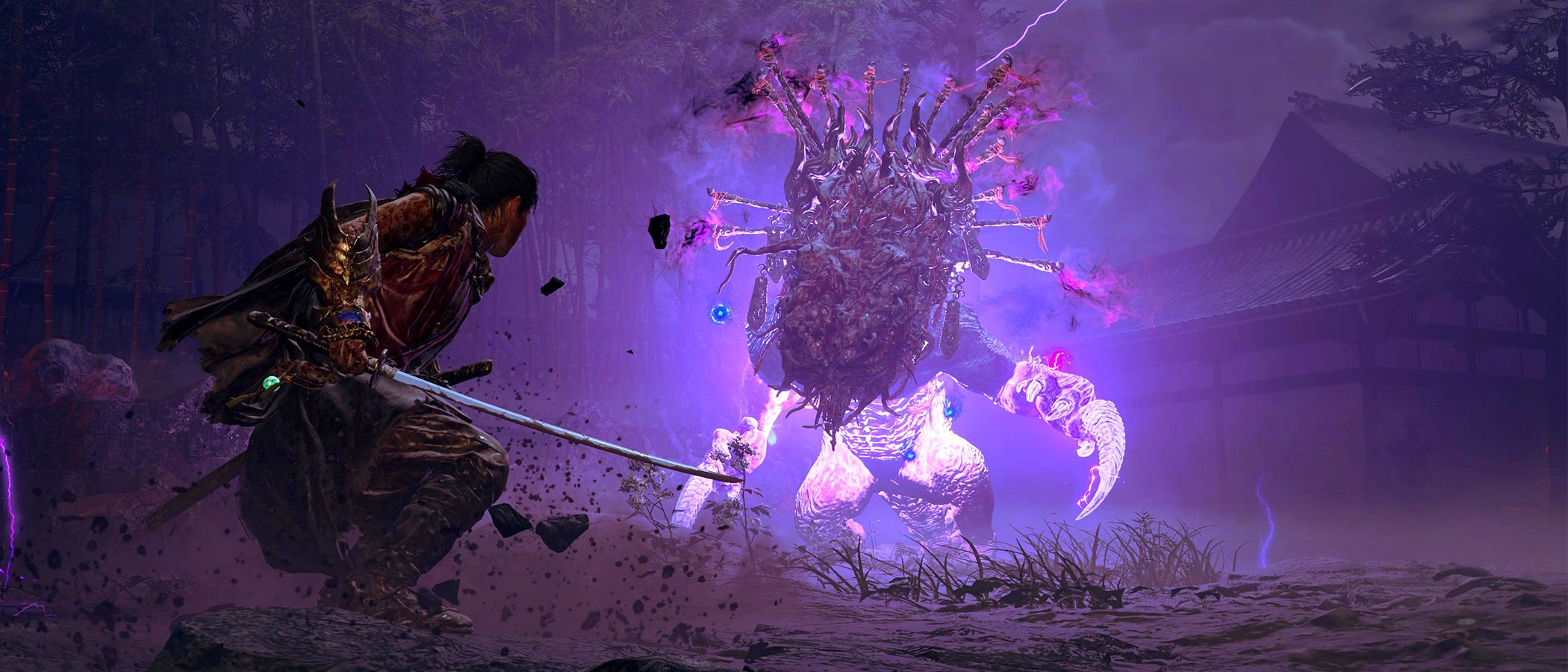
This latest installment sees Capcom wielding its renowned RE Engine to breathe new life into the Onimusha franchise. Set in an Edo-period Kyoto under siege by the malevolent Malice, players step into the sandals of the legendary swordsman Miyamoto Musashi. The game skillfully weaves together the classic Onimusha elements—the satisfying Issen counters, the potent Oni Gauntlet, the soul absorption mechanics, and the delightfully grotesque Genma—with modern gameplay sensibilities. This approach ensures that Way of the Sword feels like a fresh and ambitious undertaking rather than a mere retread of past glories.
The Genesis of a Comeback: A Long-Awaited Revival
The return of Onimusha has been a fervent wish among fans for over two decades. The original series, which debuted in 2001, carved a unique niche by blending survival horror elements with action-packed samurai combat. Its blend of historical settings, supernatural lore, and challenging gameplay resonated with a dedicated audience. Years of anticipation have culminated in Way of the Sword, a title that aims to honor that legacy while embracing contemporary game design.
Capcom’s decision to revive Onimusha speaks to a broader trend of developers revisiting and re-imagining classic IPs. The success of remakes and remasters across various genres has demonstrated a strong market for nostalgic yet modernized experiences. Way of the Sword appears to be following this successful blueprint, promising a familiar yet evolved adventure for both veteran fans and newcomers alike.
Peeling Back the Layers: A Deeply Satisfying Combat System
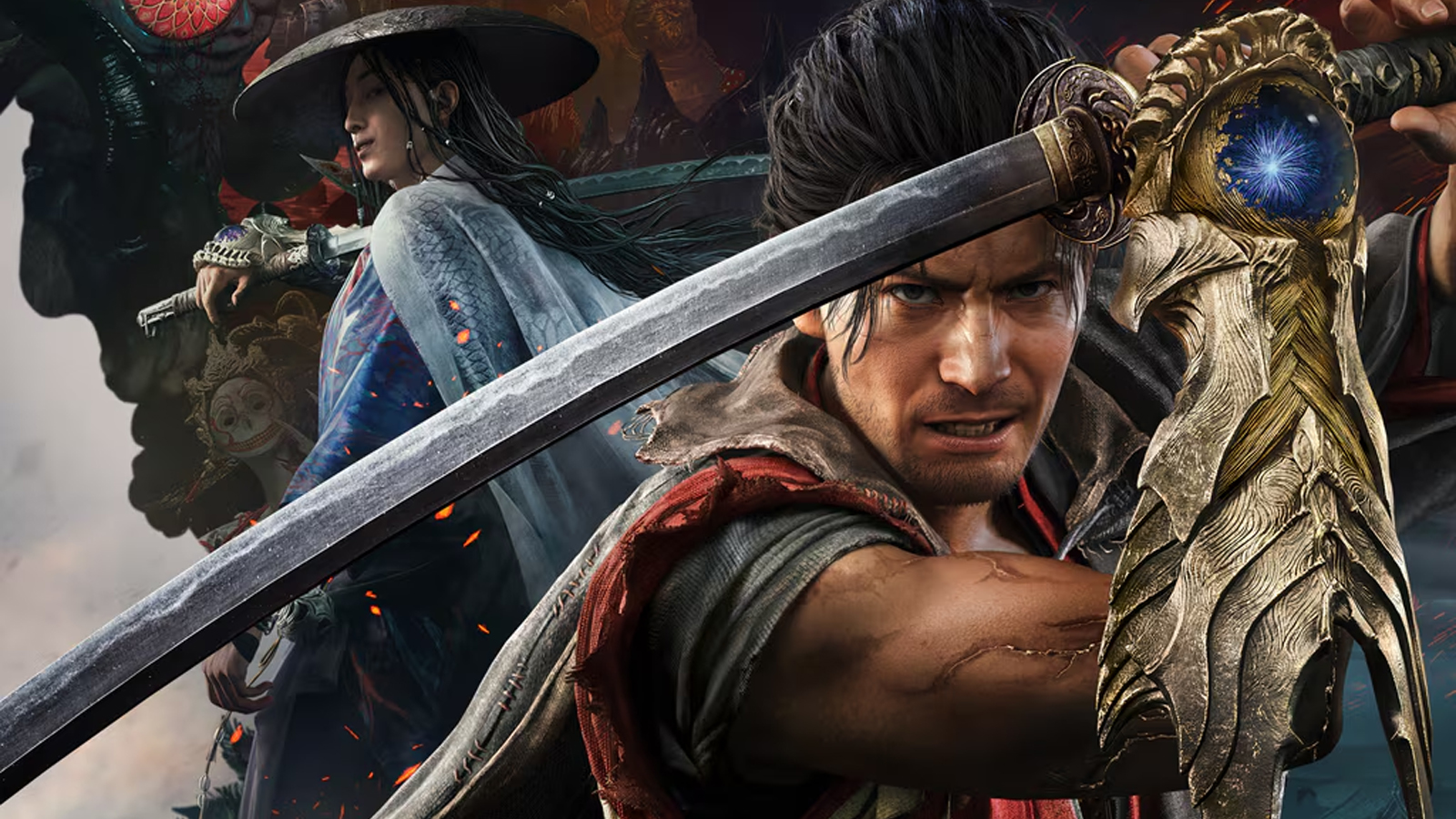
At the heart of Onimusha: Way of the Sword lies its combat, a system that is as brutal as it is beautiful. Beneath the surface of simply hacking and slashing, players will discover a surprisingly intricate dance of timing, positioning, stamina management, and the strategic deployment of supernatural weaponry. The Issen counter system, a series staple, returns in spectacular fashion. Mastering the precise moment to parry an enemy’s attack, just as it lands, allows Musashi to exploit their momentum for devastatingly efficient executions.
This mechanic, initially daunting, quickly becomes second nature. A perfectly timed Issen counter sees Musashi effortlessly slip inside an opponent’s guard, dispatching them with clinical precision. Conversely, a mistimed attempt serves as a stark reminder of the Genma’s formidable power, capable of tearing Musashi apart. Even the most common enemies demand a degree of focus; complacency is swiftly punished.
Beyond the core Issen system, Way of the Sword introduces layers of tactical depth. Enemy stances and stamina become crucial factors, offering opportunities to stagger foes with powerful attacks or combos. Successfully executing Issen counters can lead to devastating Issen Break finishers. The environment itself can be utilized as a makeshift weapon, with a simple door proving a surprisingly effective shield.
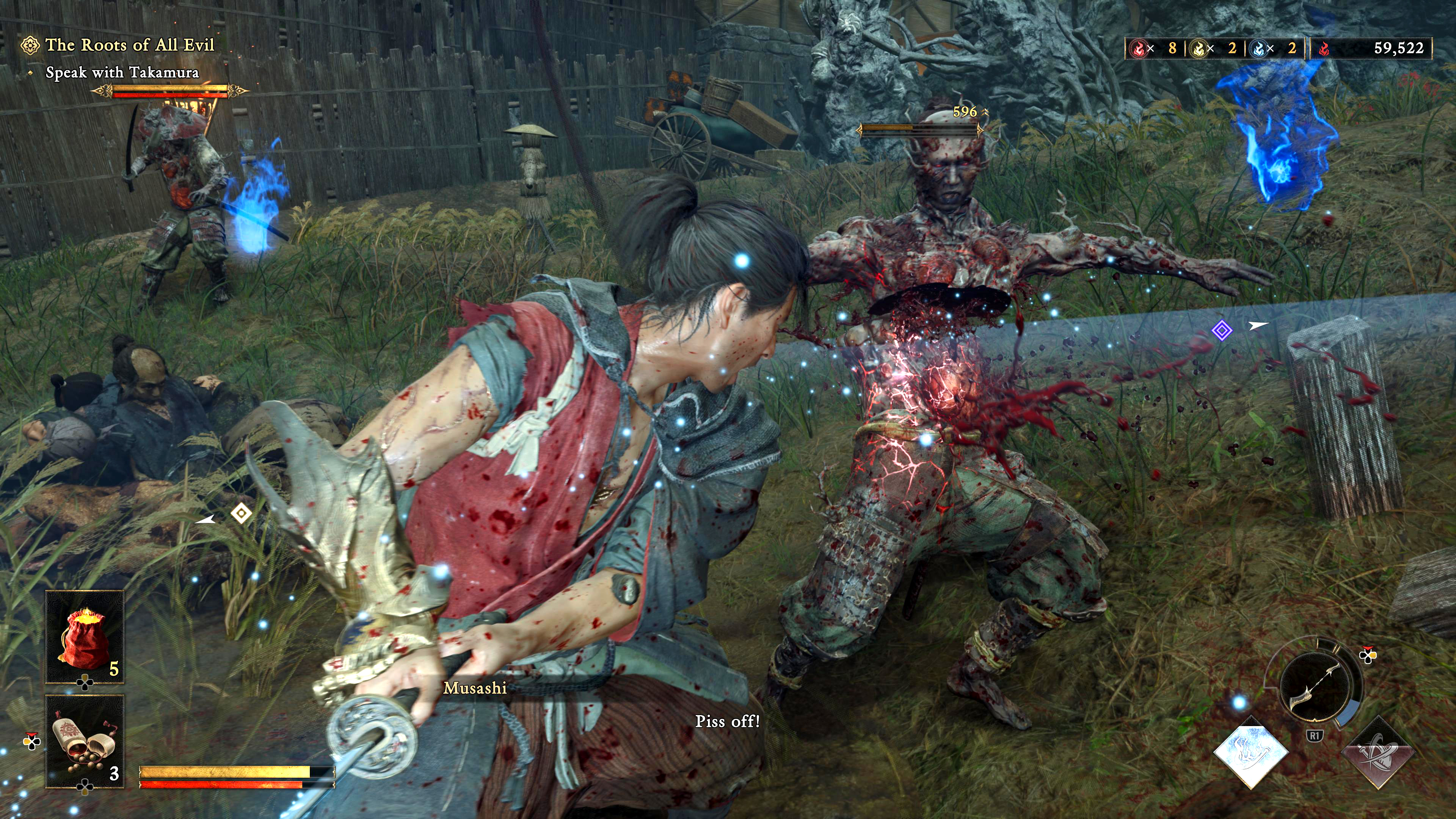
The Oni Gauntlet is central to Musashi’s arsenal. By absorbing the souls of defeated Genma, players can replenish health (yellow souls), upgrade weapons and abilities (red souls), and power the Oni Armaments (blue souls). These supernatural weapons offer a variety of devastating offensive options tailored to specific enemy types. Later in the game, Musashi gains the ability to enter an Oni Awakening transformation, fueled by purple orbs. This powerful state introduces a high-risk, high-reward dynamic, where successful Issen counters are crucial for maintaining the transformation, turning every encounter into a test of precise timing.
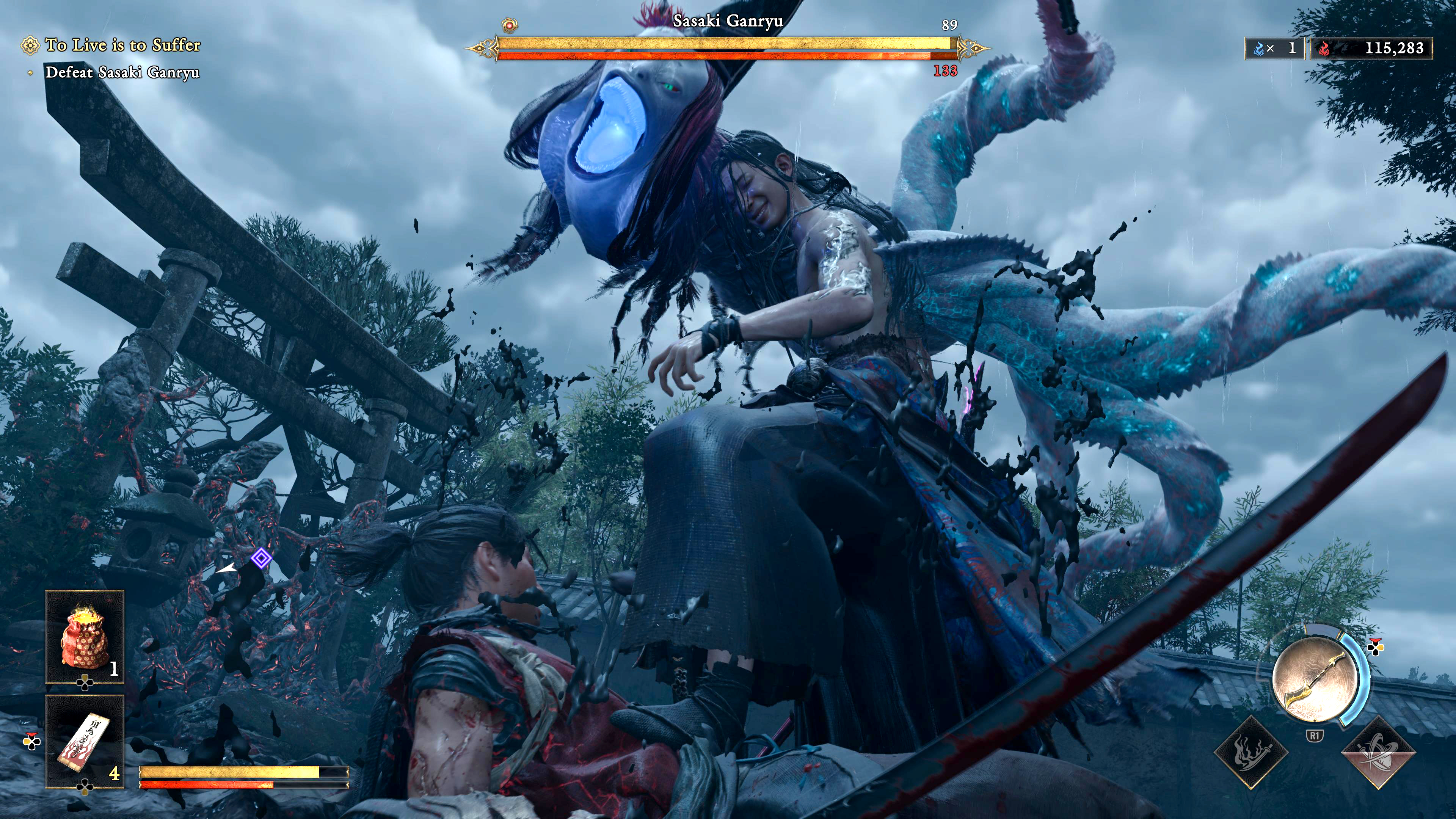
The visual presentation of the combat is equally impressive. Capcom’s Dynamic Dismemberment system ensures that each sword strike is met with gruesome, yet satisfying, visual feedback. The animation work is exceptional, showcasing Musashi’s fluid movements as he parries, dodges, and slices through his demonic foes. From elegant one-handed blocks to acrobatic evasions and pirouetting strikes, the animations are a testament to the developers’ attention to detail. Even after hours of gameplay, players will discover subtle nuances in Musashi’s animations, adding to the character’s swagger and the overall spectacle of combat. Crucially, the ability to cancel mid-animation ensures that the flow of battle remains uninterrupted.
The Persona of a Warrior: Miyamoto Musashi Reimagined
A significant departure from the stoic archetypes often found in samurai narratives, Miyamoto Musashi in Way of the Sword is presented as a more complex and relatable figure. Inspired by the legendary Japanese actor Toshiro Mifune, Musashi embodies a swaggering, occasionally petulant, wandering swordsman more interested in proving himself and living his life than in grand pronouncements of heroism. This grounded approach to the protagonist makes his reluctant embrace of the Oni Gauntlet and his descent into a demon-infested Kyoto all the more compelling.
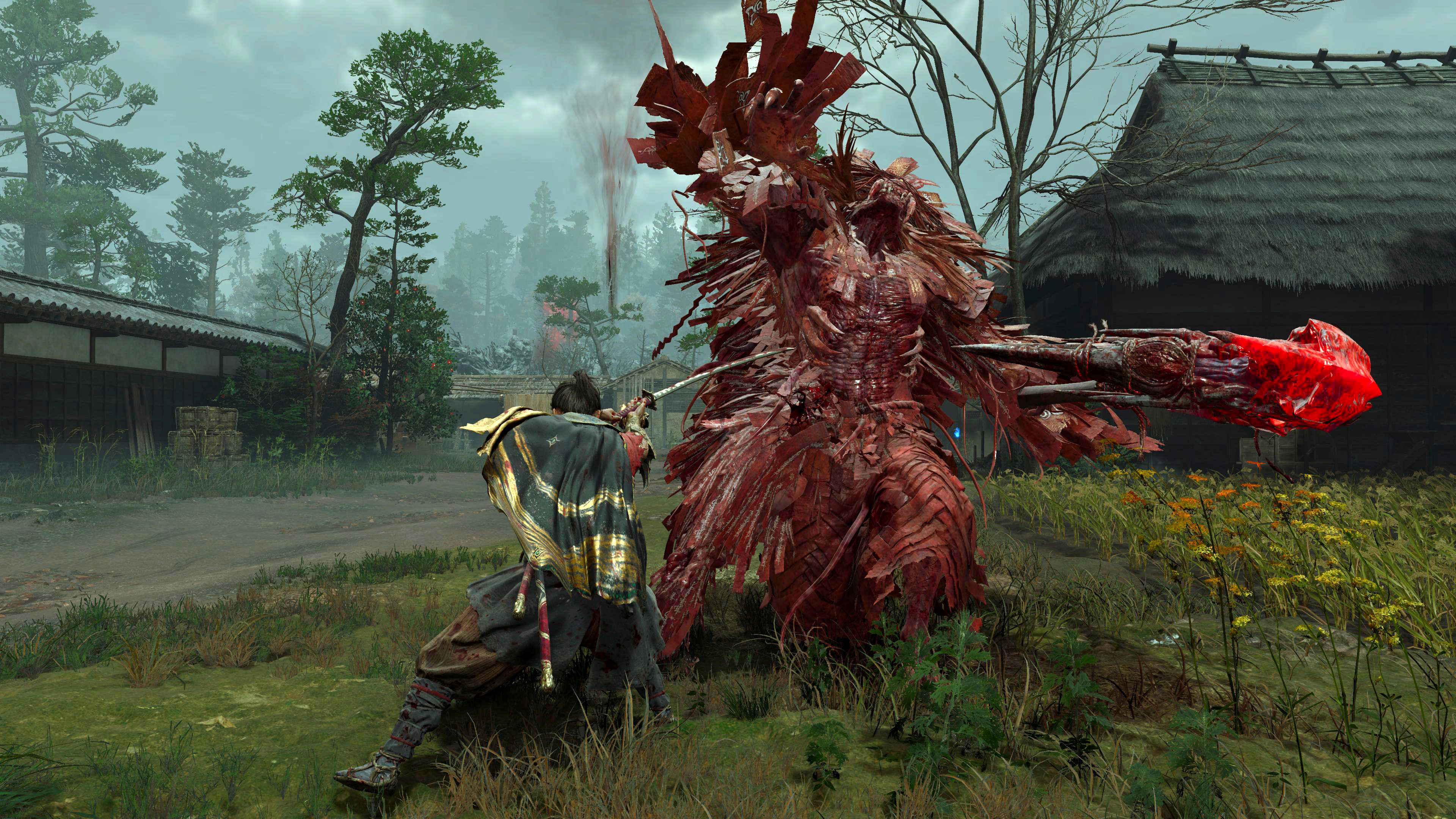
Capcom masterfully portrays Musashi’s character arc through subtle animations and nuanced dialogue. He can be seen sulking in one moment and confidently dispatching foes in the next. His gradual acceptance of responsibility, as he grapples with the power of the Oni Gauntlet and the plight of Kyoto, provides a genuine emotional core to the narrative, all without resorting to an uncharacteristic shift towards somberness.
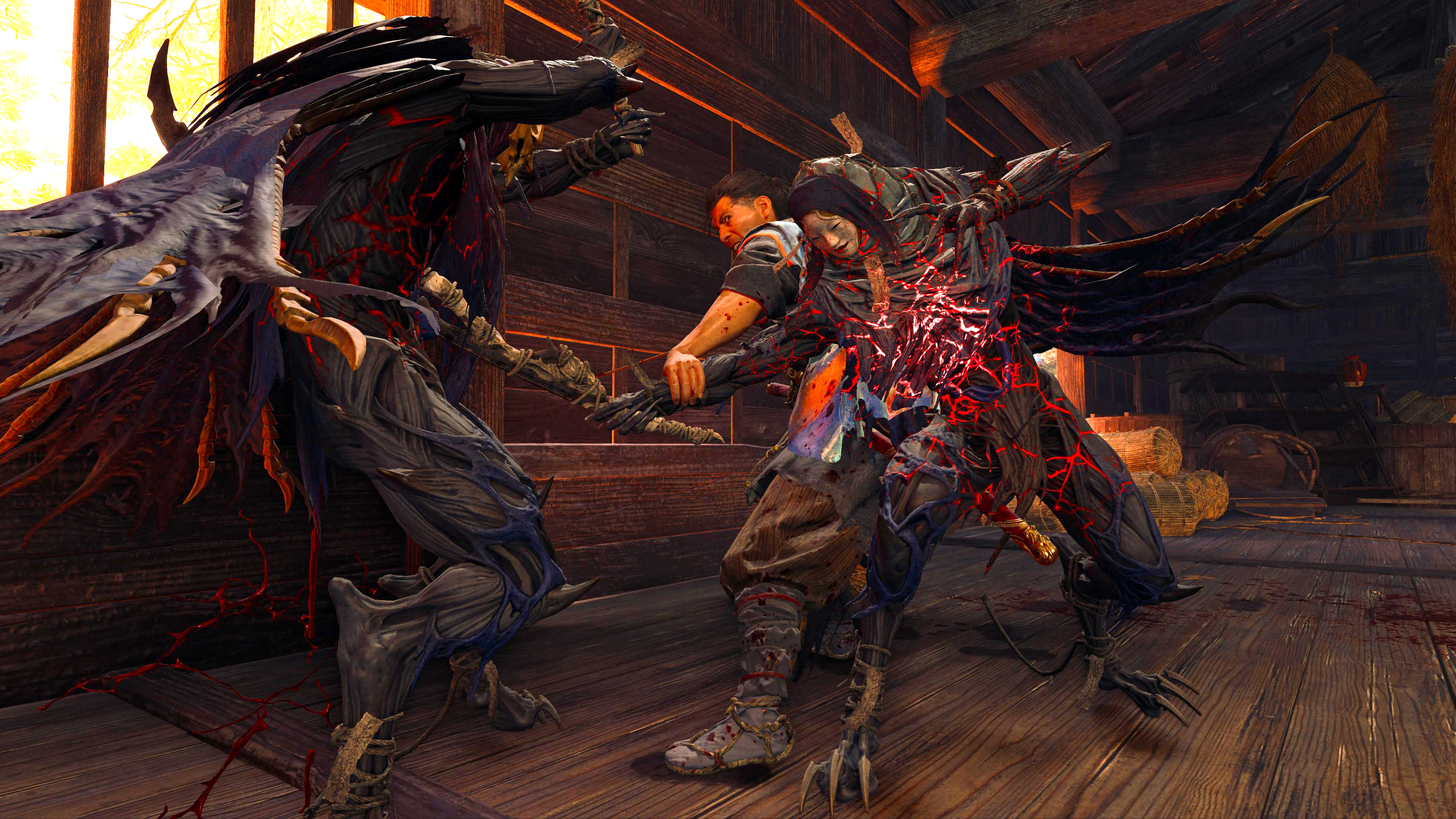
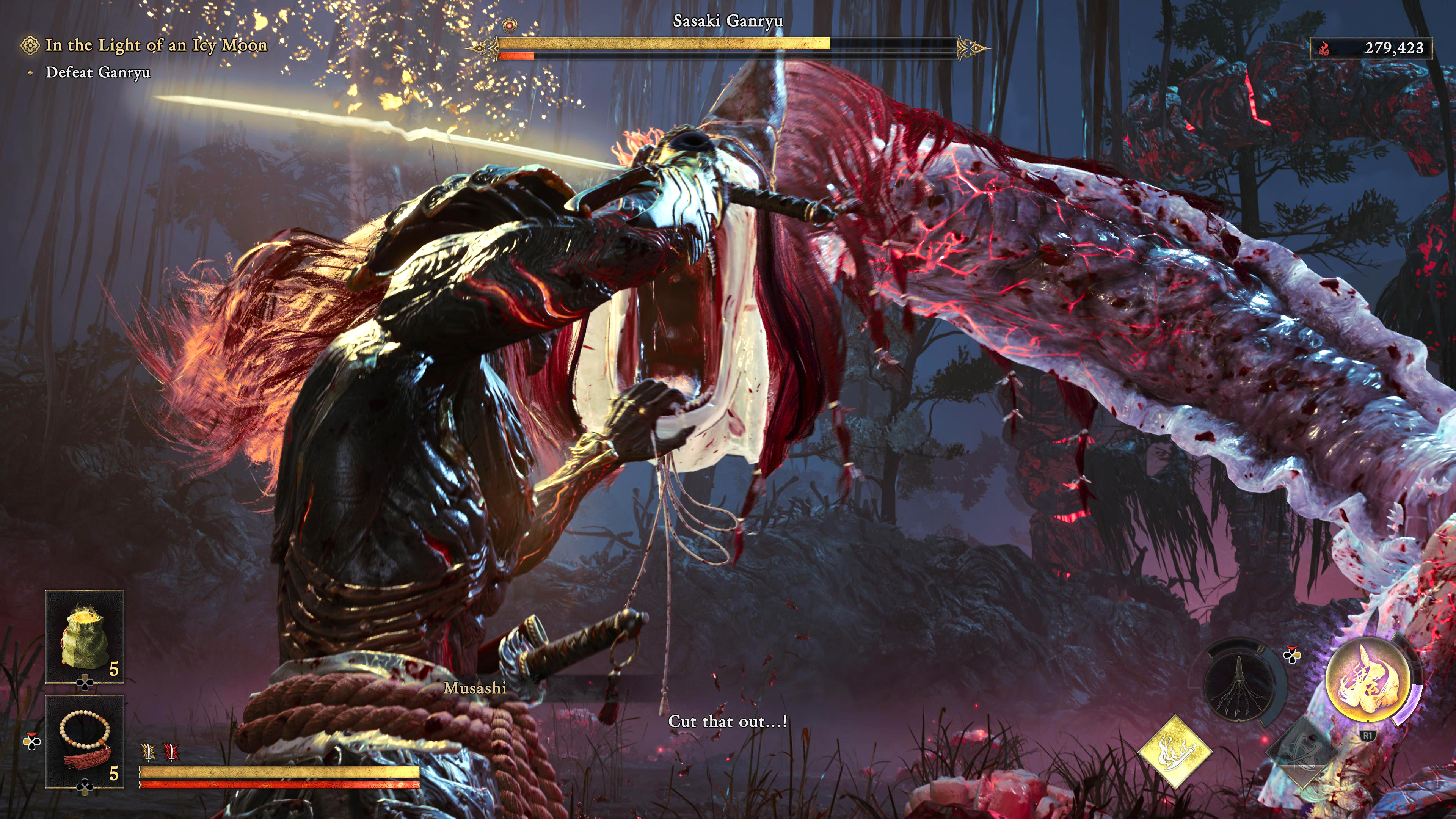
The supporting cast and villains are equally well-realized. Sasaki Ganryu, Musashi’s unhinged rival, provides moments of manic energy, while the various Genma bosses are imbued with enough personality and theatricality to make each encounter feel distinct and memorable. Even recurring mini-bosses, such as the paper talisman-clad Byakue and the snake-necked Dokyo, are meticulously designed and offer unique challenges. The confrontation between Ifuu and Burai, who are fought individually before being encountered as a formidable duo, exemplifies how the game can evolve enemy encounters to keep them fresh.
The game’s finale, a tense standoff with Yoshitsune, is a masterclass in cinematic boss design. The villain stalks Musashi around the arena, delivering taunts and engaging in a beautifully choreographed dance of death. This encounter, more than any other, captures the essence of samurai cinema, blurring the lines between combat and performance.
Kyoto’s Descent: A World of Haunting Beauty and Horrors
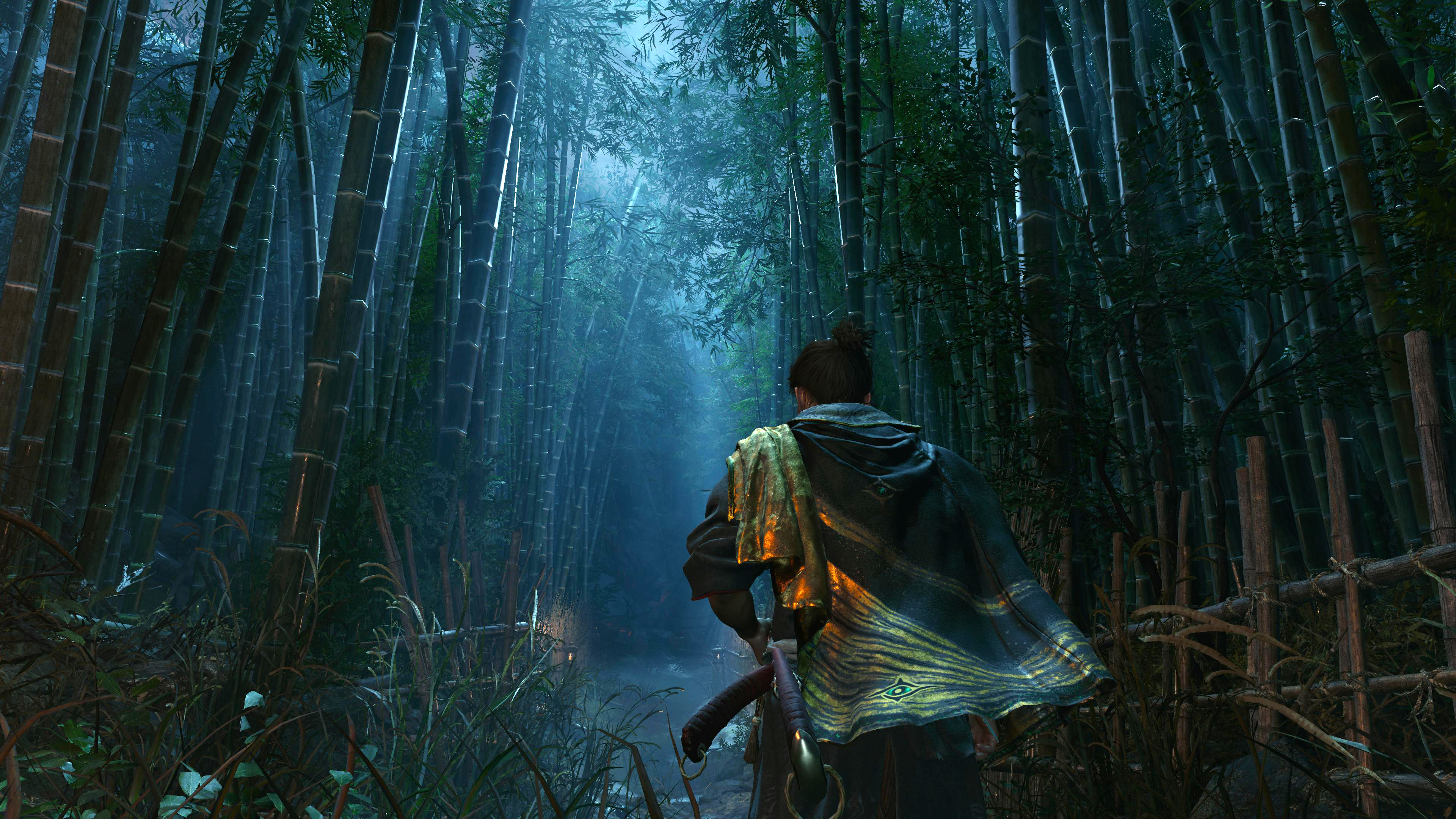
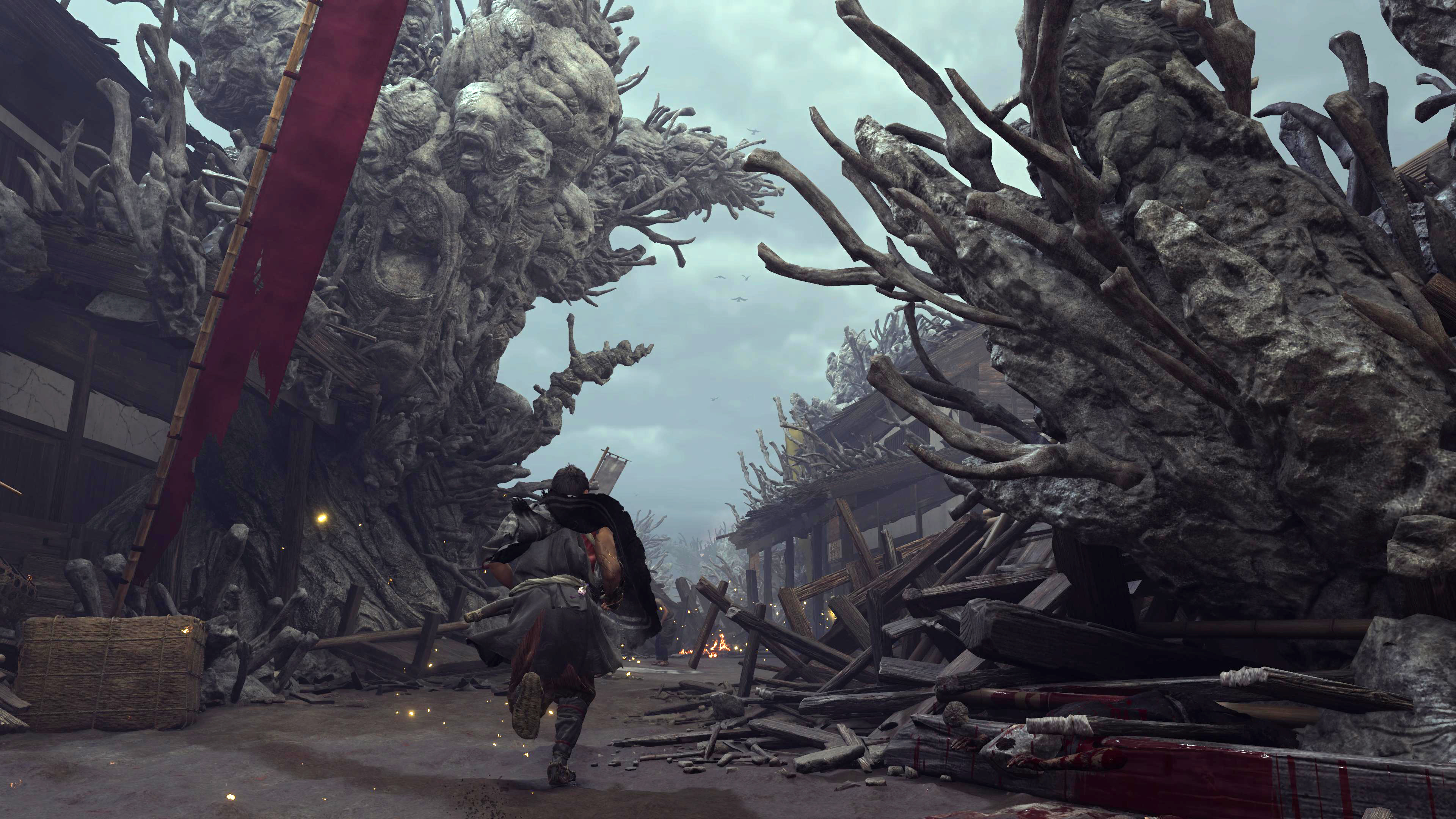
Capcom’s depiction of Edo-period Kyoto is nothing short of breathtaking, yet it is a beauty deeply scarred by the encroaching Malice. The supernatural affliction manifests as a grotesque growth of stone, coral, distorted faces, and limbs, spreading across the once-familiar architecture. Temples, castles, and bamboo forests are transformed into nightmarish landscapes, their warmth of firelight and depth of shadow now juxtaposed with the encroaching horror.
The RE Engine excels at rendering these environments with a tangible, almost visceral quality. Ruined buildings lie beneath an oppressive moonlight, littered with the remnants of the fallen. One particularly harrowing sequence transports Musashi to an abandoned underground research facility, transforming it into a nightmarish fusion of Japanese horror and shadow-puppet theatre. Here, stitched-together humans and animals moan and scream, their torment amplified by the unseen presence of Shuten-dōji.
These moments of environmental storytelling are captivating, with players often finding themselves spending as much time marveling at the grotesque artistry as they are preparing for the next onslaught. Capcom has clearly reveled in imagining the horrific consequences of a historical Japanese setting being consumed by such a pervasive and malevolent force.
The Oni Refuge, a surreal labyrinth of broken temples and floating rocks, further showcases the game’s imaginative environmental design. While offering light environmental puzzles, such as manipulating objects to progress, the reviewer notes a missed opportunity for more ambitious puzzle design. The challenges remain relatively straightforward, with solutions often as simple as "shoot the block." This lack of deeper environmental interaction prevents the game from fully capitalizing on its visually rich world, leaving players with a sense of unfulfilled potential.
The Grind: Repetitive Journeys Through Familiar Grounds
Despite the brilliance of its combat and the captivating horror of its world, Onimusha: Way of the Sword falters in its pacing and mission structure. Outside of the core combat and the main narrative, the game’s activities often fall into a predictable and repetitive pattern. While side quests such as assisting the citizens of Kyoto, hunting for treasures, finding lost puppies, and participating in archery challenges offer reasons to revisit areas and gather resources for upgrades, they lack genuine challenge or depth.
This structure leads to a somewhat monotonous gameplay loop: a new story chapter unlocks, followed by a sweep through the available side activities, collecting loot, upgrading equipment, and then returning to the main quest, only to repeat the process in the next chapter. The frequent need to traverse previously explored areas and confront the same Genma in identical encounters begins to feel like padding, designed to extend the game’s 20-hour runtime rather than genuinely engaging the player.
The enemy variety, while initially impressive, also begins to show its limitations. Recurring mini-bosses and even some main bosses are encountered multiple times, often without significant evolution in their attack patterns or design. While certain exceptions exist, such as the dual encounter with Ifuu and Burai, this approach to boss repetition is not consistently applied across the board, leading to a sense of déjà vu.
The reviewer notes the absence of the thoughtful, Resident Evil-style puzzles that characterized earlier Onimusha titles. These puzzles served as a welcome respite from the combat, forcing players to engage their minds and decipher environmental clues. Way of the Sword offers only fleeting glimpses of this puzzle-solving depth, primarily within the Oni Refuge, where the challenges remain superficial. This lack of engaging puzzles further contributes to the feeling that the game’s excellent world is underutilized, with players primarily tasked with clearing it of enemies.
The Narrative Arc: A Satisfying, If Stretched, Journey
The main story of Onimusha: Way of the Sword is compelling enough, adhering to Capcom’s signature blend of character drama, epic set pieces, and increasingly horrific supernatural encounters. Musashi’s transformation from a reluctant wanderer to a more responsible warrior provides a solid emotional throughline for the campaign.
However, reaching these pivotal narrative moments can often feel like a chore. The repeated encounters with the same core enemies, the revisiting of mini-bosses, and the multiple fights against major bosses, while made more palatable by the excellent combat, begin to feel like a deliberate attempt to stretch the game’s length. While the combat remains enjoyable, the overall structure starts to feel less like organic progression and more like a narrative stretched thin.
Upon completion, players can continue their journey or embark on a New Game+ mode, which introduces the challenging Carnage difficulty and unlocks new costumes. While these features offer some replayability, they do not fundamentally alter the core experience. For those who have already invested 20 hours into the story, the prospect of repeating essentially the same journey hinges on a player’s enjoyment of mastering the game’s intricate combat system.
Conclusion: A Masterpiece of Combat, Held Back by Repetition
Ultimately, Onimusha: Way of the Sword is a game that excels in its most crucial aspect: combat. When Musashi is engaged in battle, the game is nothing short of fantastic. The fluid animations, the deep mechanics, and the visceral feedback create an experience that is both challenging and deeply rewarding. The visual spectacle of the grotesque Genma and the beautifully realized, albeit corrupted, world of Kyoto further enhance the overall presentation.
However, the connective tissue between these exhilarating moments can often feel like filler. The repetitive nature of enemy encounters, side activities, and even some boss fights prevents Way of the Sword from achieving true greatness. The game offers glimpses of greater ambition in its environmental design and puzzle potential, but these elements are ultimately underdeveloped.
Despite these shortcomings, the return of Onimusha is a welcome one. The game captures an old-fashioned pleasure in its focused approach to swordplay, eschewing the trend of open-world saturation and overly complex progression systems. It understands that the core fun lies in the simple, yet deeply satisfying, act of stepping into a room full of demons, reading their attacks, finding the opening, and unleashing a flurry of perfectly timed strikes. While the world of Kyoto could have offered more compelling reasons to linger, the sheer joy of combat ensures that Onimusha: Way of the Sword remains a thrilling and memorable return for a beloved franchise.