Uncanny Magazine Podcast Unleashes Episode 71A: A Symphony of Speculative Fiction and Insight
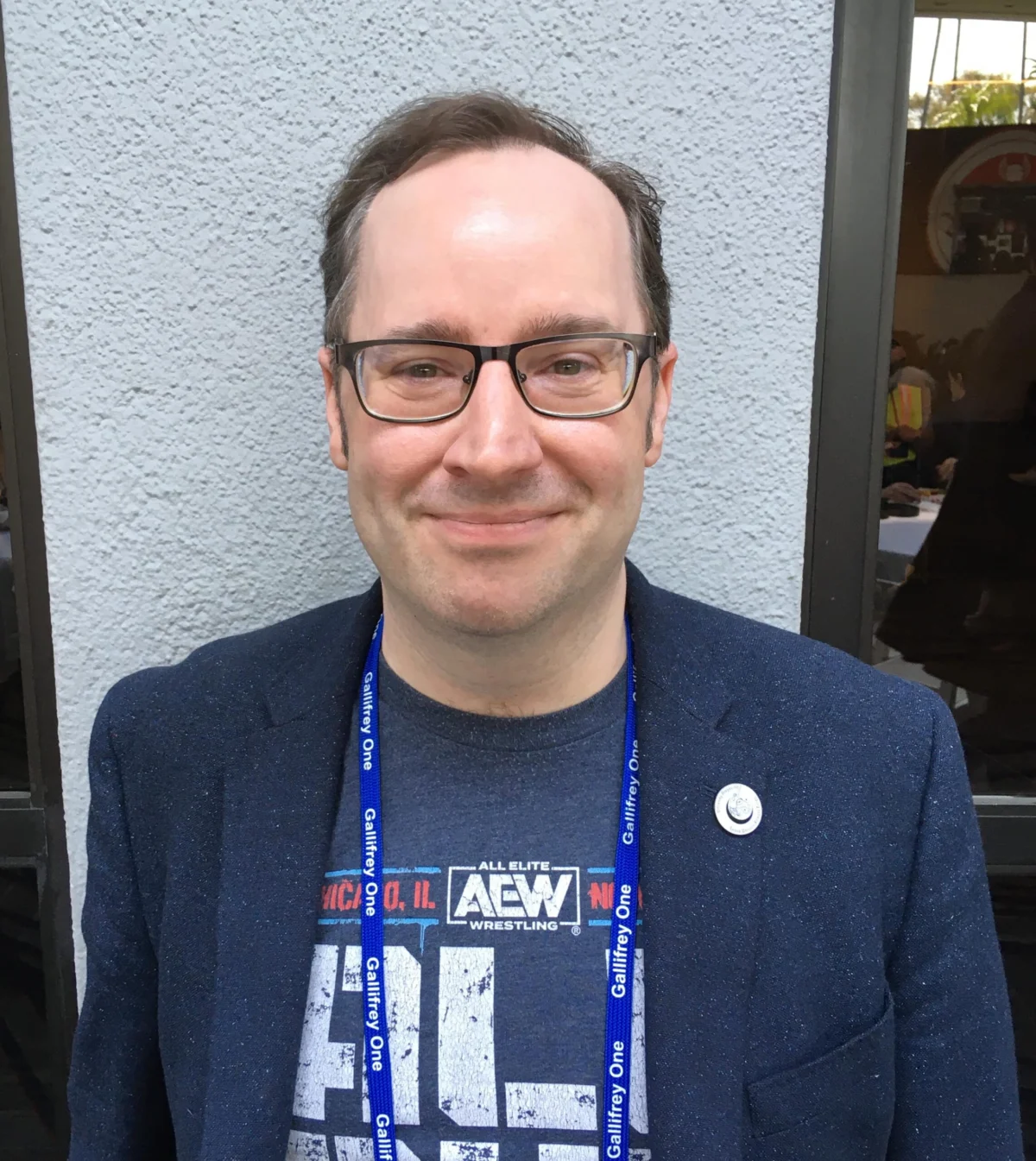
URBANA, IL – [Date of Publication, e.g., November 15, 2025] – The award-winning Uncanny Magazine has once again captivated the speculative fiction world with the release of Episode 71A of its critically acclaimed podcast. Helmed by the indefatigable Michael Damian Thomas, Publisher and Editor-in-Chief of Uncanny Magazine, this latest installment promises listeners a rich tapestry of compelling storytelling, evocative poetry, and an intimate glimpse into the creative mind of a featured author. Episode 71A solidifies Uncanny Magazine‘s reputation not just as a bastion of written excellence but also as a trailblazer in the realm of audio fiction.
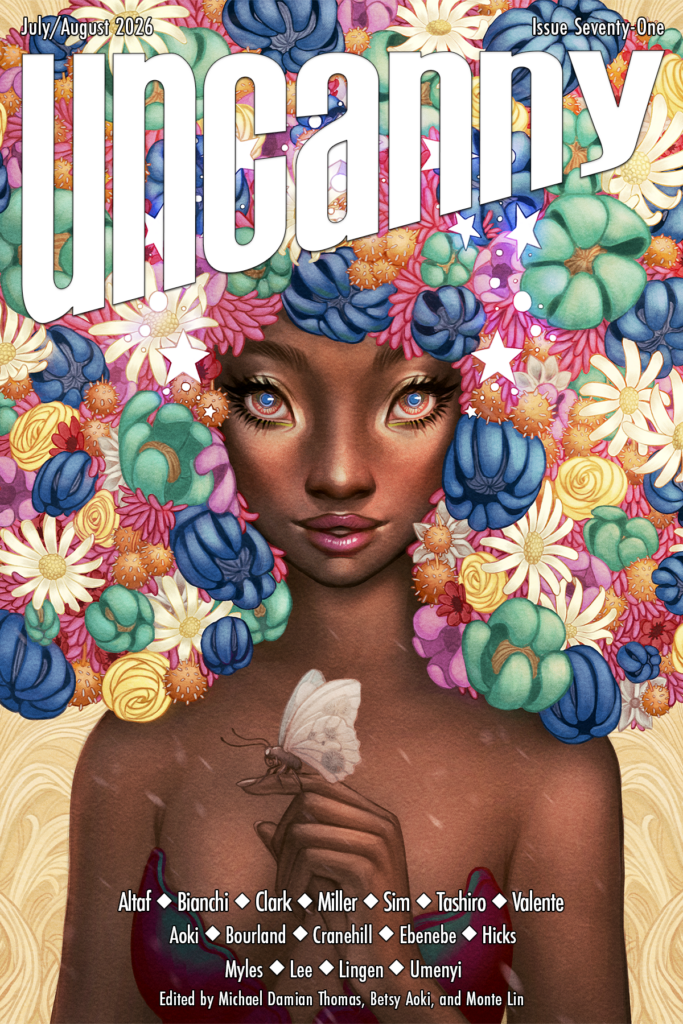
This eagerly anticipated episode features an introduction by Michael Damian Thomas himself, setting the stage for a journey into the fantastic. Listeners are treated to "Leavetaking," a poignant story by Tia Tashiro, brought to life through the masterful narration of Erika Ensign. The sonic experience continues with "Instructions for Becoming Fire," a powerful poem by Chisomaga Umenyi, expertly read by Matt Peters. Capping off the episode’s diverse offerings is an illuminating interview where Michael Damian Thomas engages directly with Tia Tashiro, providing invaluable insights into her craft and the genesis of her featured work. Produced with the signature polish of Erika Ensign and Steven Schapansky, collectively known as The Uncanny Podcats, and underscored by the distinctive music of Null Device, Episode 71A is now available for streaming and download, inviting audiences worldwide to immerse themselves in its unique blend of art and conversation.
The Enduring Legacy of Uncanny: A Chronology of Audio Excellence
The journey to Episode 71A is a testament to Uncanny Magazine‘s unwavering commitment to pushing the boundaries of speculative fiction since its inception. Launched in 2014 by co-Editors-in-Chief and Publishers Lynne M. Thomas and Michael Damian Thomas, Uncanny Magazine quickly distinguished itself with its "Space Unicorn" aesthetic—a blend of hopeful, diverse, and inclusive science fiction and fantasy. From its very first issue, Uncanny embraced a multimodal approach, offering not only written stories and essays but also a companion podcast that brought select works to life through professional narration and author interviews.
Over the past decade, the Uncanny Magazine Podcast has evolved into a formidable entity in its own right, mirroring the magazine’s critical success. Its consistent bi-monthly release schedule, often featuring "A" and "B" sides that offer distinct content, has fostered a loyal and growing listenership. Reaching Episode 71A signifies a remarkable milestone, indicating years of continuous production and a deep well of curated content. This long-standing commitment to audio has not only expanded Uncanny‘s reach but has also played a crucial role in shaping the contemporary landscape of speculative audio fiction, providing a vital platform for both established luminaries and emerging voices in the genre.
The podcast’s longevity and consistent quality are directly linked to the editorial vision that guides Uncanny Magazine. Each episode is carefully curated to reflect the magazine’s core values: a dedication to compelling narratives, a celebration of diverse perspectives, and a commitment to high production values. This meticulous approach has garnered the podcast numerous accolades, contributing to Uncanny Magazine‘s impressive haul of nine Hugo Awards, a British Fantasy Award, a World Fantasy Award, and a Parsec Award, among others. These honors underscore the profound impact Uncanny has had on the genre, establishing it as a benchmark for excellence in both print and audio. Episode 71A is not merely another entry in a long list; it is a continuation of a cherished tradition of delivering high-quality speculative content to a global audience, reaffirming Uncanny‘s place at the forefront of the genre’s evolution.
Supporting Data: The Architects and Artisans of Episode 71A
The strength of Uncanny Magazine Podcast Episode 71A lies in the collective talent and dedication of its contributors, each bringing a unique expertise to the project. From the overarching editorial vision to the nuanced performances and technical wizardry, every element contributes to the episode’s compelling nature.
Michael Damian Thomas: The Visionary Conductor
At the heart of Uncanny Magazine and its podcast is Michael Damian Thomas, whose extensive experience and profound passion for speculative fiction have shaped the publication into the powerhouse it is today. As the publisher and editor-in-chief, Thomas is not just an administrator; he is a curator, a tastemaker, and a tireless advocate for the genre. His impressive array of awards—nine Hugo Awards, a British Fantasy Award, a World Fantasy Award, and a Parsec Award—are not just personal accolades but reflections of the excellence he consistently cultivates within Uncanny Magazine.
Thomas’s editorial philosophy emphasizes inclusivity, pushing the boundaries of what speculative fiction can be, and spotlighting voices that might otherwise be overlooked. This commitment is evident in every issue and podcast episode. His role in Episode 71A, providing the introduction and conducting the interview with Tia Tashiro, highlights his hands-on approach and his desire to connect directly with both creators and audience. His background extends beyond Uncanny; he was a Hugo Award finalist as the former Managing Editor of Apex Magazine (2012-2013), and co-edited significant anthologies like Queers Dig Time Lords (2013), Glitter & Mayhem (2013), and the Locus Award finalist The Best of Uncanny (2019). These projects showcase his deep engagement with the SFF community and his ability to identify and nurture compelling narratives.
Crucially, Thomas’s expertise in audio production and podcasting is equally formidable. He was a contributor to the beloved SF Squeecast podcast, alongside luminaries like Elizabeth Bear, Paul Cornell, Seanan McGuire, Lynne M. Thomas, and Catherynne M. Valente, demonstrating his early involvement in the burgeoning world of SFF audio. He also contributed to the Down and Safe – Blake’s 7 podcast and currently serves as the Content Editor for the popular It’s Storytime with Wil Wheaton podcast. This rich history in the audio medium ensures that the Uncanny Magazine Podcast benefits from a seasoned professional who understands the nuances of sound storytelling, audience engagement, and production quality. Thomas’s personal journey, including his profound experience as the full-time caregiver for his late daughter, Caitlin, who had Aicardi syndrome, imbues his work with a deep well of empathy and resilience, subtly influencing the themes of humanity and perseverance often found in Uncanny‘s curated content.
Featured Authors: Tia Tashiro and Chisomaga Umenyi
Episode 71A shines a spotlight on two distinct yet equally captivating literary talents: Tia Tashiro and Chisomaga Umenyi.
Tia Tashiro’s story, "Leavetaking," is a prime example of the kind of emotionally resonant and thought-provoking speculative fiction that Uncanny Magazine is celebrated for. While specific plot details remain a discovery for listeners, the title itself suggests themes of departure, transition, and perhaps the poignant echoes left behind. Uncanny frequently publishes stories that explore the human condition through a fantastical or futuristic lens, often delving into complex relationships, difficult choices, and the search for meaning in extraordinary circumstances. "Leavetaking" is likely to offer a narrative that is both imaginative and deeply personal, resonating with listeners long after the final word. The inclusion of an interview with Tashiro further enhances the experience, allowing audiences to connect directly with the author’s vision and process.
Chisomaga Umenyi’s poem, "Instructions for Becoming Fire," introduces a poetic dimension to the episode, a hallmark of Uncanny‘s diverse offerings. Uncanny has long been a champion of speculative poetry, recognizing its unique ability to condense complex ideas and emotions into potent, evocative language. "Instructions for Becoming Fire" suggests themes of transformation, power, resilience, and perhaps destruction and rebirth. Umenyi’s work, read by Matt Peters, promises to be a powerful and memorable addition, offering a moment of lyrical reflection amidst the narrative prose. The inclusion of poetry underscores Uncanny‘s commitment to showcasing the full spectrum of speculative literary art forms.
The Uncanny Podcats: Erika Ensign and Steven Schapansky
The seamless and professional soundscape of the Uncanny Magazine Podcast is the direct result of the meticulous work of Erika Ensign and Steven Schapansky, affectionately known as The Uncanny Podcats. Their role as producers is pivotal, transforming written words into a vibrant auditory experience. They are responsible for the recording, editing, mixing, and mastering, ensuring that each episode meets the highest standards of audio quality. Their expertise in sound design means that the narration is clear, the music perfectly integrated, and the overall listening experience is immersive and engaging.
Erika Ensign’s contribution extends beyond production; she is also the narrator for Tia Tashiro’s "Leavetaking." Ensign’s voice work is a critical component of the podcast’s appeal. A skilled voice artist, she brings character, emotion, and nuance to the stories, allowing listeners to fully lose themselves in the narrative. Her ability to interpret and convey the author’s intent through vocal performance is a testament to her talent and a key factor in the podcast’s success. Together, Ensign and Schapansky form a formidable production duo, ensuring that the audio arm of Uncanny Magazine is as polished and impactful as its written counterpart.
Musical Interlude: Null Device
The distinctive sonic identity of the Uncanny Magazine Podcast is significantly enhanced by the music created by Null Device. Used with permission, their compositions provide the atmospheric backdrop that defines the podcast’s mood and branding. Music in podcasts serves multiple critical functions: it provides transitions, signals segment changes, and, most importantly, establishes an emotional tone. Null Device’s contributions ensure that the podcast has a unique and memorable auditory signature, complementing the speculative themes of the content and enhancing the overall listening experience. Their work helps to create a cohesive and immersive world for the listener, drawing them deeper into the narratives and poems presented.
Official Responses and Editorial Insight
While Michael Damian Thomas’s introduction serves as the primary "official response" to the episode’s content, his actions and the careful curation of Episode 71A speak volumes about Uncanny Magazine‘s editorial philosophy and its commitment to its audience. The selection of "Leavetaking" by Tia Tashiro and "Instructions for Becoming Fire" by Chisomaga Umenyi is not arbitrary; it reflects a deliberate editorial vision. Uncanny is renowned for seeking out stories and poems that are not only well-crafted but also emotionally resonant, intellectually stimulating, and reflective of diverse human experiences.
The interview with Tia Tashiro, conducted by Thomas himself, is a crucial element of this episode. It provides a unique opportunity for listeners to gain insight into the creative process directly from the author. Such conversations often delve into the inspiration behind the story, the challenges of writing, and the broader themes the author aims to explore. This direct engagement fosters a deeper appreciation for the art form and builds a stronger connection between the audience and the creators. It underscores Uncanny‘s commitment to transparency and to demystifying the act of creation, making the literary world more accessible to its readership and listenership.
Through Episode 71A, Uncanny Magazine reinforces its mission to present "provocative, diverse, and accessible speculative fiction." The editorial choice to pair a deeply moving story with a powerful poem, followed by an illuminating interview, creates a holistic experience that is both entertaining and enriching. It demonstrates a keen understanding of what makes a successful audio production in the speculative fiction genre: a blend of compelling content, expert narration, and engaging supplementary material that adds value and context. The episode serves as a powerful statement about the enduring vitality and relevance of speculative fiction in contemporary culture.
Implications: The Broader Impact of Uncanny’s Audio Legacy
The release of Uncanny Magazine Podcast Episode 71A carries significant implications, extending far beyond the immediate enjoyment of its content. It speaks to the evolving landscape of media consumption, the democratization of literature, and the ongoing vitalization of the speculative fiction community.
Accessibility and Reach: Broadening Horizons
In an increasingly auditory world, where podcasts have become a primary source of news, entertainment, and education, Uncanny Magazine‘s robust podcast presence is crucial. The audio format breaks down barriers, making high-quality speculative fiction accessible to a wider audience, including those with visual impairments, those who prefer to consume content while multitasking, or simply those who enjoy the intimate experience of being read to. By offering both a written magazine and a free podcast, Uncanny maximizes its reach, ensuring that its curated stories and poems can find their way to anyone with an internet connection, regardless of their preferred mode of consumption. This broad accessibility is vital for the continued growth and diversification of the speculative fiction readership.
Community Building and Nurturing Talent
The podcast serves as a powerful tool for community building within the speculative fiction genre. Regular listeners become part of the "Space Unicorn" tribe, sharing a common appreciation for Uncanny‘s unique brand of SFF. The interviews, in particular, humanize the authors, fostering a sense of connection and encouraging engagement through social media and online discussions. Moreover, by consistently featuring both established and emerging authors and poets, the podcast plays a crucial role in nurturing new talent. Being featured on an award-winning platform like Uncanny can be a significant career boost for creators like Tia Tashiro and Chisomaga Umenyi, providing them with exposure to a dedicated and discerning audience. This continuous cycle of discovery and promotion ensures the genre remains vibrant and dynamic.
The Future of Audio Fiction: Uncanny as a Bellwether
Uncanny Magazine Podcast stands as a bellwether for the future of audio fiction. As technology advances and listening habits shift, the demand for professionally produced audio stories is only set to increase. Uncanny‘s consistent high quality, its thoughtful curation, and its integrated approach to print and audio content position it as a leader in this evolving medium. It demonstrates how literary magazines can effectively leverage podcasts not just as supplementary material, but as an integral and equally important facet of their publishing strategy. The success of Episode 71A, and the 70 episodes that preceded it, provides a valuable blueprint for other literary endeavors looking to expand their reach and impact in the audio space.
Legacy: An Enduring Contribution
Ultimately, Episode 71A, like every installment before it, contributes to the enduring legacy of Uncanny Magazine. Under Michael Damian Thomas’s leadership, the magazine and its podcast have become synonymous with excellence, innovation, and inclusivity in speculative fiction. They have created a vital archive of stories, poems, essays, and interviews that reflect the genre’s richness and its capacity for social commentary, emotional depth, and boundless imagination. As the copyright date of 2026 suggests, Uncanny Magazine continues to look forward, shaping the literary landscape of tomorrow by championing diverse voices and delivering unparalleled storytelling across multiple platforms. The release of Episode 71A is not just news; it is a celebration of a continuing tradition of excellence that enriches the speculative fiction world for years to come.