The Crucible of Easy Company: Analyzing "The Breaking Point" as the Definitive Peak of ‘Band of Brothers’
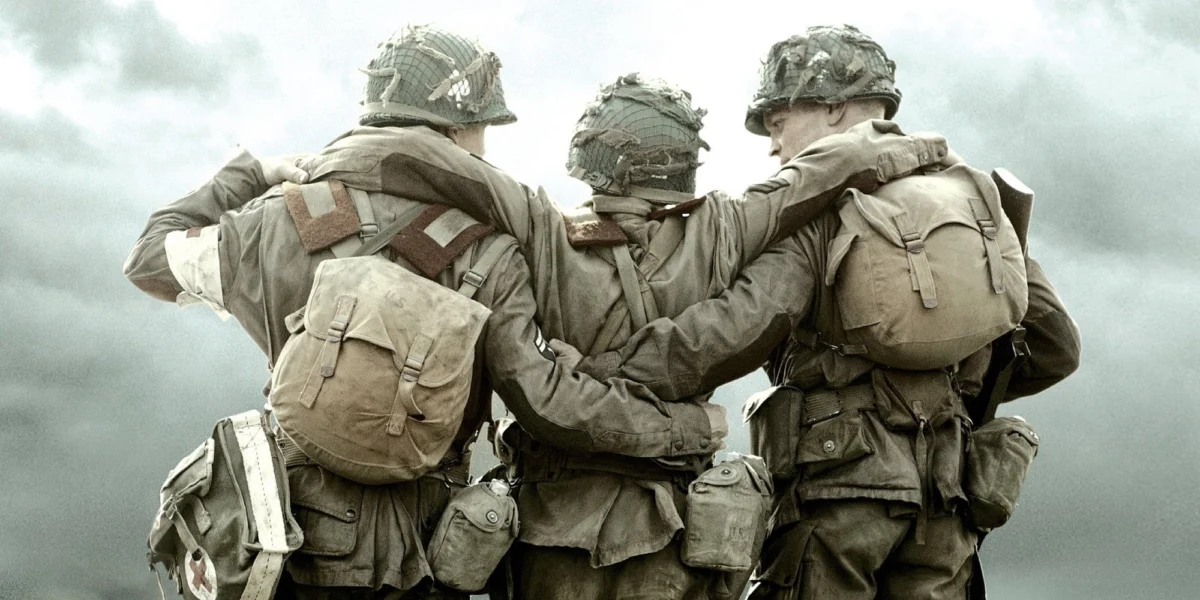
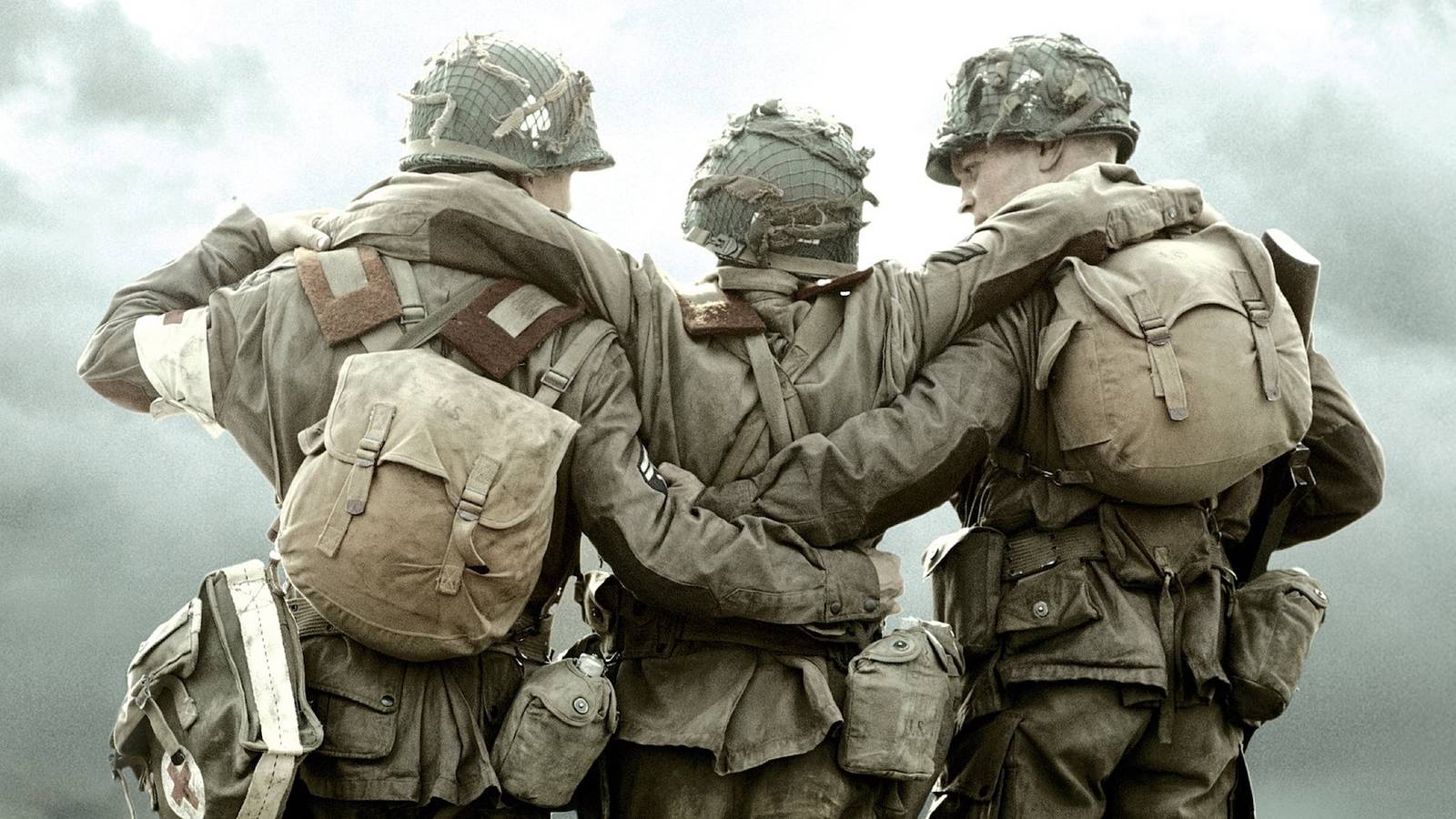
The 2001 HBO miniseries Band of Brothers remains a towering achievement in the landscape of television history. Produced by Steven Spielberg and Tom Hanks following their collaboration on Saving Private Ryan, the ten-part series redefined the war drama by shifting the focus from individual heroism to the collective endurance of a single unit: Easy Company, 2nd Battalion, 506th Parachute Infantry Regiment, 101st Airborne Division. While the series is replete with visceral combat and profound emotional resonance, historians, critics, and fans alike frequently point to the seventh episode, "The Breaking Point," as the most intense and psychologically harrowing sequence of the entire production.
"The Breaking Point" serves as more than just a depiction of combat; it is a masterclass in the study of human fragility and the limits of psychological fortitude. By chronicling the siege of Foy and the aftermath of the Battle of the Bulge, the episode captures the moment when the physical and mental tolls of war finally converge, threatening to dismantle the brotherhood that had sustained the men through Normandy and Operation Market Garden.
Main Facts: A Shift in the Narrative Paradigm
Released as the seventh chapter of the miniseries, "The Breaking Point" is narrated from the perspective of First Sergeant C. Carwood Lipton (portrayed by Donnie Wahlberg). This narrative choice is significant. Lipton serves as the "glue" of Easy Company, a man whose primary responsibility is to maintain morale and cohesion while the unit’s leadership begins to fracture under the weight of the Ardennes winter.
The episode covers the period between January and February 1945. At this stage of the war, the Allied forces were pushing toward Germany, but the "Bulge" in the lines created by the German counter-offensive had left units like the 101st Airborne isolated, under-supplied, and exposed to some of the harshest winter conditions in European history.
The primary conflict in "The Breaking Point" is twofold:
- The External Conflict: The assault on the German-held town of Foy, Belgium, and the constant threat of "tree bursts"—artillery shells designed to explode in the canopy of the forest, raining lethal wooden splinters and shrapnel down into the foxholes.
- The Internal Conflict: The collapse of leadership under Lieutenant Norman Dike and the psychological disintegration of Lieutenant Lynn "Buck" Compton, one of the company’s most seasoned and respected officers.
Chronology: From the Frozen Woods to the Siege of Foy
The chronological progression of the episode is designed to mirror the mounting pressure on the soldiers. It begins in the relative "quiet" of the woods outside Foy, though this quiet is punctuated by misery.
The Winter of Discontent (Early January 1945)
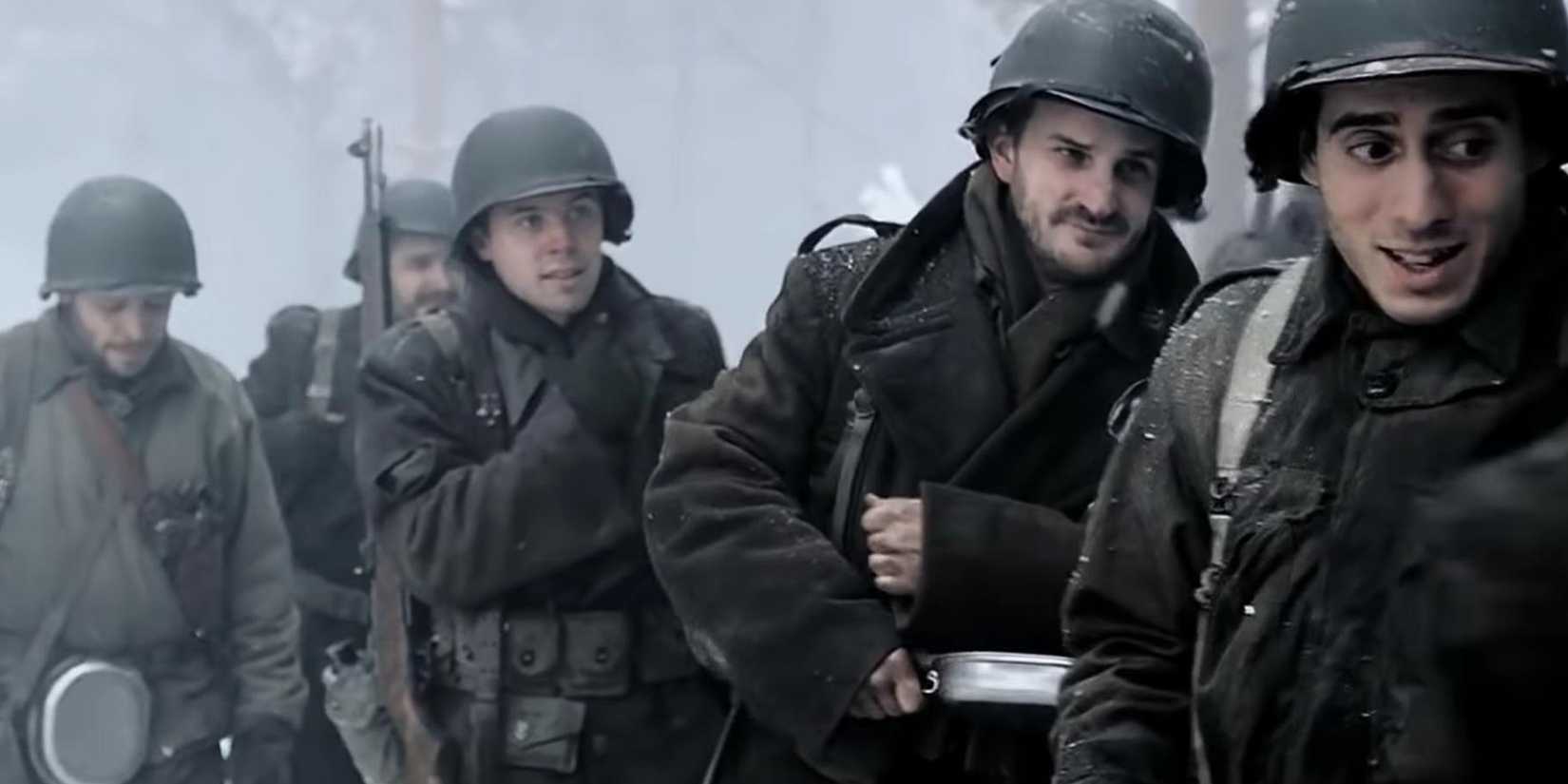
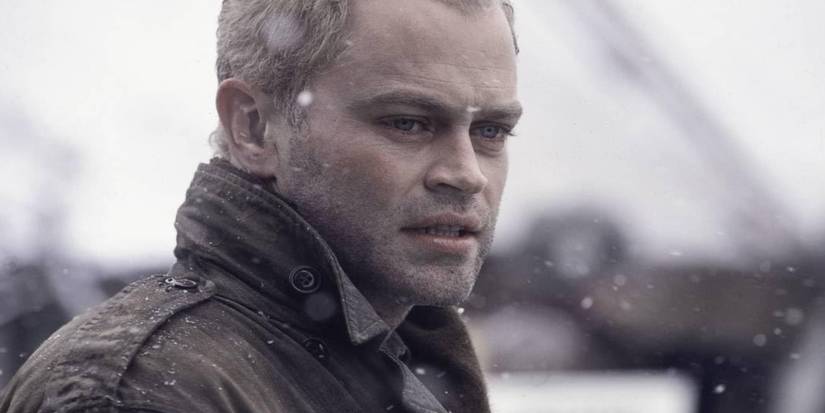
The episode opens with the men of Easy Company entrenched in the Ardennes forest. They are critically low on food, winter clothing, and ammunition. The visual palette of the episode is drained of color, dominated by whites, greys, and deep shadows, emphasizing the literal and metaphorical cold. The banter that defined earlier episodes, such as "Currahee" or "Replacements," has turned brittle. The soldiers are no longer fighting for a grand cause; they are fighting to stay warm and stay alive.
The Bombardment and the Loss of "Gonzo" and Toye
The turning point of the episode occurs during a massive German artillery barrage. In a sequence that remains one of the most violent in television history, Staff Sergeant William "Wild Bill" Guarnere and Staff Sergeant Joe Toye are caught in the open. Both men lose their legs in the shelling. This moment serves as the catalyst for the episode’s title. Seeing two of the company’s "indestructible" legends maimed in an instant shatters the morale of those watching, particularly Lieutenant Buck Compton.
The Assault on Foy (Mid-January 1945)
The climax of the episode is the tactical assault on the town of Foy. Under the indecisive leadership of Lieutenant Norman Dike—who famously "freezes" under fire—the company is pinned down in an open field, facing certain slaughter. The chronology concludes with the dramatic relief of Dike by Lieutenant Ronald Speirs, whose legendary (and arguably reckless) dash through the German lines to coordinate with I Company remains a highlight of the series.
Supporting Data: The Technical and Historical Accuracy
The intensity of "The Breaking Point" was not merely a product of writing, but of meticulous production design and historical fidelity.

The Production of the Ardennes
To recreate the frozen forests of Belgium, the production team utilized a massive hangar at Hatfield Aerodrome in England. The "snow" was composed of over a third of a million pounds of paper and plastic, which took weeks to apply. This controlled environment allowed director Silver Sordill to capture the claustrophobic nature of the foxholes and the terrifying verticality of the tree bursts.
Casualties and Leadership
Historical records of Easy Company during this period confirm the episode’s grim statistics. Between the time they entered the lines in December and their relief in January, the 101st Airborne suffered staggering casualties. In "The Breaking Point" alone, we see the departure of several key "original" Toccoa men. The transition from the "Old Guard" to new replacements is a central theme, supported by the data of the actual unit’s roster, which saw nearly 150% turnover by the war’s end.
The "Shell Shock" Phenomenon
The depiction of Buck Compton’s mental break is supported by modern psychological understanding of Combat Stress Reaction (CSR). Unlike the "cowardice" often depicted in older war films, Band of Brothers presents Compton’s collapse as a physiological and emotional "breaking point" caused by the cumulative trauma of seeing his friends mutilated. Neal McDonough’s performance was praised by the real-life Buck Compton for its accuracy in portraying the moment the mind simply shuts down to protect itself.
Official Responses and Veteran Perspectives
The legacy of "The Breaking Point" is cemented by the reactions of the men who actually lived through the events. The series was based on the book by Stephen E. Ambrose, which drew heavily from interviews with Easy Company veterans.
Carwood Lipton’s Legacy: The real C. Carwood Lipton, who passed away shortly after the series premiered, noted that the episode accurately captured the leadership vacuum created by Dike. Lipton’s role as the "unofficial" commander during that period was a point of pride for the veteran, and Donnie Wahlberg’s portrayal was widely lauded for capturing Lipton’s quiet, steadying influence.
The Portrayal of Norman Dike: Historically, there has been some debate regarding the portrayal of Lt. Dike. While the series depicts him as incompetent and cowardly, some veterans and historians have suggested that Dike was a victim of circumstances and poor luck, having been wounded previously. However, for the purposes of the narrative and based on the majority of the "Easy" veterans’ testimonies, "The Breaking Point" remains the definitive account of the leadership transition to Ronald Speirs.
Tom Hanks and Steven Spielberg’s Intent: In various "making-of" documentaries, the executive producers stated that their goal was to move away from the "John Wayne" style of war filmmaking. They wanted to show that even the bravest men have a limit. "The Breaking Point" was the realization of that goal—an admission that war is not just a test of courage, but a test of sheer biological endurance.
Implications: The Legacy of Realistic War Dramas
The implications of "The Breaking Point" extend far beyond the runtime of the episode. It set a new standard for how television handles trauma and the long-term effects of combat.
The De-Romanticization of War
Before Band of Brothers, many war series focused on the "adventure" of combat. "The Breaking Point" stripped away any remaining veneer of adventure. By focusing on the cold, the hunger, and the arbitrary nature of death by artillery, the episode forced audiences to confront the "slogging" reality of the infantryman. This influence can be seen in later works like The Pacific, Generation Kill, and 1917.
Focus on the "Non-Combat" Combat
The episode proved that some of the most "intense" moments in a war story don’t involve firing a weapon. The scenes of Lipton trying to reassure a shivering replacement or the look in Buck Compton’s eyes as he walks away from the front line are as memorable as the explosions. This shifted the focus of the genre toward the psychological landscape of the soldier.
A Tribute to Resilience
Ultimately, the implication of "The Breaking Point" is a celebration of the human spirit. By showing the men at their absolute lowest—starving, freezing, and grieving—the series makes their eventual victory in Foy and the subsequent discovery of the concentration camps in "Why We Fight" all the more profound. It posits that true bravery is not the absence of a breaking point, but the ability of a group to hold together even when individuals within that group begin to shatter.
As Band of Brothers continues to find new audiences on streaming platforms decades after its release, "The Breaking Point" remains its most essential hour. It is a haunting, beautiful, and terrifying reminder of the cost of freedom and the fragile nature of the men who secured it.